Are Dutch rabbits low maintenance?
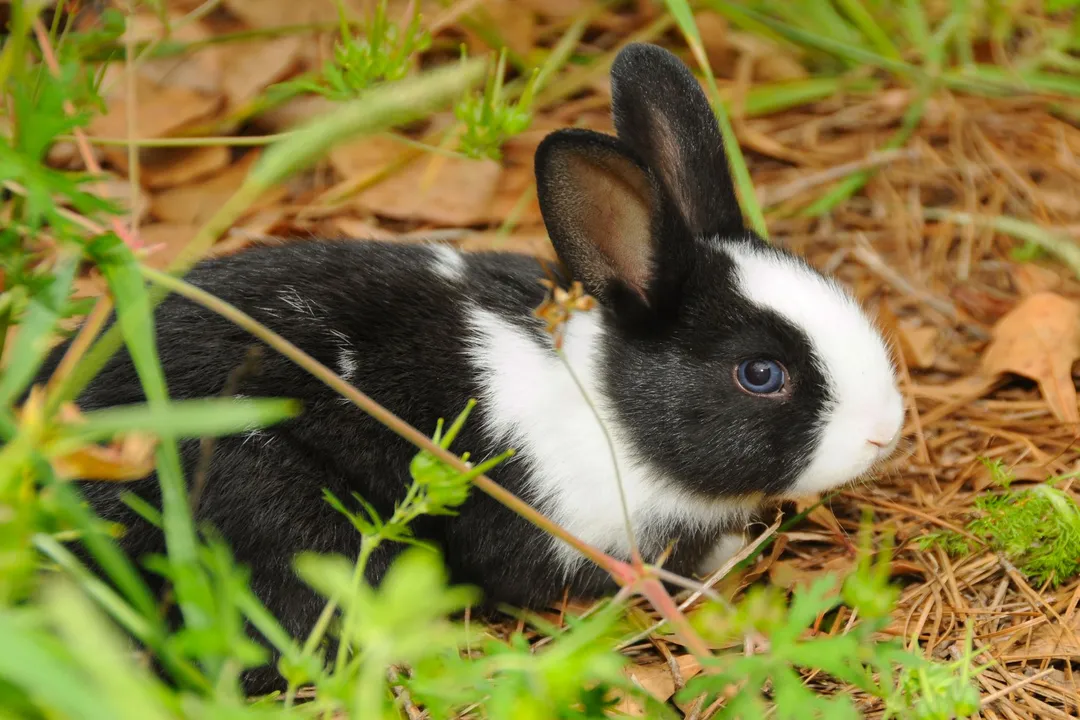
The idea that a Dutch rabbit might be a "low maintenance" pet often stems from their appealing size and calm demeanor, making them a popular choice for many first-time rabbit owners. However, classifying any rabbit as truly low maintenance is a simplification. Dutch rabbits, like all Oryctolagus cuniculus, require consistent, daily attention spanning many years, demanding more proactive care than many people anticipate when bringing them home. [1][2][4] They are generally known for being docile and friendly, often displaying a good-natured temperament that makes interaction enjoyable. [4][5][8] This breed is recognized by its distinctive white blaze, white collar, shoulder patches, and hind legs contrasted with colored patches on the body and ears. [4][5] While their needs are predictable, they are far from being a self-sufficient animal, placing them more accurately in the category of moderate commitment. [8]
# Coat Care
Grooming requirements are often a major factor when owners assess maintenance levels, and here, the Dutch rabbit generally has an advantage over its fluffier cousins. [1] Dutch rabbits possess a short, dense, smooth coat. [4][5][8] This characteristic means they typically do not require daily intensive combing sessions that breeds like Angoras need to prevent painful matting. [1]
However, "easy" does not mean "no maintenance." These rabbits still shed consistently throughout the year, and this shedding tends to increase significantly twice a year during their seasonal molts. [1][8] During these heavy shedding periods, a thorough brushing session at least once or twice a week is highly recommended to remove dead fur. [1][8] If the loose fur is not removed, the rabbit will inevitably ingest more of it during self-grooming, increasing the risk of serious digestive issues like gut stasis. [8][9] A gentle rubber grooming tool or a fine-toothed comb works well for managing the short hairs. [1] Nail trimming is also an essential part of grooming, usually required every four to six weeks, which is a task that takes consistent owner effort. [1][5]
# Space Needs
The physical space required for a Dutch rabbit is a significant maintenance consideration that often surprises new owners. While they are medium-sized, weighing between 3.5 and 5.5 pounds, they are active and need room to express natural behaviors like hopping, stretching, and running. [5][8] Relying solely on a small wire cage found at a typical pet store is inadequate for their well-being. [1][5]
Best practice suggests an enclosure or pen that allows them to stretch out fully and take several continuous hops—this usually translates to at least 12 square feet of enclosure space, plus several hours of supervised exercise time outside the enclosure daily. [1][5] The daily maintenance of cleaning this larger area is more time-consuming than cleaning a small cage. Because the environment must be kept spotless to prevent health problems, the required square footage often necessitates reconfiguring a portion of a room or dedicating a secure, bunny-proofed outdoor area. This environmental management, ensuring electrical cords are hidden and chewing hazards removed, is a substantial, ongoing maintenance task that goes beyond simply scooping a litter box. [1][8]
# Daily Diet
The dietary routine for a Dutch rabbit is strict and non-negotiable, directly impacting their maintenance needs. If the diet is managed incorrectly, the resulting health emergencies create the highest form of maintenance—emergency veterinary care. [8][9]
The cornerstone of their diet must be unlimited access to high-quality grass hay, such as Timothy or orchard grass. [1][5][8][9] Hay is crucial because its long fiber content keeps their continuously growing teeth worn down and ensures the gut moves food correctly, preventing potentially fatal gut stasis. [8][9] Owners must check the hay supply daily and refresh it. [1] Supplementing this with a measured amount of high-quality rabbit pellets and a daily selection of fresh leafy greens or vegetables rounds out the nutrition. [1][8] If you factor in the time spent sourcing quality hay, preparing daily vegetable portions, and ensuring water is fresh, the daily feeding routine takes up a consistent block of time. [8]
# Social Requirements
One aspect that truly separates rabbits from pets often considered low maintenance, like hamsters or fish, is their profound need for social interaction. [2][5] Dutch rabbits are intelligent and bond closely with their caregivers. [5] They require daily attention, handling, and play to remain mentally stimulated and emotionally healthy. [2][5]
Rabbits thrive in pairs or bonded groups, and if kept singly, the human caretaker must step in to fulfill this social role. [2][5] This means dedicating specific, focused time each day for interaction, petting, and training, rather than just providing food and water. [2] A bored or lonely rabbit can quickly become destructive or withdrawn, creating maintenance issues related to repairing property or treating depression-like symptoms. [5] This consistent social maintenance is time-intensive and cannot easily be outsourced or skipped for a weekend.

# Health Vigilance
While Dutch rabbits are generally considered a sturdy breed, they share the inherent fragility of all rabbits when it comes to hidden illness. [4][8] They are prey animals, meaning they instinctively hide signs of pain or sickness until they are critically ill, which necessitates intense owner vigilance—a key component of daily maintenance. [8][9]
Every day, an owner must monitor several key indicators:
- Checking that the rabbit is eating and drinking normally. [8]
- Inspecting droppings for changes in size, shape, or frequency. [8]
- Observing behavior for lethargy or hiding. [9]
Routine veterinary care is also essential. While they may not require as many specialized treatments as some pedigree show rabbits, annual check-ups with a rabbit-savvy veterinarian are necessary. [4][8] Dental checks are particularly important, as overgrown teeth can occur even with a proper hay diet. [9] If preventative care is neglected, issues like dental spurs or GI stasis require immediate, high-stress, and often expensive intervention, immediately disqualifying the pet from the "low maintenance" label. [8][9]
# Evaluating Maintenance Expectations
When assessing whether a Dutch rabbit fits a "low maintenance" lifestyle, it is helpful to compare the necessary daily inputs against typical expectations. They require less coat care than long-haired breeds, [1] but more complex habitat cleaning than a small rodent. [1] They require much more dedicated social interaction than many small caged pets. [2][5] The most significant factor differentiating them from truly low-maintenance pets is their lifespan. Potential owners must factor in the cumulative time commitment; these rabbits commonly live for 8 to 12 years, meaning over a decade of consistent daily commitment is required. [4] A short period of easy care does not equate to low maintenance overall. [8] A realistic view is that the Dutch rabbit is a moderately high-commitment pet whose care is predictable and straightforward, provided the owner understands and meets their environmental, dietary, and social needs consistently. [1][5]
Related Questions
#Citations
How to Care for a Pet Dutch Rabbit - The Spruce Pets
What are things that I MUST know to take care of a Holland Lop?
Caring for Senior Dutch Rabbits: Lifespan and Health Considerations
What to Know About the Dutch Rabbit - WebMD
The Dutch Rabbit - The Mill's Breed of the Month - February 2023
Dutch - PDSA
Dutch Rabbit Care Guide Vet Advice for 2025
The Vet's Guide to Dutch Rabbits: Facts, Care, and Training Tips