What two dogs make a GSP?
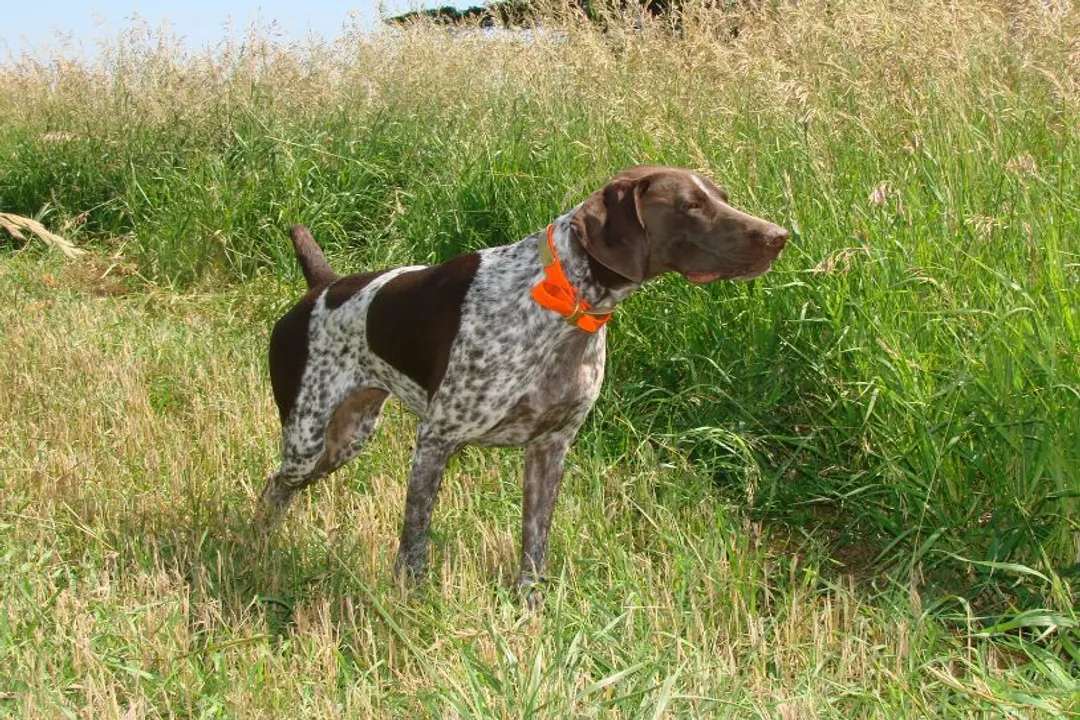
The German Shorthaired Pointer (GSP) is celebrated today as one of the most versatile sporting dogs available, capable of pointing, retrieving on land and water, and tracking game. Understanding what combination of breeds created this energetic powerhouse requires looking back to 19th-century Germany, where dedicated hunters sought to forge a superior gun dog. The foundational element, the very starting line for the GSP, was unquestionably the German Pointer. This existing lineage provided the initial drive, scenting ability, and general structure necessary for field work.
# Ancestral Base
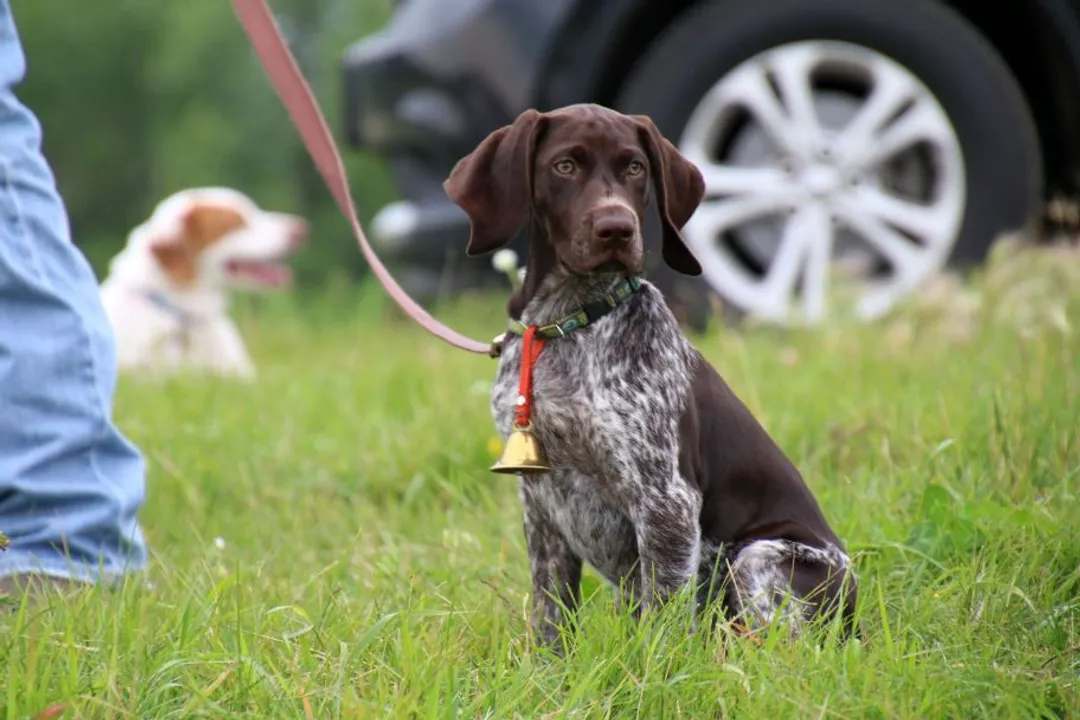
The creation of the GSP was less about mixing two distinct, equally weighted dogs and more about refining an existing, proven pointer breed—the German Pointer—to meet specialized needs. The initial efforts were focused on creating an all-purpose dog that could point upland game and retrieve waterfowl, activities that required a particular combination of traits often lacking in single-lineage dogs of the time. To achieve this level of versatility, breeders introduced genetic material from other established breeds.
It is interesting to note that while the question implies a simple equation—Dog A plus Dog B equals GSP—the historical reality is a careful, multi-generational blending process. The German Pointer served as the primary scaffold, and other breeds were introduced to build the specialized structure desired by German sportsmen.
# Defining Crosses

When looking for the second major ingredient that defined the GSP apart from its German Pointer ancestry, sources often point toward two likely candidates, which together or separately, contributed significantly to the modern dog: the English Pointer and the Poodle.
The inclusion of the English Pointer would have been a logical step for a breeder looking to maintain or enhance the classic pointing instinct and speed inherent in the pointer family. The English Pointer brings a distinct style of movement and high-level scenting capability to the mix.
Conversely, the Poodle’s involvement, while perhaps surprising to some modern observers, speaks directly to the goal of versatility. Poodles, historically, were not just lapdogs; they were excellent water retrievers. Introducing Poodle heritage into the mix was likely an effort to ensure the GSP had a dense, water-resistant coat and a natural affinity for swimming and retrieving downed game from the water, traits crucial for a true all-purpose dog.
Thinking about the name itself offers a small piece of insight: the “German” descriptor points to its origin and primary ancestor, while the “Shorthaired” part describes the coat resulting from the crosses made to achieve the desired profile, contrasting it with longer-coated counterparts. The final breed standard that emerged was a compromise and culmination of these efforts, settling on a medium-length, dense coat capable of handling diverse terrains without excessive maintenance.

# Versatile Hunter
The driving force behind these specific cross-breeding decisions was the desire for a single dog that could perform the duties of several specialized breeds on a hunting trip. Before the GSP became formalized, hunters often needed a pointing specialist, a separate retriever, and perhaps a tracking dog. The German Shorthaired Pointer was engineered to consolidate those roles.
This inherent drive for multifunctionality is what separates the GSP from some of its single-purpose cousins. The dog needed the stamina to range widely over fields with the hunter, the acute nose to locate hidden birds, the steadiness to hold a point, and the soft mouth to return the quarry unharmed. This necessity for high, sustained output means that the composite temperament resulting from the foundation crosses is one of incredible energy and focus. They were bred to work all day, every day, in challenging conditions.
# Modern Conformation
The result of blending the German Pointer base with breeds like the English Pointer and the Poodle is a powerful, medium-sized athlete recognized for its distinctive appearance. The breed typically stands between 21 and 25 inches at the shoulder and weighs between 45 and 70 pounds, showcasing a muscular build designed for endurance rather than bulk.
Key physical characteristics reflecting their breeding include:
- Coat: Short, dense, and water-repellent.
- Eyes: Intelligent and usually liver or hazel, reflecting strong pigment.
- Tail: Docked to a length appropriate for field work (though practices vary by region and owner preference).
If you are considering bringing a GSP into your home, understanding the historical combination of breeds provides a necessary warning about modern care. Because the Poodle and English Pointer contributed traits focused on water work and high-level performance, the modern GSP requires significantly more than a long walk around the block. A dog built to work all day in German cover needs comparable mental and physical stimulation now, perhaps through structured activities like advanced agility or consistent, challenging field training. Failing to meet this inherited energy requirement often results in behavioral issues, as that drive—bred into them over decades—must be spent somewhere. A family looking for a couch companion might find the GSP, as a composite of these tireless workers, a surprising handful without dedicated engagement.

# Breed Recognition
The process of establishing the GSP as a distinct breed took time and structure. After its development in Germany, the breed was gradually introduced to the wider world. The American Kennel Club (AKC) officially recognized the breed in 1930. The Canadian Kennel Club (CKC) also maintains standards for the breed, cementing its status as a recognized sporting type across North America. This formal recognition means that established breed clubs work to maintain the characteristics established by those initial foundation crosses, ensuring that the dog retains its versatile hunting ability alongside its characteristic look.
While breed clubs and organizations work diligently to maintain the breed standard, the GSP remains a popular subject in online discussions among enthusiasts. Whether discussing pairing them with other breeds for companionship or simply sharing field experiences, the community affirms the high drive and devotion that results from their unique ancestral combination. The GSP is fundamentally a working dog, and its ancestry clearly dictates that its temperament is calibrated for action and partnership in the field.
Related Questions
#Citations
German Shorthaired Pointer - Wikipedia
German Shorthaired Pointer - Dog Breeds - American Kennel Club
Breeds to go with GSP? : r/germanshorthairs - Reddit
Breed Profile: German Shorthaired Pointer - Pheasants Forever
German Shorthaired Pointer breed experiences and love - Facebook
About the GSP Breed | Nutmeg German Shorthaired Pointer Club | CT
Get to Know the Breeds: German Shorthaired Pointer
Your GSP ever confused for another breed? - Gun Dog Forum
German Shorthaired Pointer - Dog Breeds 101 - Dogz Online Forums
German Shorthaired Pointer Dog Breed Information