What sort of animal is a Devon Rex?
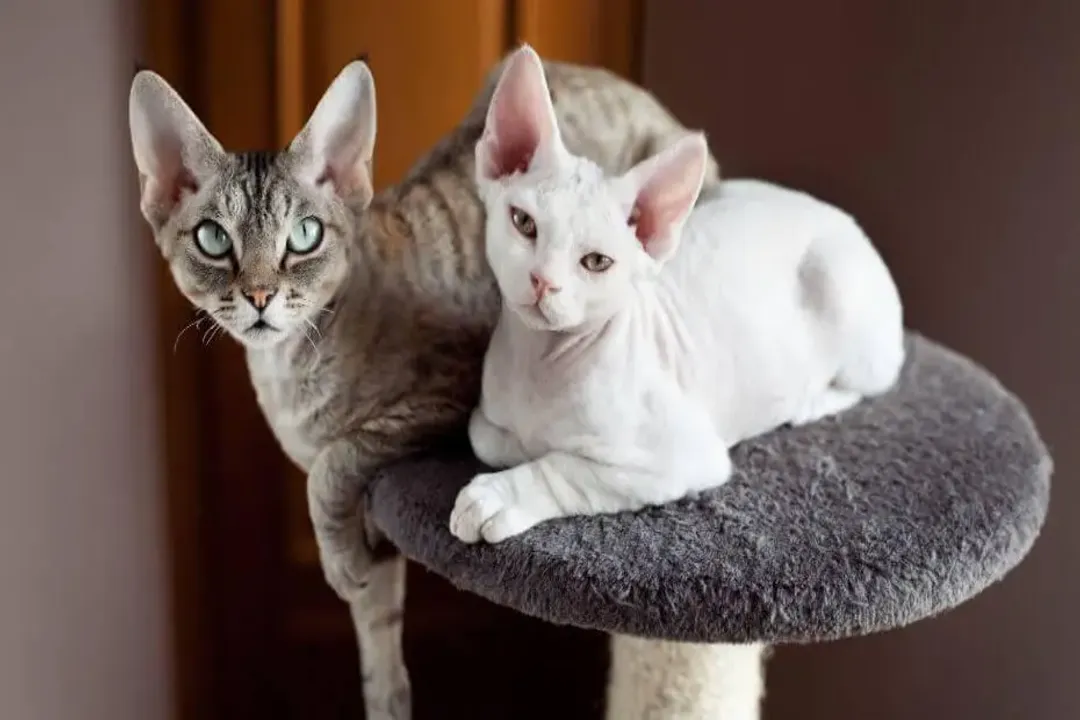
The animal known as the Devon Rex is a highly distinctive cat breed, immediately recognizable for its elfin or pixie-like appearance coupled with a unique personality that often surprises new owners. Far from being aloof, these cats are intensely people-oriented, curious, and incredibly playful, earning them comparisons to dogs more often than traditional felines. [2][3][5] They are medium-sized felines, generally weighing between six and nine pounds, though males can sometimes be larger than females. [1][2] The breed possesses a surprising amount of muscularity for their slender frame, complemented by a broad chest and a slender neck. [1][2]
# History
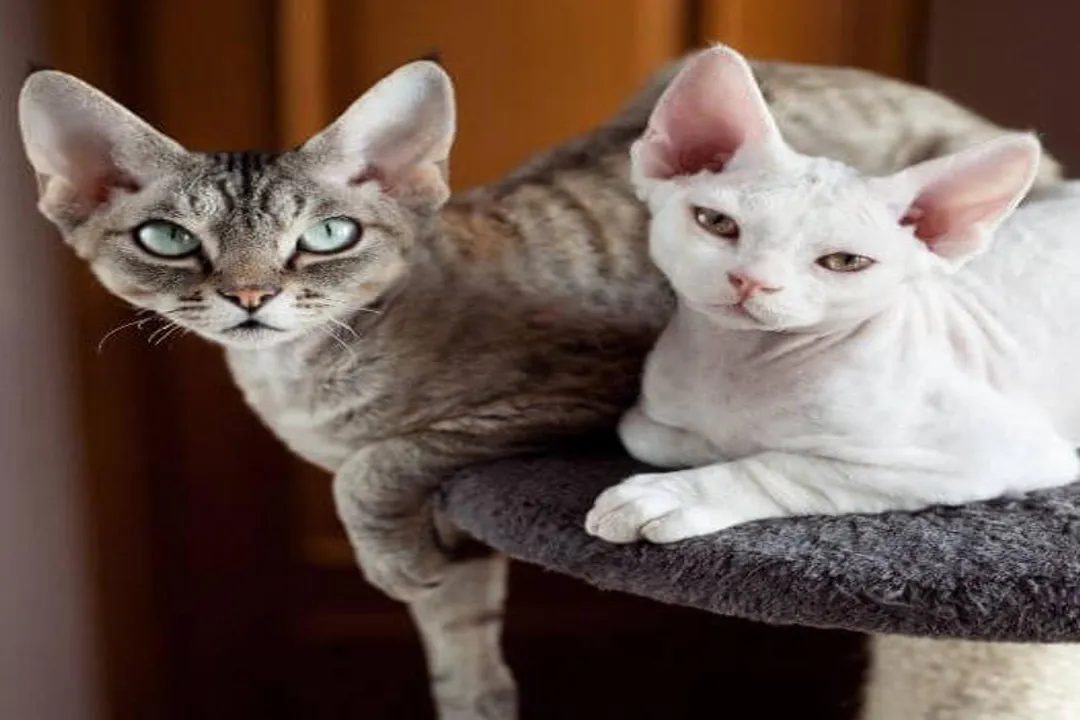
The story of the Devon Rex is rooted in a spontaneous genetic event in England. [3] The breed’s foundation cat was a male kitten named Kirlee, born in 1959 in a litter found in a garden in Devon, England, to a straight-haired stray mother. [1][2][4] His discoverer, Beryl Cox, noticed the kitten’s unusual, curly coat. [1] Awareness of the already-developing Cornish Rex mutation led Cox to offer Kirlee to breeders working with that line. [2][4]
However, test breedings quickly proved that Kirlee’s curly coat was not caused by the same gene as the Cornish Rex’s wave. [2][5] When Kirlee was bred with his own offspring, some kittens retained the curl, confirming that Kirlee carried a separate, distinct mutation. [1][2] Breeders made the decision to preserve this unique lineage, leading to the establishment of the Devon Rex as its own breed. [2][4] Because of this independent genetic origin, despite the similar-sounding names and shared curly coats, the Devon Rex and Cornish Rex are considered two completely separate breeds with bloodlines that must remain distinct. [1][2] The Devon Rex gene pool has resulted in one of the broadest varieties of colors and patterns found in any recognized cat breed. [2]
# Physical Look
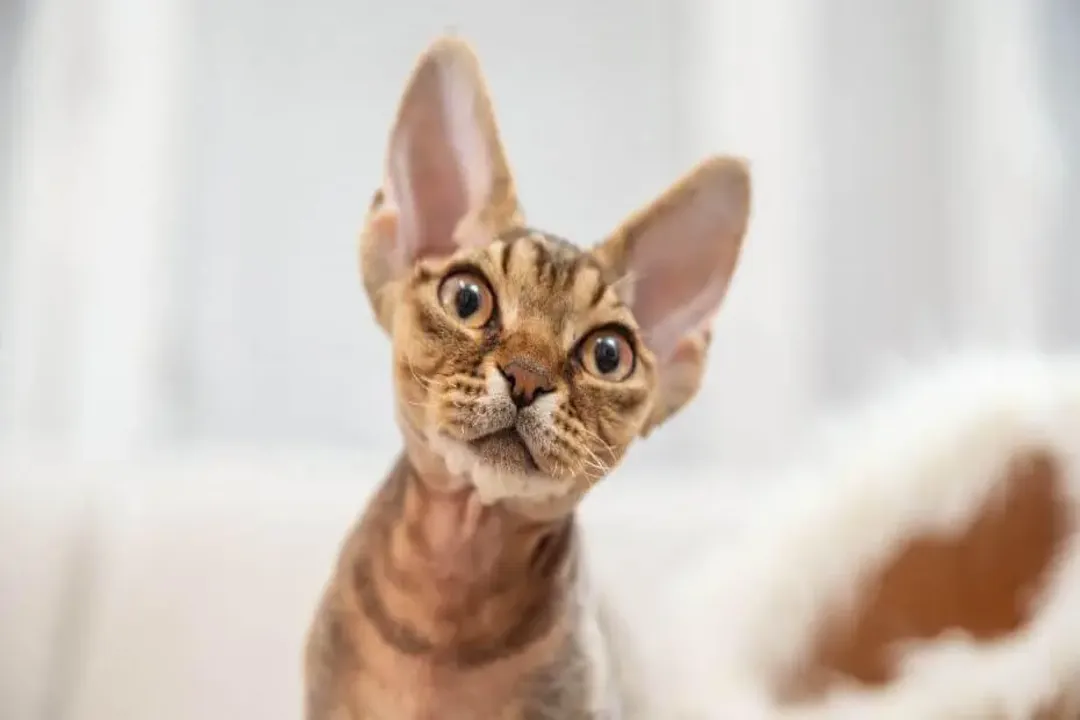
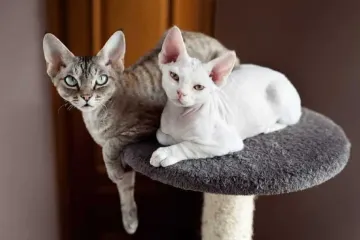
The defining visual elements of the Devon Rex start with its head. It is characteristically wedge-shaped, but its contours are delineated by three distinct convex curves when viewed from the front: the outer edge of the ears, the cheekbones, and the whisker pads. [2] The muzzle is short but well-defined, featuring pronounced whisker pads, and the chin aligns vertically with the nose. [2][5] The eyes are large, wide-set, and oval, sloping slightly toward the outer edges of the ears. [1][2]
The ears are perhaps the most striking feature, described as strikingly large and set quite low on the side of the head, with a very wide base that often extends beyond the line of the head’s wedge shape. [2][3] These features, combined with high cheekbones, contribute significantly to the breed’s overall elfin or pixie expression. [1][2][5]
While their appearance is delicate, their bodies are described as hard, muscular, and athletic, suggesting a cat that is surprisingly robust beneath its soft exterior. [2][3] Legs are long and slim, often resulting in a hind leg that is slightly longer than the front, giving them a distinctive stance. [2] The tail is long, fine, and tapers to a point, covered in the same short fur as the rest of the body. [2]
# Unique Coat
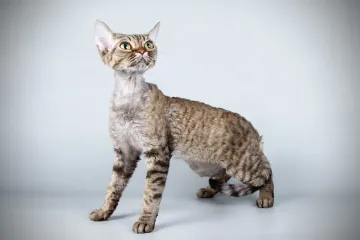
The coat is what gives the breed its name, derived from the Latin word Rex, meaning king, which is also used to describe rabbits with a similar coat type. [5] The Devon Rex coat texture is often compared to suede or velvet. [1][3] Genetically, this is due to a unique mutation that results in a coat lacking the normal outer layer of longer, coarser guard hairs. [2][3]
A key element of the Devon Rex coat is that it comprises three hair types—guard hair, awn hair, and down hair—but the guard hair is short and "rexed," or curly. [5] This structure creates an open wave or ripple effect, most evident where the fur is longest, such as on the body and tail. [1][2] Density can vary, and some individuals may exhibit occasional bare or "sueded" patches, especially in areas they frequently lick. [1][3] This fragility extends to their facial features; their whiskers and eyebrows are also curly and fragile, often breaking off to leave only short stubs. [1][4][5]
Grooming these delicate coats requires a gentle touch. Breeders strongly advise against brushing, as the mechanical action can damage the fragile hair structure and cause it to break off completely. [1][3] Instead, maintaining the coat's texture and spreading natural oils is best accomplished with a gentle rub using the bare hand or wiping with a soft, damp cloth or a chamois leather. [1][3][4] Due to the minimal guard hairs, the skin can sometimes become oily, necessitating occasional baths to prevent buildup. [3] While the breed sheds less than many others, and some sources suggest they produce lower levels of the primary cat allergen, Fel d1, it is critical to understand that no cat is truly hypoallergenic. [3][5]
When considering coat characteristics across the Rex breeds, the difference between the Devon and the Cornish Rex is notable. The Cornish Rex entirely lacks guard hairs, resulting in a tighter, more uniform curl, whereas the Devon Rex retains some sparse, curly guard hairs, resulting in a looser, more rippled wave. [2]
# Color Variety
One benefit of the Devon Rex's outcrossing history during its development is the incredible spectrum of colors and patterns accepted in the standard. [2] Any genetically possible color and pattern is permitted, including solids (like Black, Blue, Cream), various tabby patterns (Mackerel, Classic, Spotted, Ticked), tortoiseshell, calico, and shaded variations. [2] Eye color is also highly varied, acceptable in amber, aqua, blue, copper, green, gold, hazel, or even odd-eyed. [1]
# Clown Nature
The Devon Rex's temperament is often described using adjectives like mischievous, curious, lively, and incorrigibly playful. [4][5] They are exceedingly social and bond deeply with their humans, often intensely disliking being left alone for long stretches. [2] This need for companionship means they thrive in busy homes where they can be involved in nearly every activity, whether it’s supervising cooking or joining a shower. [3][4] They follow their owners everywhere and are known to respond when spoken to, sometimes even meowing back for attention when they feel ignored. [2][3]
Their energy levels are high, particularly when young, earning them the nickname of "little clown" due to their amusing antics. [1][2] They are agile climbers and jumpers, meaning they will seek out high perches, sometimes even draping themselves along curtain rails or the tops of doors. [3][4] This intelligence also means they benefit greatly from mental stimulation and can often be trained to do simple tricks or play games like fetch. [3][4] While generally talkative, their vocalizations are typically soft, consisting of chirps, trills, and contented purrs, rather than loud meows. [1][4] They usually adapt well to other household pets, including dogs, and are generally tolerant of children, provided their need for involvement is respected. [2][3]
# Daily Needs
Caring for a Devon Rex is straightforward in terms of routine maintenance but requires a higher level of environmental consideration due to their unique physical traits. [3] Their lifestyle should primarily be kept indoors to protect them from theft—a risk due to their striking appearance—as well as from predators, traffic, and disease. [3]
Because their thin, short coat provides poor insulation, temperature sensitivity is a significant factor. [4][5] They require access to warmth, often seeking out sunbeams or burrowing under blankets or close to their owners for heat, especially during colder months. [1][5] To manage their high energy and curiosity safely indoors, vertical space is essential. Providing tall cat trees, wall-mounted walkways, and various perches allows them to satisfy their natural inclination to survey their domain from above. [3][4]
Their appetite is robust, and they have a reputation for being food enthusiasts, sometimes enjoying fruits and vegetables alongside their meat-based diet. [1][4] Consequently, owners must be diligent with portion control to prevent obesity, feeding measured meals twice daily for adults. [1][3] Furthermore, their ear structure necessitates specific care. Some individuals can develop excessive earwax, requiring regular, gentle cleaning to prevent potential infections. [3][4] Keeping their environment rich with interactive toys, such as puzzle feeders, helps channel their high intelligence and activity when direct human interaction isn't immediately available. [3]
# Health Watch
Generally, the Devon Rex is considered a healthy breed, boasting an average lifespan that is typically quoted between 9 and 15 years, though some sources note it can extend to 17 years or more. [3][4][5] Responsible breeders should provide genetic testing results for prospective owners, as several hereditary conditions affect the breed pool. [2]
Key health concerns to be aware of include:
- Hypertrophic Cardiomyopathy (HCM): This common feline heart disease involves the thickening of the heart muscle and can sometimes be screened for in breeding stock via echocardiograms. [1][3]
- Polycystic Kidney Disease (PKD): This inherited condition leads to kidney cysts and eventual failure. While the risk is noted as lower in Devons compared to other predisposed breeds, genetic testing is available. [3][4]
- Devon Rex Myopathy: This is a specific muscle disorder that can manifest in the first six months of life, sometimes causing severe weakness or inability to support the head, potentially leading to choking. [3][4] Genetic testing for this is crucial for breeders. [2][4]
- Skeletal Issues: Hip Dysplasia (malformation of the hip joint) and Luxating Patella (slipping kneecap) are occasionally noted issues. [1]
A unique risk factor for the breed, which affects breeding programs, is the prevalence of the Type B blood allele. [2] If a Type B female mates with a Type A male, the mother can develop antibodies that attack the Type A kittens via nursing, resulting in a form of fading kitten syndrome that requires immediate, intensive hand-raising efforts to save the litter. [3][5]
One area where owners may observe a slight difference in care compared to other breeds is maintenance around the home environment. Because they are so hands-on and social, they are prone to following food preparation, which can lead to dropped morsels or counter surfing. [5] An unusual, but practical, consideration for keeping a Devon clean, particularly those with very sparse coats, is that they may occasionally try to "help" clean themselves by trying to groom areas like the base of their ears, which is usually an area where human intervention (gentle cleaning) is required for hygiene. [3] Their inherent desire to be everywhere means that owners should be prepared for a highly involved, if slightly chaotic, household companion who sees the whole home, including every countertop and shelf, as their personal playground. [4]
Related Questions
#Citations
Devon Rex: Cat Breed Profile, Characteristics & Care
Devon Rex - The Cat Fanciers' Association
Devon Rex Cat Breed Information | Purina UK
Devon Rex Cat Breed: Characteristics and Personality - WebMD
Devon Rex Cat Breed - Hill's Pet Nutrition