What is an Entlebucher Mountain Dog?
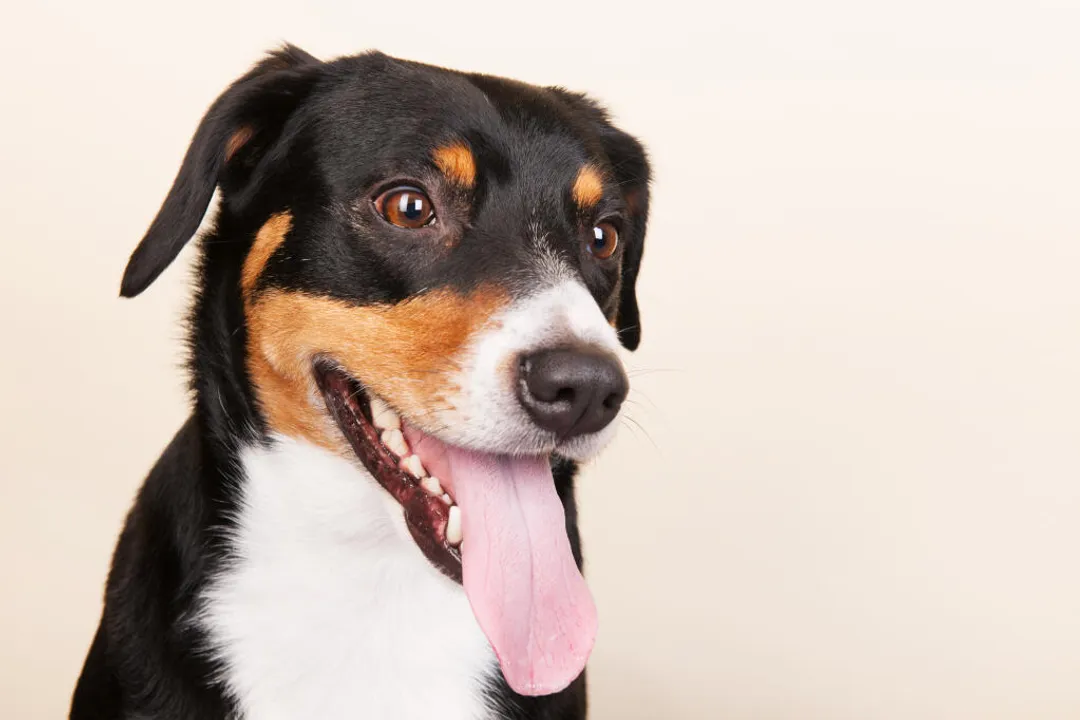
The Entlebucher Mountain Dog, often celebrated as the smallest of the four Swiss Sennenhund breeds, is a compact powerhouse hailing from the mountainous regions of Switzerland. Known affectionately as the "Laughing Dog of the Swiss Alps" due to its cheerful demeanor, this breed carries a deep history rooted in farm utility, specifically driving cattle. Unlike its larger relatives, such as the Bernese Mountain Dog, the Entlebucher possesses an intensity bred for working long hours across rugged terrain, making it an alert, devoted, and exceptionally intelligent companion for the right household. They were historically instrumental in moving livestock, a job that required stamina, quick decision-making, and a strong voice, traits that remain prominently featured in the modern companion dog.
# Alpine Heritage
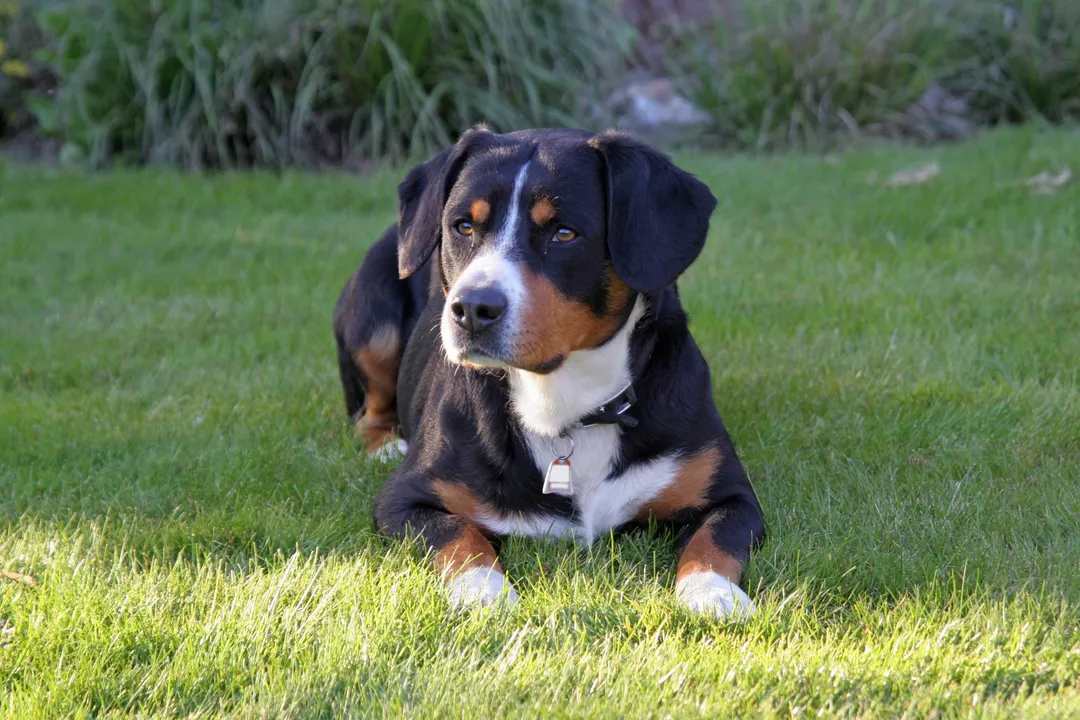
The history of the Entlebucher is intrinsically tied to the Entlebuch valley in the canton of Lucerne, where this breed was developed. It stands alongside the Bernese Mountain Dog, Greater Swiss Mountain Dog, and Appenzeller Sennenhund as one of the four recognized Swiss herding dogs. While the larger Sennenhunds often handled draft work or guarding, the Entlebucher specialized in herding cattle. They are built for endurance and agility, acting as drovers who would move herds from pasture to market. This intensive, demanding historical role is the key to understanding the modern dog; they were bred to be highly active workers, not ornamental lap dogs.
It is interesting to note the difference in size-to-energy ratio when comparing the Entlebucher to its cousins. While many might look at a medium-sized, sturdy dog and assume moderate exercise will suffice—a common mistake owners make when transitioning from a Bernese Mountain Dog, for example—the Entlebucher’s lineage demands far more vigorous activity. Their compact frame hides a phenomenal engine, developed to keep pace with a moving herd all day long. Expecting less energy simply because they don't reach the stature of the Greater Swiss is a recipe for boredom and potential misbehavior. This energetic requirement stems directly from their century-long selection for utility over mere aesthetics.
# Physical Blueprint
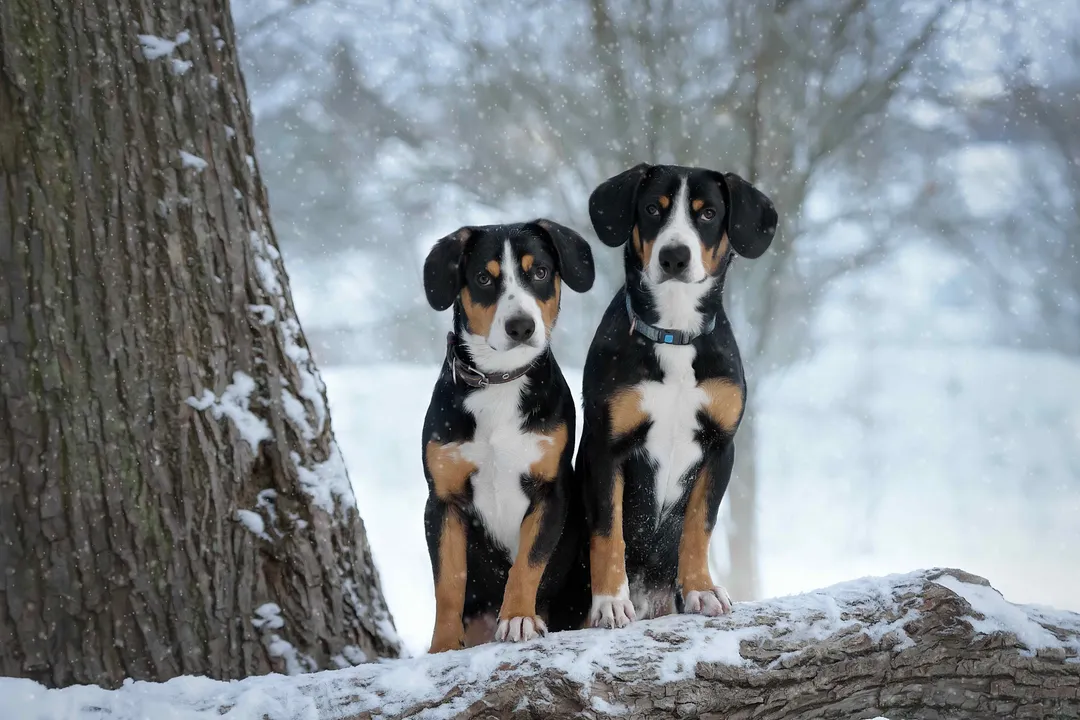
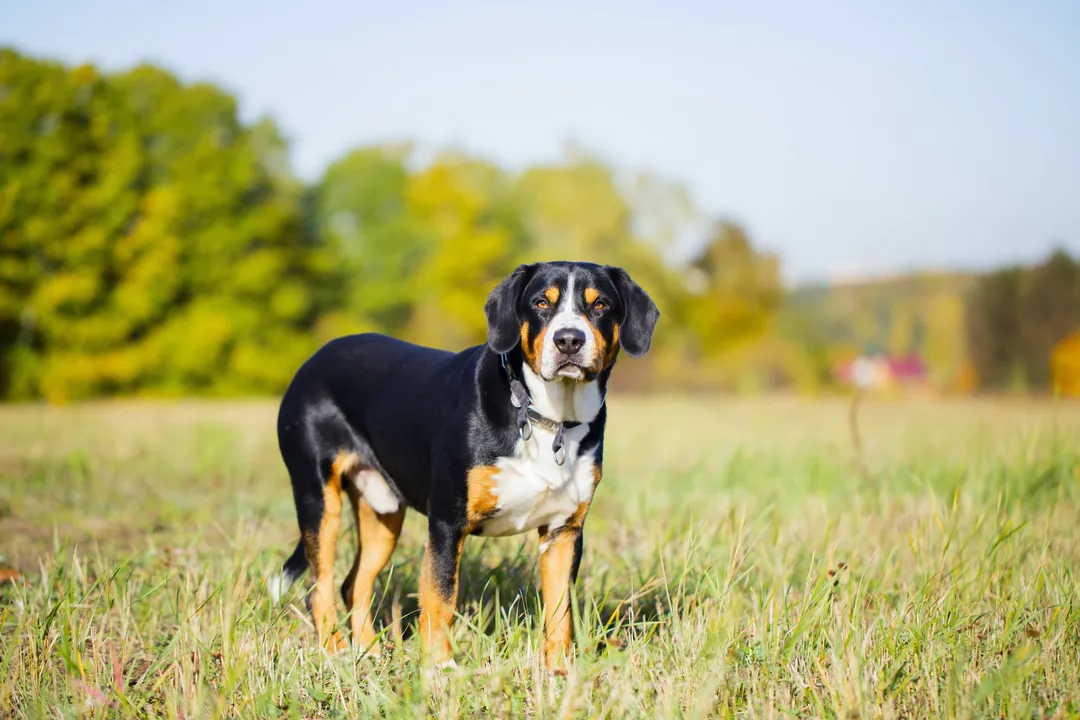
Physically, the Entlebucher Mountain Dog is a sturdy, well-muscled, and compact individual. They are the smallest of the Swiss mountain breeds, generally standing between 18 and 20 inches at the shoulder for males, with females slightly smaller. Their weight typically falls in the 45- to 65-pound range, putting them in a similar size category to many Border Collies, though they carry themselves with a stockier, more powerful bearing.
The coat is short, dense, and lies flat against the body, presenting a shiny appearance. The color is virtually always tricolor: a rich black or reddish-brown base with rust or tan markings, complemented by crisp white markings—often on the chest, feet, or a blaze on the face. These markings are distinctive and essential to breed identification. Their heads are broad, with expressive dark brown eyes that convey intelligence and alertness. Ears are characteristically triangular, relatively small, and set high, falling close to the cheeks. In the United States, tail docking was historically practiced, though many breeders now favor the natural tail, which can be long or naturally short (a bobtail is common in the breed).
The structure is balanced, giving the impression of a dog capable of quick bursts of speed and sustained effort. They are built for work, not refinement, possessing powerful legs and a solid bone structure that supports their athletic frame. This robust build means they are quite durable, though owners must still be mindful of rapid growth during puppyhood to protect developing joints.

# Mindset and Personality
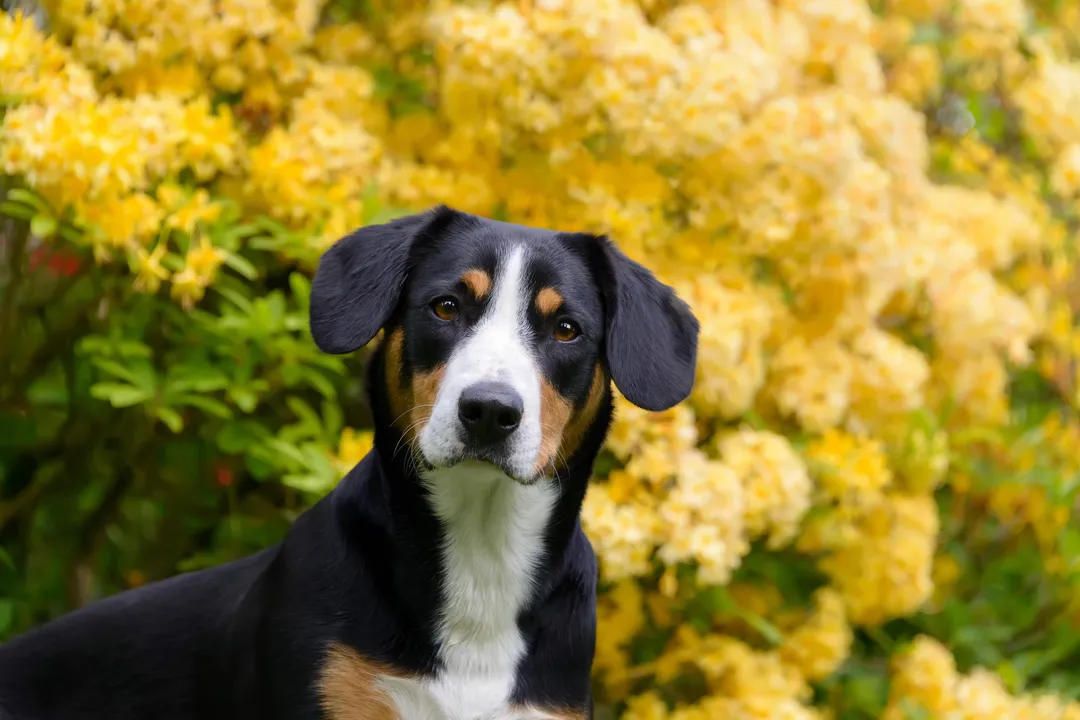
The temperament of the Entlebucher is complex, combining unwavering loyalty with a strong sense of self-reliance inherited from their independent herding past. They are famously devoted to their families, often displaying an affectionate and even playful nature once they are settled. This devotion often translates into an exceptional watchdog capability. They are keenly aware of their surroundings and will not hesitate to alert their owners to unusual activity, making them excellent deterrents.
However, this alertness can easily tip over into excessive barking if not managed early. Furthermore, like many true herding breeds, they can be reserved or somewhat aloof toward strangers. Early, positive socialization is not just recommended; it is absolutely necessary to ensure they mature into well-adjusted adults who view newcomers as interesting rather than suspicious. Without proper introduction, their instinct to guard their territory and people can become overzealous.
Intelligence is a hallmark of the breed, meaning they learn quickly, sometimes too quickly for novice owners. This high intelligence demands consistent mental stimulation alongside physical activity. An Entlebucher that is physically tired but mentally unchallenged will frequently invent its own games, which often involve redecorating the house or perfecting the art of chewing through crates. They thrive when given a "job"—a task to focus their considerable mental energy on.
# Daily Management Needs
Caring for an Entlebucher Mountain Dog requires a commitment to activity and structure. They are not suited for apartment living unless the owner is meticulously dedicated to providing multiple, long, and varied outings every day.
# Exercise Regimen
The need for vigorous daily exercise cannot be overstated. This isn't a breed that will be satisfied with a quick walk around the block. They need opportunities to run, explore, and use their agility. Activities that mimic their herding instincts are ideal. While not everyone has cattle, channeling that energy works well through structured training like agility courses, advanced obedience work, or even controlled flirt pole sessions that allow them to chase and capture.
A practical tip for owners in suburban or urban settings is to substitute traditional herding with structured scent work. Because their drive is rooted in using their nose and body to control movement, controlled tracking or searching games where the dog has to use its mind to find a hidden item is an excellent way to burn off significant mental energy without requiring acres of land. Aim for at least an hour or more of solid activity daily, broken into distinct sessions.
# Training Structure
Training must begin the moment the puppy steps into the house. They are sensitive dogs, but they are also strong-willed and quick to test boundaries. Consistency is non-negotiable. An owner who wavers or lets rules slide will quickly find the dog taking charge. Positive reinforcement methods work best, rewarding desired behaviors heavily, but the training must be firm enough to respect the breed’s independent nature. Because they are eager to please their chosen person, clear communication prevents frustration for both dog and owner. Furthermore, due to their reserved nature with strangers, exposure work—introducing them positively to many different sights, sounds, people, and other calm animals—is crucial before the sensitive socialization window closes.
# Grooming Basics
Fortunately, the grooming requirements are relatively straightforward compared to many other breeds. Their short, dense coat sheds moderately year-round and more heavily during seasonal blows. Regular brushing, perhaps a few times a week, is sufficient to manage loose hair and keep the coat healthy. Bathing is only necessary when they are genuinely dirty. Owners should also maintain routine checks of their ears, trimming nails, and keeping up with dental hygiene, standard practice for any breed.
# Health Considerations
The average lifespan for a well-cared-for Entlebucher Mountain Dog is generally cited as 12 to 14 years. While generally a hardy breed developed for farm life, there are specific health concerns that prospective owners should investigate with breeders.
Hip and elbow dysplasia, issues common in many active, medium-to-large breeds, can affect the Entlebucher. Responsible breeding practices involve screening parents for these orthopedic issues. Owners should also be aware of potential eye problems that can occur within the breed. Finally, due to their deep chest conformation, like many other fast-growing, deep-chested breeds, they carry a risk of Gastric Dilatation-Volvulus, commonly known as bloat, a life-threatening emergency. Understanding the signs of bloat and having an emergency veterinary plan in place is a vital part of responsible Entlebucher ownership, especially if they eat large meals quickly or engage in heavy exercise immediately after eating.
# The Ideal Home Setting
Considering their heritage and energy levels, finding the correct environment and owner match is paramount for the Entlebucher Mountain Dog’s well-being. This is not a breed to be purchased on a whim because of their attractive coloring or moderate size. They thrive best in homes where at least one person is frequently around, as they bond so tightly with their primary family unit.
Their high energy and herding instinct mean they are often happiest in a securely fenced home with access to a yard where they can observe their domain, but more importantly, where they can work. A sedentary household seeking a calm companion will likely find the Entlebucher to be constantly seeking entertainment or attempting to "herd" children or guests using gentle nips or focused stares. For an experienced dog owner who enjoys outdoor activities, dog sports, or hands-on training, the Entlebucher offers an unparalleled level of intelligent companionship and enthusiasm. They bring the spirit of the Swiss Alps into the home, requiring a partnership built on clear leadership, mutual respect, and an agreement to keep moving.
#Videos
Dog Breed Video: Entlebucher Mountain Dog - YouTube
Related Questions
#Citations
Entlebucher Mountain Dog - Wikipedia
Entlebucher Mountain Dog - American Kennel Club
Entlebucher Mountain Dog Breed Health and Care - PetMD
Entlebucher Mountain Dog - The Westminster Kennel Club
Dog Breed Video: Entlebucher Mountain Dog - YouTube
Entlebucher Mountain Dog - Breeds - Omlet
The Entlebucher Mountain Dog, tricolor “Laughing Dog” of the Swiss ...
The Straight Scoop on Entlebuchers - Dyberry Creek Farm LLC
Entlebucher Mountain Dog | Breeds A to Z - The Kennel Club
Entlebucher Mountain Dog | VCA Animal Hospitals