What is the temperament of a Tatra shepherd dog?
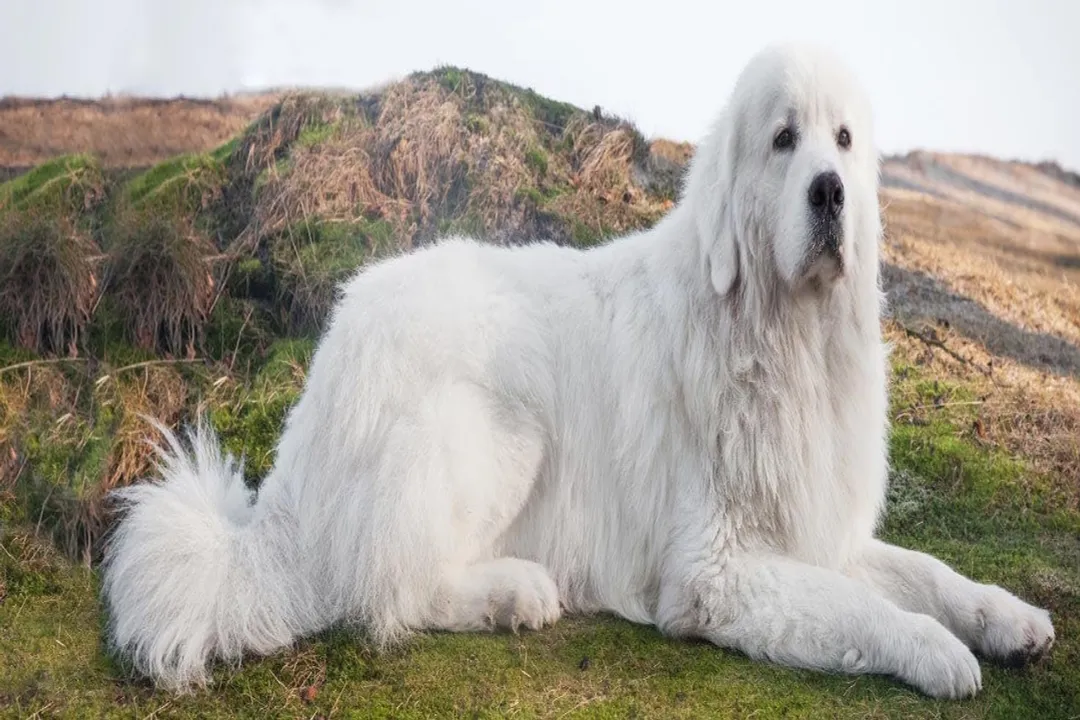
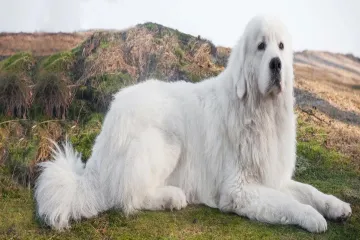
The temperament of the Tatra Shepherd Dog, also known as the Owczarek Podhalański, is deeply rooted in its centuries-long role as a guardian of livestock in the harsh mountain environments of Poland. Understanding this nature is essential for anyone considering bringing this majestic breed into their home. They are generally characterized as calm, dignified, and deeply devoted to their families. This inherent loyalty means they form powerful bonds with their human companions, often viewing the household as their flock to protect. While they are gentle and patient with their own family members, including children, their demeanor shifts significantly when encountering unfamiliar people or situations.
# Guard Nature
The instinct to guard is perhaps the most defining characteristic of the Tatra Shepherd Dog’s personality. Bred for generations to protect sheep from large predators such as wolves and bears in the Tatra Mountains, they possess a deep, unwavering sense of responsibility for their charges. This translates directly into their role as a family guardian; they are watchful and will naturally position themselves between their family and perceived threats. This protectiveness does not typically manifest as mindless aggression, however. Sources suggest they are not prone to unnecessary displays of hostility unless they sense a genuine threat or their family is in danger. Instead, their guardianship is characterized by measured assessment and imposing presence. They are often described as reserved or wary when meeting strangers. This isn't shyness, but rather an assessment phase; they need time to determine if a newcomer is friend or foe. For potential owners, realizing that this wariness is bred into the dog helps set realistic expectations for introductions and public interactions. A well-socialized Tatra will eventually accept approved guests, but they rarely become overly familiar or effusive with outsiders, preferring a dignified distance.
# Family Bonds
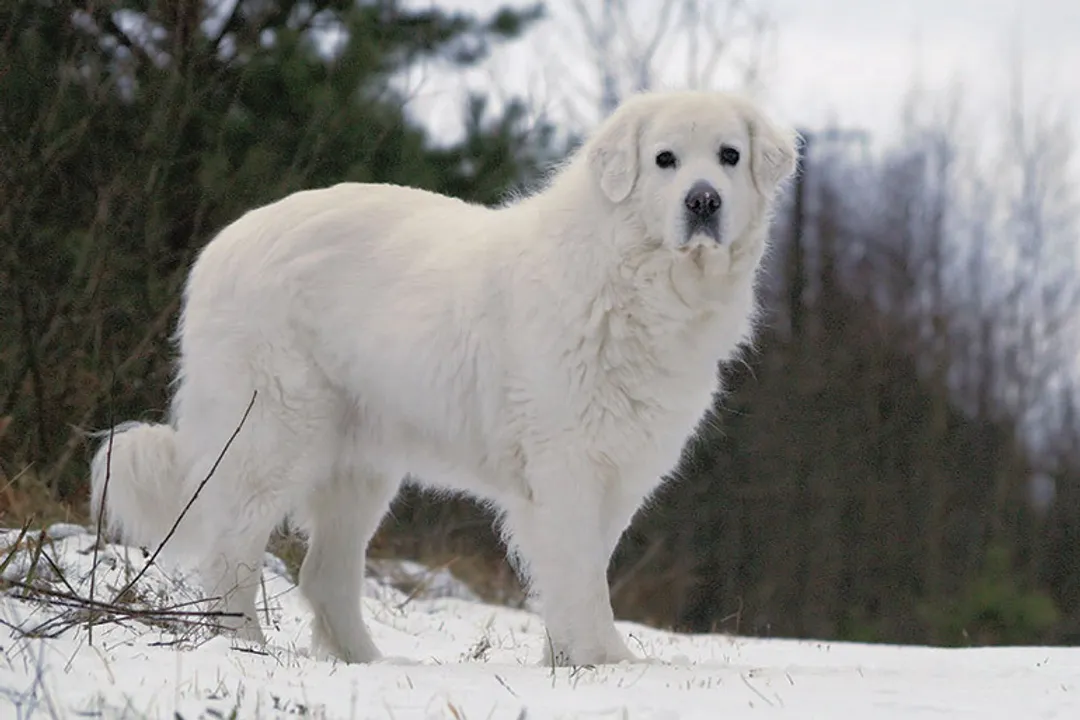
The bond a Tatra Shepherd forms with its primary family is often described as profound and unbreakable. They thrive when they are an integrated part of the family unit, rather than being relegated to an outdoor-only existence, though they certainly require secure outdoor space. Their affection toward their own people is usually expressed through quiet companionship and an ever-present awareness of their location. When they are around the children of the household, they are generally tolerant and protective, reflecting the gentle but firm nature required to manage a flock.
However, this intense devotion can lead to separation anxiety if the dog is left alone for long periods without sufficient mental stimulation or companionship. They are not a breed built for isolation. When owners live in environments where they are frequently absent, the dog may develop destructive behaviors or excessive vigilance rooted in loneliness and the perceived need to take over the guarding duties solo. An interesting observation when managing this breed's desire to be near its people is how this manifests in different living situations. For example, in a spacious rural home where the owner moves between several large rooms, the dog will dutifully follow, not out of neediness, but to maintain visual and auditory contact with its 'flock'—a low-energy patrol that signals attentiveness. Contrast this with a smaller urban apartment, where the dog might settle more easily in one spot, provided they can still hear and sense the family's presence, showing an adaptability in how they bond, even if the need to bond remains absolute.
# Mental Attributes
Intelligence in the Tatra Shepherd is undeniable, yet it is paired with a notable streak of independence. They were required to make life-or-death decisions independently while miles away from their shepherd, suggesting a highly developed problem-solving capability. This intelligence does not always translate into immediate obedience in the way a more biddable breed might display. They are thinkers, which can easily be misinterpreted by a novice owner as stubbornness.
Training requires patience, consistency, and, most importantly, establishing yourself as a trustworthy and fair leader rather than a drill sergeant. Harsh methods are counterproductive with this breed, as they tend to shut down or retreat when faced with unnecessary confrontation. They respond best to positive reinforcement and clear, calm direction. If you are seeking a dog that lives to please you with every command, the Tatra might present a challenge. If you respect a partnership built on mutual understanding and clear boundaries, they are highly capable students.
# Socialization Demands
The potential for aloofness toward strangers underscores the critical need for early and extensive socialization. Because their instinct is to be naturally reserved with the unfamiliar, owners must actively expose the puppy to a wide variety of sights, sounds, people, and environments during its formative months. This should be done positively, ensuring that every new experience is associated with calm reassurance from the owner, thereby reinforcing the dog’s trust in the owner’s judgment over its own initial caution.
This socialization window is non-negotiable for a well-adjusted adult Tatra. A lack of proper exposure can result in an adult dog that is overly protective, potentially reacting defensively to common, everyday occurrences that a socialized dog would ignore. Furthermore, this extends to other animals. While they often coexist peacefully with other pets they are raised with—especially if they view them as part of the "flock"— introductions to strange dogs in public spaces must be managed carefully due to their guarding temperament.
# Exercise Needs
While they are powerful working dogs bred for rugged terrain, the exercise requirements for the modern Tatra Shepherd in a domestic setting are often described as moderate. They are not hyperactive dogs needing hours of running daily, but they absolutely require consistent activity and mental engagement. A simple fenced yard, while necessary for their guarding duties, is not sufficient exercise on its own if they are left to wander aimlessly.
They need activities that engage their minds as much as their bodies. This could involve structured walks, training sessions focused on complex commands, or, ideally, giving them a specific "job" to perform, even if it’s light duty. An owner who enjoys activities like hiking or long, purposeful walks will find a suitable companion in the Tatra, provided the dog is allowed to work alongside them, assessing the environment rather than simply jogging beside them. A key element often overlooked is the need for mental occupation; a bored Tatra, even if physically exercised, can become emotionally restless, leading to the aforementioned vigilance or mild destructive habits stemming from an underutilized working mind. This breed excels when given a purpose that utilizes their natural vigilance in a constructive way, such as serving as a dedicated yard or property watch in a safe, contained area, assuming all necessary safety protocols for strangers are rigorously followed.
# Suitability Assessment
Considering the traits discussed—deep loyalty, powerful protective instincts, independence, and high intelligence paired with wariness—the Tatra Shepherd Dog is not the best fit for every household. They thrive best with owners who have experience managing large, confident working breeds. Novice owners may struggle to provide the firm, consistent leadership necessary to channel their guarding instincts appropriately.
A crucial point for prospective owners to consider is the commitment to their environment. While their exercise needs are moderate, their need for space and a secure perimeter is high. If an owner lives in a high-density area where daily off-leash reliability in busy public parks is a primary goal, the Tatra’s reserved nature toward strangers might make achieving that goal difficult and potentially unsafe without exceptional, ongoing management. They are dogs whose temperament is best served when their environment allows them to fulfill their natural guarding roles under human supervision, making rural or semi-rural homes often more compatible with their psychological well-being than very urban settings. Their calm nature indoors, provided they have been properly exercised and mentally satisfied, makes them wonderful housemates, but only once their foundational needs as a guardian have been met.
Related Questions
#Citations
Polish Tatra Sheepdog Facts - Wisdom Panel™ Dog Breeds
Tatra Shepherd Dog Breeds
Polish Tatra Sheepdog | Dog Breed Facts and Information - Wag!
All about Tatra Shepherd Dog breed - Animalia
Polish Tatra Information/History - Little Flower Lambs
Polish Tatra Sheepdog | Information, Temperament and Images
Tatra Facts - Polish Tatra Sheepdogs
Breed Standards : Owczarek Podhalanski | United Kennel Club (UKC)
Tatra Shepherd Dog — Dog breed profile - ChooseDog.info