What is the life expectancy of a Tatra shepherd dog?
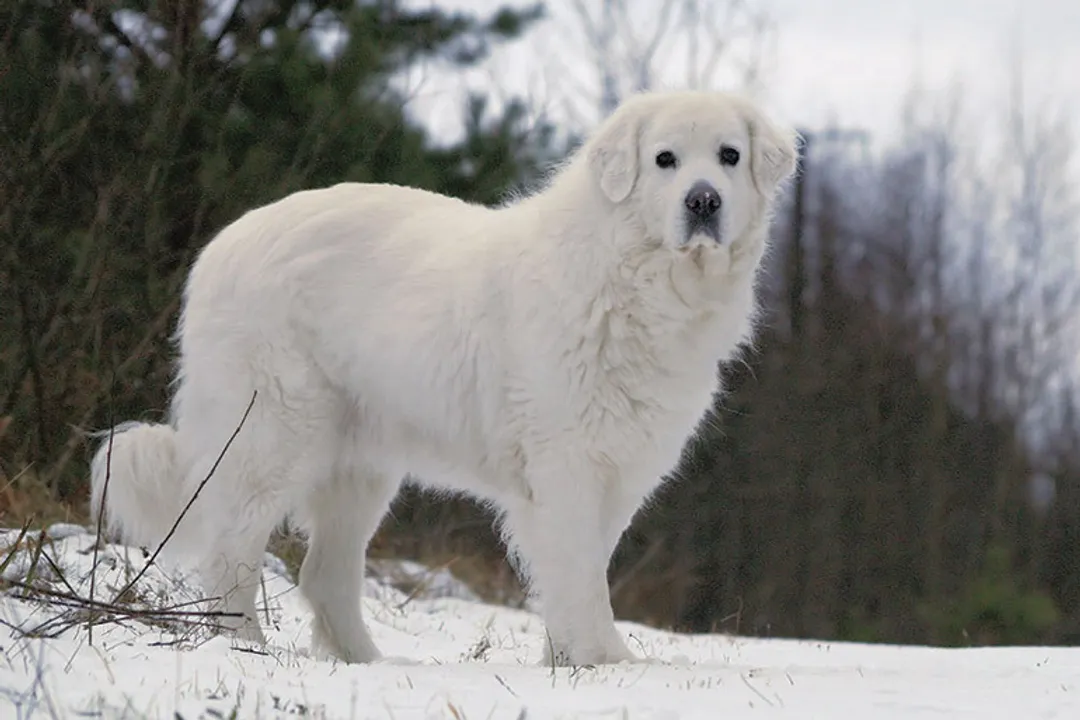
The Tatra Shepherd Dog, a majestic guardian breed hailing from the Carpathian Mountains, possesses a life expectancy that aligns closely with other large, noble working dogs. Understanding the typical span a companion like this can be expected to live is one of the first considerations for any prospective or current owner, though it's rarely a precise number. Generally, the projected lifespan for a well-cared-for Tatra Shepherd falls within the range of 10 to 13 years. This average is consistent with many large livestock guardian breeds, whose impressive stature often means a slightly shorter lifespan compared to their smaller counterparts.
This projection, however, is just a starting point. Like any breed, the actual years a specific Tatra Shepherd enjoys are influenced by a complex interaction of genetics, daily care, environment, and preventive veterinary attention. A dog living a privileged life, free from significant hereditary burdens and maintained with excellent nutrition, might comfortably exceed the 13-year mark, potentially reaching 14 or even 15 years, although this requires dedication from the owner. Conversely, dogs facing chronic health issues or inadequate management might see their years truncated.
# Expected Years
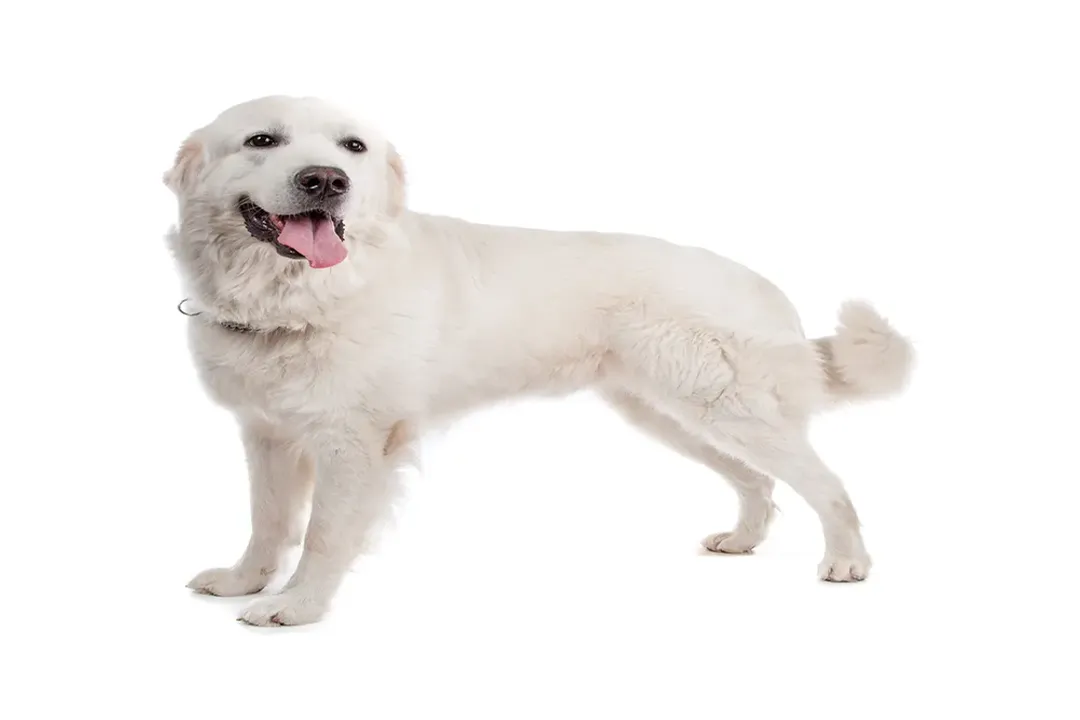
For those comparing the Tatra Shepherd Dog to other breeds, understanding where its lifespan sits within the broader canine spectrum is helpful. At 10 to 13 years, they are not among the longest-lived breeds, such as smaller terriers or toy breeds, but they generally outlive some of the giant breeds, like Great Danes or Mastiffs, which often top out around 8 or 9 years. This middle-to-upper range for a large breed suggests a fairly sturdy constitution, typical of working dogs bred for endurance and resilience in harsh environments.
If you encounter conflicting data points, sometimes life expectancy is cited narrowly, perhaps as "10 to 12 years". When these slight variations occur across different registries or breed clubs, it often reflects the specific population studied or a slight skew towards the average rather than the upper end of possibility. The key takeaway remains that owners should plan for a decade or more with their loyal companion. The sheer physical presence of the Tatra Shepherd—a powerful, large dog—necessitates a management style that supports its frame throughout its entire life to ensure it reaches that upper threshold of 13 years or more.
# Longevity Factors
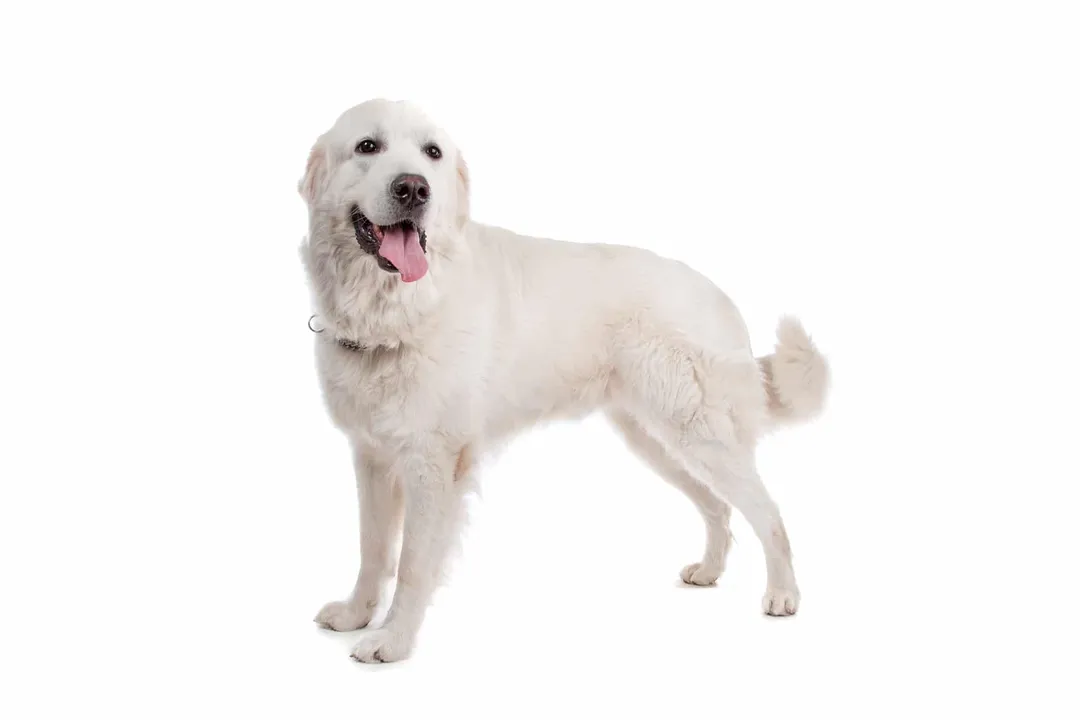
Several distinct elements contribute to whether a specific Tatra Shepherd lands at the lower end (10 years) or the higher end (13+ years) of its potential lifespan. Genetics form the foundation, but environmental and lifestyle choices are the active shaping forces.
# Genetic Predisposition
As a relatively ancient breed, the Tatra Shepherd Dog has historically been valued for its working ability and sound temperament, which indirectly favored longevity in its lineage. Reputable breeding programs prioritize health testing, which helps screen out severe hereditary conditions known to shorten life significantly. While no breed is entirely free from genetic vulnerabilities, choosing a puppy from breeders who conduct thorough health clearances for common issues in large breeds provides the best initial advantage.
# Weight Management
Perhaps the single most critical modifiable factor for any large breed is maintaining a healthy weight. The Tatra Shepherd Dog is powerful and naturally muscular. Carrying even a few extra pounds puts immense, chronic strain on the joints, the heart, and the overall cardiovascular system. A dog struggling with obesity is significantly more likely to develop mobility issues, which, in turn, reduce overall activity and quality of life, often leading to a shorter lifespan. This dog's thick, white coat can sometimes mask subtle weight gain, requiring owners to rely on feeling for the ribcage rather than just looking at the dog’s outline.
# Exercise Profile
The breed was developed to herd and guard sheep in the Polish mountains, requiring long days of patrolling and independent decision-making. This history suggests a need for consistent, moderate exercise, not necessarily high-intensity bursts. A crucial insight here is recognizing that the Tatra Shepherd’s needs are often better met by purposeful activity over sheer distance. Rather than simply letting them run free in a large yard (which they will do), integrating activities that engage their guarding instincts—like structured perimeter checks or supervised outdoor tasks—provides superior mental stimulation. This cognitive engagement is strongly linked to lower stress levels and better overall health outcomes as the dog ages.
# Quality Care
Routine, high-quality veterinary care is non-negotiable for hitting the upper end of the life expectancy range. This includes annual check-ups, necessary vaccinations, and proactive parasite control. Furthermore, preventative dental care, often overlooked in large breeds, is surprisingly important. Severe periodontal disease can introduce bacteria into the bloodstream, potentially affecting the heart and kidneys, thereby acting as an insidious, slow-moving factor that erodes lifespan potential.
# Health Risks

While the Tatra Shepherd is generally a hardy breed, awareness of breed-specific health challenges allows for early intervention, which is paramount in preserving years of life. The dog’s large size predisposes them to certain orthopedic conditions.
# Joint Concerns
Like many large breeds, the Tatra Shepherd is susceptible to hip and elbow dysplasia. This is a malformation of the joint that can lead to arthritis, pain, and reduced mobility later in life. While responsible breeding reduces the incidence, owners must be vigilant about recognizing early signs of stiffness or reluctance to exercise, especially as the dog moves past middle age (around 7 or 8 years old). Early diagnosis allows for dietary management and veterinary intervention that can significantly slow the progression of debilitating joint disease.
# Bloat Risk
A serious and immediate threat to a large, deep-chested breed like the Tatra Shepherd is Gastric Dilatation-Volvulus (GDV), commonly known as bloat. This life-threatening condition occurs when the stomach fills with gas and twists upon itself. It requires emergency surgery and can be fatal within hours if not treated immediately. Owners should be educated on the signs—restlessness, unproductive retching, a swollen abdomen—and know where the nearest 24-hour emergency vet is located. A proactive measure some owners of deep-chested breeds take, especially if there is a strong family history of bloat, is a prophylactic gastropexy procedure performed during spaying or neutering, which tacks the stomach to the body wall, preventing the dangerous twisting motion.
# Skin and Coat Issues
Their dense, weather-resistant white coat requires regular attention, and while often beautiful, it can harbor moisture, potentially leading to hot spots or skin infections if not thoroughly dried after bathing or heavy rain. While not typically a direct life-shortening condition, chronic, recurring skin infections cause significant discomfort, decrease the dog's quality of life, and can sometimes be a symptom of underlying immune or allergic issues that require deeper investigation.
# Maximizing Years
Ensuring the Tatra Shepherd Dog thrives for its maximum potential requires a consistent, breed-appropriate approach to care that respects its heritage as a powerful guardian. Merely meeting basic needs is often insufficient for these intelligent, working animals.
# Nutrition Strategy
Selecting a high-quality diet formulated for large or giant breed dogs is essential throughout all life stages. During the rapid growth phase of puppyhood (up to 18-24 months), precise calorie and mineral control is vital to prevent the dog from growing too fast, which exacerbates the risk of skeletal issues like dysplasia. As adults, the focus shifts to maintaining lean muscle mass without excess fat, as noted above. A practical consideration for owners is the transition to senior nutrition. Because of their large frame, many owners wait until the dog is visibly slowing down (perhaps age 9 or 10) to switch to senior food. However, given the potential strain on joints, transitioning to a formula that emphasizes joint supplements like glucosamine and chondroitin a bit earlier, perhaps around age 7, can be a beneficial, proactive measure to support cartilage health well before severe symptoms appear.
# Mental Engagement Routines
The Tatra Shepherd is known for its intelligence and independent nature, requiring more than just physical activity to remain content and healthy. An often-underestimated factor in longevity is mental fatigue. A bored, anxious, or under-stimulated guardian dog can develop stress-related behaviors that detract from its well-being. To combat this, establish a consistent "work" schedule. This doesn't mean complex tricks, but rather involving the dog in its environment. For example, make the dog a participant in your daily routines. If you are gardening, have the dog "supervise" a designated, safe area. If you are taking a walk, work on loose-leash etiquette for the entire duration. This continuous, low-level mental demand keeps the brain sharp, which supports overall health later in life.
# Environmental Safety
Because they are naturally protective and sometimes wary of strangers, minimizing exposure to preventable dangers is part of extending their life. Ensuring secure fencing is paramount, not just to keep the dog in—preventing accidental escapes that could lead to traffic accidents—but also to manage interactions with unknown visitors. Furthermore, being aware that many Tatras are sensitive to extreme heat due to their thick coats, owners must provide ample, cool shade and fresh water, especially during summer months, to prevent heat exhaustion, a serious condition that can affect any large dog.
Ultimately, the 10-to-13-year guideline for the Tatra Shepherd Dog represents a strong average for a large working breed. By respecting their genetic predisposition for size-related orthopedic issues, prioritizing lean body weight throughout their lives, and actively engaging their formidable minds with purpose-driven routines, owners provide the best possible foundation for their magnificent companion to enjoy a long, healthy life by their side.
Related Questions
#Citations
Tatra Shepherd Dog | Royal Canin US
All about Tatra Shepherd Dog breed - Animalia
Tatra Shepherd Dog Breeds
Tatra Shepherd - Dog breed genetic test - Koko Genetics
Differences between Polish Tatra Shepherd and Maremma ...
The Purebred Polish Tatra Sheepdog - Dog Breed Info
Tatra Shepherd Dog - Wamiz
Tatra Shepherd Dog (character, nutrition, care) - Hundeo
Polish Tatra Sheepdog Breed Information & Insights | Basepaws