Are Bergamascos intelligent dogs?
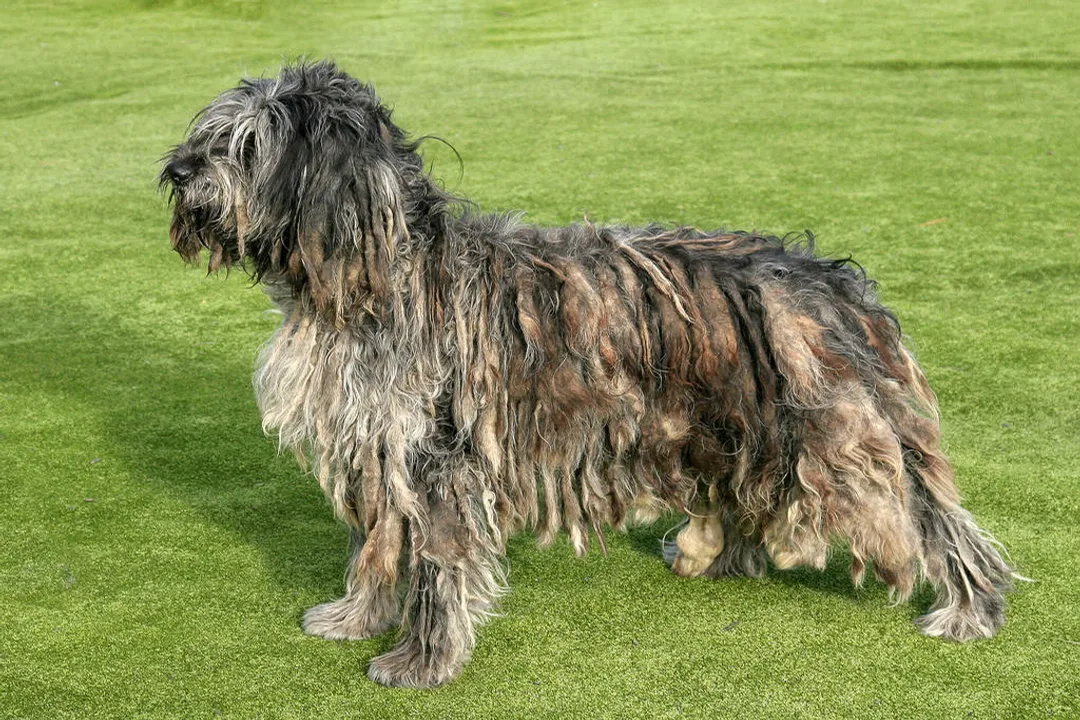
The Bergamasco Sheepdog possesses an intelligence profile shaped deeply by its centuries-old role as a guardian and herder in the Italian Alps. They are consistently noted as being intelligent dogs, yet this high level of cognition comes bundled with a distinct need for self-direction, which is a crucial point for prospective owners to grasp. [2][4][7][8][9] They were developed not merely to follow commands but to observe a flock, make independent judgments about potential threats, and manage livestock over vast, often solitary, territories. [9] This ancestry means their intelligence often manifests as problem-solving and observational acuity rather than simple rote obedience. [7][9]
# Working Mindset
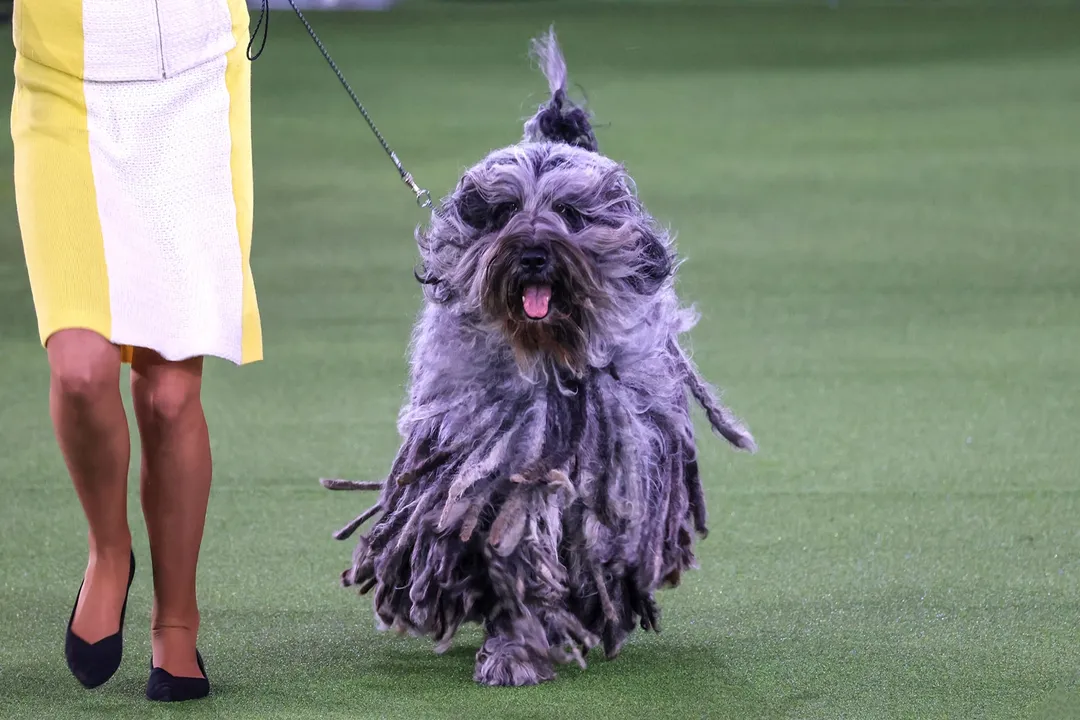
When discussing the brightness of the Bergamasco, it is helpful to separate innate intelligence from simple eagerness to comply. Sources frequently label them as both intelligent and trainable, but almost always add modifiers that speak to their strong will. [1][3] They are devoted and generally eager to please their families, but their inherent nature involves thinking things through from their own perspective. [4][5][7] This means that while they certainly can learn complex tasks—after all, they were bred to manage livestock—they might question why they should perform a given command if it seems unnecessary or counter to their current assessment of the situation. [4][9] This combination of high intellect and independence requires an owner who appreciates a partner rather than a subordinate.
Their background places them firmly within the working and herding groups, classifications that inherently suggest a high degree of cognitive function necessary for the job. [8] They need mental engagement just as much as physical exercise to remain content. [5] A Bergamasco that is not mentally challenged can easily redirect that considerable brainpower toward activities you would prefer they ignore, such as excessive vigilance or exploring creative ways out of the backyard.
# Trainability Nuances
The training relationship with a Bergamasco is often described as requiring firmness and consistency. [6] This isn't because they are unintelligent or malicious; rather, it stems from their strong character and the independent streak bred into them over generations. [3][5][7] If training is inconsistent, the Bergamasco, operating on its own intelligent assessment, will quickly recognize the lack of a firm boundary and proceed based on its own preferences.
A wonderful paradox arises in their training: they are loyal and devoted, which provides a strong foundation for bonding, yet they are reserved or aloof with strangers. [4][6] This dual nature means that while they are keenly focused on their primary family unit, their guardian instincts and intelligence mean they process new people and situations with caution. Effective training must account for this wariness, ensuring that socialization during puppyhood is thorough and positive, teaching the dog that new stimuli are not threats requiring an independent protective response. [2][4]
It is insightful to note that an owner might mistake the dog's tendency to pause and assess a command as simple stubbornness when, in reality, it might be the dog running a quick risk-reward analysis based on years of evolutionary programming to protect its charges. If the command is illogical or repeated unnecessarily, the intelligent dog learns quickly that compliance is optional. Building a working relationship that honors their intelligence means making requests that are clear, purposeful, and respectful of their innate desire to be responsible for their environment. [9]
# Cognitive Demands
Understanding the Bergamasco's intelligence profile suggests that standard obedience drills alone will only tap a fraction of their potential. Imagine a highly intelligent person being asked to perform the same simple task over and over again without variation—they will soon become bored and possibly resentful. The Bergamasco, with its keen observation skills, [8] requires mental enrichment that engages this problem-solving capacity.
For current or prospective owners, structuring their interaction goes beyond teaching "sit" and "stay." Because they are intelligent observers, activities that require them to use their nose, learn chains of commands, or participate in dog sports that demand quick thinking are generally far more rewarding than simple repetition. [5] Think about introducing novel environments for walks where they can process new sights and smells, or engaging in scent work that allows them to utilize their natural focus. A dog accustomed to monitoring a flock of sheep is naturally predisposed to paying close attention to subtle human cues, but that attention needs to be directed purposefully, perhaps through advanced trick training or participating in activities like tracking, which reward their ability to work independently toward a goal.
# Understanding Aloofness
The intelligence of the Bergamasco directly influences its famous reserve around unfamiliar people. They are not typically the outgoing, “greet everyone” breed often seen in public spaces. [2][4] Their watchfulness is a functional aspect of their intelligence; they observe, process the situation, and then decide on the appropriate, often conservative, response. [5][7] This is not malice or shyness in the traditional sense, but a calculated assessment by a capable guardian.
When an owner introduces a new guest, the Bergamasco is likely sizing up the visitor's demeanor, intent, and potential threat level long before the human guest realizes they are being scrutinized. A novice owner might feel embarrassed by this intense, silent appraisal, but a seasoned owner understands that this is the dog being smart and fulfilling its historical purpose. [6] Recognizing this means that forcing the dog into unwanted interactions or demanding immediate friendliness is counterproductive; the dog’s intelligence dictates that it must be allowed to form its own calm judgment based on the owner’s handling of the situation.
This reserved nature contrasts sharply with breeds bred purely for companionability. While some breeds excel at making friends with everyone they meet instantly, the Bergamasco applies a screening process first. This indicates a preference for depth over breadth in relationships—they are highly devoted to their inner circle, but outsiders must earn their acceptance through time and non-threatening behavior. [4]

# Temperament and Ownership Fit
The description of the Bergamasco as intelligent and strong-willed points toward a specific type of suitable owner. This is a breed that thrives with experienced handlers who understand canine learning styles and who are not intimidated by a dog that thinks for itself. [4][6] An inexperienced owner might quickly feel outmatched by a dog whose intelligence allows it to exploit gaps in leadership or routine. [2][7]
To summarize the key attributes that define their intelligence in a practical sense, we can look at how these traits manifest in daily life:
| Trait Category | Description | Training Implication |
|---|---|---|
| Cognition | Keen observation, strong problem-solving ability [8][9] | Requires varied mental stimulation, not just physical activity. |
| Willpower | Strong-willed, independent streak [3][5] | Training must be consistent, firm, and built on mutual respect. |
| Social | Reserved/Aloof with strangers [2][4] | Socialization is mandatory; the dog assesses before accepting. |
| Motivation | Devoted to family, eager to please when motivated [1][4] | Owner must understand what motivates the dog (often approval or a job). |
Ultimately, the Bergamasco Sheepdog is intelligent in the way a seasoned shepherd needs to be: observant, self-reliant, protective, and capable of independent judgment. Their intelligence is a gift that requires responsible stewardship; treat them as intelligent partners, and they will reward that respect with profound loyalty. [1][7]
Related Questions
#Citations
Bergamasco Sheepdogs are bright, loyal, loving, and ...
Bergamasco Sheepdog Dog Breed Information
Bergamasco Dogs - Breeds
Overview — Bergamasco Sheepdog Club of America
Bergamasco
Bergamasco Sheepdog
temperament - artos bergamasco sheepdogs
Bergamasco Facts - Dog Breeds
The Bergamasco: A Unique and Ancient Herding Breed