What is the personality of a corman shepherd?
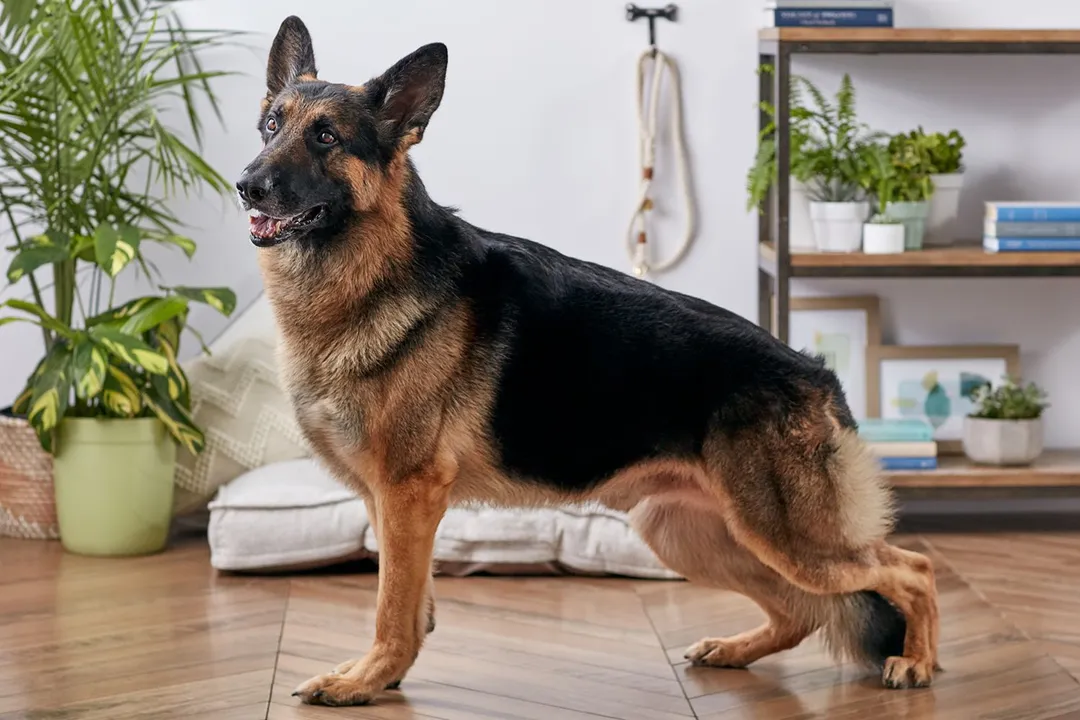
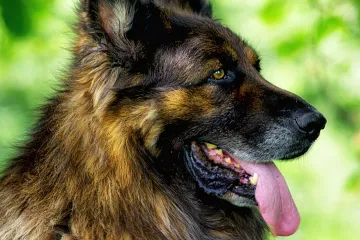
The personality woven into the German Shepherd Dog is one of the most recognized and admired profiles in the canine world, characterized by a remarkable blend of intelligence, devotion, and steadfast courage. [1][3] These dogs were originally developed in Germany with the specific purpose of herding and protecting flocks, traits that remain deeply embedded in their character even when they are living a life of companionship rather than active duty. [1][5] They are often described as inherently confident, noble, and brave dogs, making them excellent partners for those who understand and can meet their needs. [3][4] They are not typically described as overly excitable, but rather as having a steady, watchful demeanor. [6]
# Loyalty Bonds
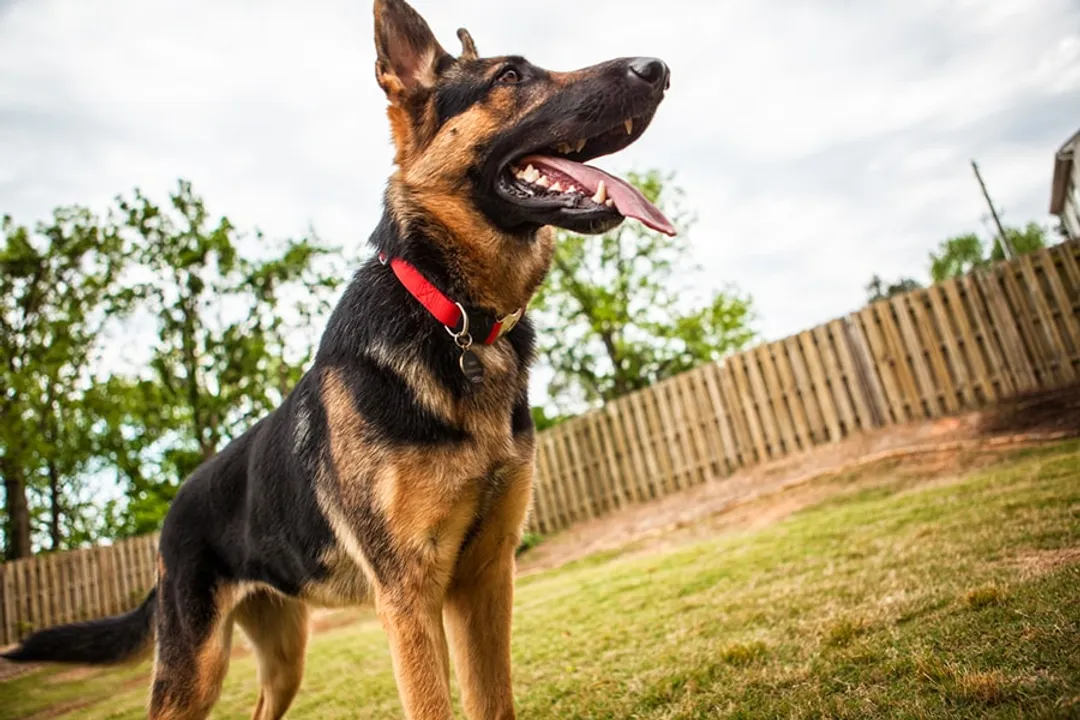
Perhaps the most defining trait of the German Shepherd is their intense devotion to their family unit. [3] This is not just a casual fondness; it is a deep, often lifelong connection that sees them function almost as an extension of their primary person or people. [7] This breed thrives on being included in family activities and often exhibits what is affectionately termed "Velcro dog" behavior, wanting to be near their humans whenever possible. [5] While their protective nature makes them excellent home guardians, their intense focus on their family can sometimes lean toward separation anxiety if they are not trained from an early age to be comfortable with alone time. [1] Owners should recognize that this deep attachment is earned through consistent positive interaction, not just ownership; they bond strongly with those who provide structure and affection. [3] This inherent need to be near you means that leaving them isolated for long periods can negatively affect their overall disposition, potentially leading to unwanted behaviors stemming from distress rather than aggression. [5]
# Guardian Nature

The German Shepherd’s history as a working protector means they possess a strong instinct for guarding their territory and family. [1][5] They are naturally reserved or aloof when meeting new people, which is different from being shy or fearful. [6] This reserve is an intelligent assessment of a situation; they are sizing up the newcomer rather than immediately rushing forward for a greeting. [4] This protective streak requires responsible handling; they are generally not aggressive without cause, but their presence alone is often a strong deterrent. [3][6] A well-bred, properly socialized German Shepherd will exhibit confidence in their role, making them appear steady and calm even when observing something unfamiliar. [1][3] They possess a strong sense of fairness and loyalty, meaning they are more likely to follow a trusted leader’s cues than react impulsively, provided their early training has established clear boundaries. [5]

# Mental Need
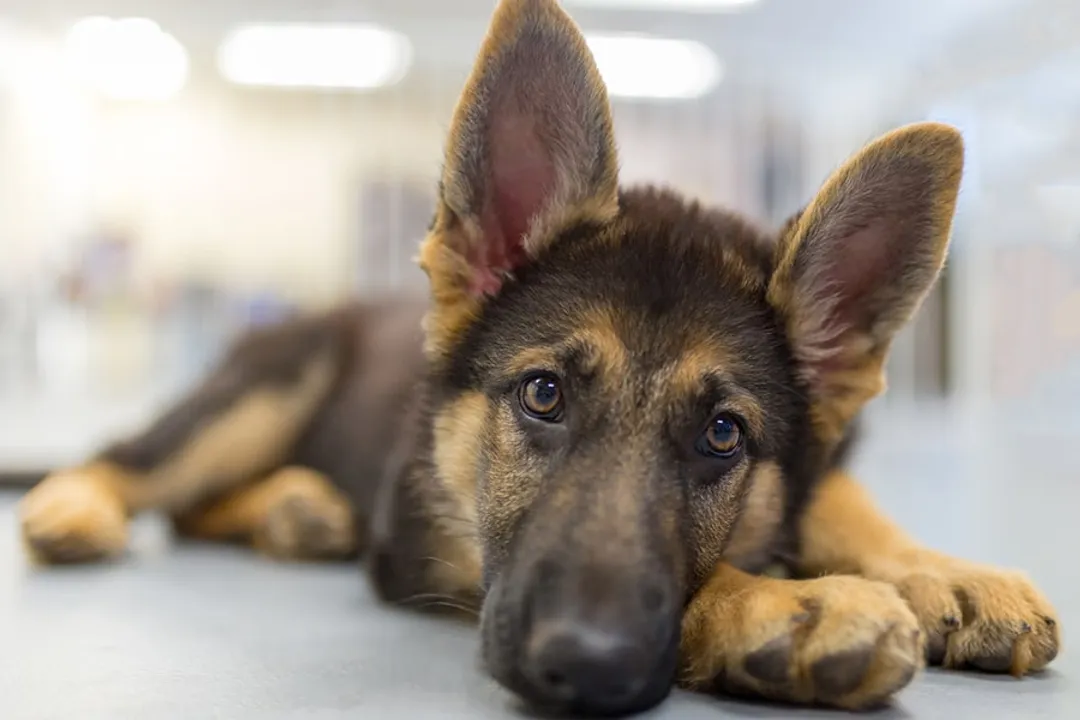
The sheer intelligence of the German Shepherd Dog is frequently ranked among the top breeds, which translates directly into a profound need for mental engagement. [1][5] They are problem-solvers who require more than just physical activity to remain content. [3] If the brain is left idle, this sharp intellect will find its own, often less desirable, employment, such as chewing furniture, excessive barking, or developing obsessive behaviors. [9] One way to satisfy this is by varying training sessions constantly; while they learn basic obedience quickly, advanced tasks, puzzle toys, or scent work can keep them engaged for years. [5] It is important to remember that this high intelligence means they pick up habits—good and bad—remarkably fast, putting the onus on the owner to be attentive and consistent in what they teach. [1]
# Activity Demands
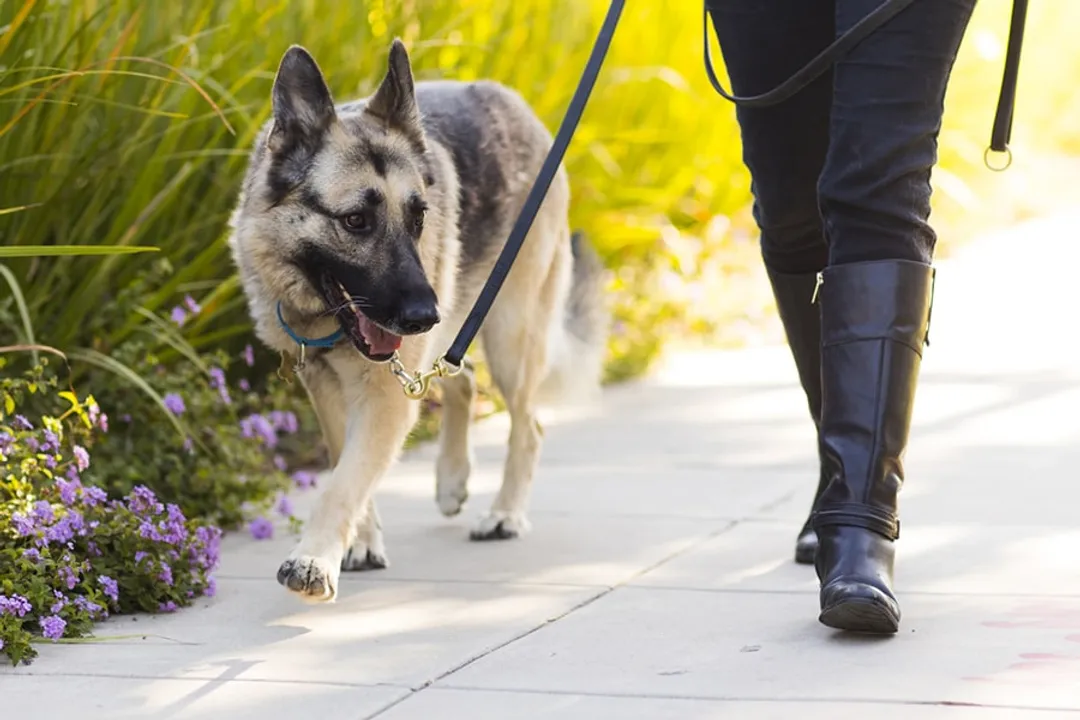
While the intellectual demands are significant, the physical energy of this breed is equally notable. [3] German Shepherds are medium-to-large dogs built for endurance and movement, meaning a casual stroll around the block may only satisfy their bare minimum requirement for biological function, not for psychological well-being. [1] They excel in activities that mimic their original purpose, such as hiking, advanced obedience, canine sports like agility, or even structured backyard work. [6]
Consider the energy demands not just as how long they need to run, but how they need to move. A dog bred to patrol vast areas needs purposeful, directed movement. Simply letting them loose in a fenced yard might tire them out physically, but it often fails to fulfill the mental direction component that makes them feel satisfied with their "work" for the day. A thirty-minute session of fetch followed by a focused twenty-minute training drill that requires decision-making often proves more fulfilling than a full hour of undirected running. [9] This understanding helps manage the breed’s tendency toward restlessness. [3]
# Socializing Success
The development of a stable, confident German Shepherd personality hinges critically on early and ongoing socialization. [1][5] Because they are naturally reserved around strangers, exposure to a wide variety of people, sounds, environments, and other animals during puppyhood (ideally between three and sixteen weeks) is non-negotiable. [1][7] This process teaches the dog that novel stimuli are normal, allowing their inherent confidence to shine through rather than defaulting to suspicion. [3]
If socialization is neglected, the aloofness can solidify into unwarranted suspicion or reactive behavior, particularly when they feel their family is threatened. [5] Furthermore, their instinct to herd, which can sometimes manifest as nipping at the heels of fast-moving children or bicyclists, must also be managed through early redirection and positive reinforcement training. [9] A well-socialized German Shepherd learns the difference between a potential threat that warrants a vocal alert and a friendly neighbor who deserves a calm acknowledgment. [4]
# Sensitivity Underneath
Despite their imposing stature and strong guarding drive, German Shepherds are often described as sensitive dogs who respond best to positive training methods. [5] Harsh corrections or prolonged isolation can cause them to shut down or become overly anxious, which paradoxically can worsen protective behaviors. [3] They thrive in environments where their owner is consistent, fair, and clear in their expectations, rather than demanding or punitive. [1][5] Recognizing this sensitivity is key to unlocking their potential as both a capable worker and a loving companion. [3] They are not a breed suited for hands-off owners; their personality demands active participation and partnership from their human counterparts. [6]
Related Questions
#Citations
German Shepherd Dog Dog Breed Information
German Shepherd Temperament : r/germanshepherds
German Shepherd: Dog Breed Characteristics & Care
German Shepherd Dog Traits | echodogs
What are the unique characteristics of a German Shepherd?
Dog Advice for German Shepherds
Understanding German Shepherd personalities and ...
German Shepherds: What to Know Before Adopting One
24 German Shepherd Behaviors And What It Means When ...