Do dachshunds bond with one person?
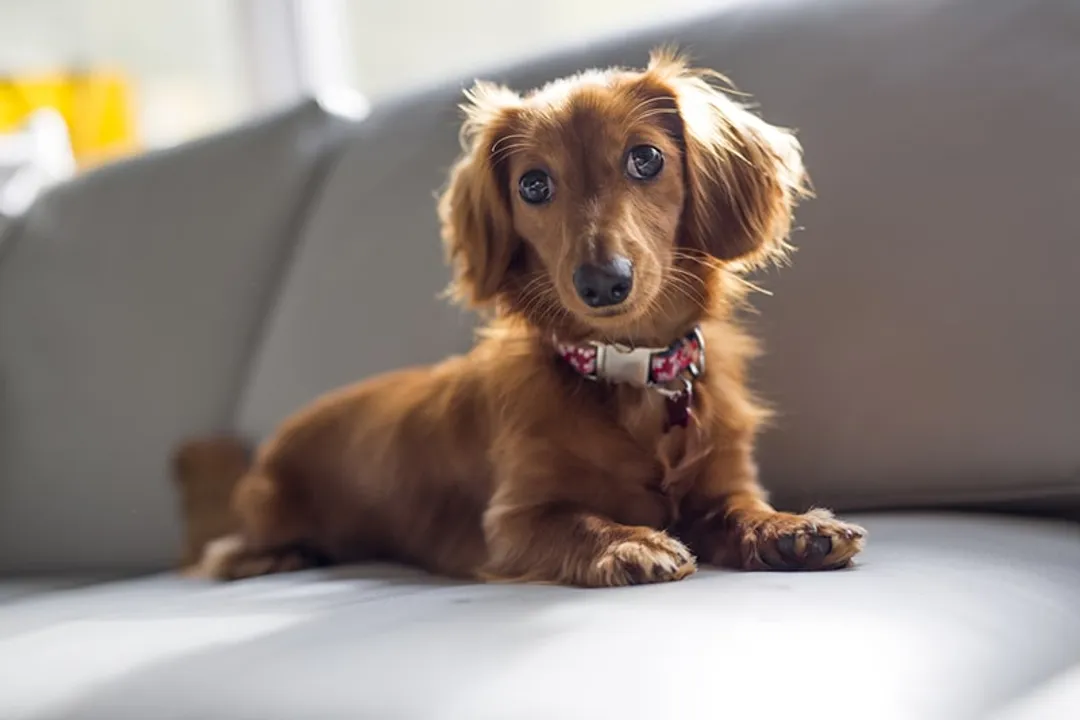
The little sausage dog, with its distinctive low-slung frame and surprisingly big personality, often develops an affection so intense it seems singular. Many owners of Dachshunds observe that their dog seems to select a specific person in the household as their absolute favorite, leading to the common question of whether this breed is inherently programmed to bond with just one individual. [1][4] It is certainly a frequent topic of discussion among owners; many genuinely feel their particular Dachshund is their dog, above all others. [2] This strong attachment isn't just anecdotal; it’s a noticeable pattern in the breed’s social dynamics. [3]
# Favoritism Signs
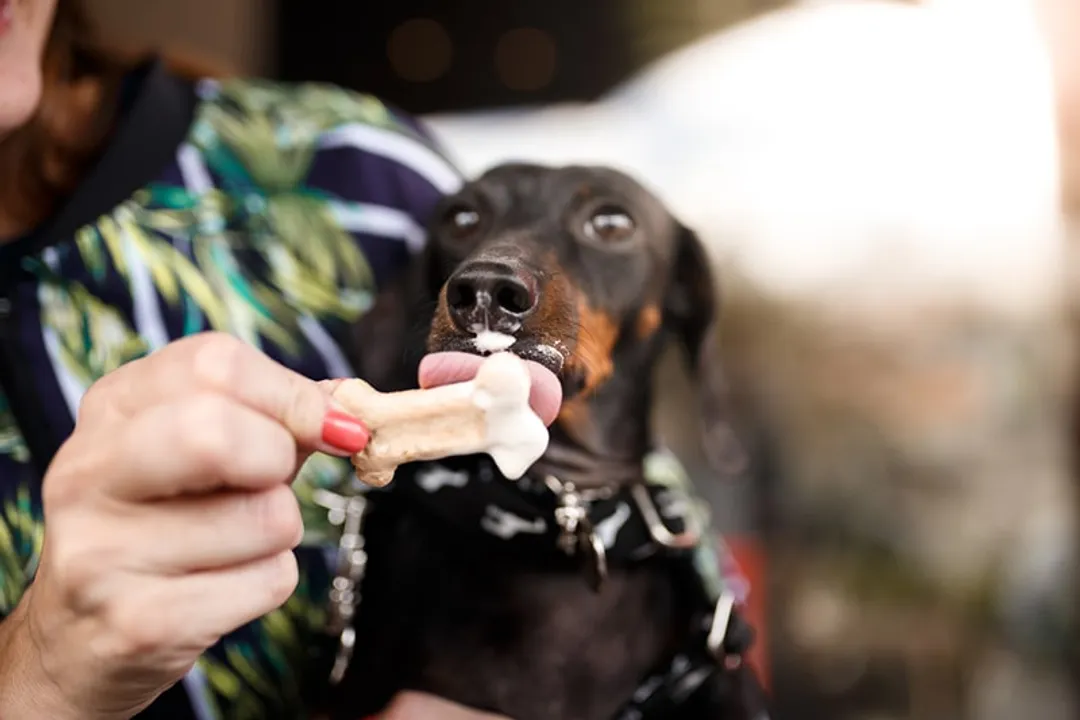
When a Dachshund locks onto a favorite person, the signs are usually quite clear and often revolve around proximity and physical contact. [1] You might find your Dachshund acting like a furry, elongated shadow, following that individual from room to room without fail. [4] This preferred person often becomes the sole recipient of the best cuddles, the preferred lap-sitter, and the one they run to immediately when startled or excited. [1]
This intense focus can manifest in behaviors that exclude others. They might become visibly distressed or agitated when their chosen person leaves the vicinity, a reaction that can look very different from how they behave when another family member departs. [1] Furthermore, the dog may show a distinct preference for who they accept attention from, sometimes being aloof or even reserved with other members of the family or unfamiliar people when their preferred human is present. [4] This isn't necessarily aggression, but rather a very clear delineation of their primary social connection. [3] It’s interesting to note how some owners feel their dog actively chooses them over a spouse or partner, creating a unique, perhaps slightly demanding, dynamic within the home. [2][4]
# Breed Roots

Understanding why this intense one-person bond develops often requires looking back at the breed's history. Dachshunds were originally bred in Germany to hunt badgers and other burrow-dwelling animals. [7] This job required a dog with immense tenacity, courage, and independence—traits that translated into a strong willfulness in the modern companion dog. [4] While they were bred to work, their small size also meant they were often kept close to the hunter. This close working/living relationship may have predisposed the breed to forming deep, loyal attachments to the person they perceived as their leader or primary caretaker. [1][3]
While being fiercely loyal to one person, it is important not to label them as purely solitary companions. Dachshunds can be good family dogs, especially if they receive proper early socialization to different people and environments. [10] The potential for a strong single-person bond exists alongside the capacity to integrate well with a loving family unit, but the initial leaning toward one individual often remains present. [1]
# Managing Attachment
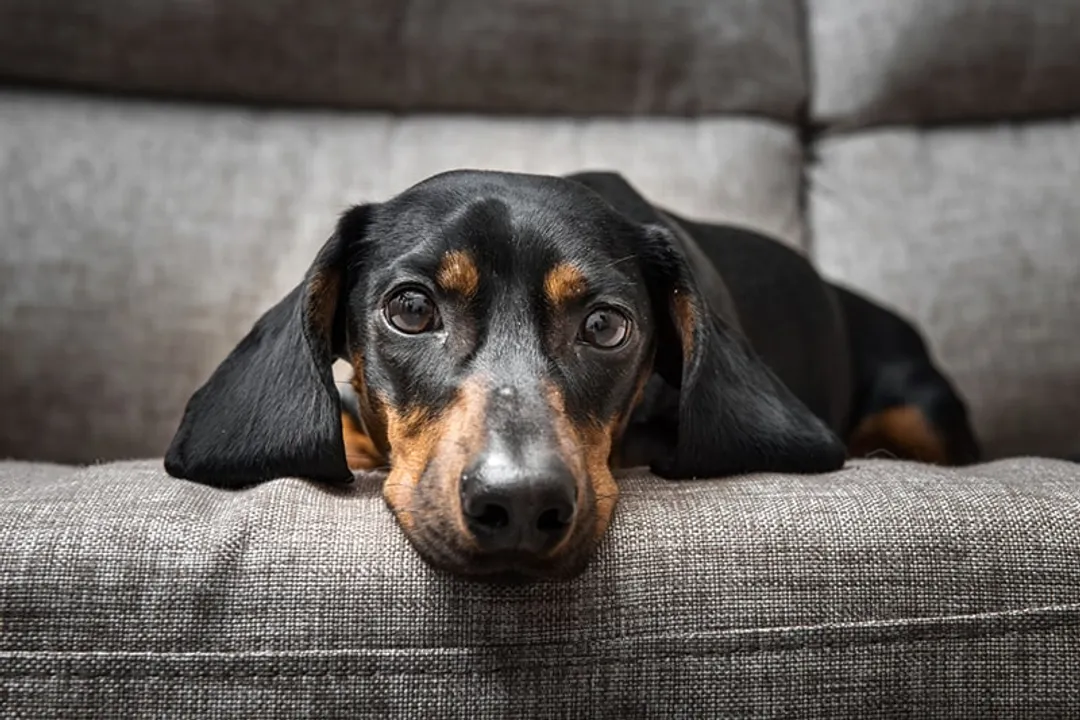
For households with multiple adults or older children, recognizing this tendency early allows owners to manage the dynamic proactively. If a Dachshund only sees one person as the source of all good things—food, walks, affection—that one person becomes the bottleneck for all positive reinforcement, strengthening the one-sided attachment. [1]
Here is a simple protocol to encourage broader family integration, focusing on distribution of positive experiences:
| Activity | Primary Holder | Secondary Holder | Goal |
|---|---|---|---|
| Morning Walk | Person A | N/A | Establish primary connection |
| Breakfast Serving | Person B | N/A | Associate food with new person |
| Midday Cuddles | Person C | N/A | Spread comfort association |
| Evening Training | Person A & B (Alternate) | N/A | Reinforce responsiveness to multiple leaders |
When a dog only shows extreme devotion to one person, that person ends up inadvertently taking on the full burden of being the dog’s only security blanket, which can sometimes spiral into separation anxiety when that person is absent. [8] By consciously rotating who dispenses meals, who initiates play, and who handles training sessions, you encourage the dog to view everyone as a reliable, positive figure. [1] This doesn't erase the favorite person, but it spreads the emotional security net, leading to a generally happier and less stressed dog when the primary person is unavailable. [10]
# Independence Versus Clinginess
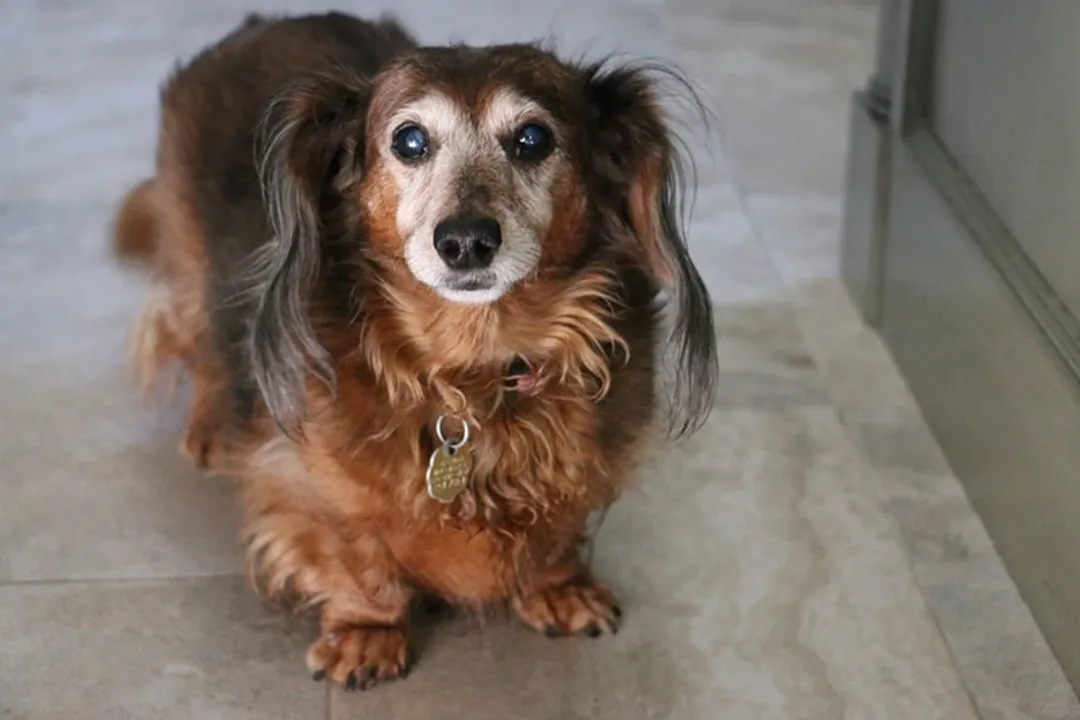
The core issue often boils down to the fine line between devoted loyalty and unhealthy clinginess, especially since Dachshunds are known to be somewhat stubborn. [4] The single-person bond can sometimes veer into possessiveness or resource guarding if not managed, meaning the dog might become protective of their chosen person when others approach. [1] This tendency, combined with their inherent intelligence, requires consistent leadership.
The key difference between a healthy, strong bond and problematic over-attachment often lies in the dog's reaction to separation. A dog that is securely attached will miss you but will settle down relatively quickly when you leave, perhaps engaging in independent play or resting. [1] A dog whose attachment has become obsessive may exhibit destructive behaviors, excessive barking, or pacing the entire time you are gone, which are classic signs of separation anxiety, often triggered by the loss of their anchor person. [8]
Ultimately, while the Dachshund’s nature leans toward deep, singular devotion, responsible ownership involves recognizing that loyalty doesn't have to mean exclusion. They are capable of giving their hearts to one human primarily, but they thrive best when the entire family structure is perceived as safe and rewarding. [10] Observing their habits—who they trust near the door, who they sleep near, and who receives the most excited greetings—will quickly reveal which family member holds the coveted "favorite person" title in that particular, charmingly stubborn little dog.[1][3]
Related Questions
#Citations
How Do Dachshunds Choose Their Favorite Person?
Does anyone else feel like their sausage is their soulmate? - Reddit
Why Do Dachshunds Attach To One Person - Wag!
Do dachshunds get attached to one person? - Quora
Dachshunds' Strong Bonds with Their Families - Facebook
Meet the Dachshund: Personality, Health, and Care
Are Dachshunds one person dogs, I recently got a ... - JustAnswer
Over-Attachment to one person
The Emotional Bond Between Humans and Their Dachshunds
Are Dachshunds Good Family Dogs?