What is the lifespan of an Alaskan Shepherd?

The expected longevity for an Alaskan Shepherd, the striking cross between the Alaskan Malamute and the German Shepherd Dog, generally falls within a window. [3][5][6] Some information suggests this range may extend slightly, reaching 10 to 13 years, or even 9 to 13 years depending on the source and overall care. [4] This hybrid, not recognized by major kennel clubs, inherits its physical substance and work ethic from two powerful ancestors, which means understanding their heritage is key to maximizing the time you have with them. [3][6] While a decade or so might sound typical, knowing the factors that influence this estimate—from genetics to daily routine—allows an owner to actively strive for those longer, healthier years at the higher end of that spectrum. [1]
# Lifespan Range
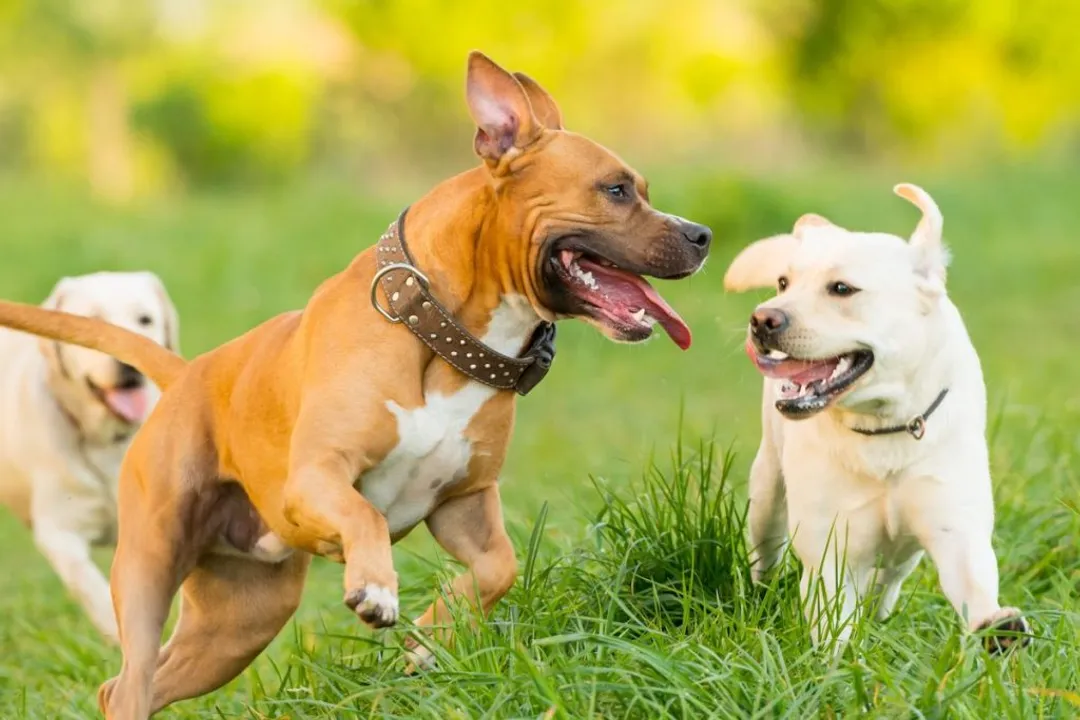
The most frequently cited life expectancy for this large designer breed clusters around the 10-to-12-year mark across several reputable breed guides. [3][5][6] A slightly more optimistic view places it at 10 to 13 years. [4] This places the Alaskan Shepherd right around the general average lifespan for all dogs, which research has pegged at about . [1] It’s worth noting that crossbreeds, on average, have been shown to live marginally longer than purebreds, though the difference is slight—11.2 years for crossbreeds versus 11.0 years for purebreds in one study. [1] The Alaskan Shepherd is a blend of two breeds that themselves average about each. [1]
# Size Factor
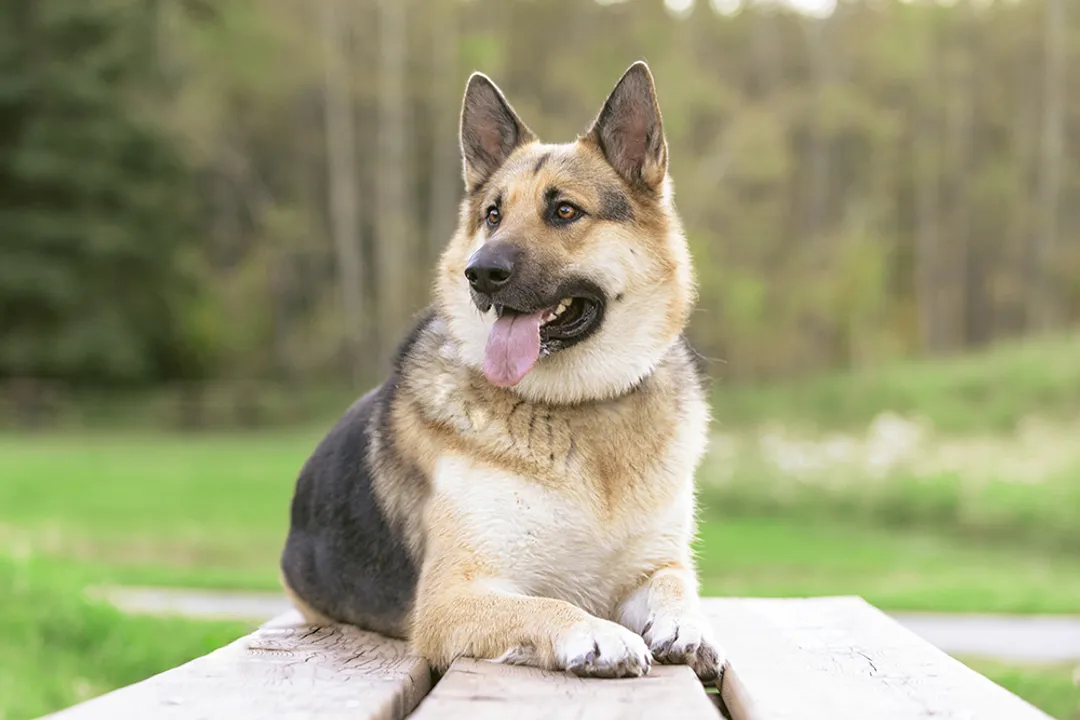
The size of the Alaskan Shepherd plays a significant role in its lifespan expectations. Being a large dog, they fall into the category where the average life expectancy is slightly shorter than that of smaller companions. [1] Larger breeds generally have an average life expectancy of $13.38$ years, compared to $14.95$ years for smaller breeds. [1] The common theory attributes this to the fact that large breeds often experience faster growth rates, which can lead to the earlier onset of age-related health conditions. [1] The Alaskan Shepherd typically weighs between and stands 20 to 26 inches tall. [3][5][6]
For an owner dedicated to pushing past the lower end of that 10-year estimate, one must consider the rapid skeletal development these puppies undergo. This fast growth places immense, early strain on developing joints, setting the stage for orthopedic issues later in life. [4][5] For instance, the parent breed, the Alaskan Malamute, is known for conditions like hip and elbow dysplasia. [7] Recognizing this inherent physical stress means that proactive support, such as ensuring they never over-exercise while in their rapid growth phase and consistently managing their weight throughout adulthood, is not just about general health—it becomes a fundamental strategy for joint longevity. [4][7]

# Health Concerns
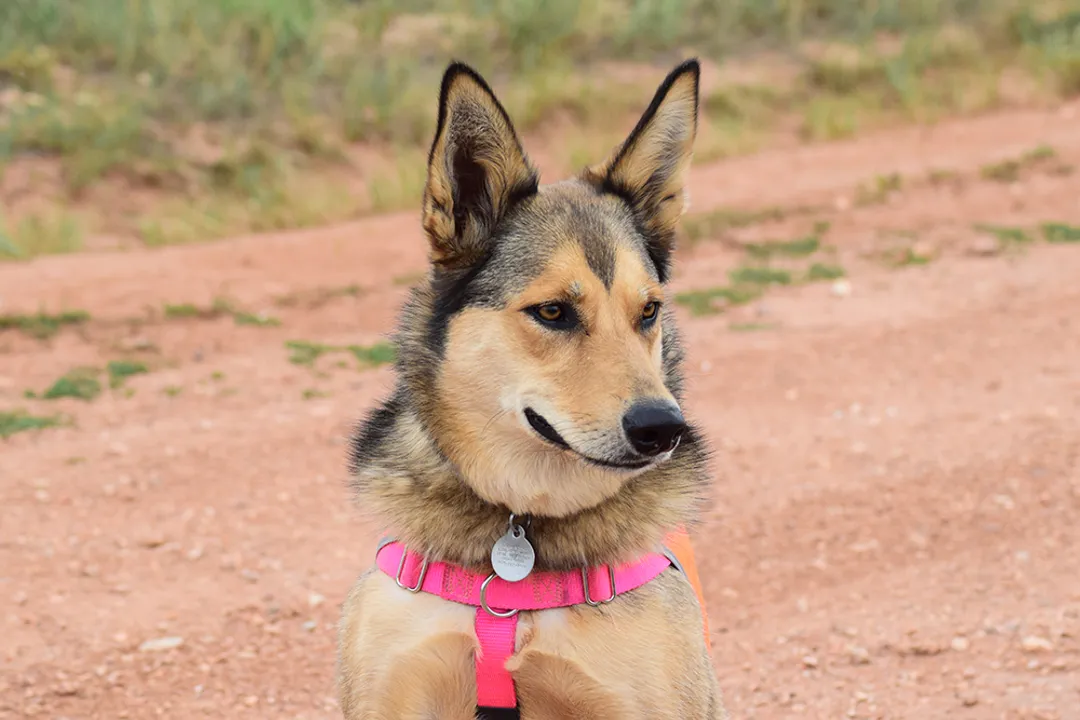
Since the Alaskan Shepherd is a hybrid, its health profile is drawn from the known predispositions of both the Alaskan Malamute and the German Shepherd. [4][5] By being aware of these potential pitfalls, an owner can schedule preventative care that might extend their dog’s life.
Major concerns frequently mentioned include:
- Hip and Elbow Dysplasia: This is a common orthopedic issue for large breeds, involving abnormal development of the hip or elbow joints. [3][5] For a dog bred from a German Shepherd (prone to hip issues) and a Malamute (prone to both), vigilance is necessary. [7][4]
- Bloat (Gastric Dilatation-Volvulus or GDV): This life-threatening condition, common in deep-chested breeds like the Malamute, occurs when the stomach twists. [7]
- Eye Problems: Conditions like cataracts and glaucoma are listed risks inherited from the parent lines. [3][4][5]
- Cancer: This general risk is noted across several sources, with anecdotal reports from Malamute owners showing cancer cutting lives short, sometimes as early as 4 to 9 years. [2][4]
- Other Conditions: Diabetes, Degenerative Myelopathy (a progressive spinal cord disorder affecting hind leg movement, particularly in Malamutes), and various skin issues are also possibilities. [4][5][7]
One important observation from the online community discussion surrounding the Malamute parent breed is that giant versions—intentionally bred for extreme size—often suffer shorter lifespans due to the extra strain on their bodies. [2][7] This underscores the importance of maintaining a healthy, breed-appropriate weight rather than pushing for the absolute maximum size potential. [4][7]
# Care Longevity Link
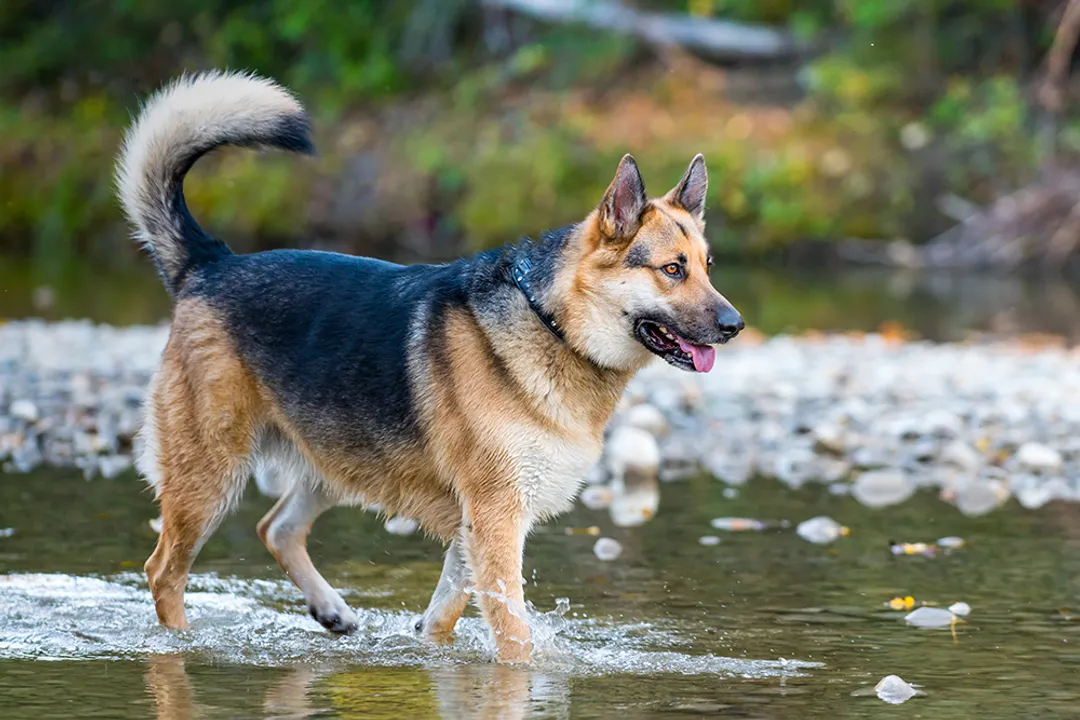
While genetics dictate risk, environment and care dictate outcome. For an energetic and intelligent mix like the Alaskan Shepherd, the path to a longer life is heavily paved with appropriate management of their physical and mental drive. [6]
These dogs require high exercise needs, ideally at least one to two hours of activity daily, often involving strenuous activities like running or hiking. [3][5] However, a common pitfall is focusing solely on physical exhaustion. Because both parent breeds are highly intelligent working dogs, mental stimulation is just as vital for overall well-being and longevity. [6][4] A bored, smart dog can become anxious and destructive, which contributes to stress and reduces quality of life. [6][7]
This leads to a key strategy for maximizing time: Always pair high-intensity physical activity with a structured mental challenge. Instead of just taking a long, undirected walk, turn that walk into an exercise in sustained off-leash recall (where safe), or follow a 60-minute strenuous run with a 15-minute session of complex trick training or using a difficult puzzle feeder. [6] Ensuring the dog is physically tired and mentally satisfied helps prevent the boredom that can lead to destructive habits or anxiety, creating a healthier, more balanced existence well into their senior years. [4][7] Nutrition must also remain calibrated; these dogs are prone to overeating, so strict portion control is necessary to avoid obesity, which can shorten a dog’s life by up to $2.5$ years due to added pressure on joints and the heart. [1]

# Parent Comparison
Examining the lifespans of the purebred parents can give a broader context for the Alaskan Shepherd’s expected longevity. The purebred German Shepherd is listed with an average lifespan of . [1] The purebred Alaskan Malamute’s average is also cited at , though some sources suggest a range of 11 to 14 years for the Malamute. [1][7] Owner reports for Malamutes show a wide variance, with some living over 15 years, while others succumbed to cancer or bloat much earlier. [2]
When you consider the Alaskan Shepherd is a mix, the genetic diversity gained from mixing two distinct working breeds is theoretically supposed to reduce the severity of single-breed genetic flaws, which can sometimes result in a slightly extended life compared to either parent line. [1] However, because the Alaskan Shepherd inherits the large size from both sides, the general risks associated with large breed care—especially orthopedic maintenance—remain high and demand consistent attention throughout their lives. [3][4] Ultimately, for the Alaskan Shepherd, reaching 13 years old is a wonderful result, suggesting the owner successfully navigated the challenges common to both the German Shepherd and the Malamute sides of their heritage. [4][2]
Related Questions
#Citations
Alaskan Shepherd Dog Breed Complete Guide - A-Z Animals
Alaskan Shepherd | Dog Breed Facts and Information - Wag!
Alaskan Shepherd Dog Breed Information & Characteristics - DogTime
Malamute German Shepherd Mix Facts
How long did your large Malamute live? : r/AlaskanMalamute - Reddit
Alaskan Shepherd: Pictures, Info, Care Guide & More - Dogster
Alaskan Malamute | Temperament, Lifespan & History - Pooch & Mutt
Average Lifespan + Life Expectancy of Dog Breeds - Bella+Duke