What is the lifespan of a mini husky?
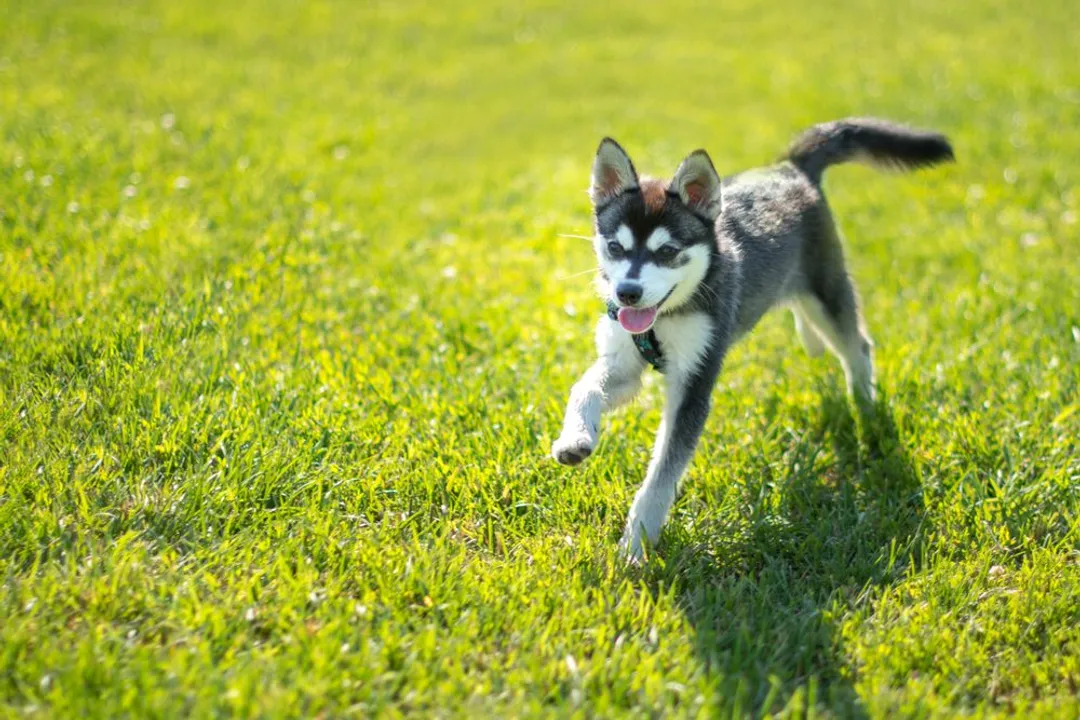
The dream of owning a dog with the striking good looks and spirited nature of a Siberian Husky, but scaled down for smaller living spaces, often leads prospective owners to search for the Miniature Husky. This smaller companion promises the wolf-like appearance—thick coats, erect ears, and expressive eyes—in a more manageable package. Understanding their potential lifespan is key to committing to this energetic breed, and generally, the outlook is positive, with most sources placing the expected life expectancy for the Mini Husky in the 12 to 15-year range.
# Defining the Miniature
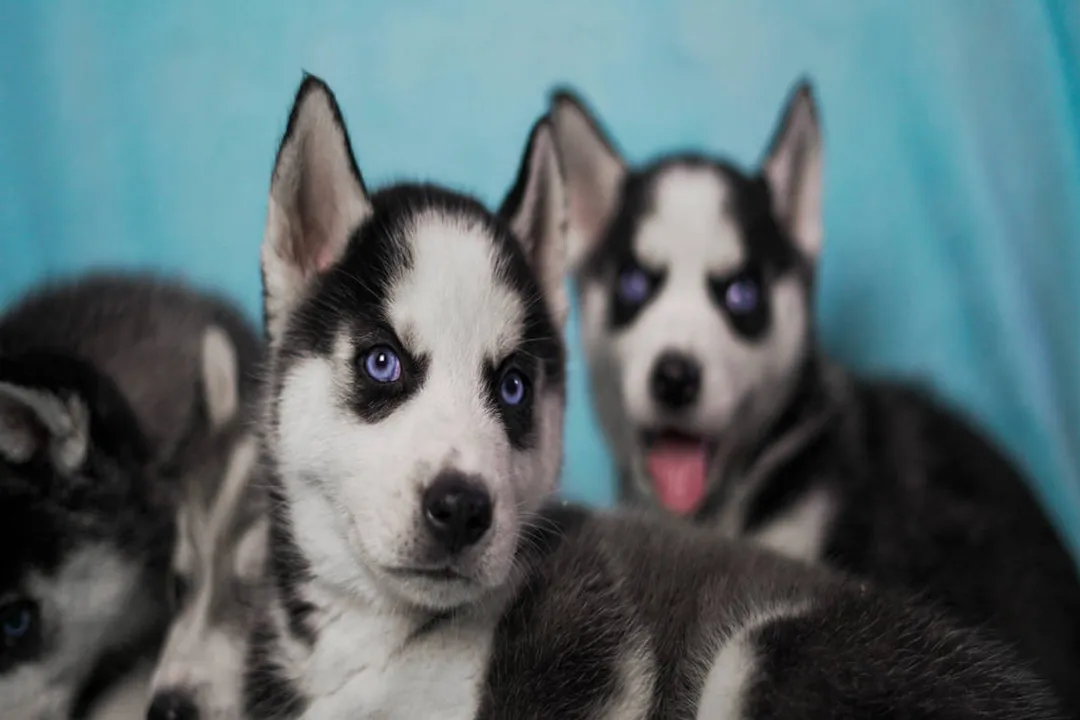
The first thing to grasp when discussing the Miniature Husky's longevity is its status in the canine world. The "Mini Husky" is not an officially recognized breed by major kennel clubs like the American Kennel Club (AKC). Instead, it is often considered a size variation of the Siberian Husky, selectively bred to maintain the original breed’s characteristics at a reduced scale. The development traces back to breeder Bree Normandin in the 1990s, who reportedly bred the smallest Siberian Huskies together to achieve the desired size. Some sources suggest this method of breeding the runts, who are inherently the weakest of a litter, could raise concerns, though evidence suggests the resulting Mini Huskies are generally as healthy as their larger cousins.
It is critical to distinguish the Mini Husky from the Alaskan Klee Kai (AKK), as the two are frequently confused. The AKK is a distinct, recognized breed, established earlier in the 1970s, also by Linda Spurlin, using a mix of Siberian/Alaskan Huskies, Schipperke, and American Eskimo Dog to create a companion-sized dog. While both breeds share a heritage and similar striking appearance, the recognized Alaskan Klee Kai often boasts a slightly longer potential lifespan, sometimes cited as extending to 15 or even 17 years. This distinction between a selectively sized dog (Mini Husky) and a formally established breed (AKK) is important because established breeds often have more formalized health screening expectations, which can influence longevity statistics.
# Longevity Data Comparison
When assessing the expected lifespan for the Mini Husky, the available data, while consistent, shows minor variations, giving us a practical window for expectation setting.
| Source | Breed Term | Reported Lifespan Range (Years) |
|---|---|---|
| SpiritDog Training | Miniature Husky | 12 to 15 |
| Dog Academy | Mini Husky | 12 to 14 |
| A-Z Animals | Miniature Husky | 12 to 15 |
| Pet Premium | Miniature Husky | 11 to 15 |
| Nordic Mini Huskys (for AKK) | Alaskan Klee Kai | 14 to 16 |
The tight clustering around the 12-to-15-year mark for the non-recognized Mini Husky suggests a robust genetic baseline inherited from the Siberian Husky, which often lives between 12 and 14 years. The fact that the recognized Alaskan Klee Kai is often cited with a year or two added to the top end (up to 17 years) warrants consideration by prospective owners, hinting that the formal breeding standards and foundation stock selection for the AKK may have emphasized hardiness slightly differently than the foundational Mini Husky lines. In practical terms, however, the owner's daily commitment is likely the single greatest variable influencing whether your dog reaches the 12-year mark or thrives closer to 15 or beyond.
# Health Challenges and Lifespan
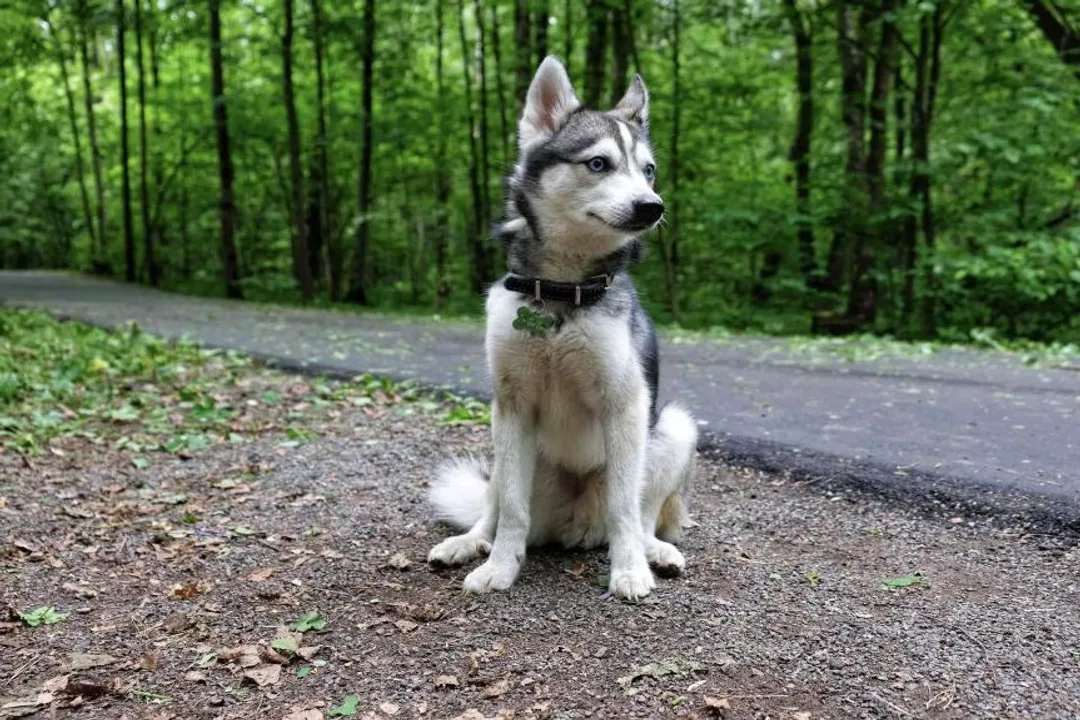
While Miniature Huskies are generally described as relatively healthy dogs compared to some other smaller breeds, their lineage means they are susceptible to specific conditions that require proactive management to protect their years. Inherited traits from the larger Siberian Husky, such as eye problems, are frequently mentioned in both contexts. These eye issues can manifest as cataracts, glaucoma, or progressive retinal atrophy (PRA), the latter of which can lead to blindness. Regular eye checks are essential, especially as the dog ages, to catch these conditions before they severely impact quality of life.
Another significant concern stemming from the Husky side is hypothyroidism, a condition where the thyroid gland doesn't produce enough necessary hormones. This condition, if left unmanaged, can lead to symptoms like lethargy and weight gain, negatively affecting joint health and overall vitality. Fortunately, hypothyroidism is typically manageable with lifelong hormone replacement therapy, ensuring the dog can remain active.
For the Alaskan Klee Kai, more specific genetic conditions have been noted due to their defined lineage tracking. These include patellar luxation (slipping kneecaps), heart murmurs, and Factor VII deficiency (a blood clotting disorder). While the Mini Husky lines may not have the exact same publicized predisposition list, any dog descended from these working breeds warrants attention to joint function and blood health, making vet screenings particularly important for longevity.
A consistent finding across the information gathered is that the care provided directly translates into years lived. A dog receiving nutritious, high-quality food, balanced for its high energy, along with consistent physical activity and routine veterinary checkups, stands the best chance of achieving the upper end of its expected lifespan.
# Diet and Exercise Synergy for Longevity
Maximizing the lifespan of your energetic Miniature Husky is inextricably linked to managing its energy output and nutritional input. These dogs, despite their size, carry the high metabolism and drive of a sled dog.
A diet that supports this active lifestyle is non-negotiable. Sources suggest focusing on high-quality food that is rich in protein and provides the right balance of fats and carbohydrates to fuel their activity. The need for fuel also means that managing their appetite and portion control is vital; while they are small, underfeeding or overfeeding can both be detrimental. For example, obesity exacerbates stress on developing joints, potentially bringing forward issues like hip dysplasia, which is a known concern for these active breeds.
Exercise requirements are substantial, often needing at least an hour of dedicated activity daily. Because they are intelligent and mischievous, physical activity alone is often insufficient; mental stimulation must accompany it to prevent boredom-related destructive behaviors. A bored, under-stimulated Mini Husky is more likely to exhibit behaviors that can lead to accidents or stress, indirectly impacting overall health.
To ensure that the critical daily exercise period is maximally effective, a structured approach is beneficial. Instead of simply letting them loose in a yard, owners can implement a routine that targets both mind and body immediately upon waking or coming home. For instance, dedicating the first fifteen minutes of the day to a structured activity—such as a short, high-reward obedience session followed by a brisk, on-leash walk focusing on heel work—sets a positive, channeled tone for the next several hours. This front-loads the mental work, which often helps manage their independent and sometimes stubborn tendencies, making the remainder of their active time more enjoyable and less prone to testing boundaries. This intentional structure in the initial part of the day channels their inherent high drive productively, conserving both their energy and the owner’s patience for the rest of the day.
# Maintenance and Prevention
Grooming and preventative care, while sometimes perceived as maintenance rather than longevity factors, are crucial support systems for a long life, especially given their double coats. Although they are known for being fastidious self-groomers and don't carry a strong dog odor, their thick coat sheds significantly, particularly when "blowing coat" twice a year. Regular brushing during these periods is necessary to prevent matting, which can cause skin irritation, and to manage the sheer volume of fur in the home. Healthy skin supports a healthy dog, and coat care is one layer of this protective health shield.
Furthermore, because several common health issues involve the eyes, joints, and thyroid, a relationship with a knowledgeable veterinarian is paramount. Early screening for inherited conditions, even those more commonly detailed for the AKK like thyroid dysfunction, can allow for early, less invasive management, which supports a longer, more comfortable life for the Mini Husky lineage. When purchasing a puppy, always inquire about the health testing conducted on the parents for known conditions like PRA or hypothyroidism, as this information is a primary indicator of your puppy’s risk profile.
Ultimately, the lifespan of a Miniature Husky is a partnership between the dog’s inherited resilience and the owner’s dedication to providing an active, mentally engaging, and medically attentive environment. While the breed's potential hovers around the 12-to-15-year mark, consistency in high-quality care is what ensures your small, energetic companion enjoys every single one of those years to the fullest.
Related Questions
#Citations
Mini Husky: Your Complete Guide - Dog Academy
Miniature Husky - SpiritDog Training
Miniature Husky Dog Breed Complete Guide - A-Z Animals
FAQs about Miniature Alaskan Klee Kai Puppies - Nordic Mini Huskys
Miniature Husky | Pet Premium - Pet Insurance Comparison
Alaskan Klee Kai - Dog Breeds - PetMD