What breeds make up the Tenterfield Terrier?
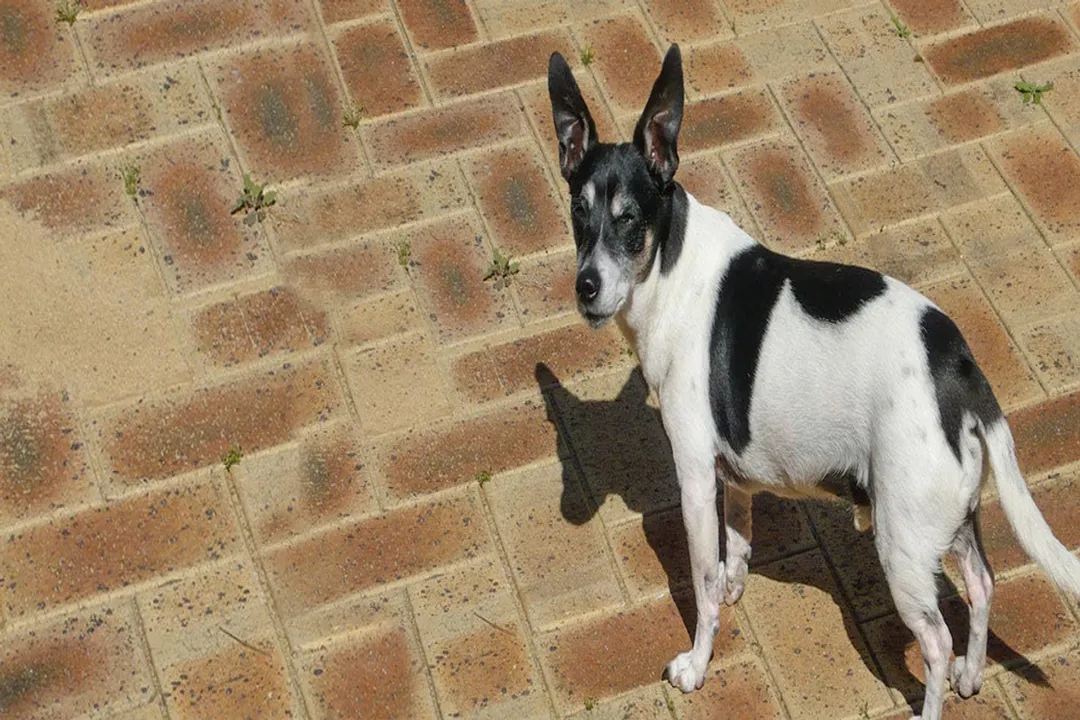
The Tenterfield Terrier is a quintessential Australian creation, a small, hardy working dog whose very identity is rooted in the specific needs of the early settlers in New South Wales. While many terrier types share common ancestry, understanding the Tenterfield requires looking closely at the distinct lineage that created this specific, refined version of the working companion. The story of what breeds make up the Tenterfield Terrier is less about a distant, complex genetic soup and more about a focused, intentional crossbreeding program centered around two primary terrier pillars. [5][7]
# Foundation Stock

The journey to establish the Tenterfield Terrier breed as it is known today began in the town of Tenterfield, in northern New South Wales, Australia. [5][7] The initial goal was practical: to develop a small, energetic, yet manageable terrier suited for farm and homestead work, primarily ratting and controlling vermin around stables and barns. [7] This selective process relied heavily on importing suitable dogs from England and refining them locally. [5]
The two most significant, non-negotiable components in the Tenterfield Terrier's makeup are the Miniature Fox Terrier and the Jack Russell Terrier. [1][5][7][9] These two breeds provided the essential working characteristics—the size, the drive, and the intelligence—that define the Tenterfield today. [1]
# Miniature Fox Terrier Influence
The Miniature Fox Terrier is often cited as the primary influence, contributing significantly to the dog's overall look, energy level, and temperament. [7] In the early development phases, the Miniature Fox Terrier provided the desired compact size without sacrificing the gameness required for pest control. [5] It is important to note that the Miniature Fox Terrier itself has roots tracing back to the much larger Smooth Fox Terrier, selectively bred down in size over generations for smaller tasks. [5]
The Tenterfield Terrier inherited the characteristic alertness and the sharp, keen expression often associated with the Fox Terrier line. When comparing the modern Tenterfield to its larger cousins, one can see the refinement where breeders kept the terrier essence but shrunk the physical package for domestic suitability. [1]
# Jack Russell Terrier Role
The Jack Russell Terrier, or the type that was circulating in Australia at the time of the Tenterfield’s development, brought the necessary tenacity and working ethics. [5] Jack Russells were, and remain, prized for their boundless energy and unwavering focus on the task at hand. In the Tenterfield, this influence ensures the dog is not merely a lap companion but remains capable of earning its keep when necessary. [7] The contribution of the Jack Russell is often seen in the sheer durability and high drive maintained despite the dog's small stature. [9]
When a breeder selects for a terrier, they are looking for a specific type of courage and boldness. The Tenterfield Terrier needed to be game enough to face a rat or snake but small enough not to endanger livestock or become a nuisance in the homestead. [7] The combination of the Miniature Fox Terrier's slightly lighter frame and the Jack Russell's hardiness appears to have struck that balance perfectly.
# Other Potential Contributors
While the Miniature Fox Terrier and Jack Russell Terrier form the widely accepted bedrock of the Tenterfield Terrier, the history of developing a new breed in a specific locale often involves local infusions that may not always be perfectly documented. [5] One source suggests that, at various stages of development, other small terrier types may have been introduced to enhance specific traits. [5]
# Smooth Fox Terrier and Dandie Dinmont
The possibility of the Smooth Fox Terrier being involved is quite logical, given that the Miniature Fox Terrier is derived from it. [5] Any initial stock might have included the larger smooth-coated dogs if they possessed superior traits that the early breeders wished to retain before reducing size through successive generations. [5]
A more intriguing, though less frequently cited, potential influence is the Dandie Dinmont Terrier. [5] The Dandie Dinmont is known for its distinctive topknot and rather unique silhouette, traits not commonly emphasized in the modern Tenterfield. If this breed was used, it would have been for very specific genetic traits, perhaps related to bone structure or coat texture, and likely in small measure to maintain the overall terrier structure. [5]
It is a common pattern in the creation of Australian breeds, where local breeders utilized whatever robust, small terrier stock was available to solidify a desired type. [6] This localized, adaptive breeding process often results in breeds that are slightly distinct from their parent lines, even if the parentage is heavily weighted toward just two or three primary breeds. [7]
# Refining the Type in Tenterfield
The crucial element in moving from a cross between existing terriers to a distinct breed was the geographical isolation and the consistent application of breeding standards within the Tenterfield region. [5] The breed standard, developed through organizations like Dogs NSW, confirms that the finished product needed to be distinctly recognizable. [2]
In the early days, simply having a small terrier that killed pests was enough for many farmers. However, for the breed to gain recognition and a dedicated following, breeders had to select for conformity in appearance, gait, and temperament over several generations. [7] This phase is where the Tenterfield truly separated itself from being just a mixed-breed farm terrier—it became the Tenterfield Terrier. [5]
Consider the selection pressure in that local environment. If a dog had a perfect temperament but a coat that shed too much in the Australian climate, it would likely be bred out. If a dog was too heavy for a woman to easily carry back from the fields, it might also be passed over. [6] This continuous, localized selection pressure acts as a powerful homogenizing force, effectively setting the blueprint for the breed that Dogs NSW recognizes today. [2]
To better visualize the primary inputs, we can summarize the known historical foundation:
| Primary Breed | Core Contribution | Historical Rationale |
|---|---|---|
| Miniature Fox Terrier | Size, alertness, terrier expression | Provided the base for a small, active companion. [5] |
| Jack Russell Terrier | Tenacity, working drive, durability | Ensured the dog remained a functional ratter. [7] |
| Local/Other Terriers | Temperament refinement, local hardiness | Stabilized the type specific to the Australian environment. [5] |
Looking at this summary, an interesting observation arises: the Tenterfield Terrier represents a very efficient blending of traits. Unlike some breeds that have dozens of documented foundation crosses, the Tenterfield seems to have achieved its distinct identity through a focused two-breed combination, suggesting that the initial stock of both Miniature Fox Terriers and Jack Russells available in the region were already quite pure or well-established types themselves. [1][7]
# Distinguishing the Mix
For a reader unfamiliar with terrier history, the Tenterfield Terrier can look very similar to a Jack Russell or a Rat Terrier, especially in its mixed or non-standardized forms. [1] The key to understanding its distinct makeup lies in the refinement of size and structure.
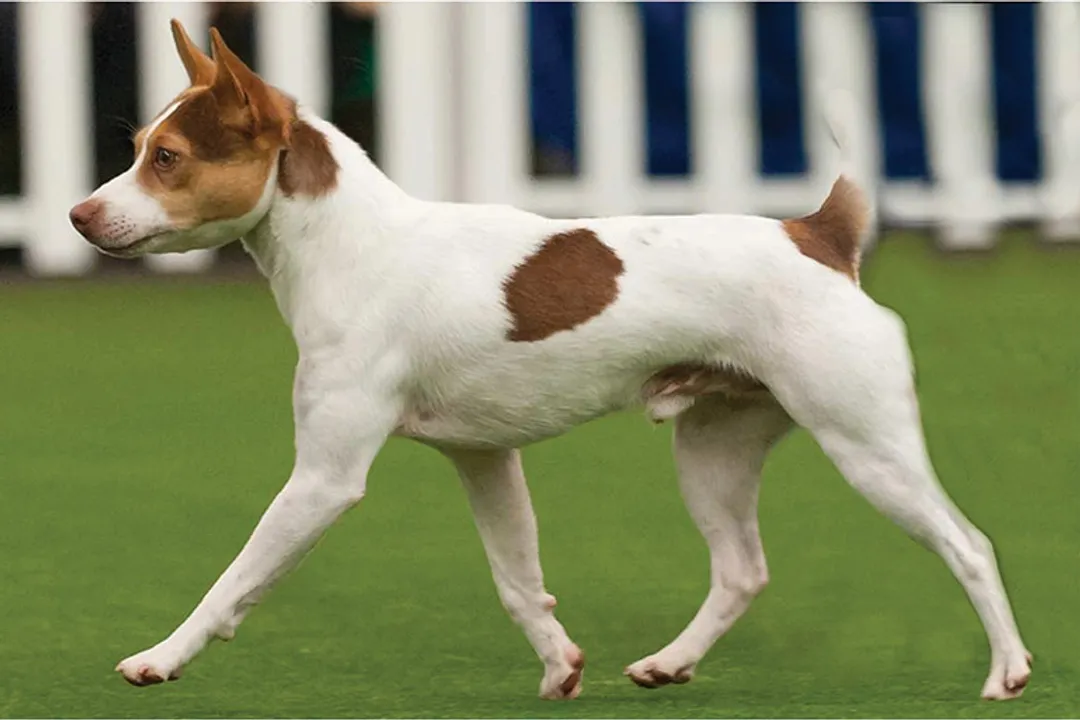
The Tenterfield Terrier generally possesses a lighter, more elegant build compared to some of the blockier, heavier Jack Russell types. [5] Its head is often described as neat and wedge-shaped, which speaks to the refinement brought in by the Miniature Fox Terrier line. [7] Furthermore, the tail carriage and ear set are specific points of pride for breed enthusiasts, indicating successful selection away from the varied appearances of the initial foundation stock. [2]
An actionable consideration for prospective owners who might encounter a dog registered as a "Tenterfield-type" but without full breed papers is recognizing the potential variation in drive. A dog heavily weighted toward the Jack Russell influence will likely require significantly more intense physical and mental exercise than one closer to the Miniature Fox Terrier side of the pedigree, which might be content with slightly less intense activity. [9] Recognizing the subtle differences in movement and coat texture—smooth versus slightly harsher—can sometimes hint at which ancestral line is more dominant in an individual dog.
# Breed Recognition and Purity
The ultimate testament to a successful breed development program is formal recognition. The Tenterfield Terrier's journey involved establishing a breed standard that clearly defined the desired outcome of the crosses, ensuring that future generations bred true to the Tenterfield type, rather than reverting to the appearances of its parents. [7]
In Australia, the breed has gained official recognition from various bodies, including Dogs NSW, which affirms that the Tenterfield Terrier has progressed past being merely a crossbreed and is now a solidified, distinct breed. [2] This recognition implies a high degree of genetic consistency achieved through decades of careful, intentional breeding focusing on those core foundation elements. [5]
The official standards demand a specific height range and weight, traits that are crucial when selectively breeding terriers down from larger ancestors like the Fox Terrier. If breeders had not been disciplined in selecting only the smallest, soundest examples of the Miniature Fox Terrier and Jack Russell crosses, the resulting dogs would likely still show significant size variance, preventing formal breed acceptance. [2]
The very existence of the Tenterfield Terrier as a recognized breed is proof that the initial crossing of the Miniature Fox Terrier and Jack Russell Terrier stock was highly successful in producing a new, uniform type suited to Australian conditions. [7][9] It is a localized success story in canine development, born from necessity and refined by dedication, resulting in a small terrier with a truly Australian heritage built upon classic English foundations. [6]
Related Questions
#Citations
Tenterfield Terrier - Wikipedia
Tenterfield Terrier Breeds - Dogs NSW
Are mini foxies the same breed as Tenterfield Terriers? - Facebook
Tenterfield Terrier Facts - Dog Breeds - Wisdom Panel
History - Tenterfield Terrier Club of Western Australia
[PDF] Dogs down under - Ria Horter
Tenterfield Terrier | Dog Breed Facts and Information - Wag!
History | TTC QLD - Tenterfield Terrier Club
[PDF] the tenterfield terrier - dogs.net.au