What is the best diet for a Vizsla?

The dietary needs of a Vizsla stem directly from their heritage as active, lean Hungarian pointers. Selecting the right food involves balancing high energy demands with the breed's tendency toward a sensitive constitution, which means ingredient quality and appropriate caloric density are perhaps more important than finding a single, universally "best" product. [1][4] Owners often find themselves navigating a spectrum of options, from high-quality commercial kibble to raw food preparations, all while keeping the dog's individual metabolism in mind. [2][3]
# Breed Needs

Vizslas are built for endurance and hard work, possessing a relatively low body fat percentage compared to some other breeds. [7][6] This leanness means that adequate, but not excessive, calories are required to fuel their activity levels. If underfed, an energetic Vizsla may struggle to maintain condition, yet overfeeding can quickly lead to unwanted weight gain that stresses joints and hinders their natural athleticism. [7][4] Furthermore, certain skin sensitivities and digestive upsets are occasionally reported within the breed, suggesting a predisposition to reacting poorly to lower-quality fillers or artificial additives found in some commercial foods. [1][9] A diet that prioritizes highly digestible, recognizable ingredients often supports better overall health for this breed. [5]
# Commercial Kibble

For many keepers of the breed, commercially prepared dry food remains the practical choice. [4] When evaluating kibble, the primary focus should be on the guaranteed analysis and the ingredient list. [1] Look for a high percentage of named meat sources, such as chicken, beef, or fish, listed near the top of the ingredients. [5] Good quality kibbles are designed to meet the AAFCO standards necessary for the dog's life stage. [1]
Some nutritional advisory sites rate specific brands highly for Vizslas, often favoring those featuring excellent quality control and appropriate nutrient profiles for active dogs. [1] It is interesting to note that owner experiences shared online reveal a wide array of successful brands, suggesting that while general quality markers are helpful, individual dog tolerance plays a large role. [2][9] A common thread among those who feed kibble successfully is ensuring the food is suitable for medium-to-large breeds, which often have different mineral requirements than toy breeds. [7]

# Raw Feeding
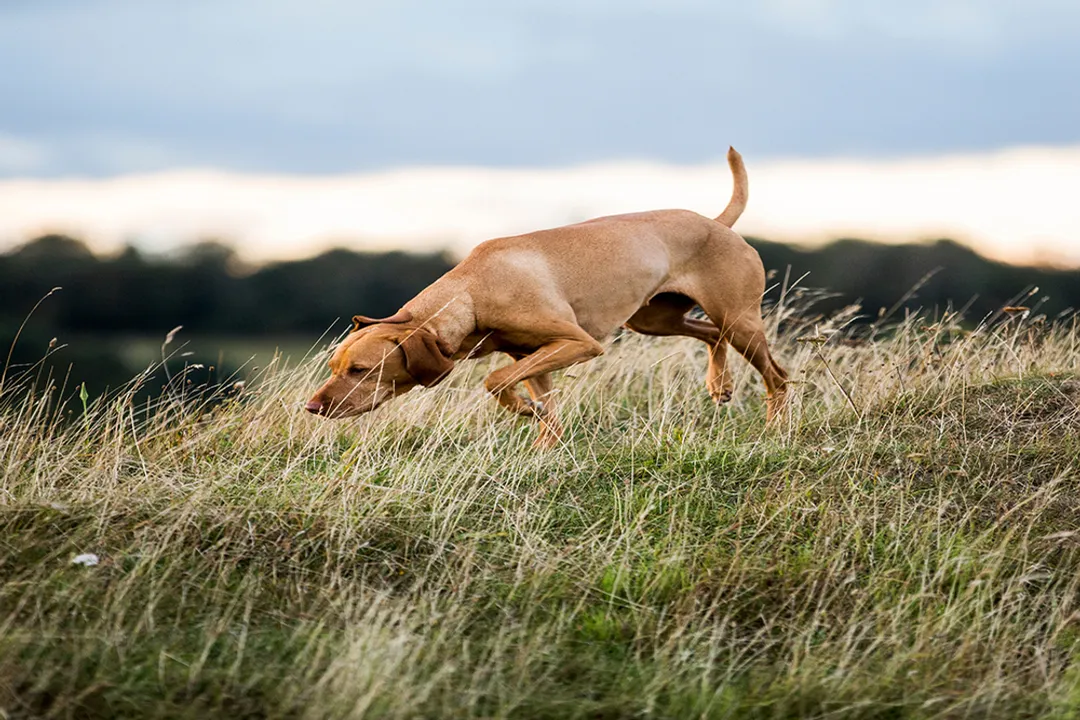
A distinct viewpoint strongly advocates for feeding a raw, biologically appropriate diet, citing benefits such as superior coat shine, better weight management, and improved digestion for the typically active Vizsla. [3][6] Proponents of raw feeding suggest that this approach mimics what a dog’s ancestors ate, providing easily utilized nutrients. [3]
When formulating a raw diet, adherence to established guidelines, such as the Prey Model Ratio (PMR), is often recommended to ensure nutritional completeness. [3] A standard raw breakdown typically includes about 80% muscle meat, 10% edible bone, and 10% secreting and non-secreting organs. [3] However, it's important to recognize that a Vizsla's specific requirements—especially a very active dog compared to a couch companion—might necessitate adjusting the fat content or overall caloric density of the raw mix. [6] While raw feeding offers an alternative to processed foods, owners must be diligent about sourcing and handling to prevent bacterial contamination and ensure nutritional balance across all meals. [5]
# Life Stage Shifts
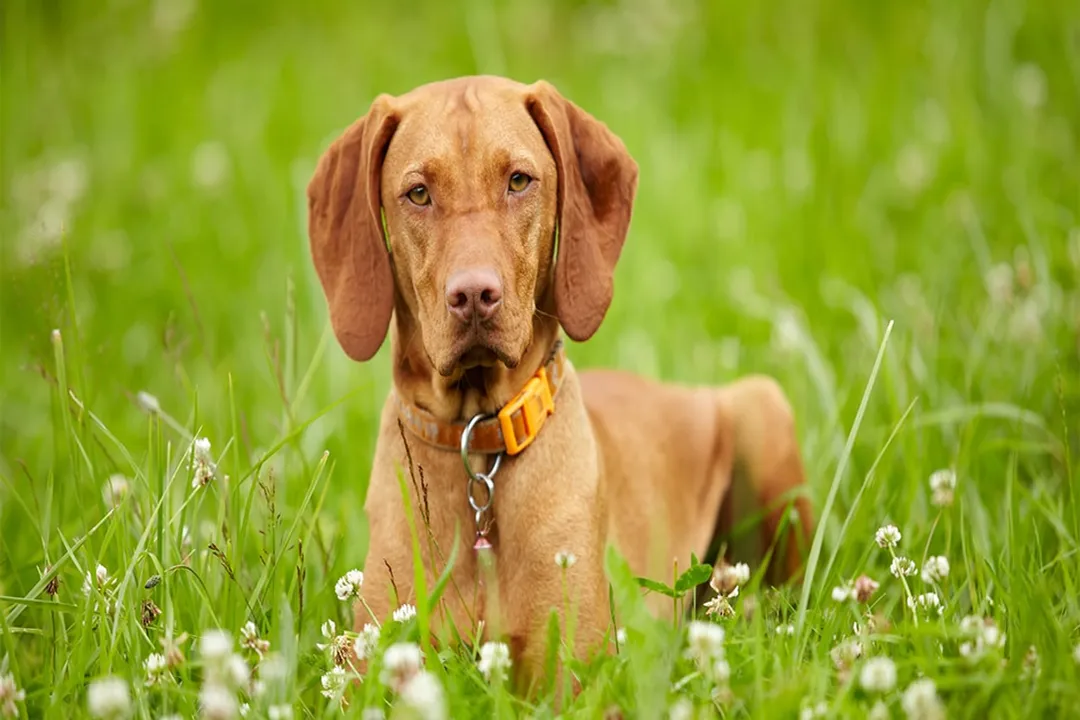
Nutrition must evolve as a Vizsla ages. The puppy phase is arguably the most sensitive period. Vizsla puppies require a specialized large-breed puppy formula. [4][7] The goal during this time is controlled growth rather than rapid growth. [5] Over-supplementation of calcium or feeding an adult formula designed for maintenance can cause too-rapid bone development, predisposing the dog to orthopedic problems later in life. [7]
Once fully grown, typically around 18 months, the diet should transition to an adult maintenance formula, adjusting the volume based on observed activity levels. [4] Senior Vizslas, who naturally slow down, may need fewer calories overall but could benefit from added supplements aimed at joint health, such as chondroitin and glucosamine, alongside easily digestible proteins. [7]

# Practical Management
Regardless of whether you choose kibble or raw, the how and when of feeding heavily influence health outcomes. [4] Most veterinarians and breed experts suggest splitting the daily allowance into two measured meals for adult dogs, rather than free-feeding. [2][4] This aids in digestion and allows owners to better monitor daily intake and stool quality. [9]
Comparing the two primary feeding philosophies reveals a slight difference in nutrient density. Highly concentrated dry kibble provides a set amount of calories per cup, whereas raw food density can vary significantly based on the fat content of the specific meats used that day. [3][1]
To gauge if the current dietary intake is truly spot-on for your individual dog’s energy expenditure, establishing a body condition score (BCS) rhythm is a non-negotiable step. A healthy Vizsla should possess a visible waistline when viewed from above, and their ribs should be easily palpable with minimal fat coverage when you run your hands along their side. [7] If you find yourself having to press firmly to locate the ribs, the caloric intake is likely too high, and a small reduction is warranted. [4] Conversely, if the ribs are sharply visible, they may need a slight boost in density or frequency. [9] This proactive adjustment, rather than waiting for obvious weight fluctuations, keeps the athletic structure intact far more effectively than simply adhering to the weight chart on a food bag. [4]
Related Questions
#Citations
Best Dog Food for Vizslas 2025
What do you feed your V's? : r/vizsla
What's the Best Dog Food for a Vizsla?
Recommended Food
Feeding & Nutrition
Choosing the Best Dog Food for the Health of you Vizslas
Hungarian Vizsla
Vizsla Dog Breed Information
What are some good diet options for Vizsla dogs?