What is good about Komondor?
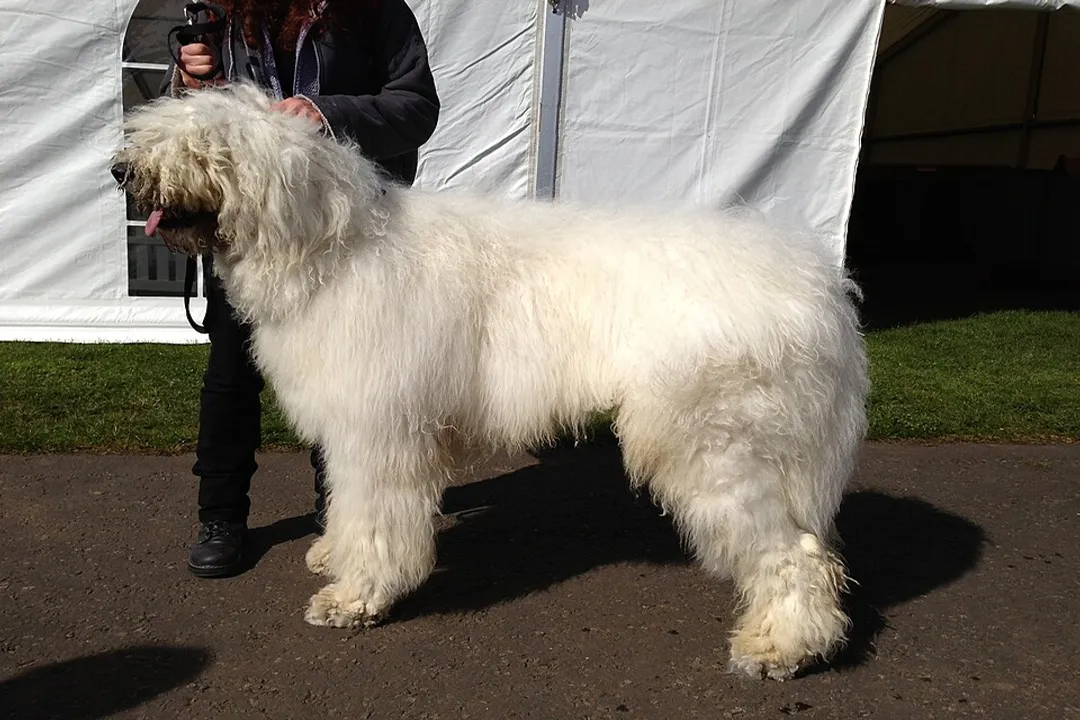
The Komondor, often known by the affectionate nickname "mop dog" due to its striking appearance, is an ancient breed originating in Hungary, where it has served as a livestock guardian for over a thousand years. This breed was brought to Europe by the nomadic Cumans and is so culturally significant in its homeland that it has been declared one of Hungary's national treasures, protected from modification. The core of what makes the Komondor good lies in its centuries of dedicated purpose: it is a natural, intelligent protector designed to live alongside and defend its flock, which in modern times often translates to guarding its human family and property.
# Guardian Instinct
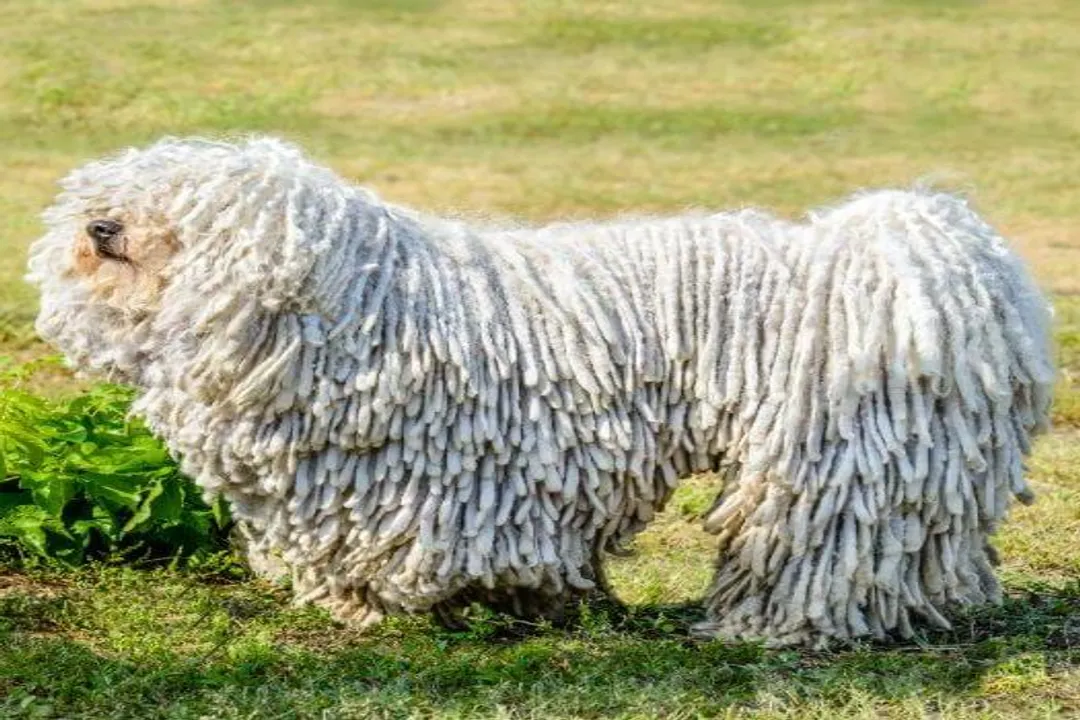
The defining positive trait of the Komondor is its inherent, instinctive guardian ability. Unlike some breeds that require intensive training to develop guarding instincts, the Komondor is genetically predisposed to be vigilant and protective of its charges—be they sheep, goats, or human family members—without needing to be prompted. In its historical role, it was relied upon to defend livestock against formidable predators like wolves and bears.
When guarding, the Komondor demonstrates a temperament that is typically calm and steady when all is quiet, resting or observing its surroundings during the day. This placid exterior belies incredible readiness; when a perceived threat materializes, the dog shifts instantly into action. This reaction is characterized by speed and power, sometimes involving a silent approach from a resting position. One of the most remarkable qualities of their defense strategy is containment over aggression. Stories suggest that if an intruder enters the property, the Komondor will often overpower the person—sometimes by bowling them over or sitting on them—and hold them there rather than pursuing or causing severe harm, provided the person stops resisting or acting aggressively. Furthermore, their awareness is confined to their territory; they typically will not chase an intruder beyond their defined boundaries. This capability to neutralize a threat through sheer presence and calculated physical restraint demonstrates an impressive level of judgment that is highly valued in a guardian.
# Family Bonds
While engineered for vigilance against outsiders, the Komondor forms deep, affectionate bonds with its family unit. They are devoted companions who accept family members and friends once introduced, and they possess an impressive memory, greeting people they have known for years as if no time has passed. This devotion often extends to being gentle with the family's children. When you are established as part of their "flock," the Komondor is a loving presence.
They are generally good with other family pets, often exhibiting protective instincts toward them as well. Their domestic behavior tends to be quiet indoors, only vocalizing or acting when they sense a genuine threat to those under their care. This loyal nature means they are happiest when they have someone or something to watch over, be it livestock or the people within the home. An owner who earns the dog's respect finds an attentive and loving companion that values partnership above servitude.

# Distinctive Coat
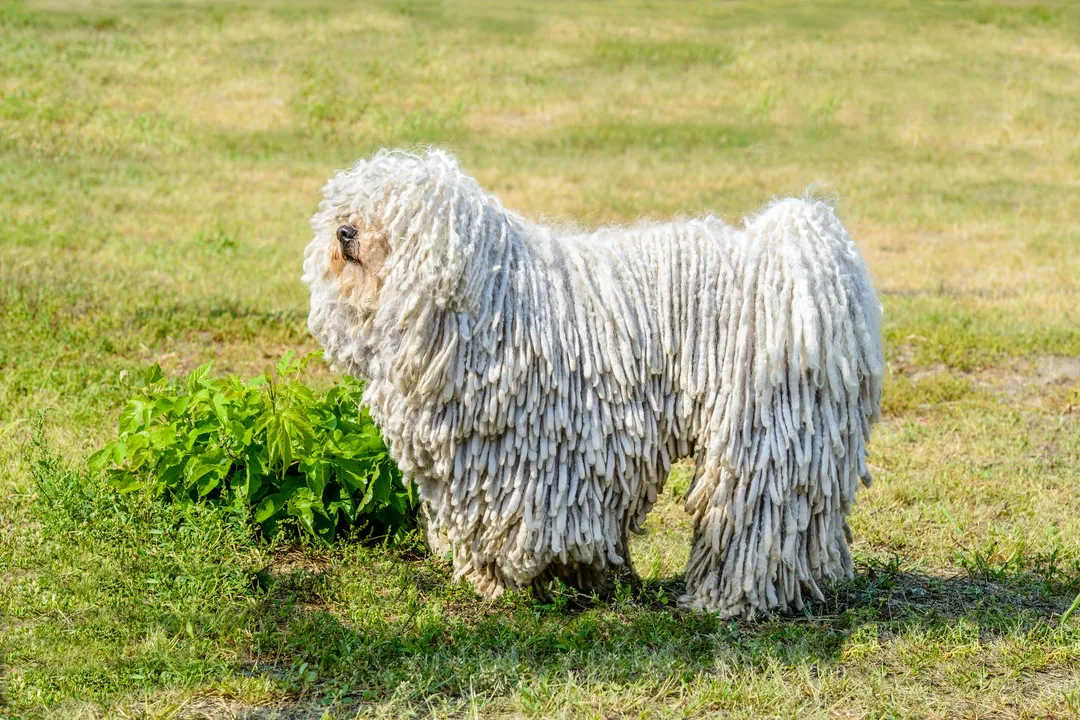
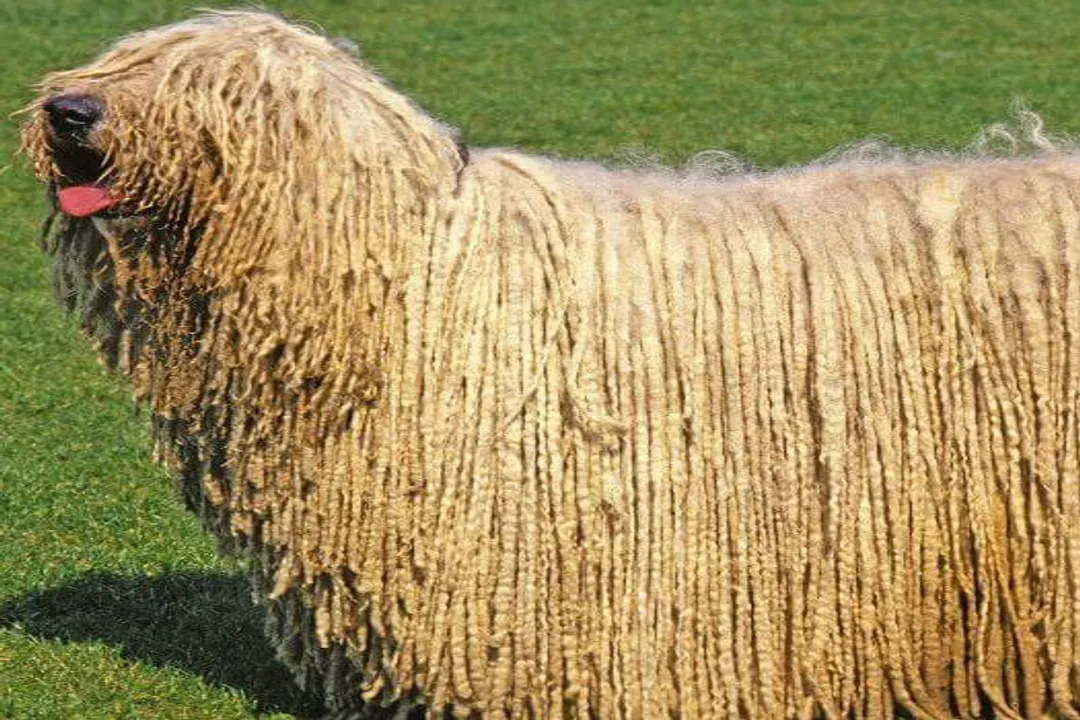
The most immediately noticeable asset of the Komondor is its massive, corded white coat, which is one of the heaviest in the canine world. This appearance, which resembles dreadlocks or a mop, is not merely aesthetic; it is a functional suit of armor developed over centuries. The dense, corded structure serves multiple protective functions: it provides insulation against harsh Hungarian weather, keeps the dog warm and dry, and critically, acts as thick body armor capable of deflecting or stopping the bites of predators like wolves.
Contrary to what many might assume about such a heavy coat, the Komondor does not shed heavily once the cords are fully formed. Moulting occurs primarily when the dog is a puppy, before the undercoat and outer coat combine into their mature, protective state. This low-shedding characteristic can make them a better choice for individuals sensitive to typical dog hair compared to breeds that shed profusely. The coat's structure, which allows air to pass through to the skin, actually helps with temperature regulation.
A particularly helpful, yet non-standard, strategy for managing the coat in a rural, non-show setting involves providing the dog with an elevated, partially covered resting area. This keeps the cords off damp ground overnight, which is when mildew risk is highest, and ensures air circulation underneath, significantly speeding up drying time after rain or bathing.
# Mental Prowess
The Komondor's intelligence is inseparable from its success as a guardian breed. They were bred not to herd, which is a reactive task, but to guard, which demands independent thought and decision-making. This means the Komondor is not simply looking for the next command; it analyzes situations, assesses risk, and acts according to its ingrained judgment.
This partnership style is different from many more biddable breeds. While an owner must be consistent and establish firm leadership, the Komondor thrives when training feels relevant and engaging, taking well to positive methods, patience, and kindness. However, they become obstinate when bored, and repetition in training is often counterproductive because the dog fails to see the point in repeating a task it has already mastered. An owner who works with a Komondor, treating it as a partner whose commands make sense, will find a highly capable companion. If a command seems illogical, such as a frivolous trick, the dog is likely to simply stop and look at the owner, questioning the directive. This deep intelligence and partnership dynamic is a significant benefit for the right owner, offering a dog that is thinking with you, not just for you.

# Lifestyle Match
The positive attributes of the Komondor—its size, independence, and protective nature—necessitate a specific lifestyle for the dog to truly thrive. A Komondor is best suited to an owner who can provide a rural or large property with extremely secure fencing. This is not a breed that handles busy urban environments well, as they can become stressed being constantly on high alert in high-traffic areas.
For the dedicated owner, the positives are immense: the dog is devoted and generally only needs about an hour of activity daily, supplemented by time devoted to training and mental challenges. Because their entire purpose revolves around guardianship, they are at their happiest when given a responsibility, whether it is monitoring livestock or their human family.
While the coat is protective, a key actionable tip for potential owners is to budget for the time required to manually separate the new growth at the base of the cords every couple of months, a task that few professional groomers can or will perform. This is less about bathing and more about physical maintenance of the fibers; for a working dog, this task is essential to keep the cords functional and prevent them from becoming one large, uncomfortable mat.
# Health Hardiness
A significant positive for this ancient breed is its general hardiness. Having been developed over centuries as a working stock dog, the Komondor is reported to suffer from relatively few hereditary health problems compared to some other breeds. This background means that, traditionally, they were bred for durability and soundness.
Responsible breeders often screen for common large-breed issues like hip dysplasia, and eye evaluations are also encouraged by the national breed club. However, owners must remain aware of conditions typical for large dogs, such as Gastric Dilatation-Volvulus (Bloat), a life-threatening emergency requiring immediate veterinary attention. Yet, the breed’s inherent toughness means many Komondors remain healthy well into their senior years. If an owner is prepared for the breed-specific maintenance, they often acquire a highly dependable and generally sound companion.
The Komondor offers a truly unique combination of physical awe, profound loyalty, and keen intellect. For the experienced owner willing to respect their independent nature and dedicate time to coat care, this breed provides an unparalleled sense of security coupled with deep, devoted companionship. They are not pets that exist merely to please; they are partners who make their own sound decisions, making life with them a constant, rewarding relationship built on earned respect.
Related Questions
#Citations
[Discussion] Meet the Komondor, one of the very best guard dogs in ...
Komondor Dog Breed Information - American Kennel Club
About The Komondor
Komondor - Wikipedia
Is a Komondor the Right Dog for You?
Komondor: Dog Breed Characteristics & Care - The Spruce Pets
Komondor Dog Breed Information | Purina UK