What is a pugshire dog?

The Pugshire is a charming crossbreed, the affectionate result of mixing a Pug with a Yorkshire Terrier. [1][5] This designer dog, sometimes called a Pug-Yorkie mix, has gained recognition for its appealing combination of traits inherited from both parent breeds. [3][5] As with many hybrid dogs, potential owners are drawn to the possibility of getting the best of both worlds—a small, relatively portable companion dog with a distinct personality. [4]
# Parent Traits

Understanding the Pugshire starts with recognizing its lineage. The Pug brings its ancient, companionable nature, known for being even-tempered, playful, and deeply devoted to its people. [1] Pugs often carry a moderate energy level and a desire to be near their owners constantly. [1]
On the other side is the spirited Yorkshire Terrier, a brave and feisty little dog originally bred to catch rats in mills. [4] Yorkies are intelligent, fiercely loyal, and possess a surprisingly big-dog attitude packed into a tiny frame. [4] They are alert and can be quite vocal, characteristics that sometimes surface in their offspring. [4]
When these two breeds meet, the resulting Pugshire can exhibit a fascinating mix of temperaments. [1] An owner might find a dog that has the affectionate lap-dog nature of the Pug, coupled with the curious, sometimes bossy confidence of the Yorkie. [3] This blending means that while they aim to please, they might also possess a stubborn streak inherited from one or both parents, requiring consistent training. [3]
# Physical Structure
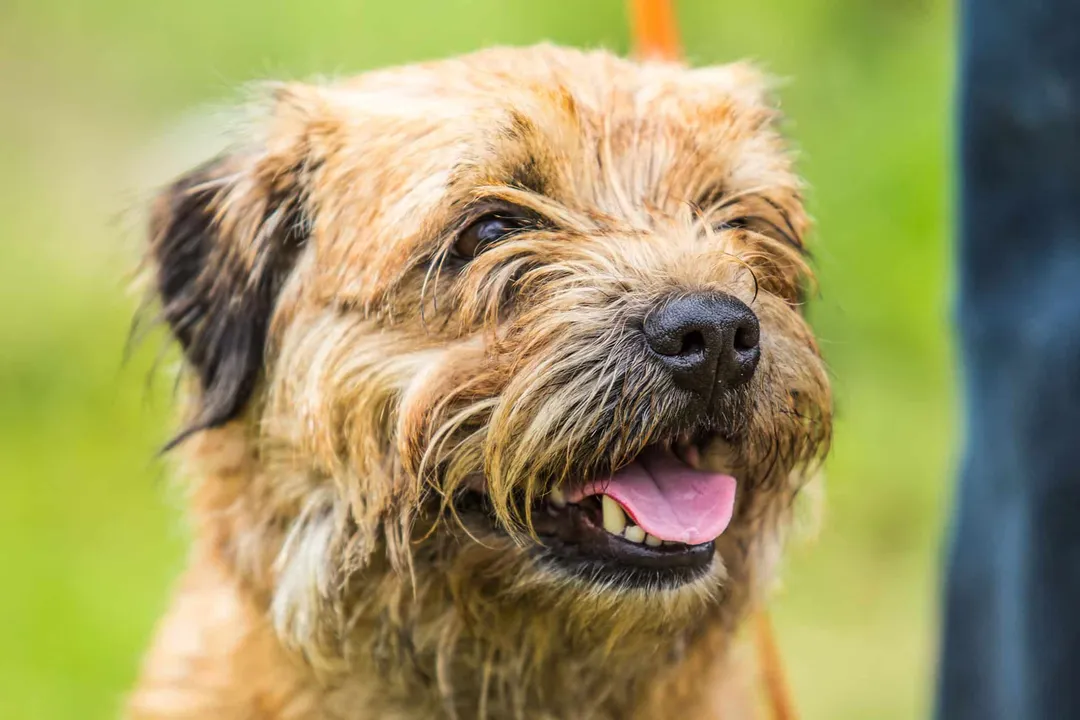
Pugshires generally fit into the category of a small or toy dog breed. [2][4] Because they are a crossbreed, their exact appearance can vary considerably depending on which parent's genes are more dominant in that individual puppy. [4] This variability is a key characteristic of designer dogs; one litter might produce puppies that look predominantly Pug-like, while others might lean toward the Yorkie's fine coat and body structure. [4]
A typical Pugshire usually stands somewhere between 7 to 15 inches tall at the shoulder. [2] Their weight generally falls into the 8 to 18-pound range. [2][4] This smaller stature makes them excellent candidates for apartment living, provided their exercise needs are met. [4]
The head shape is often a blend. While the Pug is known for its brachycephalic (pushed-in) face, a Pugshire may have a slightly longer muzzle, though it will likely retain some of the characteristic wrinkling. [1] Their ears might flop like a Pug's or stand semi-erect like a Yorkie's, or they could present as a soft fold. [1]
# Coat Variability
The coat is perhaps the most variable feature of the Pugshire. [1] Pugs have a short, smooth coat, while Yorkshire Terriers possess a long, silky, fine coat that is often described as hair rather than fur. [1][4] A Pugshire puppy could inherit the short, dense coat of the Pug, requiring minimal grooming, or the long, flowing coat of the Yorkie, demanding daily maintenance to prevent mats and tangles. [4] Some dogs may end up with an intermediate length, medium-texture coat that sits somewhere in between the two extremes. [1] Their color palette often reflects the parents, featuring fawn, black, tan, or various combinations thereof. [1]
If you are looking at a litter, observing the parents can give you the best clue, but even then, genetics are unpredictable. For instance, if an F1 Pugshire (first generation cross) happens to be bred back to a purebred Pug (a backcross), the chances of inheriting the short coat and more pronounced Pug facial structure increase significantly. [5] This inherent randomness means potential owners should be prepared for the grooming commitment regardless of the initial puppy coat appearance.
# Temperament and Companionship

The core appeal of the Pugshire lies in its role as a dedicated companion. [3] They generally thrive on human interaction and do not do well when left alone for long periods. [1] They possess a natural desire to be near their family, often preferring to perch on a lap or stay close by on the couch. [1][3]
Owners often describe them as playful, amusing, and very affectionate. [1] The combination of the Pug’s inherent clownishness and the Yorkie’s feistiness results in a dog with a lot of character in a small package. [3] They tend to be good with children, provided the children are taught how to interact gently with a small dog, as their small size makes them vulnerable to rough handling. [4] Socialization is important to ensure they grow up confident and well-adjusted. [3]
While they are loving, they are also intelligent and attentive, making them good watchdogs. They will certainly alert their household to the presence of strangers with barking, a trait inherited from the alert nature of the Yorkshire Terrier. [1][4] This tendency to bark means early training to manage excessive noise is often necessary, especially for apartment dwellers. [3]
# Health and Lifespan

As a crossbreed, the Pugshire benefits from what is sometimes called hybrid vigor, meaning they may have fewer hereditary health issues than some purebred lines, though this is not guaranteed. [4] However, they remain susceptible to the common health problems associated with both parent breeds. [1][2]
Potential concerns inherited from the Pug side include breathing difficulties due to their facial structure, especially in hot or humid weather, and eye problems common in flat-faced breeds. [1] Eye issues can include conditions like cherry eye. [1] Additionally, Pug-related genetics can predispose them to spinal problems. [1]
From the Yorkshire Terrier side, potential concerns can include luxating patellas (a slipping kneecap) and issues related to small breed size, such as dental problems. [2][4] Responsible breeders screen their parent dogs for known hereditary conditions, which is always the best way to minimize risk, even in mixed breeds. [2]
The expected lifespan for a healthy Pugshire is generally in the range of 10 to 15 years. [2][4] Regular veterinary check-ups are crucial for catching potential issues early. [2]
# Daily Management
Caring for a Pugshire involves addressing their exercise, diet, and grooming needs, all influenced by their mixed heritage.
# Exercise Demands
Despite their small size, Pugshires are not purely sedentary dogs. [3] They require daily, moderate exercise to keep them healthy and to burn off any excess energy stemming from their Yorkie parentage. [1] A couple of short walks around the block each day, supplemented with indoor playtime or a short romp in a securely fenced yard, is usually sufficient. [3] Owners need to be mindful of their breathing; if the dog starts panting heavily or seems distressed, especially in the heat, exercise should cease immediately due to the potential for brachycephalic airway syndrome. [1]
# Grooming Routine
The grooming routine is entirely dependent on the coat the dog inherits. [4]
If the dog gets the short, smooth coat:
- Weekly brushing is usually enough to remove loose hair and keep the coat healthy. [1]
- Shedding is generally moderate. [1]
If the dog gets the long, silky coat:
- Daily line brushing is often necessary to prevent painful mats and tangles. [4]
- Professional grooming or regular trims will be required to keep the coat manageable. [4]
- Shedding might be lower than the short-coated version, but the maintenance level skyrockets. [1]
Regardless of coat type, routine nail trimming, ear checks (especially if the ears flop, as they can trap moisture), and regular dental care are essential components of maintenance for any small breed dog. [2]
# Training Approach
Training a Pugshire requires patience and consistency, blending positive reinforcement with an understanding of their independent streaks. [3] They are smart dogs, capable of learning quickly, but they can also become easily distracted or decide they know better. [3]
Because they bond so tightly to their owners, separation anxiety can be a significant issue if not managed from puppyhood. [1] Start early with crate training and short departures to build independence. [1] Using high-value treats and praise works best, as harsh corrections are likely to shut down a sensitive Pugshire. [3] Group training classes can be beneficial, not only for learning but also for ensuring proper socialization with strange dogs and people early on. [3]
# Suitability for Different Homes
The Pugshire is generally best suited for homes where someone is often present. They truly thrive on companionship. [1] They can adapt well to various living situations, including houses and apartments, as long as their daily walk requirements are consistently met. [4] If you live in a smaller urban apartment, managing their tendency to bark at noises outside or visitors will be a primary focus during early training. However, because they are generally small and don't require strenuous activity, they won't need a large yard, making them excellent city companions when properly exercised and socialized. [3] If an owner works very long hours away from home, this breed might struggle significantly with loneliness and boredom, potentially leading to destructive behaviors.
# Breed Recognition Status
It is important for prospective owners to understand that the Pugshire is not recognized by major kennel clubs like the American Kennel Club (AKC). [2] This means they cannot compete in official breed conformation shows, and their registration status will fall under a designer dog registry or perhaps not at all. [2] This lack of official recognition underscores the primary factor in ownership: the unpredictable mix of traits derived from two distinct purebred lines. [4] Potential adopters often find these dogs through rescues that specialize in Pug or Terrier mixes, or through private breeders specializing in designer crosses. [2][5]
# Summary of Key Features
| Trait | Pugshire Characteristic | Parent Influence |
|---|---|---|
| Size | Small/Toy, 8-18 lbs | Both parents |
| Lifespan | 10–15 Years | Both parents |
| Activity | Moderate; daily walks needed | Pug (low/moderate), Yorkie (moderate/high) |
| Coat | Highly variable (short/smooth to long/silky) | Extreme variation between parents |
| Temperament | Affectionate, playful, sometimes stubborn | Pug (easygoing), Yorkie (feisty) |
This blend of characteristics makes the Pugshire a captivating option for dog lovers who appreciate personality, loyalty, and a small-to-medium commitment level regarding space, while being prepared for the grooming lottery inherent in hybrid litters.
#Videos
Pug Yorkie Mix AKA Pugshire Breed Information - YouTube
Related Questions
#Citations
Pugshire Dog Breed Information and Pictures
Pugshire Dog Breed Complete Guide - A-Z Animals
Pugshire (Pug & Yorkshire Terrier Mix) Dog Breed - Dogster
Pugshire Dog Breed Health, Temperament, Feeding and Puppies
THE PUGSHIRE - Pug Yorkie Mix Breed Quick Info
Pugshire Dog Breed Information and Pictures - Pinterest
Pugshire - Facebook
Are cross breeds welcome I have a pugshire : r/Yorkies - Reddit
Pug Yorkie Mix AKA Pugshire Breed Information - YouTube