What is a Corgi a descendant of?
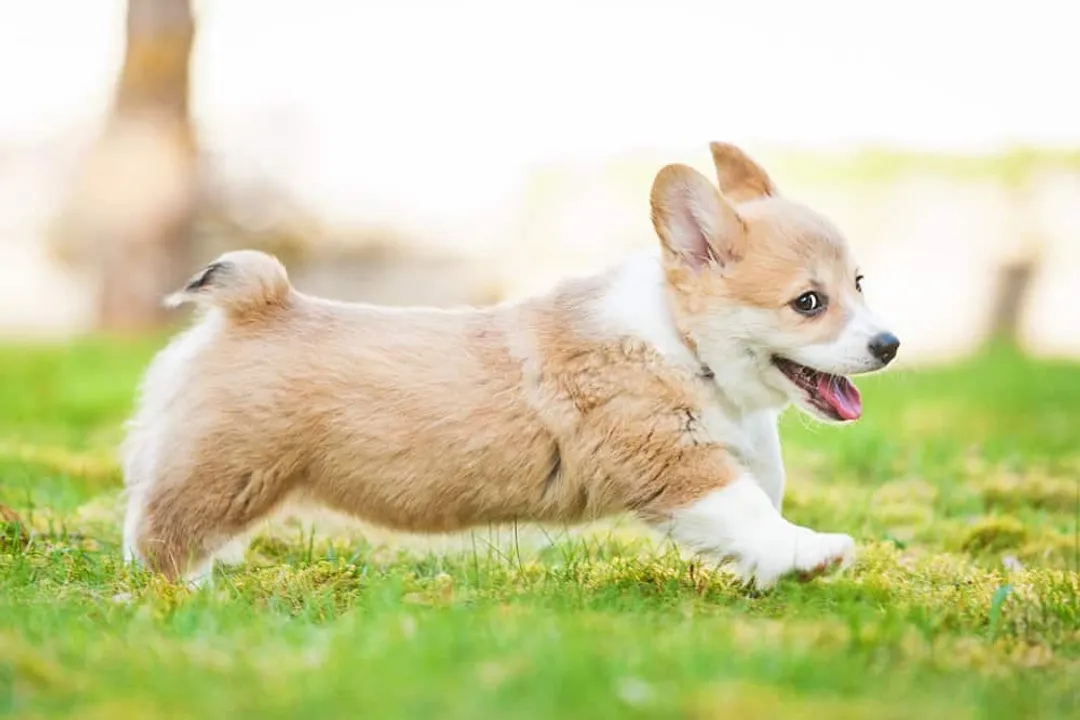
The diminutive stature of the Corgi—all big personality packed onto short legs—often leads people to wonder about their ancient lineage. These delightful, working dogs hold a place as one of Britain’s oldest breeds, but tracing their exact family tree reveals a fascinating, slightly complex history involving at least two distinct varieties, the Pembroke and the Cardigan, each with subtly different potential ancestral paths. [4][9]
# Ancient British Roots
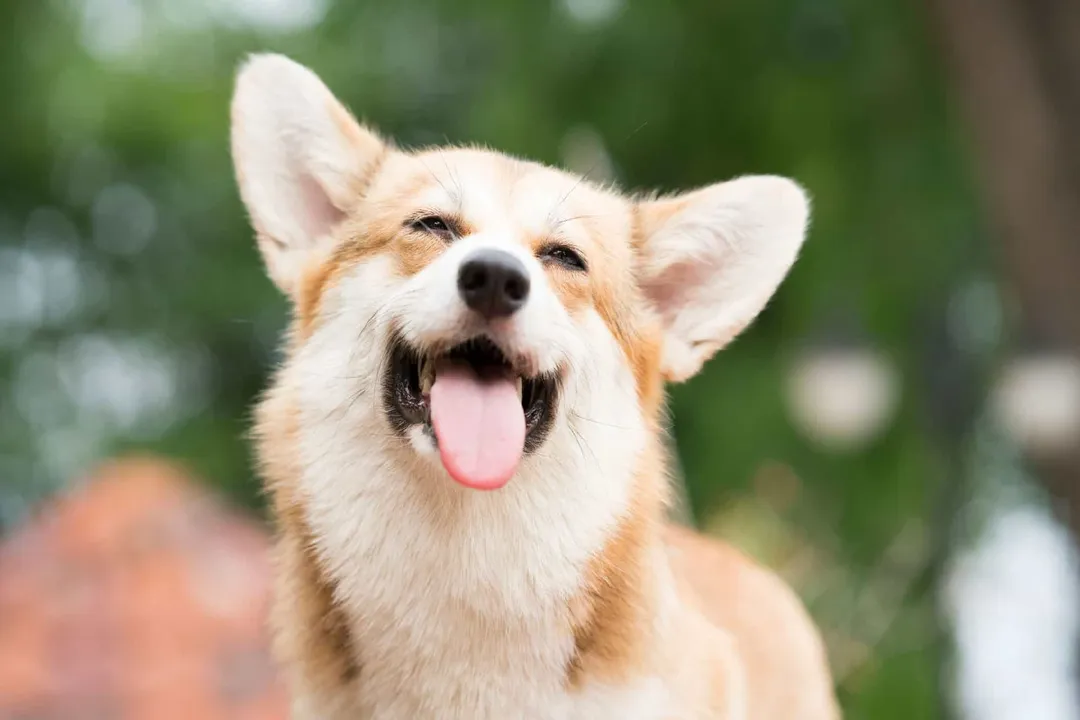
The story of the Corgi begins in Wales, where they have been present for centuries, likely earning their keep by driving cattle across the often rugged terrain. [7][4] The breeds are recognized as being among the oldest dog breeds in Great Britain. [4] While both the Pembroke Welsh Corgi and the Cardigan Welsh Corgi share the general name and herding heritage, they are considered separate breeds with different histories, despite their visual similarities. [5][9] It is crucial to distinguish between the two when discussing ancestry, as the historical consensus often points to different influences for each type. [3]
# Progenitor Theories
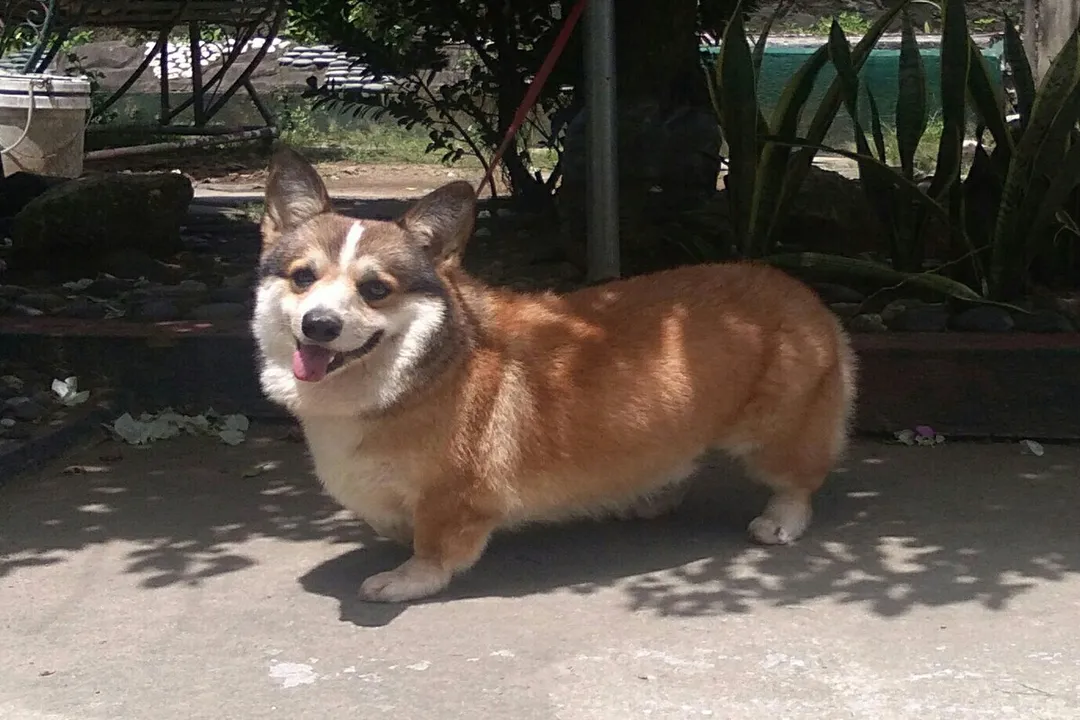
When we ask what a Corgi descends from, the answer points toward a family of dogs known as the Vallhunds. [4][7] Specifically, the influence of the Vallhund of Flanders is often cited in discussions about their origins. [4] Another significant theory suggests that the dogs were brought to Wales by Belgian weavers. [1][5] These weavers, possibly traveling through Europe, introduced their dogs, which may have been related to the Teckel type dogs. [1][5]
The connection between the two breeds and these ancestral influences sometimes overlaps or differs depending on which Corgi variety is being discussed. For instance, the Cardigan’s lineage is sometimes specifically linked to the dogs brought by the Belgian weavers. [3] Conversely, the Pembroke’s ancestry is frequently tied to the Vallhunds brought over by the Vikings. [3][4] This suggests that what we see as one breed today may actually be the result of two separate, albeit overlapping, historical introductions into the Welsh farming communities. [3]
# Pembroke Lineage
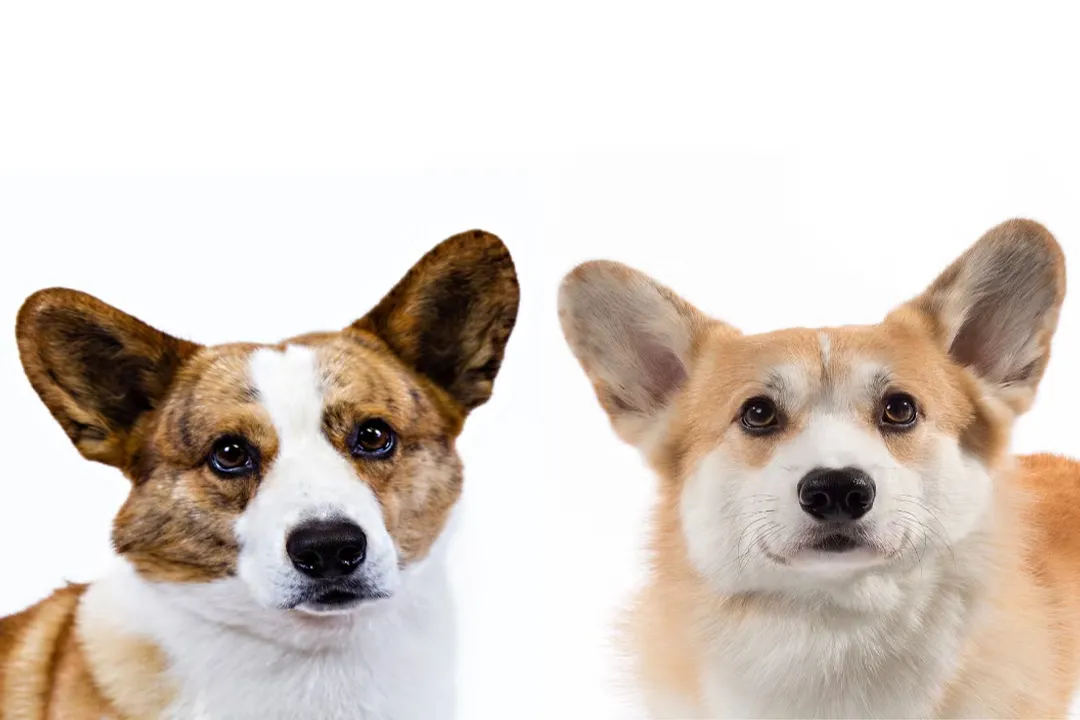
The Pembroke Welsh Corgi has a history often intertwined with Scandinavian influence, specifically through the Vallhund. [4] The relationship between the Pembroke and breeds like the Icelandic Sheepdog and the Norwegian Elkhound is often noted, suggesting a shared genetic foundation stemming from those Viking connections. [1][5] The presence of these Nordic dogs in Britain during the Viking era would naturally have led to interbreeding with existing local herding dogs, eventually solidifying the traits that define the modern Pembroke. [3]
The Pembroke Welsh Corgi is sometimes referred to as the "Lesser Welsh Dog," a name that suggests it might be the newer or slightly different descendant when compared to the Cardigan, which is often considered the older type. [3] While both are herding dogs, the specific impact of the Vallhund lineage on the Pembroke is what distinguishes its evolutionary path from its cousin. [4]
# Cardigan Ancestry
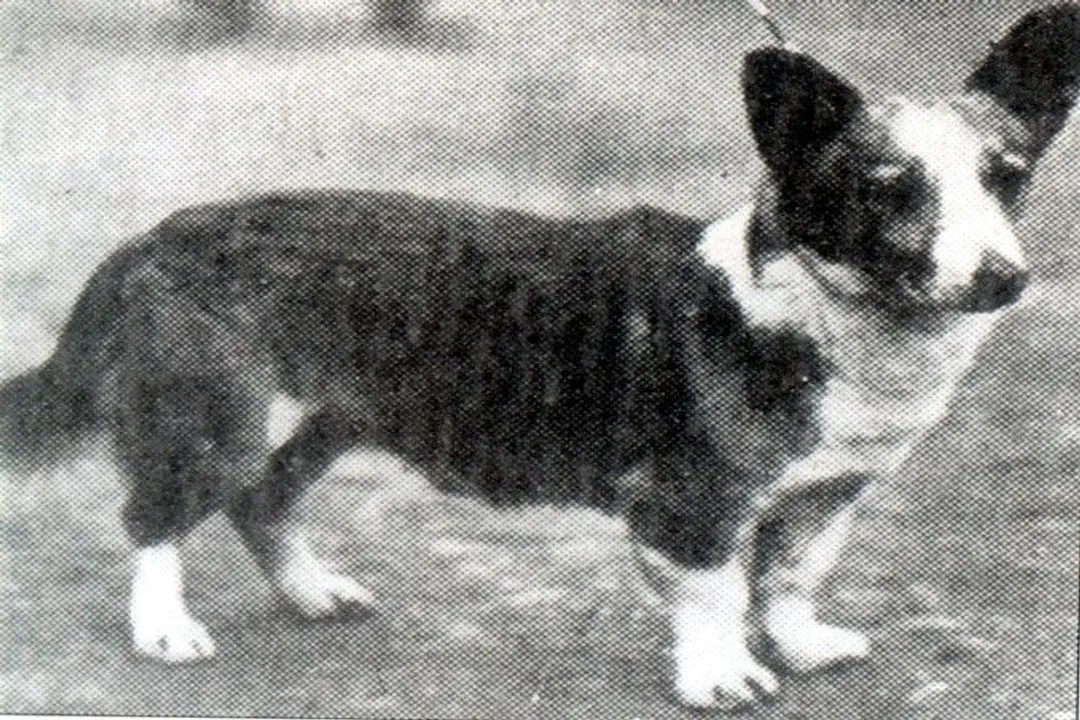
The Cardigan Welsh Corgi, often noted for its slightly longer body and fox-like tail (unlike the naturally bobbed or docked tail often seen in Pembrokes), [5] may possess a slightly longer, more continuous history within Wales. [3] As mentioned, the Cardigan lineage is frequently associated with the dogs introduced by the Belgian weavers who brought the Teckel types of dogs to the region. [3][5]
This association with the Teckel family suggests an ancient connection to the primitive German and European dogs that predate the modern Dachshund. If the Cardigan truly traces back more closely to these early introductions, it supports the idea that the Cardigan is the older of the two breeds. [3] The foundational structure and working style of the Cardigan might therefore owe more to the dogs accompanying these early European travelers than the later Scandinavian arrivals influencing the Pembroke. [4]
# Distinguishing the Lines
While both breeds share the "Corgi" moniker and the vital herding instincts, their distinct ancestry helps explain why kennel clubs recognize them as separate entities. [5] If you examine the historical narrative, one path involves the Nordic/Viking dogs (Pembroke), and the other involves the Continental European/Weaver dogs (Cardigan). [3][4]
It is worth noting that when considering their ancestral duties, both dogs were built low to the ground for a very specific, shared reason: cattle herding. [7] A dog that is low-set is better equipped to nip at the heels of cattle—the "heeler" role—while simultaneously ducking underneath the inevitable defensive kicks from the livestock. [7] This functional convergence in Wales likely meant that the working dogs of the Vikings and the dogs of the weavers were sometimes used together or even interbred in early days, leading to a blurring of the ancestral lines before formal breed recognition separated them. [9] The persistence of the two distinct lines today suggests that breeders recognized subtle differences in conformation or temperament that corresponded to the primary ancestral influence. [5]
Here is a conceptual comparison of the perceived ancestral influences:
| Breed Trait Focus | Primary Ancestral Theory | Associated Group/Dog Type |
|---|---|---|
| Pembroke | Stronger Viking/Nordic link | Vallhund, Icelandic Sheepdog, Norwegian Elkhound [1][4] |
| Cardigan | Earlier European link | Belgian Weavers, Teckel-type dogs [3][5] |
Understanding this dual origin provides insight into why breeders and enthusiasts focus so much on the subtle differences in head shape or tail carriage; these physical traits become the visible markers of the slightly divergent evolutionary paths these dogs took across the centuries in Wales. [5]
# The Herding Mandate
Regardless of whether the initial stock came via Viking longships or Flemish trade routes, the Corgis were bred for the same demanding job: working livestock on farms. [7] In Wales, a country characterized by small farms and often wet, open land, dogs needed to be tough, intelligent, and physically specialized for cattle management. [4] They were expected to be tenacious workers, capable of moving stubborn cows and sheep. [7]
Their short legs were not an accident of nature; they were a feature deliberately selected for. [7] In the world of cattle herding, being low to the ground is a massive tactical advantage, allowing the dog to avoid injury when a large animal attempts to strike back. [7] They needed enough speed and agility to quickly reposition, but their primary success came from being difficult for the cattle to track and kick effectively. [7] This required a dog with immense confidence and an innate understanding of livestock movement, skills honed over generations of practical application rather than just conformation showing. [4] This deep-seated herding instinct remains strong in the breed today, even in companion animals living miles from the nearest cow pasture. [7]
If you look at a Corgi today, you see the culmination of this intense, practical selection process. A dog bred for survival and efficiency on a working farm will always have a different build and temperament than one bred purely for companionship or specialized aesthetics. The Corgi’s intelligence, often described as being quite high, was necessary not just for learning commands, but for problem-solving in unpredictable herding situations where the dog had to make independent decisions about animal management. [4]
# The Enduring Physical Legacy
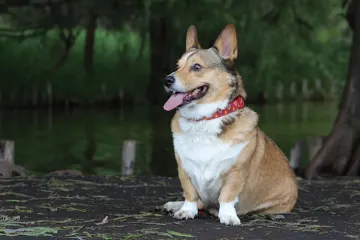
The distinct physical structure, particularly the short legs, is the most obvious physical inheritance from these ancestors. [7] It’s an excellent example of how function dictates form in working breeds. While the Viking/Vallhund path might have introduced some differences in bone structure or coat type that led to the Pembroke, and the Teckel path might have reinforced others for the Cardigan, the low center of gravity is the universal inheritance. [1][5]
When comparing the two today, one interesting observation is how the modern breed standards reflect a slight divergence from the ancestral type. The Cardigan, sometimes considered the older line, has retained the long, fox-like tail. [5] In contrast, the Pembroke was historically associated with docking or natural bobtails, a trait sometimes linked to the influence of the Vallhund, though the history of tail docking is complex and involves more than just ancestral purity. [1][5] This suggests that while the foundational job—herding cattle—was the same, the slight variations in ancestral introduction led to two distinct, albeit related, breeds recognized by kennel clubs today. [3][5] It’s a rare scenario where two breeds share a name and origin story but possess separate, traceable paths derived from different continental influences arriving at different times. [3][4]
The sheer longevity of the breed—being present in Britain for well over a thousand years—means that the exact moment the Cardigan diverged from the Pembroke, or when the Vallhund influence cemented the Pembroke’s type, is lost to time, leaving us with these two wonderful, slightly different working legacies. [4] They are living historical documents, each carrying the genetic echoes of the dogs that first arrived on Welsh shores centuries ago to help manage livestock. [9]
Related Questions
#Citations
Pembroke Welsh Corgi - Wikipedia
Swedish vallhund and corgi ancestry - Facebook
History of the Cardigan Welsh Corgi
History of the Breed - Mayflower Pembroke Welsh Corgi Club
The Cardigan Welsh Corgi vs. the Pembroke Welsh Corgi
Pembroke Welsh Corgi | breed of dog - Britannica
What Were Corgis Bred For? Original History, Jobs and Role
Breed Post: Corgi - Tails.com Blog