How do you get rid of ashy mining bees?
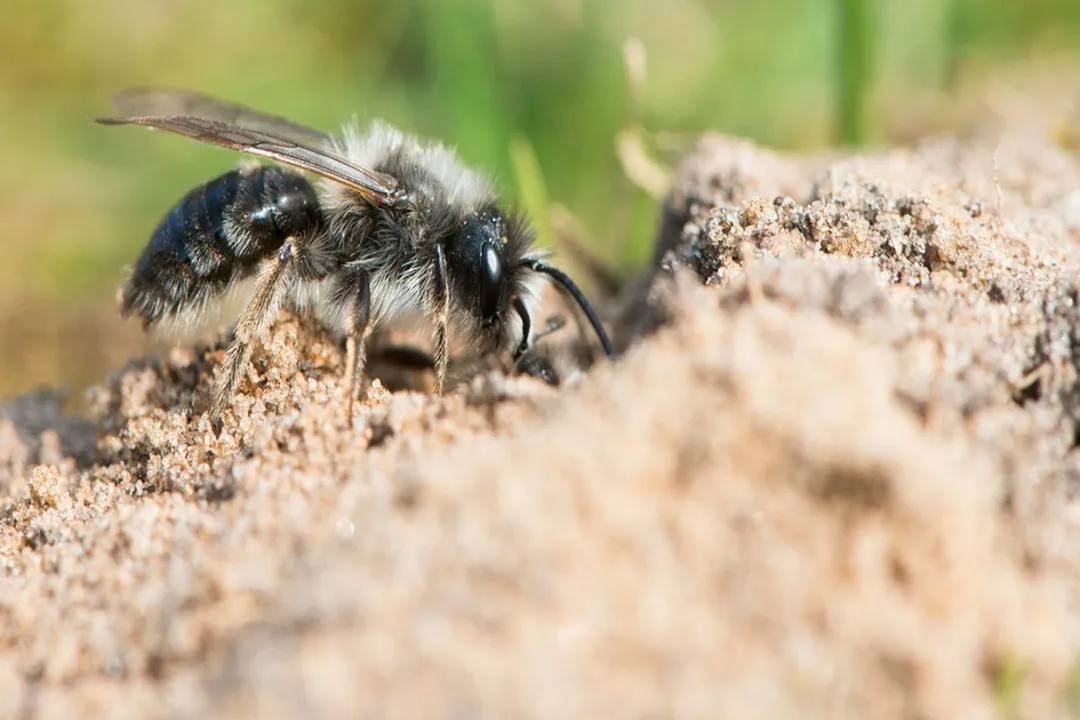
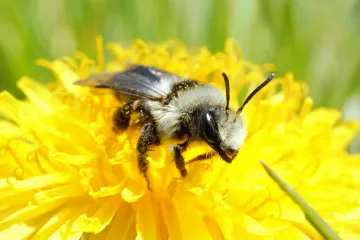
The sudden appearance of small mounds of earth, often looking like tiny volcanoes topped with fine soil or ash, in a otherwise pristine lawn can cause alarm, leading many homeowners to search for immediate removal solutions for the creatures responsible: the ashy mining bee (Andrena cineraria). [2][7] These solitary bees, characterized by their dark grey or black bodies with distinctive light grey or white stripes on the thorax, are an increasingly common sight as they emerge during the spring months, typically from March through June. [4][5] Unlike social bees, they do not live in large colonies, nor do they possess aggressive tendencies; in fact, they are generally considered quite docile and are very unlikely to sting unless they are physically trapped or handled roughly. [1][4]
# Bee Identification
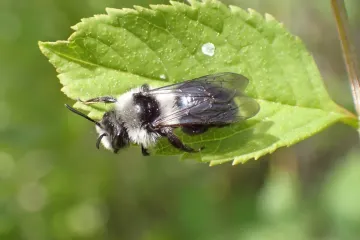
Distinguishing the ashy mining bee from other native species is helpful before considering any management strategy. [7] They are solitary ground-nesters, meaning each female constructs and provisions her own individual nest. [5] Their relatively stocky build and coloration help set them apart, though they can sometimes be confused with other mining bees or even hoverflies, which mimic bees. [7] One key feature is the distinctive pale, ashy-grey band across the top of their thorax, which gives them their common name. [5] They are important pollinators, active when many other bee species are not yet fully active, often being one of the first bees seen in the spring. [5][10]
# Ground Nesting
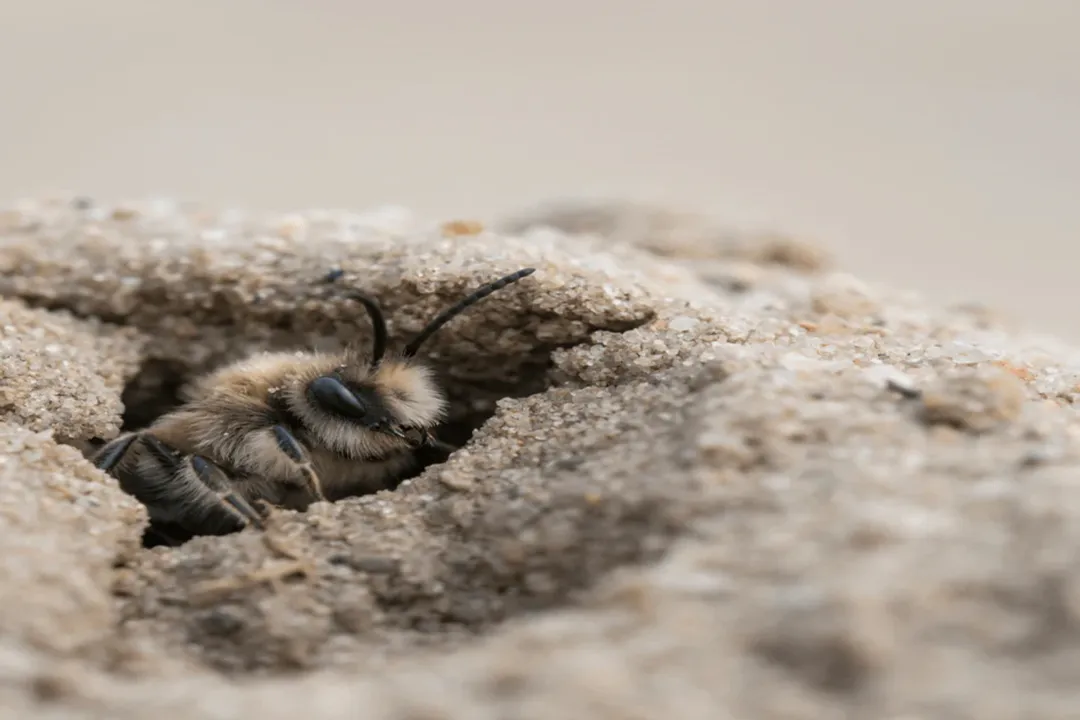
The primary reason people seek to "get rid" of these bees is the visible evidence of their nesting activity in lawns or bare ground. [2][10] The female digs a burrow, which is often marked by a small entrance hole, typically measuring about 10mm wide, sometimes surrounded by a little ring of fine soil or sand—the "ashy" appearance some observers note. [7][10] They do not build above-ground nests like wasps or honeybees. [5] A single female will create several individual nest cells underground, provisioning each one with a mixture of pollen and nectar for her developing larva. [1][4] If you see dozens of these small holes, it simply indicates that many individual females have chosen that patch of ground for their single-occupancy homes, not a massive swarm. [2]
It is important to contrast this behavior with pests that cause structural damage. While the holes themselves can be unsightly, the ashy mining bee causes virtually no structural harm to turf, unlike large infestations of soil-dwelling beetle larvae, such as chafer grubs, which feed on roots and cause widespread lawn die-off. [1] The mining bee activity is temporary and directly related to reproduction, not sustained feeding on the lawn itself. [1]
# Ecological Importance
Before taking any action intended to eliminate these bees, it is vital to understand the significant ecological role they fulfill. [5] Ashy mining bees are primary pollinators. [5] They are crucial for feeding on and transferring pollen for early-flowering plants, including fruit trees, blossoms, and garden flowers. [10] In the United Kingdom, for example, they are one of the first solitary bees to emerge, making their contribution to early spring pollination particularly valuable. [4] Removing them means removing vital early-season support for local flora. [1][5] Given the global decline in bee populations, protecting native solitary bees like Andrena cineraria is strongly advocated by conservation groups. [4][5]
# Timing Control
The most effective and humane approach hinges entirely on timing, acknowledging that the presence of the adult bees is a short-term event tied to their reproductive cycle. [1] Ashy mining bees are typically present above ground from early spring until early summer, usually emerging in March and being largely gone by June or July once the females have laid their eggs and the larvae are developing underground. [4][5]
If your primary goal is simply to reclaim your lawn aesthetically after the nesting season, the best course of action is patience. [1] Wait until late summer or autumn, well after the last bee has been seen flying, before filling the holes or heavily rolling the area. [1] Disturbing the soil actively while the bees are flying in spring is generally counterproductive and risks harming the developing brood inside the chambers. [5]
For homeowners who absolutely cannot tolerate the sight of the holes during the active season—perhaps due to high foot traffic or children playing near the activity—a slightly more hands-on, though still non-lethal, management technique can be employed carefully. Instead of using chemicals, which are strongly advised against due to collateral damage to beneficial soil biology and other insects, [1][4] you can physically block the entrances once the bees have left the area for foraging trips. A method that involves gently tamping down the soil mound with the back of a rake or lightly rolling the area after confirming the bees have left for the day, and repeating this process gently over several days, can sometimes discourage them from re-establishing that exact spot, though they may simply dig elsewhere nearby. [1]
Here is a simple seasonal checklist for management based on timing:
| Season | Bee Activity Level | Recommended Action | Notes |
|---|---|---|---|
| Early Spring (Mar–Apr) | Peak emergence, active nesting, mating. | Observe only. Avoid disturbing soil.[1] | This is when they are most crucial for early pollination. |
| Late Spring (May–Jun) | Foraging for nectar/pollen, cell provisioning. | Limit heavy traffic near holes; allow natural decline.[1] | Pesticides must never be used here.[4] |
| Summer (Jul–Aug) | Adults mostly gone; larvae developing underground. | Fill holes lightly with soil or cover with netting if preferred.[1] | The risk to the next generation is minimal now. |
| Autumn/Winter | Dormant period underground. | Overseed bare patches; allow lawn health to return. | Prepare the area for the following spring. |
# Lawn Harmony
Achieving a state of "lawn harmony" means accepting a small degree of natural imperfection in exchange for supporting local wildlife. [10] If you have a large area affected, you might consider slightly altering the lawn structure in the following season to make it less appealing to excavators next year. Ashy mining bees prefer bare, well-drained soil that is relatively undisturbed. [5]
One subtle way to influence future nesting sites, which requires a bit of homeowner commitment, is to slightly increase the thatch layer or compaction in the main nesting zone over the winter months. [1] While heavy compaction can harm the grass, slight increases in density or maintaining a very short, dense turf throughout the year can make digging slightly more difficult for the emerging females next spring. Alternatively, creating designated "wild corners" or leaving a patch of undisturbed, slightly thinner ground far from play areas can draw the bees away from highly managed zones, a form of positive habitat management that often works better than negative deterrents. [4]
If you notice that one specific area of your lawn, perhaps a south-facing slope with thin grass, seems to attract all the activity every year, consider that small area a pollinator zone for a few weeks in spring. Accepting the appearance of several dozen small holes for a short window is the simplest path to avoiding chemicals and ensuring the continuation of these helpful, non-aggressive insects. [1][4] Remember, the buzzing you hear is not an aggressive threat, but the sound of essential garden work being completed right underfoot. [5]
Related Questions
#Citations
What to do with Mining Bees - SwarmCatcher
Lawn absolutely seething with ashy mining bees today - Reddit
Can anyone give me some advice on protecting a ashy mining bee ...
Ashy Mining Bee - Beevive
Ashy mining bee | The Wildlife Trusts
Mining Bee | Bee Removal & Honey Bee Removal | BeeGone
Ashy mining bee - Bumblebee Conservation Trust
Mining Bees: What do They do? | BBC Gardeners World Magazine