What are the weaknesses of a Papillon dog?
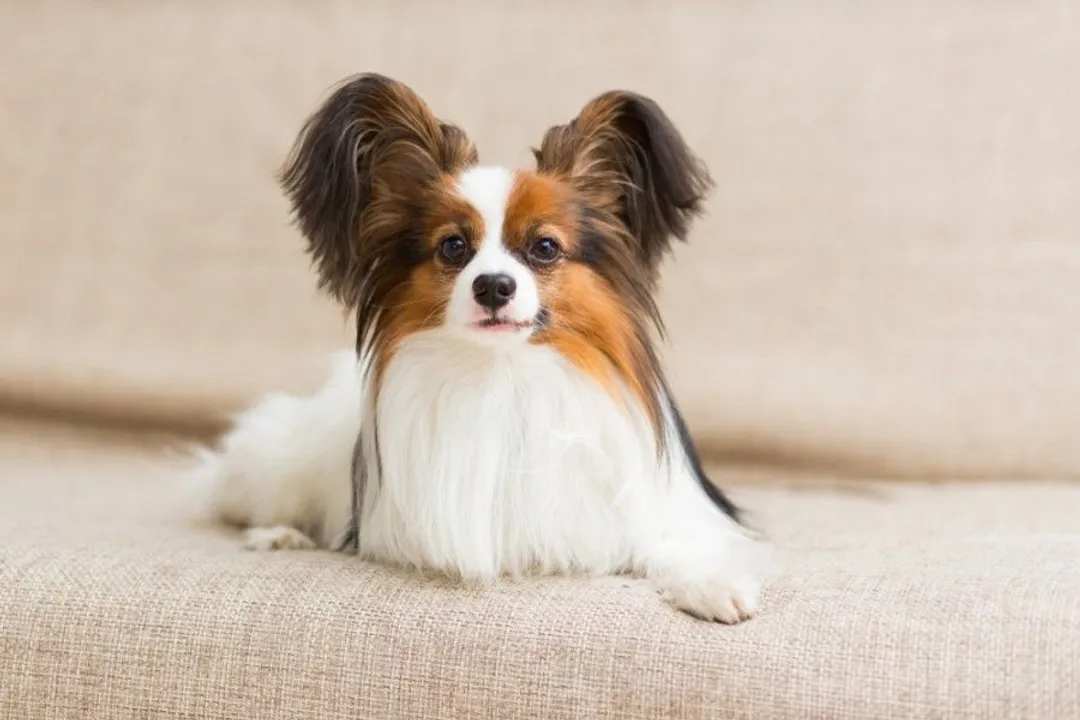
The appeal of the Papillon, with its distinctive butterfly ears and boundless spirit, often overshadows the realities of owning such a unique toy breed. While celebrated for their intelligence and affection, prospective owners must confront the specific challenges these delicate dogs present. Understanding these potential weaknesses is not about deterring adoption, but rather ensuring that a Papillon finds a home prepared for their particular needs—needs that often stem directly from their small size and big personalities.
# Yappy Alarms
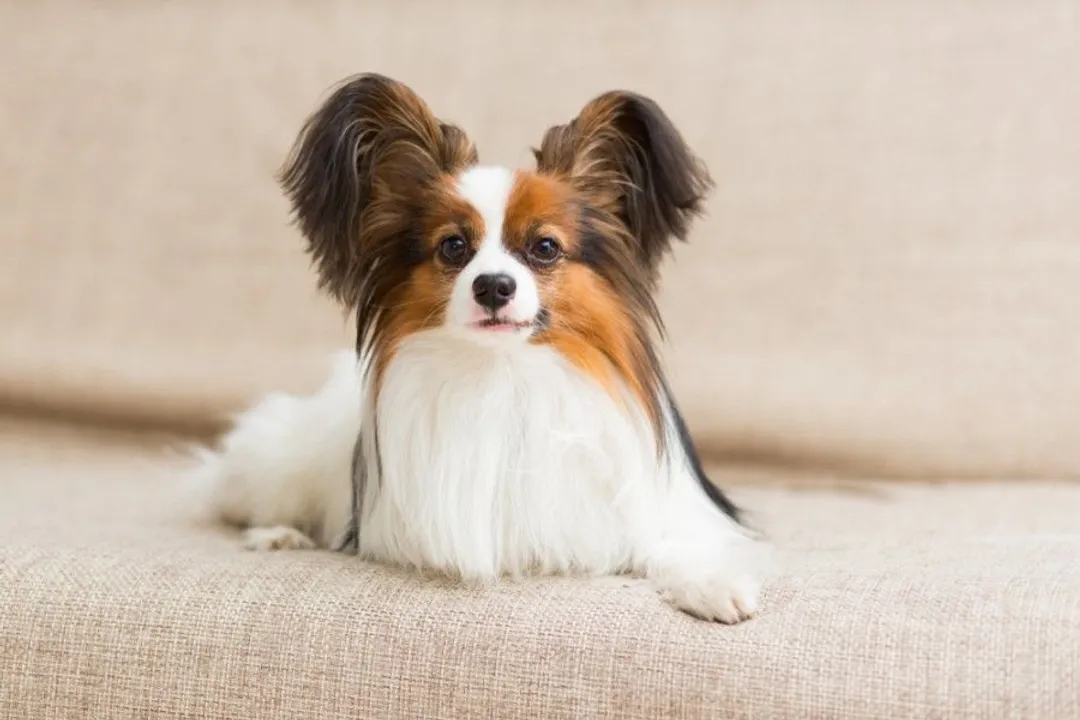
One of the most frequently cited drawbacks for Papillon owners revolves around their vocal tendencies. These dogs are often quick to sound the alarm, making them quite vocal in various situations. A simple knock at the door, a passerby in the hall, or even the mail carrier placing items in the box can trigger a quick, sharp warning bark. This high alertness, while potentially useful for alerting owners, can become a significant issue, particularly in close-living situations like apartments where noise travels easily.
The barking isn't always tied to an external trigger; it can be a symptom of their strong need for companionship. When left alone, Papillons may develop isolation anxiety, which frequently manifests as excessive noise. Owners note that the bark is often described as "very loud and frequent" despite their small stature. Furthermore, their intelligence means they can learn to manipulate their owners through noise; if a dog learns that persistent barking or whining results in the desired outcome—whether it's entry back into the house or immediate attention—they will continue the behavior until the owner concedes. Successfully mitigating this vocal nature requires dedicated training to teach them when an alarm is appropriate, alongside addressing the root cause of boredom or loneliness that fuels unnecessary noise. If you find your Papillon is prone to loud warnings, pairing consistent corrective training with proactive measures—like ensuring the dog is mentally tired before you leave or before known peak noise times—can often temper the reaction by removing the underlying need for attention or anxiety relief.
# Attachment Needs
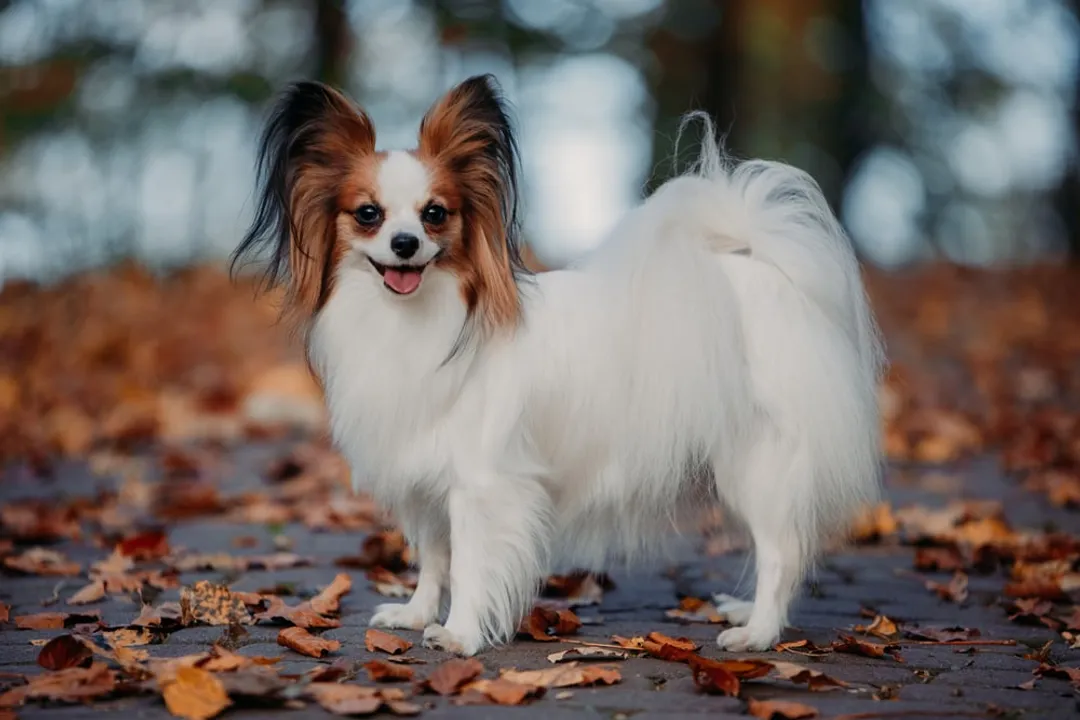
Papillons are bred primarily as companions, and they take that role very seriously. This intense desire to be near their people translates into a major consideration for anyone with a busy schedule: they do not like to be left alone. When their owners are gone for extended periods, boredom can set in quickly, which, in turn, can lead to destructive habits like chewing furniture. This is not always full-blown, person-specific separation anxiety, but rather a general distress from isolation.
Owners frequently report that their Papillons stick to them "like glue," thriving on constant interaction and attention. They can become extremely attached to their human family members. For some, this neediness is wonderful—they are described as cuddly and deeply affectionate. However, the flip side is that this high requirement for engagement can quickly become overwhelming or "annoying" if an owner desires a more independent companion. The breed is often characterized as being highly dependent on their owner’s presence. For those who work away from home for many hours, the breed might not be the best fit unless alternative arrangements, such as doggy daycare or in-home sitters, are readily available. For owners who are retired or work remotely, this dependency often translates into a highly rewarding, deeply bonded relationship.
# Physical Delicacy
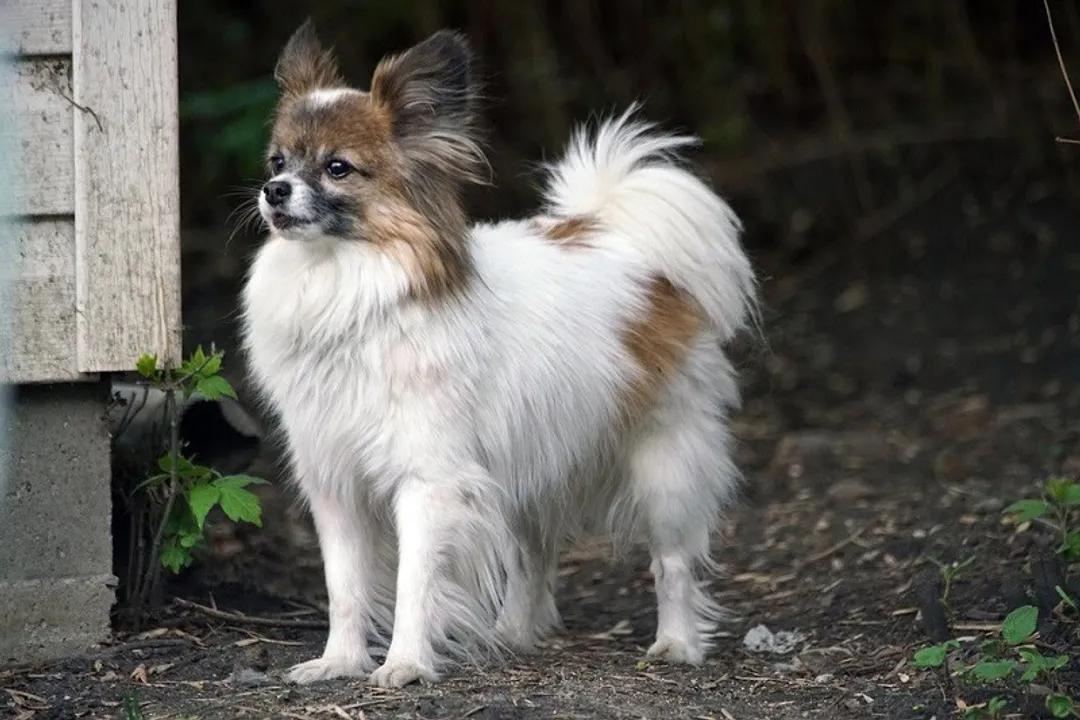
Despite the breed's energetic and bold temperament—sometimes described as a "big-dog attitude" in a small package—their physical construction presents a significant weakness: they are fragile. Papillons are fine-boned, which makes them susceptible to injury from everyday accidents that a sturdier breed might shrug off.
This fragility demands constant vigilance, especially in homes with young children. While they can be good with children when properly socialized, supervision is non-negotiable because even slightly rough handling or accidental falls can lead to serious injury. Their delicate bone structure means owners must be hyper-aware of where they step; several owners have shared stories of accidentally stepping on their dog, an event that leaves the owner feeling terrible and the dog potentially injured. To counteract this, some owners take preventative measures, such as carrying the dog when there are many people around or even affixing a small bell to the collar so they can always hear where the tiny dog is moving within the house.
Furthermore, their small size puts them at risk from the outside world. Owners must remain keenly aware of potential environmental threats, such as large dogs or birds of prey like coyotes or eagles, which can pose a genuine danger to a dog weighing only 5 to 10 pounds. This risk factor can even influence decisions about where an owner feels comfortable taking their dog for recreation. Some owners who prefer a hardier companion suggest seeking out breeders who focus on traditional size rather than "toy size" Papillons, noting that slightly larger individuals might possess a hardier skeletal structure, potentially avoiding joint issues common in smaller lines.
# Health Vulnerabilities
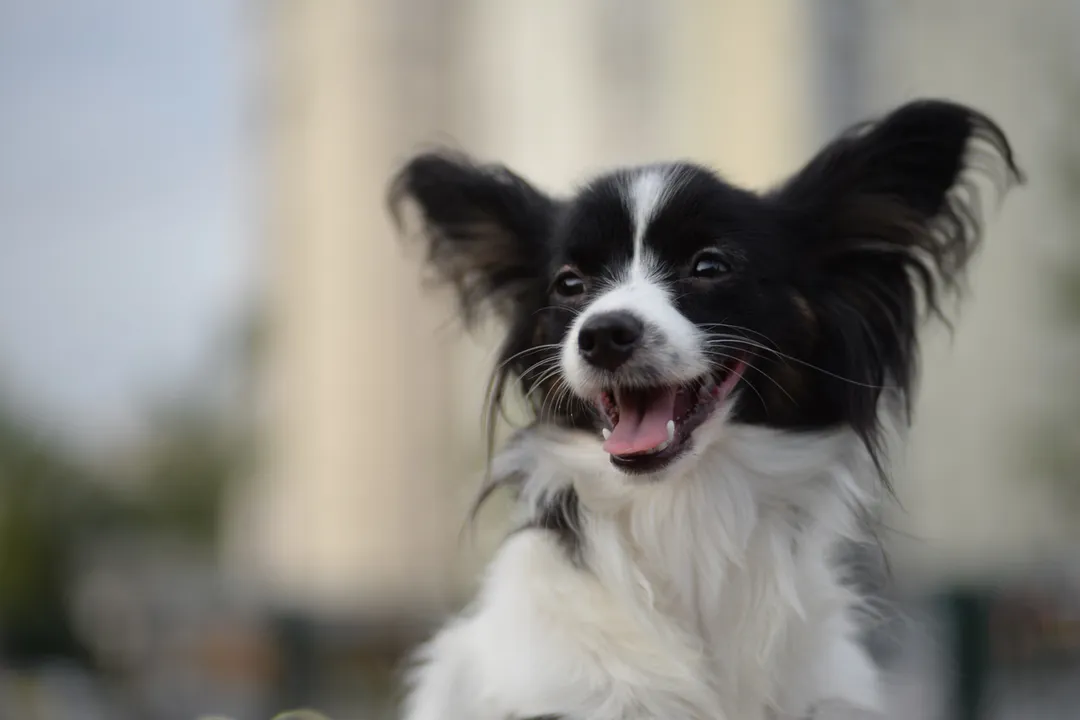
While generally considered healthier than some other toy breeds, the Papillon is still prone to a specific set of hereditary and breed-related health issues that require proactive management from the owner. Responsible ownership heavily involves awareness and preventative care concerning these conditions.
Owners should be prepared for potential costs and management strategies related to the following issues:
| Health Concern | Description | Management Focus |
|---|---|---|
| Dental Disease | Crowded teeth in a compact mouth lead to rapid plaque buildup, gum disease, and tooth loss. | Daily tooth brushing and regular professional veterinary cleanings are crucial. |
| Luxating Patella | The kneecap slips out of its groove, common in small breeds. Can cause limping or lead to arthritis. | Weight management, physical therapy, and sometimes surgery, depending on severity. |
| Collapsing Trachea | Weakening of the windpipe causing respiratory distress and a characteristic "goose honk" cough. | Avoiding neck strain by using a harness instead of a collar is a key preventative step. |
| Progressive Retinal Atrophy (PRA) | An inherited genetic condition resulting in the slow degeneration of the retina and eventual blindness. | Regular eye exams by a veterinarian for early detection, though no cure exists. |
| Allergies | Manifestations can include skin irritation, itching, watery eyes, or gastrointestinal upset. | Identifying and avoiding triggers; managing symptoms with veterinary guidance. |
It is important for prospective owners to seek breeders who actively screen for conditions like luxating patellas and PRA, and to request copies of the health testing results for the puppy's lineage.
# The Intelligence Paradox
Papillons rank highly among the most intelligent small dog breeds, which is a positive trait for training performance in sports like agility. However, this same sharp intellect presents a unique weakness: the potential for the dog to successfully train the owner.
These clever canines are fully capable of assessing a command, deciding it is inconvenient, and effectively ignoring it. If structure, firm rules, and consistent reinforcement are not established early, the Papillon may quickly assume the leadership role. This manifests as the dog dictating routines—deciding when walks should occur (e.g., screaming for a 7 PM stroll exactly on schedule) or expecting immediate service for fetching or attention requests. Because they are so eager to please when directed correctly, the lack of structure can lead to a very opinionated and sometimes "bossy" small dog. For example, one owner noted their under-stimulated Papillon would deliberately pull dirt out of potted plants and deposit it in front of them just to elicit a reaction. Successfully navigating this requires an owner committed to positive reinforcement training that clearly defines boundaries, ensuring the dog respects the human leader, even when the human is simply trying to get ready for the day.
# Upkeep Nuances
While often lauded as "low-maintenance" in terms of grooming compared to some other long-coated breeds because they lack a true undercoat, the Papillon's coat does require specific attention. Their beautiful, silky fur is prone to matting if neglected. Daily or near-daily brushing with a comb is necessary between professional appointments to keep tangles at bay. Some owners recommend budgeting for professional grooming sessions about three to four times per year. A specific caution arises here for owners seeking professional services: many groomers unfamiliar with the breed may inadvertently trim or cut the signature ear fringe, which should generally be left long and feathered.
Beyond the coat, while they are small and thus their food intake is lower than large dogs, the initial purchase price can be relatively high, as they are often rarer than some other toy breeds. When factoring in the initial cost, ongoing high-quality food, and the necessary routine veterinary care—especially for dental issues—the overall expense must be considered, even if daily maintenance in terms of exercise and simple shedding control is manageable. The combination of high mental stimulation needs, physical fragility management, and meticulous dental care ultimately requires a significant time investment, moving them out of the purely "easy care" category.
Related Questions
#Citations
Pros and cons of owning a papillon? - Reddit
Papillon Pros & Cons: 11 Facts You Need to Know - Dogster
Understanding Papillon Health Problems: A Comprehensive Guide ...
6 Papillon Pros & Cons: Important Considerations - Hepper
Papillons: The Good, The Bad, The Ugly - Figo Pet Insurance