What are the characteristics of the Australian Terrier?
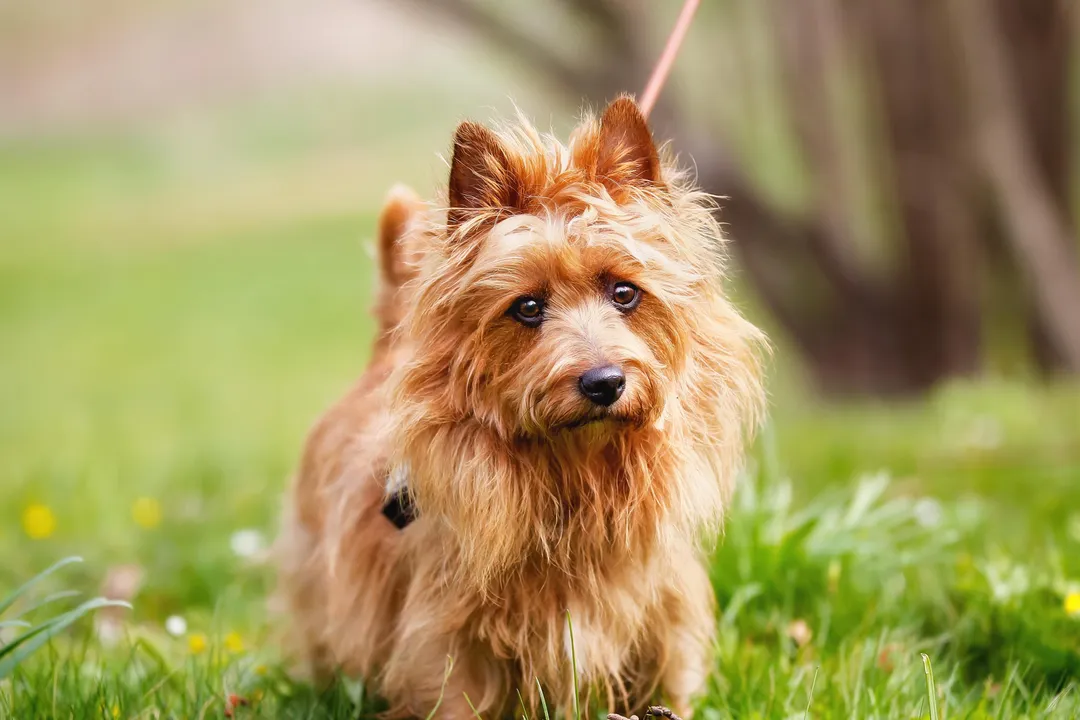
The Australian Terrier is a small, spirited, and rugged companion dog whose origins are firmly rooted in the demanding environment of the Australian outback during the 19th century. These dogs were purpose-bred not as pampered pets, but as fearless workers capable of managing small vermin, even confronting snakes, around farms and stations. [1][6][7] While they possess the characteristic tenacity associated with terriers, they also develop deep bonds with their families, presenting a unique blend of personality that makes them engaging housemates. [5][7]
# Sturdy Frame

Despite their modest size, Australian Terriers are built for durability. They are described as sturdy and compact, often appearing slightly longer than they are tall, which contributes to their balanced, hardy appearance. [1][5][8] A key physical characteristic is their height, generally standing around 10 to 11 inches at the shoulder. [1][7][8] Their weight usually falls between 14 and 16 pounds. [1][7] This compact stature allowed them to effectively navigate tight spaces while hunting pests. [6] Historically, the breed standard often called for a docked tail, though this practice is becoming less common in many regions today. [6] The legs are straight, strong, and well-boned, supporting an active terrier nature. [8]
# Coat Texture
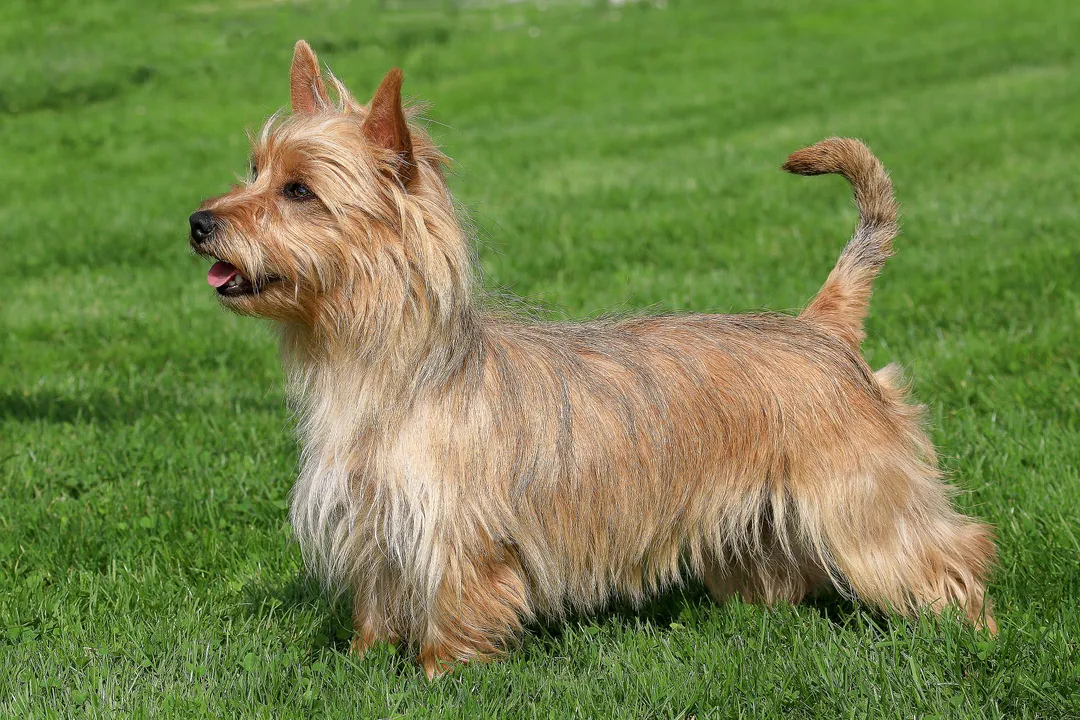
One of the breed's most defining features is its double coat. The outer coat is naturally harsh, straight, and wiry to the touch, offering protection against rough terrain and the elements. [1][5][6][7] Beneath this protective layer lies a soft, dense undercoat. [1][6] This texture demands consistent care to maintain its proper look and feel. For show purposes, this coat is often maintained through a technique called hand-stripping, which removes the dead outer hairs to allow the harsh texture to regrow. [6] For the average companion dog owner, clipping or trimming is a more convenient alternative, although it tends to soften the coat texture over time. [6]
The head provides an additional textural characteristic: the hair on the skull is softer and forms a distinct, appealing topknot. [1][5][6] This soft furnishing contrasts nicely with the hard texture covering the rest of the body. Recognizing the relationship between function and form is helpful; that wiry coat wasn't just for looks; it was armor against bites from the various creatures they were expected to dispatch on the farm. [7] While clipping is easier, understanding that you are sacrificing the intended protective texture for convenience is an important consideration for long-term coat management. [6]
# Color Patterns
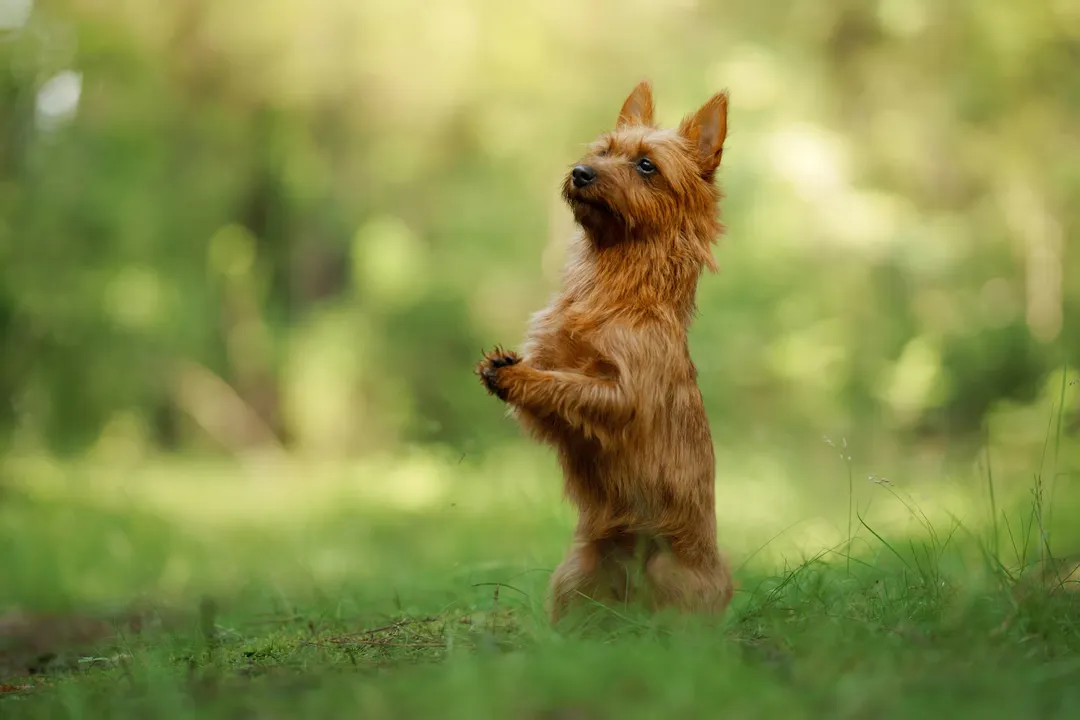
Australian Terriers come in a specific set of recognized colors, which often display a distinct pattern across the body. The recognized color variations include blue and tan, sandy, or red. [1][7][8] Typically, the body color is either blue or a shade of tan/sandy/red, and these colors are usually distributed in a pattern where the tan points appear on the legs, muzzle, and perhaps the undercarriage. [1] For instance, a common presentation is a blue body with tan markings, or a sandy-colored dog. [1][7] Red coats are less common but equally accepted within breed standards. [8] The contrast between the often darker, perhaps grizzled-looking body coat and the lighter tan points adds to their distinct appearance.
# Temperament Mix

The personality of the Australian Terrier is a captivating blend of loyalty and independence, often summarized as affectionate toward its family but inherently tenacious. [1][5] They are intelligent dogs, a trait necessary for working out problems on their own, which can sometimes translate into being independent thinkers during training. [5][7] This independence means that while they respond well to positive, firm, and consistent training methods, they are not generally dogs who live solely to please their owners in the way some other breeds might. [5][7]
They make excellent watchdogs because they are naturally alert and observant. [1][5] They tend to notice strangers or unusual sounds quickly and are not shy about voicing their opinion, meaning early socialization and training to moderate excessive barking are beneficial. [1][5] Despite their feistiness and protective instincts, they thrive when integrated into family life and enjoy being close to their people. [5] They generally do well with older children who understand how to interact respectfully with a small, sturdy dog, but due to their strong terrier instincts and prey drive, supervision is essential around very small children or non-canine pets. [5][7] If you are seeking a low-key lap dog, this might not be the right fit, as they prefer activity and engagement. [5]
# Australian Start
The breed’s history is relatively modern, taking shape in Australia during the latter half of the 1800s. [1][5][6] They were developed by early settlers in Victoria and New South Wales. [6] The initial goal was straightforward: create a small, rugged terrier that could withstand the harsh climate and effectively control the pervasive vermin population, including rats and snakes, encountered on rural properties. [1][6][7]
To achieve this specific mix of size, nerve, and coat, breeders likely crossed several established terrier types that had been brought over from Great Britain. [6][8] Common ancestral breeds cited include the Cairn Terrier, the Dandie Dinmont Terrier, and the Yorkshire Terrier, all known for their own unique working capabilities. [1][6][8] The resulting dog, the Australian Terrier, was officially recognized by the Kennel Club in Australia in 1906. [6] Its migration to England and later to the United States cemented its status as a recognized breed in the wider canine community. [1][7]
# Care Demands
Caring for an Aussie requires attention to both physical upkeep and mental engagement. While their exercise needs are considered moderate compared to larger working breeds, they absolutely require daily activity to remain content. [5] A good, brisk walk combined with some structured playtime will usually satisfy their requirements. Because they are intelligent and have a natural drive to hunt or dig, mental stimulation is just as important as physical exertion. [5] Puzzle toys or short training sessions focusing on new tricks can keep their busy minds occupied, which helps prevent the development of unwanted behaviors stemming from boredom. [5]
In terms of health, the breed is generally considered quite sound, often enjoying a healthy lifespan that averages between 13 and 16 years. [7] Regular veterinary checks are standard, and owners should be mindful of common small-dog issues, although the breed is often noted for its hardiness. [1] When considering an Aussie, prospective owners should be prepared for the grooming commitment inherent in a wire-haired breed, whether they opt for the traditional stripping method or the more maintenance-friendly clipping. [6]
A helpful consideration for potential owners in Australian suburban settings is the breed's unique alarm system. Because they were bred to be alert watchdogs, they can be quite vocal. Pairing their moderate exercise needs with their sensitivity to environmental changes means that training them to understand when a bark is necessary and when it isn't should begin early. For those living in townhouses or close-quarters situations, dedicating time each day to mental work—like teaching a "quiet" cue while exposing them to mild outside noises—is often more critical for neighborly peace than simply exhausting them physically, as their minds tire faster than their legs if not appropriately challenged. [5] This breed thrives when its terrier spirit is channeled constructively into training games rather than left to find its own entertainment.
Related Questions
#Citations
Australian Terrier Dog Breed Information - American Kennel Club
Characteristics – ATCA - Australian Terrier Club of America
Australian Terrier: Dog Breed Characteristics & Care
Australian Terrier - Wikipedia
Australian Terrier Personality and Traits - Facebook
Australian Terrier - All About Dogs - Orvis
Australian Terrier Dog Breed Health and Care - PetMD
Australian Terrier Dog Breed Information & Characteristics - DogTime
Australian Terrier Breed Standard - Dogs Australia
Australian Terrier owners can I ask you a few things? : r/dogs - Reddit