Wasp Diet
The dietary habits of wasps are far more complex than the simple picture many people hold of a creature drawn only to sugary sodas or picnics. While adults certainly have a pronounced sweet tooth, the needs of a growing wasp colony rely on two completely distinct food sources, neatly divided between the larvae developing underground or within the nest, and the mature insects flying above. Understanding this division is key to understanding wasp behavior throughout the season. [1][2][3]
The generalist nature of many common wasp species means their menu is broad, ranging from hunting live prey to consuming rotting organic matter and, famously, scavenging human food waste. [7] However, this variety funnels into two specific nutritional requirements driven by the insect's life stage. [2][6]
# Larva Protein
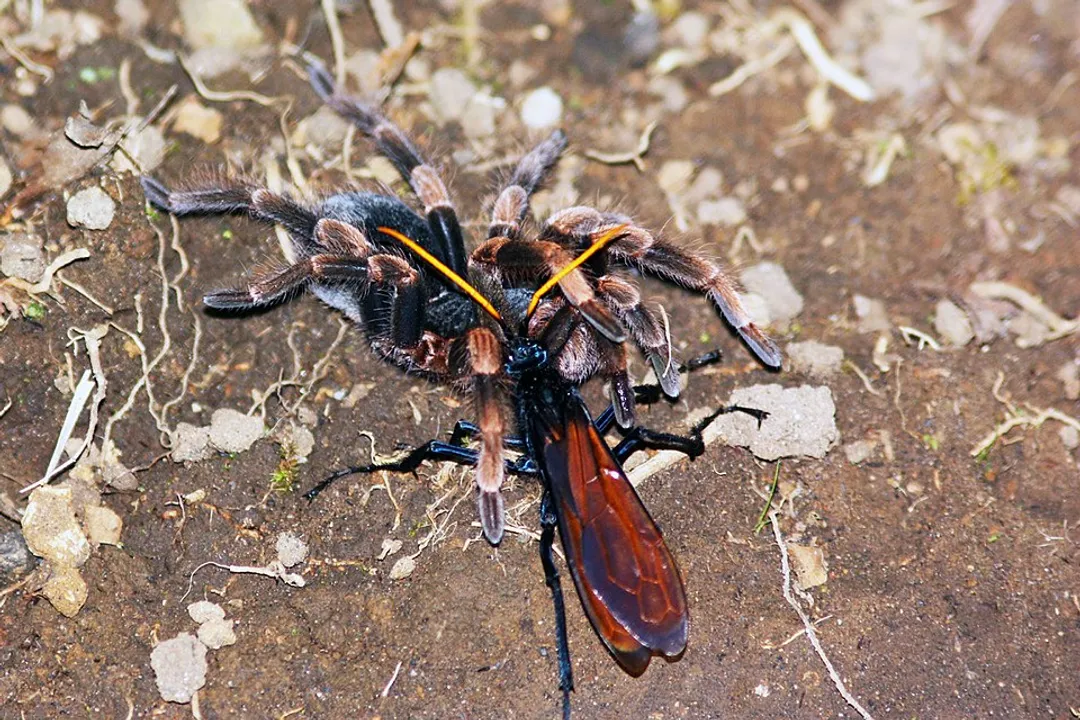
The developing wasp larvae—the grub-like stage housed inside the paper nest cells—are obligate carnivores. They require a high-protein diet to fuel their rapid growth and metamorphosis into adult wasps. [3][5][6]
Adult worker wasps undertake the essential task of procuring this protein source. [2][8] They hunt live prey, focusing on soft-bodied insects such as flies, caterpillars, aphids, or spiders. [1][5][7] Once caught, the prey is often chewed into a nutritious, moist ball before being transported back to the nest. [3] This protein slurry is then fed directly to the waiting larvae. [6][8] The larvae cannot subsist on the sugary liquids that sustain the adults; protein is the building block for their tissues and musculature. [2]
The sheer volume of insects required to sustain a large, active wasp nest, particularly during the peak summer months when the colony is expanding rapidly, is staggering. A single large colony might require the consumption of thousands of insects weekly. This intense hunting pressure explains why wasps, which may spend most of the spring quietly managing pests, become highly conspicuous and focused predators by late summer, often showing up intensely interested in areas where other animals have died or where meat scraps might be found, as they are aggressively seeking out necessary nutrients for the next generation. [10]
# Adult Energy
If the larvae are the protein consumers, the adult wasps are the dedicated carbohydrate gatherers. [1][2][8] Adult wasps, especially the sterile workers, need readily available energy to power their daily activities, including foraging, nest construction, and defending the colony. This energy comes almost exclusively from simple sugars. [3][5]
Their preferred natural sources are nectar from flowers and the sweet juices excreted by certain plants or pests, such as honeydew produced by aphids. [6][8] They also seek out ripe, fallen, or damaged fruit, which provides concentrated sugars when the natural nectar flow slows down. [3][5] It is this attraction to sweets that brings them into conflict with humans during outdoor meals, as they will readily seek out spilled juices, sodas, or picnic scraps. [2]
It is worth noting the subtle distinction in foraging intent compared to true pollinators. While a honeybee visits a flower primarily to gather nectar (energy) and pollen (protein for its young), the wasp visiting that same flower is typically after the nectar purely as a self-sustaining fuel source to give it the energy needed for its primary mission: hunting protein for the brood. [1][3]
# Nutrient Swap
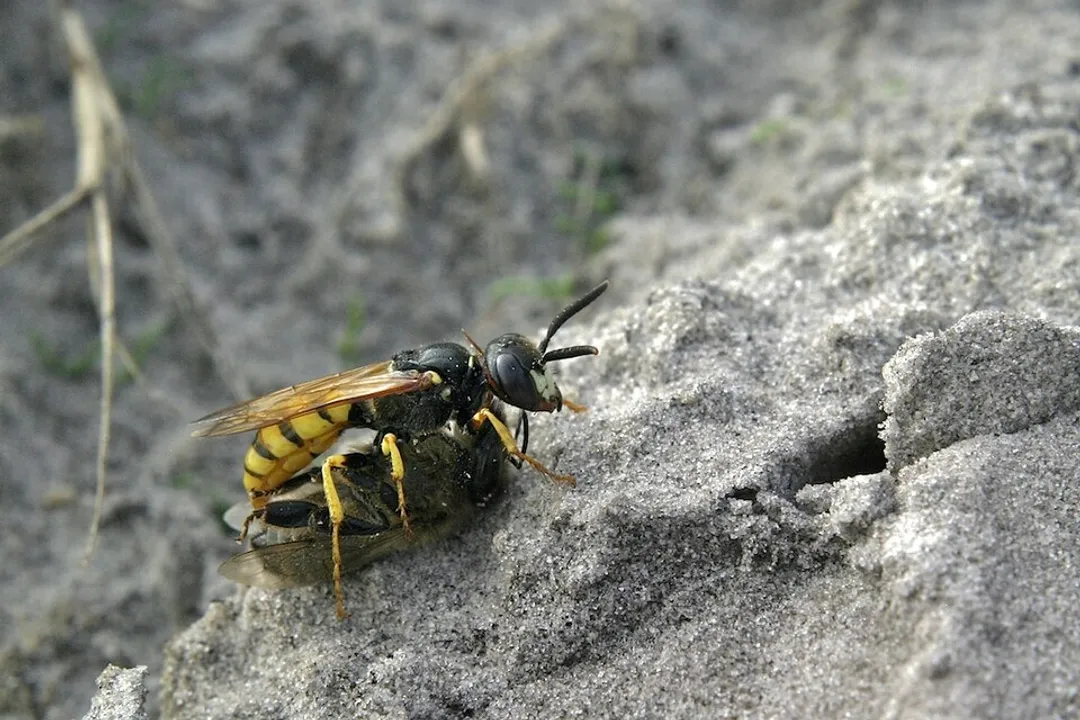
The entire nutritional system hinges on a fascinating biological transaction known as trophallaxis. [8] The adults do the hard work of hunting insects and gathering sugars, but they cannot digest the protein themselves in the way the larvae need it processed.
When an adult wasp feeds the chewed-up insect matter to a larva, the larva digests this protein and, in return, secretes a sugary, nutrient-rich liquid from its mouthparts. [3] This liquid is what the adult worker consumes. [8] In essence, the larvae act as living food processors, converting the hard-to-digest animal protein into easily absorbed energy for the adults. [3] This intimate exchange reinforces the social bond and ensures that the high-protein diet consumed by the young indirectly sustains the entire adult population that tends to them. [3][8]
# Diet Differences
While the protein/sugar split is the rule for most social wasps, particularly those in the Vespula genus, it is an oversimplification to assume all wasps adhere rigidly to this pattern. [4][7] Wasp taxonomy is vast, covering solitary, parasitic, and social species, and their diets reflect this diversity. [7]
Solitary wasps, for example, often have extremely specific diets tied to the single host they provision for their offspring. A solitary potter wasp might only provision paralyzed spiders, while another might only target specific beetle larvae. [7] Parasitic wasps, on the other hand, often lay their eggs directly onto or inside a host insect, and the larva consumes the host from within, making the host itself the entire diet. [7]
Furthermore, while adults generally favor sugars, some species are known to scavenge carrion—dead animals—for moisture and nutrients, although they still primarily deliver insect matter to the young. [7] The key takeaway is that while the structure (larvae need building blocks, adults need fuel) remains constant across many species, the specific sources for those blocks and fuel can vary significantly depending on the environment and the wasp's specialized role. [4]
# Cultural Consumption
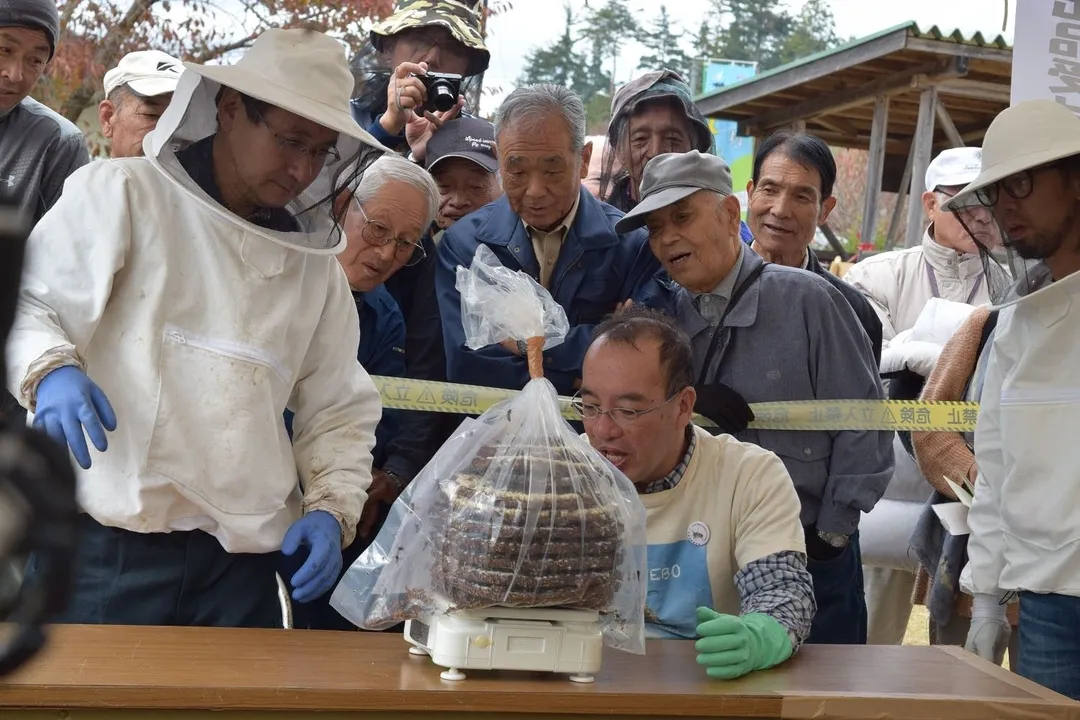
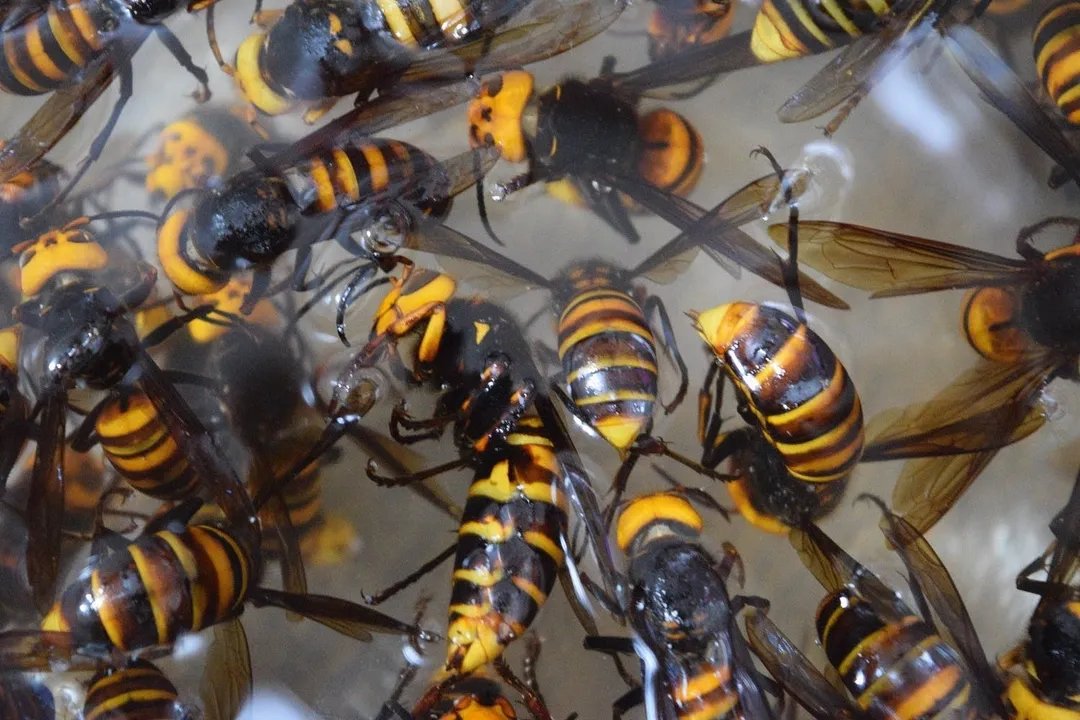
It is also interesting to consider the human relationship with the wasp diet beyond pest control or annoyance. In some cultures, wasps and their larvae are not viewed as pests but as seasonal delicacies. [9] In parts of Japan, for instance, certain wasp species are actively raised, and both the adults and the larvae are harvested. [9] The gathered insects are prepared using traditional methods, often involving boiling or steaming, and served flavored with ingredients like miso or soy sauce. [9] This highlights a situation where the nutritional components sought by the wasp—protein and carbohydrates—are appreciated by humans as well, albeit in a prepared form. [9]
# Behavior Context
The wasp's need for specific nutrients dictates its behavior throughout the year. In the spring, the queen focuses on simple sugars to build her initial energy reserves for laying eggs. Once the first few workers hatch, their singular focus shifts to hunting meat to feed the growing brood. [8] By late summer, with the colony at its peak size and many mouths to feed, the drive for protein becomes intense, which often brings them into conflict with human activity. [2][5] Once the reproductive cycle winds down in the fall and the workers start dying off, the surviving overwintering queens focus again on simple sugars to maintain themselves until they can find a suitable place to hibernate. [1]
Related Questions
#Citations
What Do Wasps Eat? | Wasps' Diet - Western Exterminator
What Do Wasps Eat? | Wasp Diet Explained - Florida Pest Control
What do wasps do? | Natural History Museum
Do all wasps subsist on nectar/sugar as adults, or are some able to ...
The common wasp: what they eat, how they build their nests
What Do Wasps Eat? | Do They Eat Other Insects? - BeesWiki
Wasp - Wikipedia
Life cycle of a wasp » Manaaki Whenua - Landcare Research
The Japanese tradition of raising and eating wasps
what do wasps and yellow jackets eat? #wasp #insects ... - YouTube