Vizsla Diet

The feeding requirements for a Hungarian Vizsla reflect their nature: they are highly energetic, athletic dogs requiring focused nutritional support to maintain their lean muscle mass and seemingly endless stamina. [4][9] Deciding what ends up in their bowl can feel like navigating a maze, given the spectrum of advice ranging from high-quality commercial kibble to specialized raw feeding protocols. [2][3][6] The core principle across all successful Vizsla diets centers on providing adequate calories and the right balance of protein, fat, and carbohydrates to fuel their demanding lifestyles, whether they are working dogs or active family companions. [8][9]
# Energy Demands

Vizslas are famously high-energy dogs bred for hunting, which translates directly into their caloric needs. An appropriate diet must support sustained activity without leading to obesity, which can be detrimental to their joints. [4] The precise amount of food needed will vary significantly based on the dog’s age, individual metabolism, and daily activity level—a puppy growing rapidly will need more calories per pound than a mature, moderately active adult. [10]
When considering an adult dog's maintenance diet, assessing the quality of the ingredients becomes as important as the quantity. High-quality dog foods, whether kibble or raw, should emphasize animal-based protein as a primary ingredient. [6] If you are feeding a commercial dry food, reading the label to ensure meat sources like chicken, beef, or fish are listed first is a good starting point. [6] For dogs that are particularly active, such as those engaged in regular field training or competitive sports, higher fat content can be beneficial for sustained energy release, provided the dog maintains a lean body condition. [9] Conversely, less active dogs need careful portion control to prevent them from gaining weight easily. [4]
# Dietary Choices

The community conversations surrounding Vizsla nutrition reveal a few distinct camps regarding what constitutes the best fuel for this breed. [2][3][5]
# Kibble Quality
For owners opting for commercially prepared kibble, the focus shifts to finding a reputable brand that meets AAFCO standards and provides balanced nutrition. [6] Dog Food Advisor reviews often point toward foods containing quality animal proteins and avoiding unnecessary fillers or by-products. [6] Look for established brands with transparent sourcing and minimal artificial additives. [6] Some owners report success using specific veterinary or prescription diets for dogs with sensitive stomachs or allergies, though this should always be done under veterinary guidance. [3]
# Raw Approach
A significant number of Vizsla owners, particularly those with hunting or field lines, gravitate toward raw feeding protocols. [1][9] ProDogRaw, for instance, advocates for feeding a diet based on raw meat, offal, and bone, mimicking what a dog might eat in the wild, which they suggest is excellent for maintaining lean muscle. [1] Advocates believe this diet supports optimal coat health, digestion, and energy levels in active dogs. [9]
If one is considering a transition to a raw diet, preparation and safety are paramount. A basic raw model involves balancing percentages—often aiming for a specific ratio of muscle meat, secreting organs, bone, and perhaps some fibrous vegetables or fruit. [7] Starting this journey requires careful research to ensure all nutritional bases are covered, as an unbalanced raw diet can lead to serious deficiencies, especially in growing puppies. [1][7]
# Comparing Methods
It is helpful for new owners to compare the time investment versus the potential cost. While a high-end, limited-ingredient kibble might cost a set amount per month and require minimal daily effort, a raw diet demands significant time for sourcing, portioning, and preparation, sometimes daily or weekly. [2][3] A practical consideration is calculating the cost per day for a high-quality kibble versus the cost per day plus time investment for a raw mix. For example, if a top-tier kibble runs \100 for a 30-day supply for a 50 lb dog, that's about \3.33/day with almost no prep time. A raw diet might cost $80 in ingredients but require 30 minutes of preparation time spread across the week, which translates to an effective time cost that must be factored into the overall "price" of the diet. [1][7]

# Puppy Needs
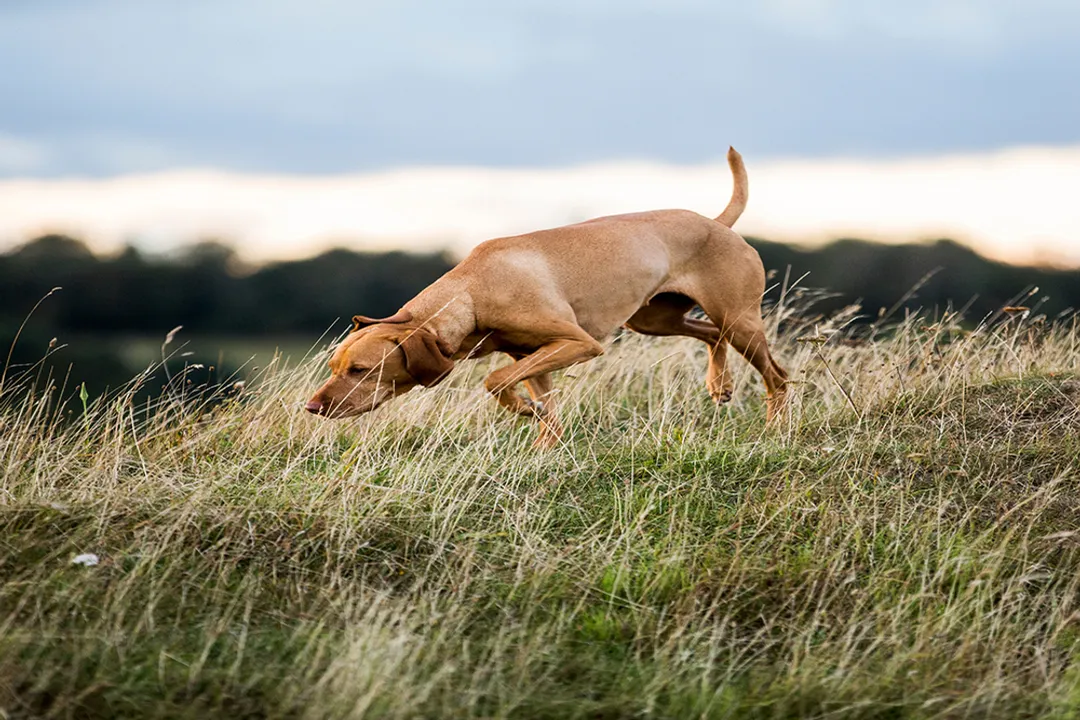
The Vizsla puppy stage is characterized by rapid growth, making precise nutrition essential to avoid developmental issues. [10] Puppies require diets formulated specifically for growth, which means they need higher levels of protein and fat than an adult dog, along with correctly balanced calcium and phosphorus ratios for strong bone development. [10] Over-supplementation of minerals can cause skeletal problems, so choosing a complete and balanced puppy formula, whether kibble or raw, is non-negotiable. [10]
Pure Vizsla Puppies guidance emphasizes that puppies should be fed measured meals several times a day—typically three meals until about six months of age, then transitioning to twice daily. [10] It is important to monitor the puppy’s weight gain; you want steady, consistent growth, not rapid spikes that put stress on developing joints. [10] If using a raw diet for a puppy, the balance must be meticulous, as their needs are acute and immediate. [7]
# Condition Monitoring
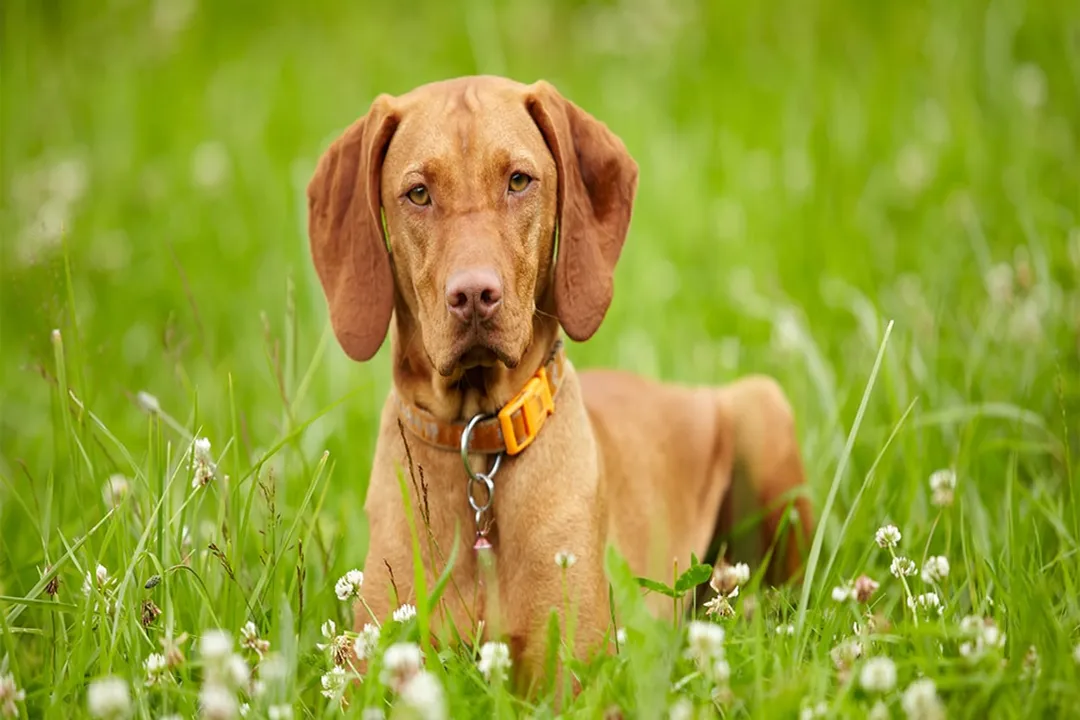
Regardless of the chosen feeding method, the ultimate measure of success is the dog's physical condition. Vizslas are not meant to look "fluffy" or carry extra weight; they should appear lean, almost tucked up at the flank, with clearly defined muscle tone, especially over the ribs and hips. [4]
A simple, hands-on assessment is better than relying solely on the scale:
- Rib Check: You should be able to easily feel your dog’s ribs when running your hands gently along their side, similar to feeling the knuckles on the back of your own hand. [4] They should not be visibly sticking out, nor should you have to press hard to find them underneath a layer of fat. [4]
- Waistline: When viewed from above, the dog should have a distinct hourglass shape, where the waist tucks in behind the rib cage before meeting the hips. [8] If you cannot see this narrowing, the dog is likely carrying excess weight. [8]
- Belly Tuck: From the side, the underline of the belly should slope upwards towards the rear legs, a characteristic often emphasized in breed standards. [4]
If your Vizsla consistently begs for food despite being adequately fed, remember that this is a breed trait—they are often enthusiastic eaters. [2][3] This inherent drive to eat means owners must be diligent about calorie control rather than trusting the dog’s appetite as an indicator of need. [4] If you notice your dog dropping weight unexpectedly or struggling to maintain condition despite eating what seems like a lot of food, a veterinary consultation is necessary to rule out underlying issues like parasites or metabolic concerns. [8]
Related Questions
#Citations
What's the Best Dog Food for a Vizsla? - ProDog Raw
What do you feed your V's? : r/vizsla - Reddit
What's everyone feeding their Vizsla?
Hungarian Vizsla - PDSA
What are some good diet options for Vizsla dogs? - Facebook
Best Dog Food for Vizslas 2025
How to Start Raw Feeding - Rawsome Vizslas - WordPress.com
Feeding & Nutrition - Toldin Vizslas
Choosing the Best Dog Food for the Health of you Vizslas - Huntaway
Perfect Nutrition for Your Vizsla - Pure Vizsla Puppies