Vicuña Diet
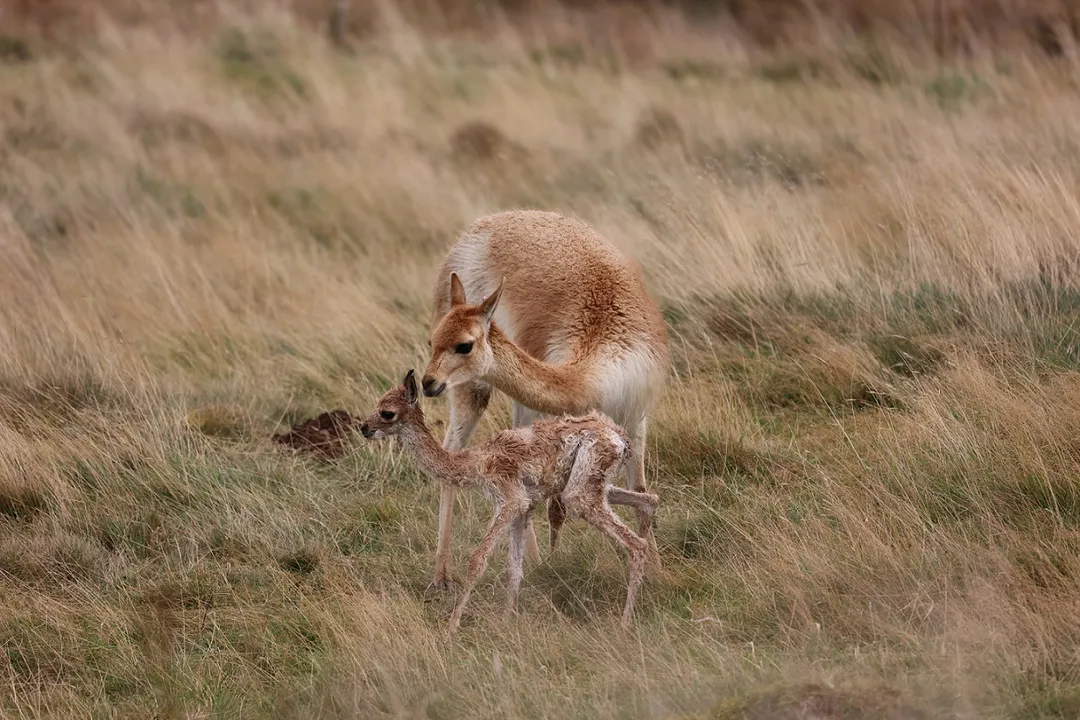
The feeding habits of the vicuña, Vicugna vicugna, are intrinsically linked to the extreme altitudes they inhabit across the Andean highlands. As a highly specialized herbivore, its diet is characterized by adaptation to environments where nutritional resources are often scarce and tough to digest. [2][6] Vicuñas are predominantly grazers, meaning grasses form the fundamental basis of their daily intake. [1][3][4][7]
# Grazing Staples
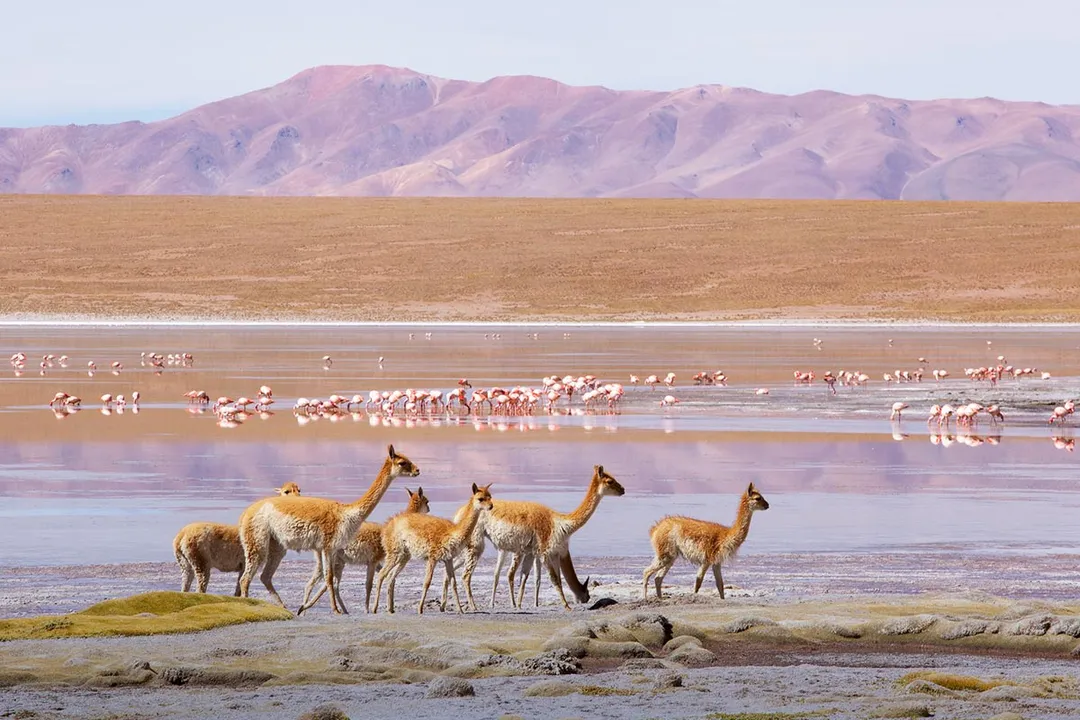
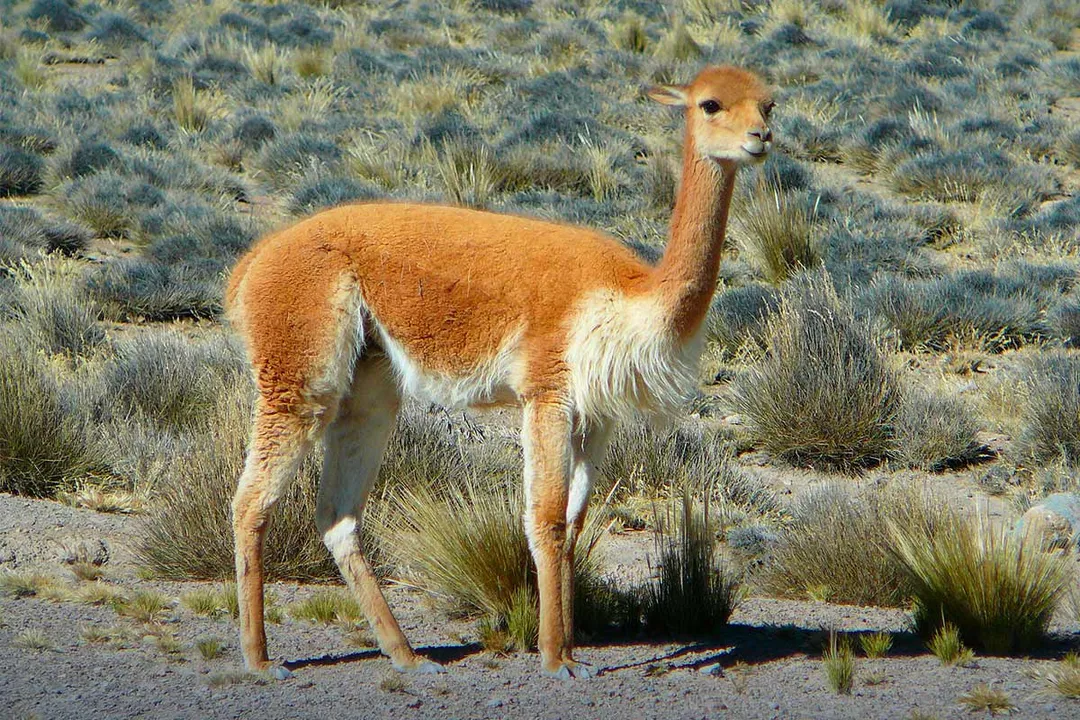
The specific vegetation that sustains vicuñas consists mainly of the short, tough grasses and low-growing herbaceous plants that manage to survive in the puna or altiplano ecosystems. [1][4][5] While they consume grasses, they demonstrate a clear preference for the most tender and young shoots available. [5][9] This selectivity is critical because, in such harsh environments, maximizing nutrient uptake from the available flora is a daily necessity for survival. [2]
They are not strictly limited to grasses, however. The term 'forbs' is also used to describe components of their natural diet, indicating they ingest a variety of non-grass flowering plants found in their high-altitude home range. [2][3][7] In zoos or managed conservation areas, their diet often mimics this natural composition, usually consisting of grass hays supplemented with specific herbivore pellets to ensure complete nutrition, though the core principle remains rooted in high-fiber, low-moisture vegetation. [3][7][9]
# Puna Conditions
The environment itself dictates the structure of the vicuña’s diet far more than any preference for taste. The high Andean plains, often situated between roughly 3,200 and 4,800 meters above sea level, present significant challenges. [1][6] The vegetation here is inherently lower in essential nutrients compared to temperate grasslands, primarily due to the soil quality, intense UV radiation, and the short growing seasons. [2]
This scarcity forces a particular feeding strategy. Since high-quality, young forage might be patchy, the animal’s behavioral adaptation must prioritize efficient exploitation of brief windows of superior grazing. This suggests that a vicuña's success in the wild depends heavily on an intimate, almost map-like knowledge of its territory, ensuring that foraging trips minimize energy expenditure while maximizing the intake of the most palatable—and thus most energy-dense—available vegetation parts. [5]
# Digestive Features
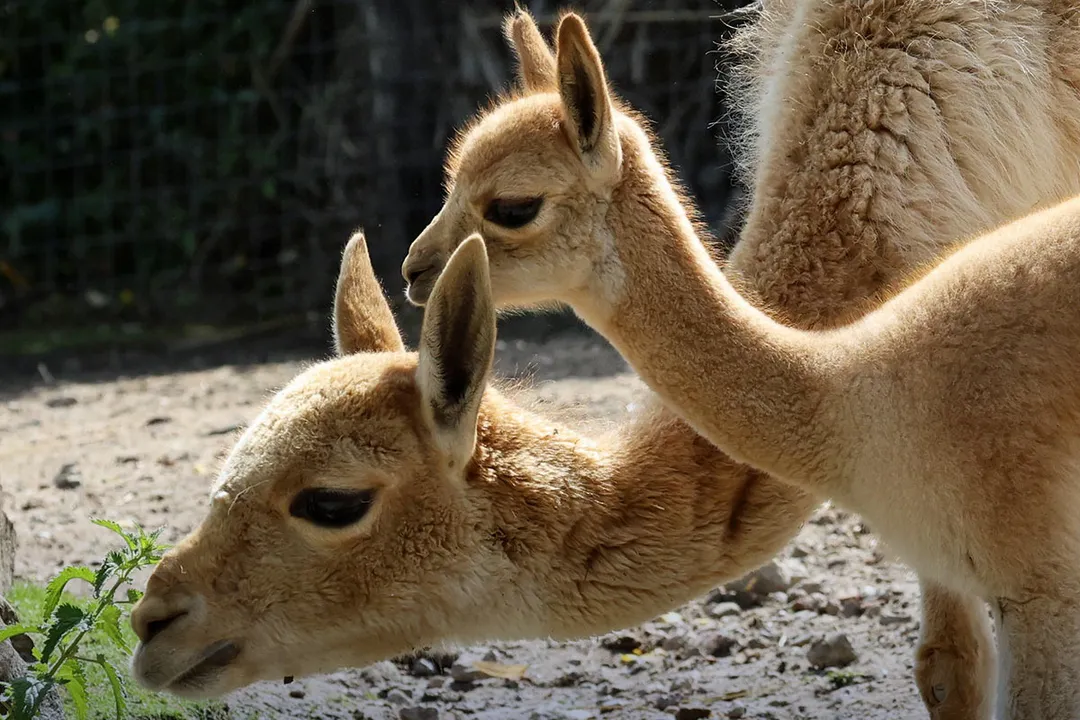
As members of the camelid family, vicuñas possess digestive systems well-suited for processing coarse forage, though they differ slightly from Old World ruminants like cows or sheep. [1] Their digestive tract is adapted to slowly breaking down high-fiber material like the tough grasses of the puna. [5]
A notable feature related to this diet is found in their dentition. Unlike other camelids, the lower incisor teeth of the vicuña continuously grow, similar to rodents. [5] This unique dental characteristic is believed to be an evolutionary response allowing them to constantly crop the very short, tough, and often abrasive vegetation close to the ground without their teeth wearing down to unusable stumps. [5] This continuous wear-and-grow system is a direct anatomical requirement for their specific grazing style.
# Hydration Requirement
While their diet is generally dry—comprising grasses and herbs rather than succulent aquatic plants—vicuñas cannot survive long without access to fresh water. [1] They require daily access to drinking water, which is a significant constraint on their habitat selection within the arid and semi-arid altiplano zones. [1] This dependency means that successful grazing territories must be situated within a reasonable proximity to reliable water sources, tying their feeding ecology directly to local hydrology.
# Dietary Niche
Understanding the vicuña's diet provides context when comparing it to its domesticated relatives, the alpaca and the llama. The alpaca, which shares a closer evolutionary lineage with the vicuña, is often managed in pastures that, while still high-altitude, may offer more consistent, if not higher, forage quality than the remote, wild puna the vicuña inhabits. [2][5]
This distinction highlights the wild animal’s reliance on intrinsic adaptation over managed inputs. While an alpaca rancher might provide supplemental feed during severe winters, the wild vicuña population must rely entirely on behavioral flexibility and physiological specialization to navigate seasonal shortages in nutrient density. [2] The fact that they thrive on such low-quality input underscores their status as masters of high-altitude survival, selecting the best within a generally poor environment, a precision that domestic stock may not need to maintain to the same degree. [5]
# Captive Management
For zoos and conservation centers managing breeding populations, replicating the natural diet is an ongoing effort to ensure animal welfare and reproductive success. [3][9] A typical captive diet centers on feeding grass hay—such as timothy or meadow hay—to mimic the bulk of their natural intake. [3][7] This is usually supplemented with a specifically formulated herbivore pellet that ensures they receive adequate vitamins and minerals that might be missing or insufficient in hay alone. [3][7] Furthermore, while water is always available, keepers pay close attention to intake, as dehydration can quickly stress these specialized animals, especially when consuming dry hay. [1] Monitoring weight and body condition becomes the primary indicator of whether the specific nutritional composition of the feed is meeting the metabolic demands imposed by their physiology. [9]
Related Questions
#Citations
Vicuña - Wikipedia
Botanical Composition and Diet Quality of the Vicuñas (Vicugna ...
Vicuna - Twycross Zoo
Vicuna | Habitat, Diet, Lifespan, & Facts | Britannica
Vicugna - Animal Diversity Web
Vicuna: A Sacred Animal of the Peruvian Andes - TreXperience
Vicuna - Highland Wildlife Park
Seasonal diet of vicuñas in the Los Andes protected area (Salta ...
We Celebrate the Successful Breeding of a Vicuña - ZOO ZLÍN