Is the Otterhound endangered?
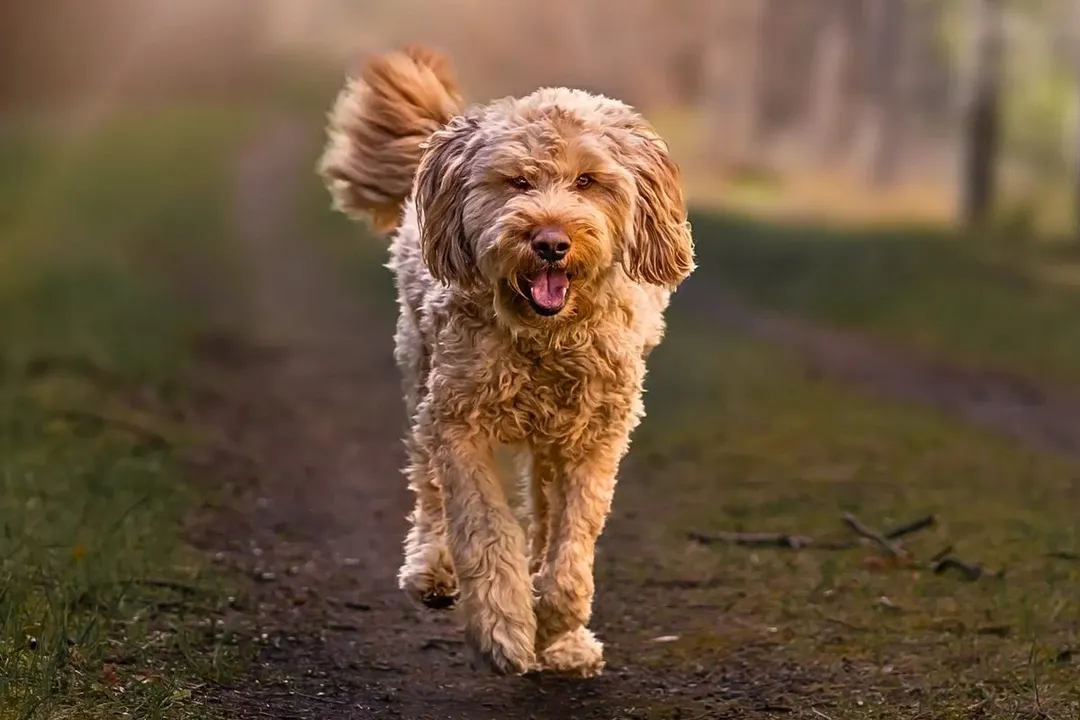
The fate of the Otterhound is a stark reminder of how quickly a historically vital, yet specialized, dog breed can spiral toward oblivion when its original purpose vanishes. These large, shaggy hounds, once fixtures in the retinues of English royalty, now hover precariously close to extinction, classified by the Kennel Club as one of the Vulnerable Native Breeds. To gauge their predicament, consider the numbers: while a typical year might see hundreds of thousands of puppies registered across all breeds in the UK, the Otterhound tally has recently been frighteningly low, registering only 42 puppies in 2021 and a mere 14 by late 2022. Worldwide, estimates suggest fewer than 1,000 individuals remain, a population smaller than that of the giant panda in some assessments. The question isn't simply if they are endangered, but how dedicated enthusiasts can pull them back from the brink.
# Royal Scent Hounds
The lineage of the Otterhound is deeply embedded in medieval English sport, tracing its roots back to controlling pest animals that threatened essential food supplies. Originating in England, the breed was developed around the time of King John (late 12th/early 13th century). At that time, otters were viewed as significant competitors to fishermen, and controlling their numbers was a matter of economic necessity.
The development of the breed required a unique combination of traits suited for arduous work in icy, fast-moving water. This heritage gave them specialized equipment: large, webbed feet for powerful swimming, and a dense, oily double coat that offered superior waterproofing and insulation against the cold. Their noses were arguably their greatest asset; their scenting ability is so keen that they could reportedly follow an otter’s trail up to 72 hours old. To achieve this effectiveness, breeders combined qualities from several other notable hounds. One expert suggested they required "a Bulldog's courage, a Newfoundland's strength in water, a Pointer's nose, a Retriever's sagacity, the stamina of a Foxhound, the patience of a Beagle and the intelligence of a Collie". While their exact ancestry is debated, common suspects include the Bloodhound, Foxhound, Southern Hound, and French breeds like the Griffon Nivernais and Grand Griffon Vendéen.
# Collapse of Purpose
The turning point for the breed was directly tied to the fate of its quarry. As chemical pollution decimated otter populations across Britain and Europe between the 1950s and 1970s, otter hunts began to cease voluntarily before the species was legally protected in 1978. The subsequent banning of otter hunting in 1981 effectively removed the central reason for the Otterhound’s existence.
Unlike some other working breeds that successfully transitioned to companion or show roles, the loss of their hunting function hit the Otterhound population hard. Many of the dedicated packs were dissolved, and while some hounds shifted to hunting mink, subsequent legislation also curtailed this activity. The breed's survival became wholly dependent on the dedication of a few enthusiasts. Even when the Kennel Club offered free registration to hounds from disbanded packs, the numbers failed to rebound significantly, illustrating that mere existence is not the same as a thriving population.
# Breed Profile
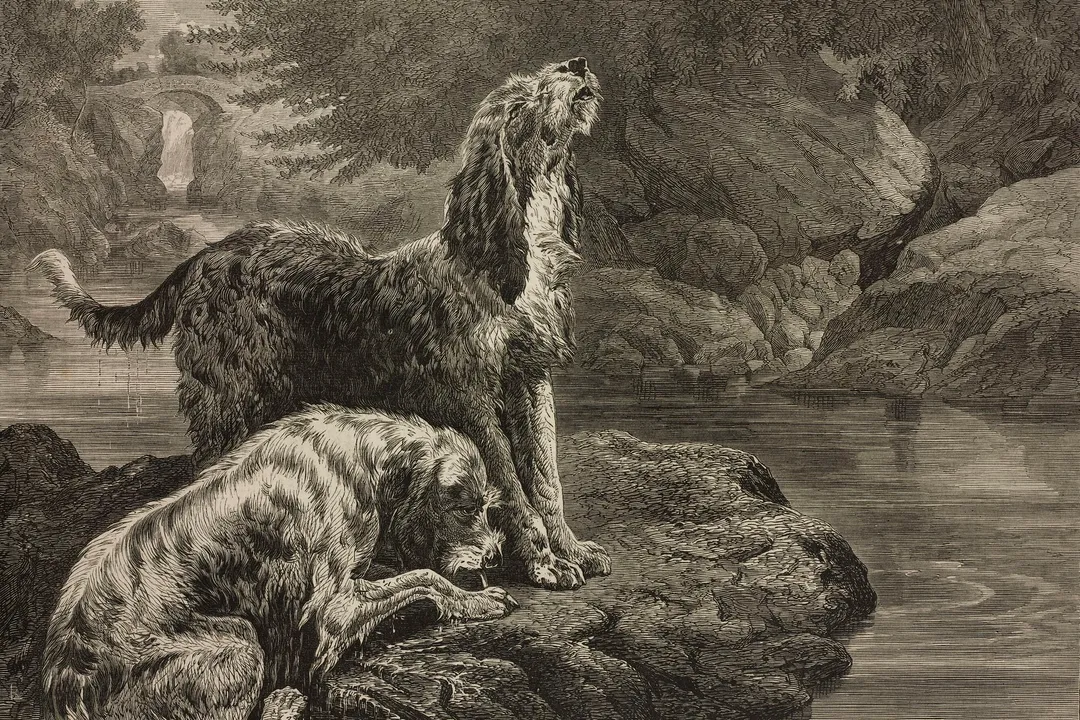
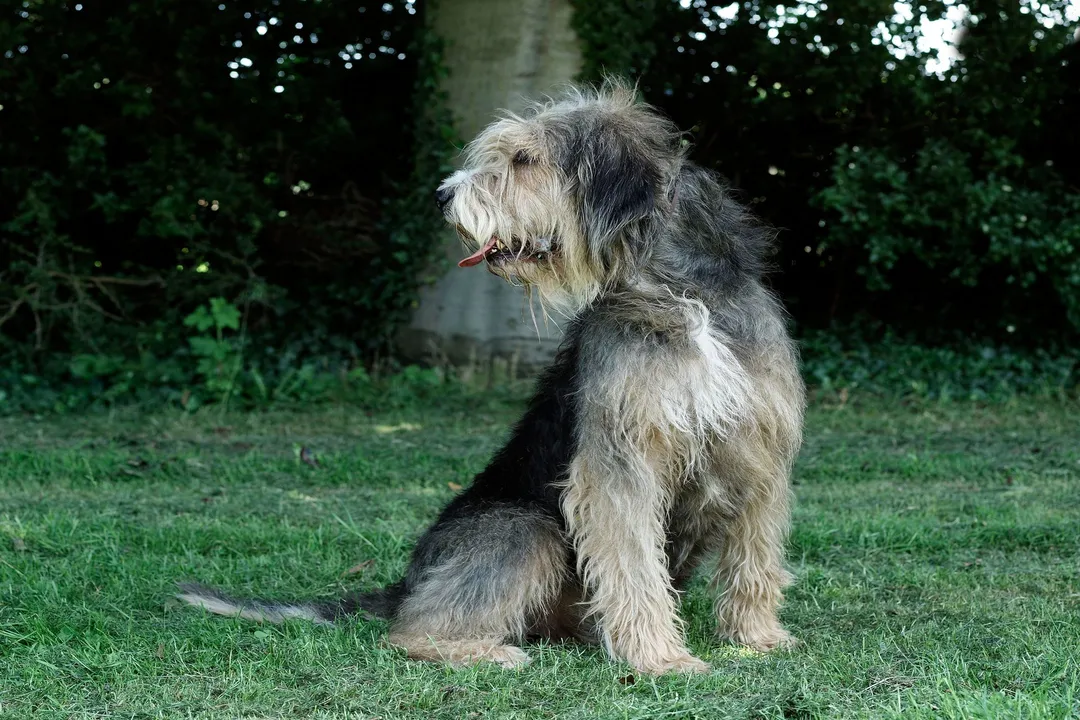
The Otterhound is a substantial dog, typically weighing between 80 and 115 pounds for males, standing around 27 inches at the shoulder. Their appearance is instantly recognizable: large, rough-coated, with a distinct beard and bushy eyebrows. They appear in a spectrum of colors, including grizzle, sandy, wheaten, red, and blue, often with white markings.
Temperamentally, they are described as amiable, good-natured, friendly, and convivial, often possessing a great sense of humor. They are strong family dogs who bond deeply with their "pack"—their human family.
However, their suitability as a general companion is tempered by their working background. They require significant commitment. An adult Otterhound needs at least two hours of exercise every day, and more important than speed is the variety of scents and scenery they encounter. If their powerful nose locks onto a trail, they can become completely single-minded, tuning out all commands—a trait that demands early and consistent training on recall and the use of a longline. Furthermore, their size and enthusiasm mean they can be clumsy, making them better suited for homes with older children rather than toddlers.
# Navigating Daily Care Demands
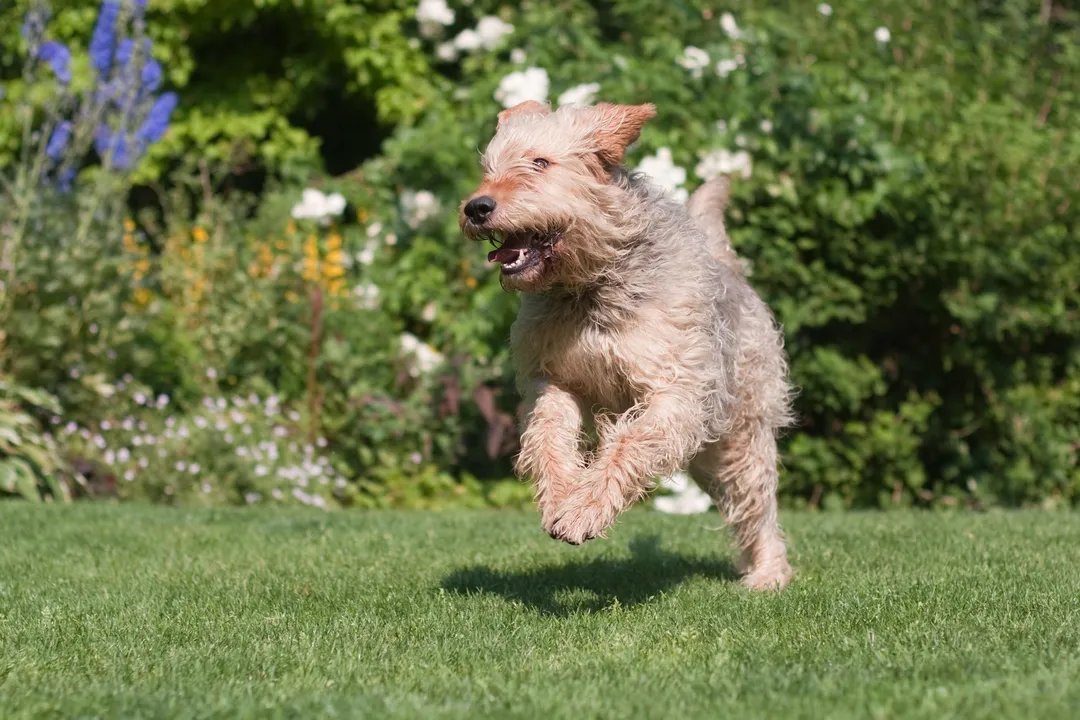
Caring for an Otterhound presents unique challenges rooted in their specialized anatomy and drive. Their large size requires a spacious home, and prospective owners must secure a yard with fencing at least six feet high, as they can easily dig or jump. They are decidedly not suited for typical city environments due to their exercise needs and their powerful, deep bay, which carries long distances.
Even simple daily routines require consideration. The rough, slightly oily double coat needs regular brushing, perhaps more than once a week to prevent matting. More saliently, their characteristic water-loving nature means that after any swim or even a drink from their bowl, their rough coat, beard, and long, droopy ears will inevitably spray water and mud across nearby surfaces. Keeping those long ears clean and dry is crucial for preventing ear infections, a common concern in breeds with pendulous ears.
For owners considering this breed, the key insight lies in understanding this dual nature: they are quiet and affectionate indoors, but their instincts pull them toward vigorous, scent-driven outdoor activity. If a potential owner cannot provide the necessary space, secure boundaries, and dedicated time for scent-based engagement—rather than just rote jogging—the hound can easily become bored and potentially destructive. The reward for meeting these high needs is an intensely loyal and happy companion, but the barrier to entry for casual ownership is high precisely because they are bred to do one thing extremely well.
# The Critical Gene Pool
The primary challenge in saving the Otterhound is not finding homes for existing dogs, but ensuring genetic viability for future generations. When a breed drops to such low population numbers—less than 1,000 globally—the risk of inbreeding depression skyrockets. Each litter registered in the UK is a precious contribution to the overall breed health.
This situation necessitates international collaboration that goes far beyond standard breed club activities. The Dutch Friends of the Otterhound organization explicitly states its commitment to preserving the original qualities by maintaining regular contact with breed clubs in England, the USA, and Finland. The report from the Dutch club detailed their efforts to import "fresh blood" from an English kennel to ensure genetic diversity, even arranging matings between Dutch and English lines. This sort of deliberate, transnational management of breeding stock is essential. It moves conservation efforts beyond simply encouraging more people to own the breed, focusing instead on the quality and diversity of the puppies being produced. For a breed this rare, every single mating decision carries enormous weight for the next fifty years of the breed’s existence. A failure to find dedicated, knowledgeable breeders willing to manage complex international transfers could see the breed vanish within a generation, regardless of how many supportive pet owners are waiting.
# Health Vigilance
While generally a robust, large scent hound with a lifespan around 10 to 15 years, the narrow gene pool means that certain health issues must be meticulously monitored. A UK health survey identified a predisposition to Gastric Dilatation Volvulus (GDV), commonly known as bloat, which accounted for a significant portion of recorded deaths in one study. As with many large breeds, hip and elbow dysplasia are also concerns that responsible breeders attempt to mitigate through pre-breeding health screening. Furthermore, due to their large size and slower maturation rate, proper diet and carefully dosed exercise, especially avoiding excessive stair climbing in puppyhood, are paramount to protecting their growing joints.
The Otterhound’s existence remains fragile, tethered to the success of a few dedicated clubs and breeders worldwide who recognize the immense historical and character value held within this shaggy, water-loving hound. Their survival is a testament to focused effort against the tide of modern trends and specialized historical obsolescence.
Related Questions
#Citations
Otterhound - Wikipedia
Otterhound Dog Breed Information - Purina Arabia
It's rarer than a white rhino, five times as heavy as a badger and has ...
The Otterhound - Pet Health Network
Otterhound Dog Breed & Adoption Information | Petfinder
English - Otterhound.nl
The otterhound — the story behind Britain's rarest breed of dog
About Otterhounds