What is a Kooikerhondje used for?

The Kooikerhondje, sometimes simply called a Kooiker, is a small, cheerful sporting dog from the Netherlands whose history is deeply intertwined with the country's wetlands and waterfowl management. [1][2] While today many people know this breed as an affectionate family companion, its original and most defining purpose was specialized and highly unique: to act as a decoy for luring ducks into traps. [1][5] The very name reflects this heritage; Kooiker refers to the owner of a duck trap, known as a kooi. [1]
# Duck Luring

The primary historical function of the Kooikerhondje was working in these traditional Dutch duck decoys. [1][5] This was not a role for just any dog; it required a specific set of traits that the breed naturally possesses, such as high intelligence, alertness, and a distinct physical appearance. [2][3] The dog’s job was to attract the curiosity of wild ducks swimming nearby. [5]
The technique involved the dog moving along the edge of the water, often concealed by reeds or brush, so that only its brightly colored tail and ears were visible. [1][5] The Kooikerhondje’s tail is heavily feathered, and when wagged during this activity, the movement and the contrasting orange-red and white coloring would pique the interest of the wildfowl. [1][5] The ducks would swim closer to investigate the strange, beckoning movement, often moving toward the dog without realizing the danger. [5] Once the ducks were sufficiently near the hidden entry point of the trap, the Kooiker would slip out of sight, often signaled by the trapper, allowing the unsuspecting birds to swim into the capture net or blind. [1]
This centuries-old method of trapping was quite different from traditional hunting drives where dogs might flush game; instead, the Kooikerhondje was used to entice and calmly draw game into a specific location. [1][5] This demanding, specialized use shaped the breed’s core temperament—a need to be observant, quiet when required, yet capable of bursts of engaging activity. [6]
# Appearance Traits
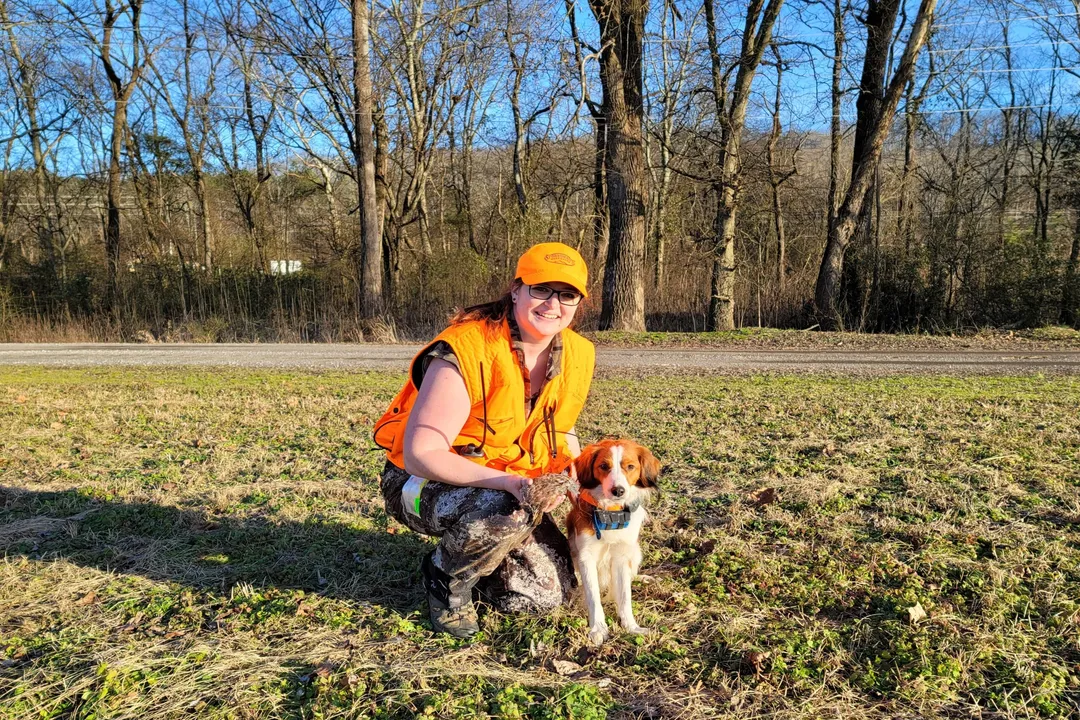
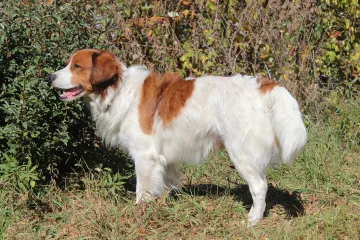
Understanding the breed's look is essential to appreciating how they were selected for their work. The Kooikerhondje is a small spaniel-type dog, generally weighing between nine and 14 pounds and standing about 14 to 16 inches tall at the shoulder. [1][2] Their coat is a striking, medium-length feathering, almost always seen in white with distinct orange-red patches. [1][2]
One of the most distinguishing features, which was key to their luring success, are the long, feathered black tufts of hair on their ears, often called "earrings" or oorbellen. [1][2] These dark tassels contrasting with the bright white and red of the body likely helped draw the eye of the ducks. [1] The white coat is not purely for decoration; it provides camouflage against the bright sky when viewed from below by the ducks, while the colored patches and feathered tail provided the necessary visual movement cues. [5]
The breed is recognized internationally by organizations like the FCI, and in the United States, they have achieved recognition with the AKC in the Foundation Stock Service (FSS) and are also recognized by the UKC and CKC. [1][2][7][8] This international acceptance suggests that the traits valued in their homeland are appreciated globally, even if the original purpose is no longer primary. [2]
# Companion Dog

Today, the primary role of the Kooikerhondje is that of a devoted companion animal. [2] They are known for being intelligent, friendly, and good-natured within their family unit. [3] They thrive on human interaction and tend to form strong bonds with their owners. [2] Their active and alert nature makes them wonderful participants in family life, provided their energy needs are met. [4]
However, owners should be aware that while they are affectionate with family, they can be reserved or aloof with strangers. [2][3] This wariness is an echo of their working past, where startling or alerting the ducks prematurely would have ruined the trapping effort. For a modern pet, this reserved quality means that early and consistent socialization is crucial. [3] A Kooiker needs exposure to various people, sounds, and environments starting as a young puppy to ensure they grow into confident, well-adjusted adults rather than overly shy ones.
It is interesting to note how the modern family dynamic contrasts with the historical wetland setting. In the past, the dog interacted primarily with one handler in a quiet, natural environment; now, they must navigate busy parks, doggy daycare environments, and varied household visitors, requiring a much broader baseline of social acceptance than their ancestors needed for their solitary task. [6]
# Sport Trials
Because of their intelligence, eagerness to please their owners, and natural athleticism, Kooikerhondjes excel in various canine performance sports. [1][2] Their history as working dogs means they are bred to focus and solve problems, traits that translate well into competitive settings. [6]
They frequently participate in:
- Agility: Their moderate size, speed, and desire to work make them excellent candidates for navigating obstacle courses quickly and accurately. [1]
- Obedience: Their intelligence allows them to learn complex commands readily, making them successful in formal obedience routines. [1]
- Tracking/Scent Work: While their primary historical scent work involved waterfowl, their natural drive translates well into following ground scents. [1][6]
For prospective owners considering performance sports, it is important to recognize that this breed needs mental stimulation as much as physical exercise. A Kooiker that is only walked around the block will likely invent its own games, which might include inventive digging or chasing small wildlife—behaviors rooted in that same historical curiosity and prey drive. [6] Engaging them in scent games or training classes that challenge their minds prevents boredom, which is a key predictor of undesirable household behaviors in an intelligent breed like this one. [4]
# Temperament Factors
The temperament of the Kooikerhondje is characterized by being sensitive, intelligent, and eager to please its primary caregiver. [3][4] They are not typically aggressive, but their alertness means they will certainly alert their owners to new stimuli with barking, functioning well as watchdogs without being excessive alarmists, provided they are well-managed. [3]
Their sensitivity must be respected during training. Harsh corrections or inconsistent handling will quickly cause a Kooiker to shut down or become reluctant to work. [4] Positive reinforcement methods, emphasizing reward and clear communication, are far more effective for this breed, building the cooperative relationship that mirrors the subtle partnership required when working the duck traps. [6]
The breed retains a significant prey drive, specifically concerning birds and small animals, which is directly tied to their original use. [5] While they are generally good with children when raised with them, their history suggests that any interaction with backyard poultry or neighborhood cats needs careful, supervised introduction, as the instinct to chase or investigate is strong. [3]
# Breed Maintenance
While not a direct "use," the required maintenance directly affects their suitability for different owners and roles. Their beautiful, medium-length coat requires regular grooming to prevent matting, especially in the feathering on the legs, chest, and tail. [1] They shed moderately year-round, with heavier seasonal shedding. [2]
A practical consideration for owners planning to use their Kooiker for active dog sports or long hikes is understanding their energy level versus their size. Though they are small dogs, they possess the stamina of a sporting breed. [6] An owner might mistakenly assume a small dog requires minimal exercise, but the Kooiker requires daily vigorous activity and mental engagement to remain a calm housemate. For example, a ten-minute sprint followed by a twenty-minute training session focusing on retrieving or puzzle-solving is often more satisfying for a Kooiker than an hour-long, unstructured walk. [4] This balance between drive and domesticity defines their modern utility as a high-engagement family member.
In summary, the Kooikerhondje transitioned remarkably smoothly from a highly specific, traditional hunting tool used to lure waterfowl in the Netherlands to a multi-talented companion dog celebrated worldwide for its intelligence and charm in performance sports. [1][2] Their enduring value lies in the combination of a keen mind, an active body, and deep devotion to their family circle. [3]
Related Questions
#Citations
Kooikerhondje - Wikipedia
Nederlandse Kooikerhondje Facts You May Not Know
Nederlandse Kooikerhondje - The Westminster Kennel Club
type dog breed of Dutch ancestry that was originally used as a ...
Kooikerhondjes as bird dogs? - KOOIKEROLOGY
Kooikerhondje Dog Breed Information - Continental Kennel Club
Breed Standards : Kooikerhondje | United Kennel Club (UKC)
What is a Kooiker? - NKCSC