Is Beefalo considered a rare breed?
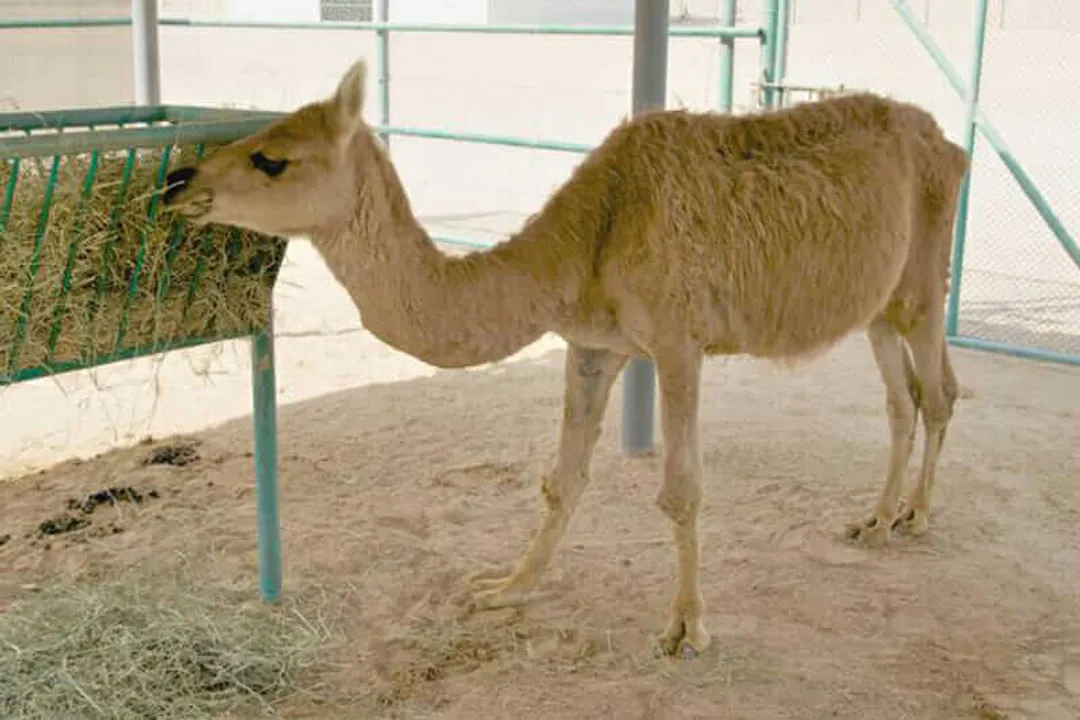
The status of Beefalo within the agricultural world is often misunderstood, leading many to question whether this unique crossbreed actually qualifies as a distinct, rare breed. Beefalo represents a calculated blending of characteristics from two iconic North American bovines: the domestic cow (Bos taurus) and the American Bison. [1][2][4] While they are certainly not as numerous as Angus or Hereford cattle, their rarity is tied directly to specific breeding standards and the ongoing commitment of niche producers. [1]
# Defining Hybrid
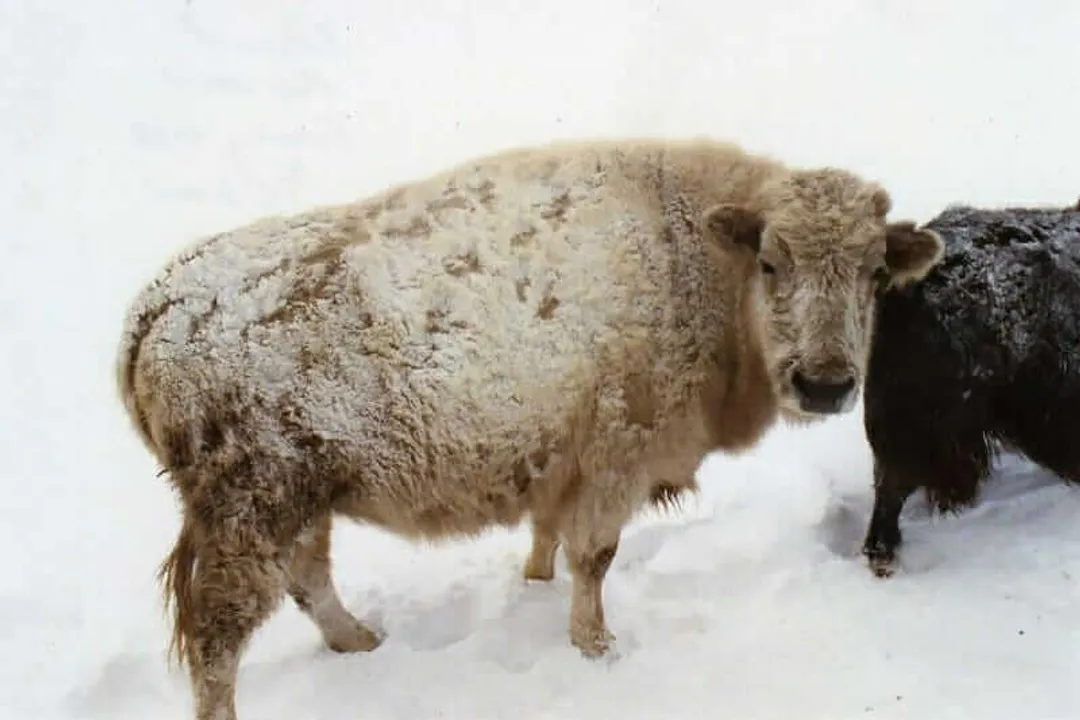
The creation of Beefalo stems from the desire to capture the best traits of both parent species. It is fundamentally a hybrid designed for efficiency and meat quality. [2][6] Unlike some historical attempts at crossbreeding, the goal with modern Beefalo was to create a sustainable, fertile animal that retains significant bison influence. [3] The resulting animal benefits from the hardiness and forage efficiency associated with bison genetics while retaining the easier handling and beef characteristics of cattle. [8]
The term itself is sometimes confused with "cattalo," an older name that historically referred to earlier, perhaps less standardized, crosses between cattle and bison. [5] Today, registries work to standardize what constitutes a true Beefalo, moving beyond simple F1 crosses (first generation) to established lines. [4][7] The American Beefalo Association (ABA) plays a key role in defining these standards, typically requiring a specific minimum percentage of bison genetics to qualify for registration. [8]
# Breed Numbers
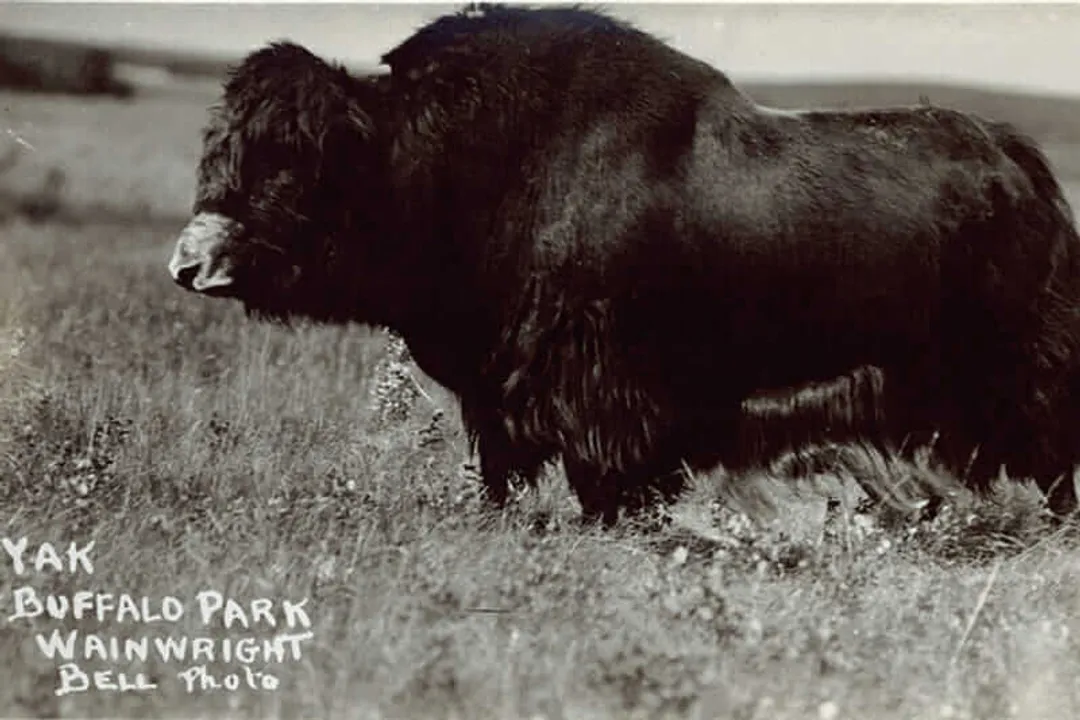
Determining exact population numbers is challenging because commercial operations may crossbreed without seeking official registration, meaning the total number of animals with bison genetics is higher than the registered count. [1] However, by the standards of major livestock organizations, the Beefalo population is indeed small. The fact that a dedicated association, the American Beefalo Association, exists to track and promote the breed underscores its minority status compared to established, high-volume breeds. [8]
When considering rarity in livestock, it often comes down to pedigree registration. If a breed relies heavily on a single association to maintain its genetic integrity and record its numbers, it inherently remains far from commodity status. While the exact current inventory remains fluid, the pool of registered Beefalo is small enough to categorize the animal as a rare breed by commercial livestock standards, even if crossbred animals are found more widely on independent farms. [1]

# Bison Genetics
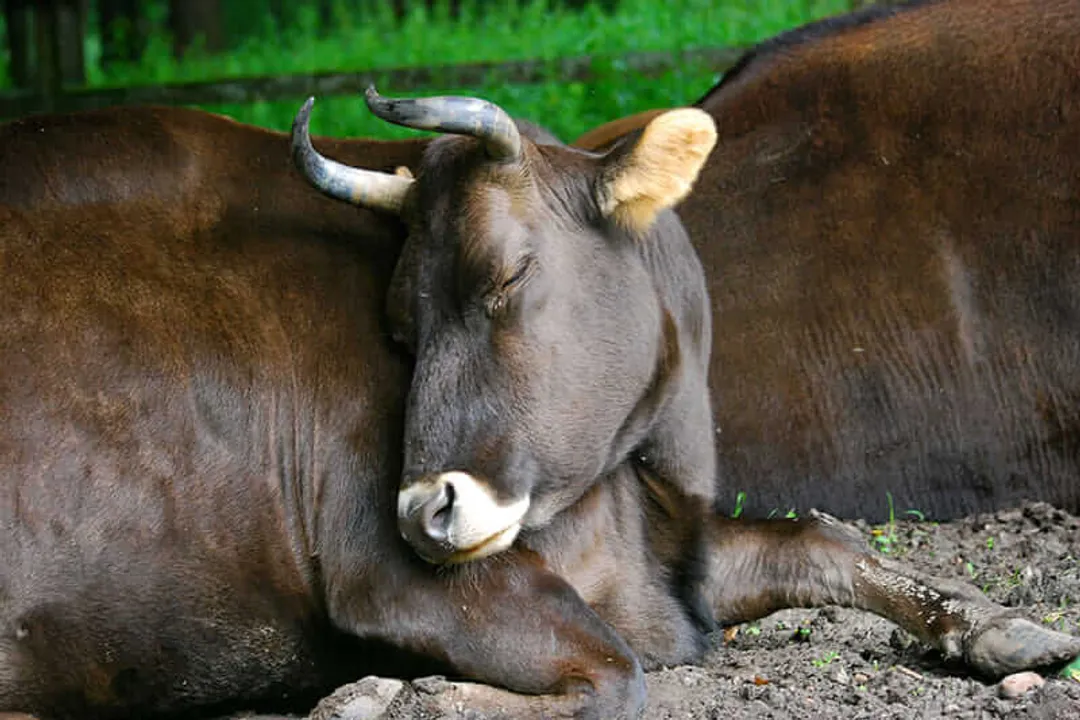
The appeal of the Beefalo centers on incorporating the biological advantages carried by the American Bison. Bison are known for their ability to thrive on poorer forage quality and their superior adaptation to rugged environments compared to many European cattle breeds. [8] This genetic contribution often translates into cattle that require less intensive management, are more parasite-resistant, and deposit fat more efficiently, often intramuscularly rather than externally. [8]
This infusion of bison blood is what gives the resulting meat its touted health benefits. Beefalo meat generally contains less fat and lower cholesterol than conventional beef. [2][8] For producers aiming to market a premium, healthier alternative, having a traceable, registered line that meets a certain threshold of bison heritage (such as the generally accepted 3/8ths or 37.5% bison genetics required by some registries) is essential to validating those health claims. [4][7]
An interesting aspect of this hybridization is the fertility of the offspring. Unlike the mule, a well-known sterile hybrid, the cross between cattle and bison produces fertile offspring, allowing for successive generations of breeding and the stabilization of desirable traits. [3] This fertility is a prerequisite for establishing any viable, recognized hybrid breed.
# Production Value
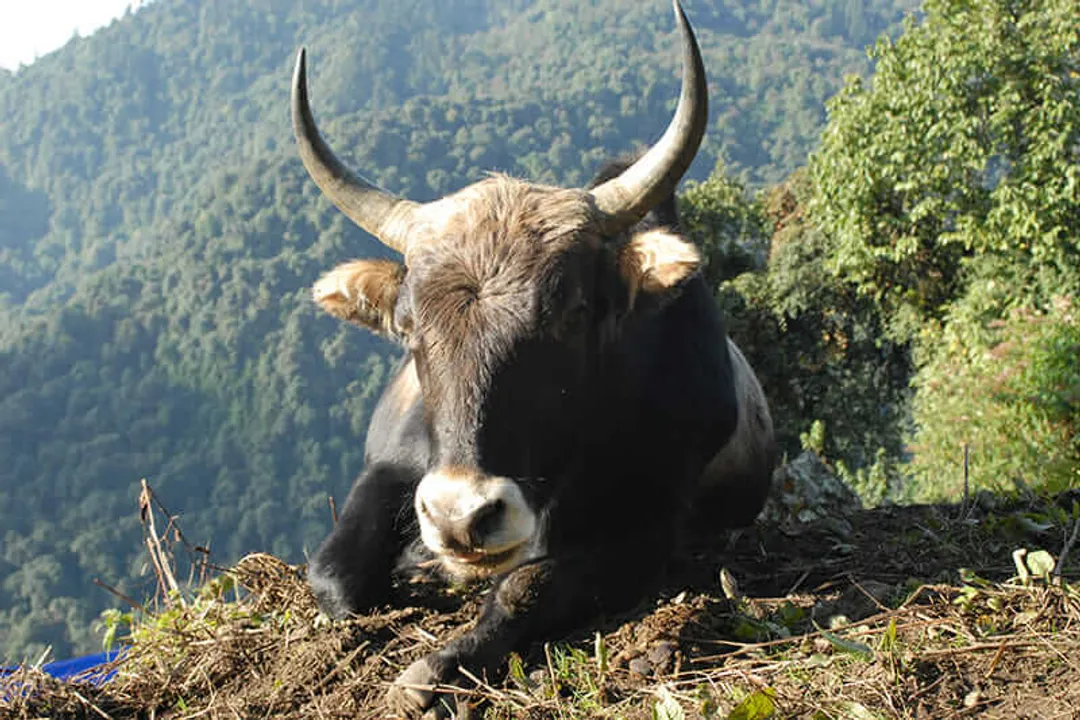
The economic case for raising Beefalo revolves around two main pillars: meat quality and operational efficiency. From the consumer side, the meat is marketed as leaner and potentially better tasting due to how the bison genetics influence fat deposition. [2][8]
From the farmer’s perspective, the advantages are tied to lower input costs. These animals often exhibit greater disease resistance and are generally hardier, thriving in conditions where more pampered purebred cattle might struggle. [8] When looking at total production output, one must weigh the slightly different growth rates against the reduced need for supplements or medical intervention. For example, a farmer in a region with harsh winters or sparse summer grazing might find that a Beefalo herd maintains body condition better than a purebred herd requiring supplemental feed during shoulder seasons. This operational benefit, which reduces the need for significant purchased inputs, is a key differentiator that keeps producers invested in the breed despite its smaller market visibility. [8]
# Registry Standards
The commitment to maintaining the Beefalo as a distinct entity requires strict adherence to established registry rules. The American Beefalo Association documents the history and parentage of registered animals, which is vital for market integrity. [8]
These standards become crucial when one considers the spectrum of possible crosses. If a producer breeds a 50% Beefalo back to a purebred cow, the resulting offspring is only 25% bison, yet it might still be marketed loosely as a "beef blend" or "bison cross". [4] For a registered Beefalo, there are usually minimum thresholds for bison genetics (often or $37.5%$) to qualify for the registry, ensuring the animal carries enough of the ancestral traits to deliver the expected characteristics. [7]
This reliance on defined percentages leads to an important consideration for potential buyers or cross-breeding operations. The value of the animal is often inversely related to how far it drifts from the accepted genetic standard. While the F1 cross (50%) is genetically distinct, breeding for stability or adhering to the ABA standard means producers must manage genetics across multiple generations, ensuring they don't inadvertently breed out the very bison traits they sought in the first place. Maintaining that specific genetic target across a herd requires diligent record-keeping far beyond standard cattle operations. [8]
# Terminology Split
It is important to clearly distinguish Beefalo from Cattalo, as the terms are sometimes conflated, particularly in historical literature or among less-informed parties. [5][7] While both involve crosses between bison and cattle, the modern understanding positions Beefalo as a standardized, registered animal often targeting a specific percentage of bison heritage, whereas Cattalo may refer to any or earlier, undefined crosses. [5]
For a farmer looking to enter this niche market, understanding this distinction affects everything from marketing materials to herd health protocols. A consumer searching for the reputed lean meat from a Beefalo expects the quality assurance that comes with the ABA registration, which separates it from a first-generation cross that might exhibit more unpredictable characteristics, behavior, or meat composition. [1][8] A first-generation cross, while having the immediate benefits of both parents, might not reliably pass those traits on to its own offspring in the same way an established Beefalo line is expected to do. [4]
For instance, a purebred bison bull bred to a standard commercial cow produces an F1 animal that is $50%$ bison. This animal is often extremely hardy but might have unpredictable temperament. A subsequent generation bred to meet the $37.5%$ standard aims for a balance: retaining the hardiness and meat quality while improving the docility needed for practical ranch management. If a producer simply focuses on cross-breeding without tracking the percentages toward the established standard, they are creating a custom hybrid, not necessarily a recognized Beefalo. [7] This highlights that the rarity isn't just about the low total count, but about the small, specific population managed under strict genetic guidelines.
Related Questions
#Citations
Beefalo - Wikipedia
Beefalo, a bison-cattle hybrid, is being touted as the healthy meat of ...
If beefalo can reproduce, why aren't cows and buffalo the same ...
17% to 33.99% bison as “Percentage Beefalo”. 34% to ... - Facebook
Bison Hybrids, Cattalo, and Beefalo
10 Farm Animal Hybrids You Didn't Know Existed
Will the beefalo, a bison-cattle hybrid, be the future of meat in the US ...
The True American Breed - American Beefalo Association
What is Beefalo?