Is a bluenose pitbull a rare breed?
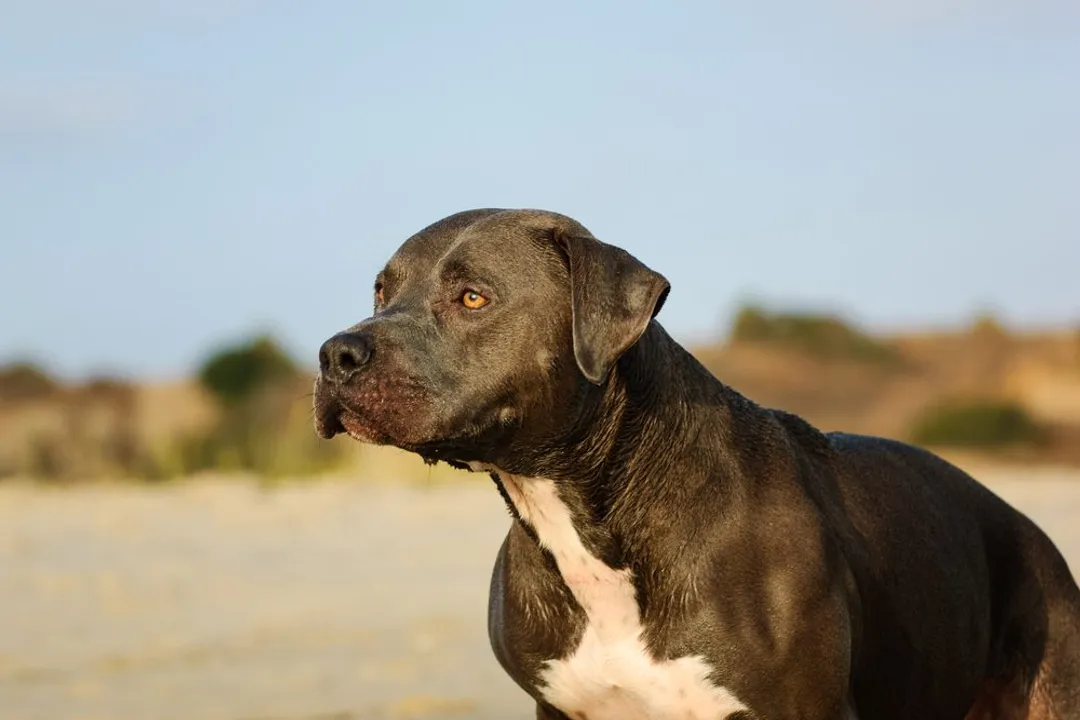
The distinct blue or grey coloring seen in certain Pit Bull-type dogs sparks immediate curiosity, often leading people to ask if the "Bluenose Pitbull" constitutes a rare breed unto itself. The reality is far more nuanced than a simple yes or no answer suggests, resting heavily on definitions, genetics, and the standards set by dog registries. In simplest terms, the dog enthusiasts often call the Bluenose is not a separate breed. [2][9] Instead, the term refers almost exclusively to a color variation found within established breeds, most commonly the American Pit Bull Terrier (APBT). [1][9]
# Breed Definition

Understanding why the Bluenose isn't a breed requires looking at the accepted standards. Major kennel clubs, such as the American Kennel Club (AKC), do not recognize the term "Bluenose Pitbull" as a distinct breed entry. [5] If a dog possesses the physical structure of an APBT but carries the specific gene for diluted pigmentation, resulting in a blue-grey coat and a slate-colored nose, it is simply classified as a blue-colored APBT or perhaps an American Staffordshire Terrier. [2][9] It is a phenotype—a visible characteristic—not a different genotype in terms of breed lineage. [4]
This is similar to how a black Labrador Retriever and a yellow Labrador Retriever are both recognized as Labrador Retrievers; the nose color itself does not shift the dog out of its foundational breed category. [4] The confusion arises because the blue color is visually striking and has been heavily marketed, leading some breeders or sellers to market these dogs as a special or rare type to attract buyers. [5] This marketing tactic often gives the impression of scarcity where only a specific shade is being advertised, rather than a genetically distinct lineage. [5]
# The Color Gene
The striking blue coat is the result of a specific, recessive gene known as the dilution gene. [5] For a dog to display this coat color, it must inherit two copies of this recessive gene, one from each parent. [5] Since this gene must be present in both parents to appear in the offspring, the frequency of the blue coat in the general population of Pit Bull types is naturally lower than the more common black or red colors. [4]
This inherent genetic frequency is likely the source of the perception that the dog is rare. While black-coated dogs have a dominant gene expression for dark pigment, the blue dogs require the specific, less common combination of recessive alleles. If a breeder is specifically trying to produce only blue-coated puppies, the resulting litter size might be smaller, or the time it takes to produce a litter with that desired color might be longer, thus contributing to the feeling of rarity in the market. [1] However, this rarity applies only to the color, not the breed. A responsible breeder focused purely on the structure and health of the APBT, without regard to coat color, will still produce dogs that genetically fall under the APBT umbrella, regardless of the nose shade. [8]

# Temperament Comparisons
When people discuss the perceived rarity of the Bluenose, the conversation often veers into discussions about temperament, sometimes contrasting them with their "Red Nose" counterparts. [3] It is a common, though scientifically unfounded, belief that the blue coloration might somehow confer a gentler or calmer nature compared to the red variety. [3]
However, expert consensus and practical experience suggest that temperament is overwhelmingly determined by socialization, training, and individual genetics related to behavior, rather than the dilution gene responsible for coat color. [3] A dog’s drive, affection level, and disposition are shaped by the thousands of generations of selective breeding for function (historically, often involving tenacity and gameness) combined with the individual care it receives throughout its life. [7] Whether a dog has a black, red, or blue nose, the core behavioral tendencies that define the Pit Bull type remain consistent. [4] Attributing specific personality traits to nose color adds to the mythos but offers no reliable insight into how a specific individual dog will behave. [3]
# Health Implications
Where the distinction between color and breed does become highly relevant for potential owners is in the realm of health. Focusing solely on obtaining a specific, visually striking color like blue can sometimes lead to irresponsible breeding practices aimed only at aesthetics. [5] When breeders prioritize producing the blue coat above all else, they may unknowingly or knowingly perpetuate the line carrying the dilution gene without sufficient health testing for related issues. [8]
The dilution gene responsible for the grey coat can sometimes be associated with a condition called Color Dilution Alopecia (CDA), which manifests as skin problems, hair loss, and increased susceptibility to secondary skin infections. [5][8] While not all blue dogs will develop CDA, a dedicated breeder focused on preserving the breed's integrity would rigorously test for overall health markers and be aware of the potential link between the color and dermatological issues. [5] An owner seeking a Bluenose should view the dog's health history as far more critical than its specific shade of grey. An owner who prioritizes finding a dog from a lineage that emphasizes health screenings for hip, elbow, and cardiac issues—regardless of whether the nose is black, red, or blue—is selecting for a sound animal, which is the marker of a quality breeder. [5] If a breeder seems overly focused on selling the "rare blue" aspect while glossing over health clearances, that is a significant red flag that the dog’s well-being has been secondary to market appeal. [5][8]
# Ownership Considerations
For someone drawn to the striking appearance of the blue coloration, it is essential to shift the focus from rarity to responsibility. The perceived scarcity of the Bluenose color simply reflects the recessive nature of the gene in the population, not a separate, elite bloodline. [1][5]
When beginning the search for a dog of this type, prospective owners should adopt a checklist approach that ignores the color initially. A good starting point involves verifying the lineage against established breed clubs if possible, understanding that the dog is likely an APBT or related type. [2] Crucially, prospective owners should demand to meet the parents of the litter, if feasible, and review health testing results. Because of the potential link between the blue color and certain skin sensitivities, an informed owner might proactively inquire about dermatological history within the line, even if the dog is marketed as perfectly healthy. [5][8] This careful vetting process ensures that you are acquiring a healthy companion, whether its nose is slate or liver colored.
Ultimately, the Bluenose Pitbull is a beautiful manifestation of canine genetics within the established Pit Bull type, but it remains a color, not a rare breed. The true value lies in the commitment to health screening and responsible ownership practices over chasing an aesthetic label. [5][8]
#Videos
Blue Nose Pitbull: 7 Reasons You Should Own This Dog! - YouTube
Related Questions
#Citations
Blue Nose American Pit Bull Terrier: Everything You Need To Know ...
Blue Nose Pitbull: Your Complete Guide - Dog Academy
Is a blue nose pitbull considered to have a gentler nature compared ...
Blue Nose/Red Nose Everett's fun fact of the day: Pit Bulls come in ...
Blue Nose Pitbulls: The Truth About These Unique Dogs | Pittie Choy
Blue Nose Pitbull: 7 Reasons You Should Own This Dog! - YouTube
The Blue Pit Bull Myth, Blue Pitbulls Are Not Rare
Blue Nose Pitbull Facts & Info - Complete Rare Breed Owners Guide