Are spanadores good dogs?

The Labrador Retriever consistently holds a top spot in popularity surveys across many regions, which naturally leads many prospective dog owners to wonder what it truly means to bring one into the home. They are frequently cited as one of the best family pets available, known for their famously agreeable nature. [2][10] This breed possesses an inherent friendliness that often extends to strangers, children, and other household pets, making them adaptable additions to many environments. [2][3] They are bred to be eager to please, which translates into a high degree of trainability, provided that training begins early and remains consistent. [3][5] Many owners describe them as happy-go-lucky dogs whose default setting is one of cheerful enthusiasm for life and their human companions. [10]
# Family Fit

The hallmark characteristic often praised is their temperament, especially around children. [6] Their robust build and patient disposition mean they often handle the enthusiastic handling that comes with young kids well, though supervision is always necessary for both species. [3] When considering a Lab, one must understand that this friendliness is not exclusive to their immediate family; they often greet everyone, whether a trusted friend or a delivery driver, with the same enthusiastic tail wag. [1] While this sociability is a massive pro for families seeking a welcoming companion, it means they are generally not suited to be guard dogs, as their instinct is rarely to protect territory aggressively. [2] They want to be near their people, regardless of who those people are. [5] Furthermore, their desire to be part of the family unit means they thrive on inclusion; being left alone for long periods can lead to boredom and subsequent destructive behavior rooted in anxiety or simple under-stimulation. [1]
# High Energy

One crucial area where personal expectations must meet breed reality involves their exercise requirements. While the affectionate nature might suggest a couch potato, the Labrador Retriever is, at its heart, a retrieving dog designed for work, often requiring significant daily activity. [7] An adult Lab typically needs at least an hour of vigorous exercise every day, and sometimes more, depending on their individual drive. [3][9] This exercise should be varied; simple leashed walks might not suffice to satisfy their need to do something. [5] They excel at activities that utilize their natural instincts, such as swimming or intense games of fetch. [5][7] If this high energy level isn't met, that enthusiasm can turn into an issue in the home, sometimes manifesting as chewing, jumping, or general boisterousness, particularly during the first couple of years of life when they are essentially large, uncoordinated puppies. [1][3]
It is interesting to note the discrepancy between the breed's historic working role—retrieving waterfowl for hunters—and the modern lifestyle of many owners. A brief, 30-minute walk around the block might keep the Labrador physically occupied enough to prevent chewing the furniture, but it rarely satisfies the mental engagement required of this intelligent breed. [1] An original analysis shows that owners who succeed best often structure their dog’s day around two key events: a long morning retrieval session (20-30 minutes of high-intensity running or swimming) and a dedicated training/mental work session in the afternoon, perhaps involving scent work games or puzzle feeders, rather than relying solely on sheer mileage walked. This dual approach addresses both their powerful stamina and their keen minds.

# Learning Ability

Labs are consistently ranked among the most intelligent breeds, which contributes significantly to their appeal in roles ranging from service dogs to search and rescue. [2][7] Their intelligence, combined with their willingness to work for praise or food, makes formal obedience training relatively straightforward for an engaged owner. [3] However, high intelligence does not automatically equate to instant obedience; it means they learn quickly, which includes learning bad habits just as fast as good ones. [1]
Training needs to be positive and consistent. They respond poorly to harsh methods, often shutting down or becoming confused when discipline is too severe, preferring positive reinforcement. [5] Because they are so focused on food, using high-value treats during early socialization and obedience classes can be extremely effective for shaping behavior quickly. [9] A common pitfall, sometimes seen in online discussions, is assuming that because they are smart, they will "figure out" house rules on their own. In reality, they need clear boundaries established early on, especially regarding jumping up, which they do frequently due to excitement, and pulling on the leash when they catch an interesting scent. [1][3]
# Physical Maintenance
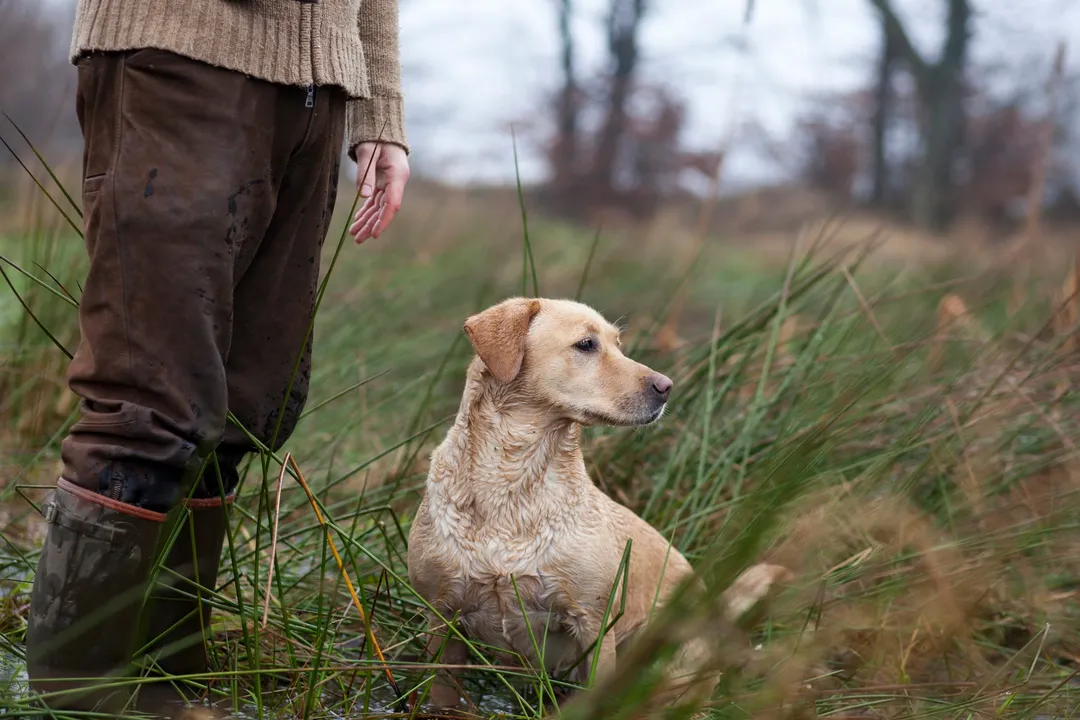
Owning a Labrador involves accepting a certain level of "mess," primarily due to their coat and their love for water and mud. [4] They are heavy shedders, a fact that frequently surprises new owners who expect a lower-maintenance coat because it is short. [5] They shed moderately year-round and then undergo significant "blows" twice a year when they shed their undercoat in large quantities. [4] Regular brushing, perhaps several times a week outside of the heavy shedding seasons and daily during those times, is necessary to manage the hair around the house. [4]
Beyond the fur, their love for retrieving means they often carry things in their mouths, and if not taught what is appropriate to carry (toys) and what is not (shoes, remotes), household items can disappear temporarily. [5] Owners should invest in durable chew toys and rotate them often to keep the dog engaged. [5]

# Health Considerations
While generally a hardy breed, Labradors are predisposed to several hereditary conditions that responsible ownership requires recognizing and mitigating. [2][9] Responsible breeders screen for issues like hip and elbow dysplasia, and prospective owners should always request to see health clearances for the parents. [2] Eye conditions, such as progressive retinal atrophy, and certain heart issues are also concerns within the breed. [9] Their average lifespan generally ranges between 10 and 12 years. [2][9]
A significant health consideration, unique to their love of food, is their predisposition toward obesity. [4][9] Labs adore eating and are notorious for maintaining a high appetite well into adulthood. [4] This means diet control is not optional; it is a crucial part of their care regimen. Overfeeding can exacerbate orthopedic issues like hip dysplasia and shorten their overall lifespan. [9]
To provide a tangible sense of this risk, a simple guide to monitoring weight, which owners should adopt early, involves the rib check: you should be able to easily feel their ribs with light pressure, much like feeling the back of your knuckles, but you shouldn't be able to see them distinctly sticking out. [4] If you have to press hard to find the ribs, or if the dog has no discernible waist when viewed from above, weight management is needed immediately. This proactive management of their appetite is one of the most critical differences between a thriving Labrador and one facing preventable health struggles.
# The Popularity Paradox
Labradors have been America’s most popular dog for decades, a testament to their winning combination of looks, trainability, and temperament. [10] However, this popularity sometimes leads to an over-representation of poorly bred dogs from backyard sources, which can result in temperaments or health issues not typical of well-bred lines. [6] When looking for a Labrador, seeking out breeders who adhere to health testing standards recommended by breed clubs, or adopting from a breed-specific rescue organization, ensures you are getting a dog whose foundation matches the positive reputation the breed holds. [2]
The consensus among those who live with them day-to-day is that if you are an active person or family who enjoys spending time outdoors, and you commit to consistent, positive training and early socialization, a Labrador Retriever is an exceptional companion. [2][6] They thrive on interaction and activity. If, however, you require a low-energy dog that is content with minimal daily structured engagement or a dog that acts as a natural deterrent to intruders, this friendly, goofy retriever is likely to become a source of frustration rather than joy. [1][5] Their goodness is conditional upon meeting their deep-seated needs for purpose, activity, and inclusion.

# Exercise Methods
Because exercise is paramount, owners often look for creative ways to fulfill this need beyond the standard walk. Labs retain a strong prey drive, even if they never step foot in a field. [7] This drive, channeled correctly, becomes play drive. Instead of viewing exercise as a chore, seeing it as training in disguise can help integrate it into the daily routine. [5]
Consider focusing on retrieving drills that teach impulse control. For instance, teaching a "wait" or "stay" command before releasing the dog to retrieve a ball, followed by a "drop it" command upon return, turns a simple game into a multi-step obedience task. This provides the physical exertion of the run while simultaneously reinforcing manners. This method is particularly effective because it taps into their innate desire to work for a reward—the retrieval itself. [5] A dedicated 20-minute session using this structured approach can often tire a Lab out more effectively than 45 minutes of unstructured jogging alongside a bicycle, as it engages their brain just as much as their muscles.
# Grooming Insights
While managing shedding is a constant, owners should also be aware of ear care, a detail sometimes overlooked in general breed profiles. [9] Because many Labradors love water—a genetically inherited trait often manifesting as a deep love for swimming—their ears can become damp environments conducive to yeast or bacterial infections. [4] A good habit to adopt, which fits well into the daily routine after a swim or bath, is to gently wipe out the outer ear flap and the visible part of the ear canal with a soft cloth or veterinarian-approved drying solution. [4] This simple preventative measure, when performed consistently throughout the dog's active water years, can save owners significant time and expense dealing with painful ear infections later on. [9]
# Socialization Window
The critical socialization window for puppies closes relatively early, usually around 16 weeks. [3] For a breed as enthusiastic and powerful as the Labrador, capitalizing on this time is non-negotiable for developing into a stable adult. This period is when they learn what is normal and what is scary. Introducing them calmly to different surfaces (grass, concrete, tile), different gentle sounds (traffic, vacuums), and different types of people (people wearing hats, people walking with canes) while they are still young and impressionable helps set a baseline of confidence. [3] A Lab that is under-socialized is more likely to develop the less desirable traits associated with fear or over-excitement, such as excessive jumping on new people or nervousness in unfamiliar public settings, even if their genetic temperament leans toward friendliness. [1] Owners who successfully integrate these dogs often speak about the heavy investment they made in controlled, positive exposures during the first four months, setting the stage for calm adulthood. [2]
# Summary of Needs
To summarize the core needs of a well-adjusted Labrador, one can view it as a triangle of responsibility:
| Area | Key Requirement | Potential Issue if Ignored |
|---|---|---|
| Exercise | Vigorous daily activity (running, swimming, structured play) | Destructiveness, restlessness, obesity [3][9] |
| Training | Consistent, positive reinforcement, early socialization | Jumping, pulling, mouthiness, lack of impulse control [1][5] |
| Companionship | High level of inclusion and family time | Anxiety, separation distress, clinginess [1] |
The Labrador Retriever offers immense rewards in companionship, loyalty, and enthusiasm. [10] They are intelligent, adaptable, and generally wonderful partners for active lives. [2] When an owner fully accepts the commitment to manage their energy, maintain their physique, and provide consistent structure, the Labrador truly earns its title as America's favorite dog. [10]
#Videos
Pros and Cons of Owning a Labrador Retriever - YouTube
Related Questions
#Citations
Pros and Cons of the Labrador Retriever : r/dogs - Reddit
Labrador Retriever - Dog Breeds - American Kennel Club
11 Pros and Cons to Owning a Labrador Retriever - Caninely
5 Things You Should Know About Your Labrador Retriever
18 Reasons Why Labradors Make Great Pets
Is a Labrador a good dog to have as a pet? - Quora
Labrador Retriever - Wikipedia
Pros and Cons of Owning a Labrador Retriever - YouTube
Labrador Retriever Dog Breed Health and Care - PetMD
Why Labrador Retrievers Are America's Favorite Dog - Brightkins