Is a Dalmador a good dog?

The Dalmador, a popular crossbreed combining the Dalmatian and the Labrador Retriever, often sparks interest among those seeking a dog with a unique look and an energetic personality. Deciding if this hybrid is the right fit for a household requires looking closely at the potential traits inherited from both highly recognizable parent breeds. It is a designer dog, meaning their exact characteristics can vary significantly depending on which parent's genes are dominant in an individual puppy.
# Genetic Mix

Understanding the Dalmador means understanding its lineage. The Dalmatian brings spots, endurance, and sometimes a touch of independence, while the Labrador Retriever contributes friendliness, eagerness to please, and high retrieving drive. The resulting mix is a dog whose appearance can range from heavily spotted to nearly solid-colored, and whose temperament can lean more towards the reserved Dalmatian or the outgoing Lab. This unpredictability is a hallmark of many first-generation (F1) mixes, and even subsequent generations can show variation.
It is important to note that since this is a hybrid and not a standardized breed, potential owners should observe puppies closely to gauge which parent's characteristics appear more strongly, though a Labrador influence is often quite noticeable in their overall build and enthusiasm. Some sources suggest that the mix often results in a dog slightly less prone to the high-strung nature sometimes associated with purebred Dalmatians, while retaining a high energy level from both sides.
# Appearance Range
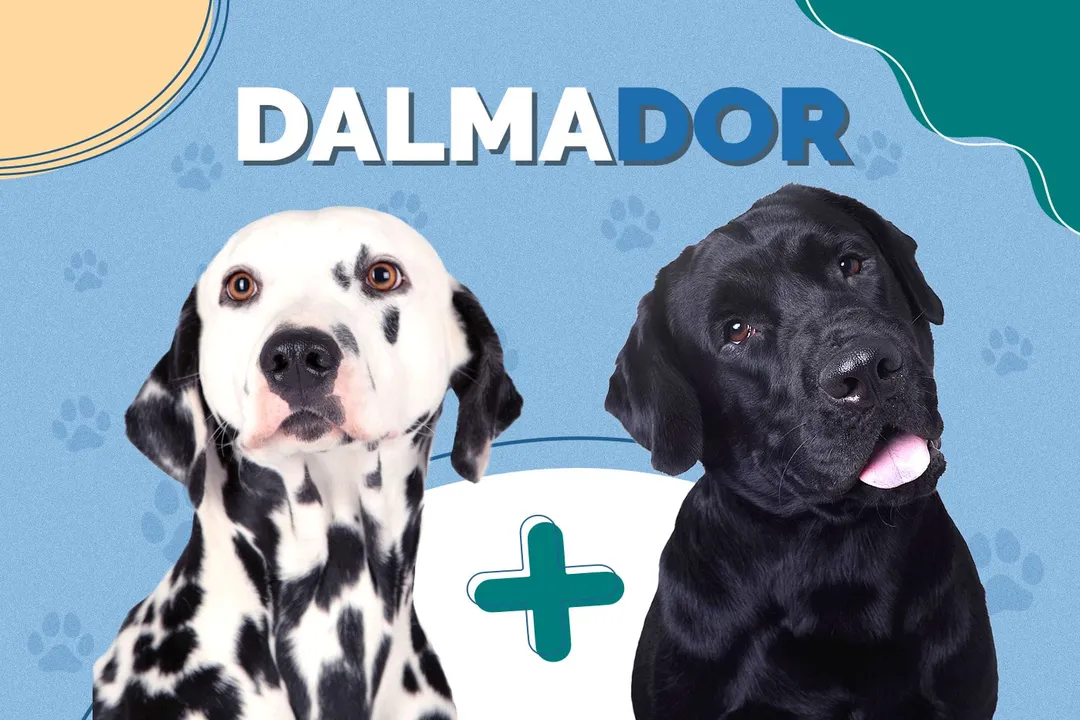
Physically, the Dalmador generally exhibits traits from both parents, resulting in a medium-to-large dog. They typically weigh between 40 and 70 pounds and stand about 21 to 24 inches tall at the shoulder. Their build tends to be sturdy, often reflecting the Labrador's structure more than the leaner Dalmatian frame.
The coat is perhaps the most discussed feature. They possess a short, dense double coat that requires moderate grooming. While they frequently display the famous spots inherited from the Dalmatian side, the pattern and color can vary greatly; some may have few spots, while others are heavily marked. Solid colors like yellow, black, or brown—colors common in Labs—can also appear, sometimes with minimal spotting.
Here is a general comparison of the parent breeds' physical stats to better gauge the potential range:
| Trait | Dalmatian | Labrador Retriever | Dalmador Potential Range |
|---|---|---|---|
| Weight | 40–70 lbs | 55–80 lbs | 40–70 lbs |
| Height | 19–23 inches | 21.5–24.5 inches | 21–24 inches |
| Coat | Short, thin | Short, dense | Short, dense double coat |

# Character Traits
The personality of the Dalmador is generally described as happy, playful, and affectionate. They often show a strong desire to be involved with their family, inheriting the Lab's devotion. However, the Dalmatian influence can sometimes manifest as a bit more aloofness or a tendency towards guarding instincts compared to the universally friendly Labrador.
They are generally intelligent, which aids in training, but this intelligence, combined with their energy, means they need mental stimulation to prevent boredom. A bored Dalmador can become destructive or develop nuisance behaviors. Early socialization is key to ensuring they grow into well-adjusted adults, especially managing any inherent wariness inherited from the Dalmatian side around strangers. They generally get along well with children and other pets when properly socialized from a young age.
When considering two highly active parent breeds, one significant consideration for prospective owners is the management of potential dual drives. A Lab brings a strong desire to fetch and retrieve water, while a Dalmatian brings a need for sustained physical activity and often a history as a carriage dog needing to run long distances. This combination means that casual neighborhood walks may not suffice; their exercise regimen needs to be goal-oriented—perhaps involving long runs, agility work, or intensive retrieving sessions—rather than just passive activity. An owner who enjoys trail running or long hikes will find a much better match than someone seeking a laid-back apartment companion.
# Energy and Exercise
If there is one defining characteristic of the Dalmador, it is their high energy level. Both parent breeds are energetic athletes; the Labrador was bred for retrieving in water and fields, and the Dalmatian for running alongside carriages for miles. Consequently, the Dalmador requires substantial daily exercise—often an hour or more of vigorous activity—to remain content and well-behaved.
They thrive in active homes where they are included in outdoor adventures. Without adequate outlets for this energy, they can become overly boisterous indoors. Owners should plan for more than just a quick backyard romp; activities that engage both the body and the mind are ideal. Think about incorporating swimming (a potential favorite due to the Lab side), long-distance jogging, or dog sports like flyball or agility.

# Trainability and Mentorship
Dalmador intelligence makes them responsive to training, provided the owner is consistent and uses positive reinforcement methods. They generally enjoy having a job to do. Since they can sometimes exhibit stubbornness or high drive, training sessions should be engaging and fun.
Consistency is more important than severity. Because they are often eager to please, harsh training techniques are unnecessary and can lead to shutting down or anxiety, especially if they lean toward the more sensitive Dalmatian temperament. Introducing basic obedience early on is critical, but socialization efforts cannot be overlooked. Exposing the puppy to a wide variety of sights, sounds, people, and controlled environments during the first few critical months helps solidify their confident, friendly nature and mitigates any natural reserve. Early exposure to the sounds of traffic or different surfaces, for example, is a proactive step many new owners overlook until the dog becomes fearful later on.
# Health Outlook
As a mixed breed, the Dalmador may benefit from what is sometimes called "hybrid vigor," potentially having fewer inherited health issues than one of its purebred parents. However, they are still susceptible to the genetic conditions common to both the Dalmatian and the Labrador Retriever.
Potential health concerns that need monitoring include:
- Hip and Elbow Dysplasia: Common in many medium-to-large breeds, including Labradors.
- Deafness: A known issue in Dalmatians, which can occasionally be passed down. Reputable breeders should perform BAER testing on parent dogs or puppies.
- Urinary Stones (Urolithiasis): Dalmatians have a genetic predisposition to form urate bladder stones due to a metabolic difference. While the Labrador does not share this issue, it remains a concern for the hybrid, necessitating a careful, low-purine diet managed in consultation with a veterinarian.
Finding a breeder who screens their parent dogs for common issues in both lines is paramount to acquiring a healthier companion.

# Daily Upkeep
Grooming for the Dalmador is relatively straightforward due to the short coat. They shed moderately year-round, but this can increase significantly during seasonal changes, characteristic of a double-coated dog. Weekly brushing with a slicker brush or a rubber curry brush helps manage loose hair and keeps the coat healthy. Bathing is only necessary when the dog is dirty.
Dental hygiene and nail care are standard requirements. Regular tooth brushing should begin early to prevent tartar buildup, and nails should be trimmed every few weeks to avoid discomfort.
Feeding requirements must account for their high energy and the potential for obesity, a common issue in Labradors if their exercise needs are not met. High-quality dog food appropriate for their size and activity level is essential. Owners must strictly monitor food intake and ensure they are meeting their dog's activity quota; an under-exercised Dalmador will gain weight rapidly, putting stress on their joints.
# Suitability Assessment
So, is the Dalmador a good dog? The answer heavily depends on the owner's lifestyle and commitment level. They are excellent companions for active individuals, families who spend significant time outdoors, or those interested in dog sports. Their intelligence and willingness to please make them rewarding to train for dedicated owners.
Conversely, they are not ideal for first-time dog owners who are sedentary or those living in small apartments without easy access to extensive outdoor areas for vigorous exercise. Their need for interaction also means they do not do well when left alone for long periods; they crave companionship and can develop separation anxiety if isolated too frequently. A good Dalmador owner understands they are committing to a lifestyle that includes an energetic, smart, and loyal family member who needs both physical work and mental engagement every single day.
#Videos
Price - Traits - Dalmador Grooming Needs - Lifespan - YouTube
Everything To Know Before Buying Labrador Dalmatian Mix - YouTube
Related Questions
#Citations
Dalmador Dog Breed Health, Temperament, Training ... - PetGuide
Dalmador Dog Breed Information and Pictures
Dalmador (Dalmatian & Lab Mix): Info, Pictures, Care & More - Dogster
Price - Traits - Dalmador Grooming Needs - Lifespan - YouTube
Dalmador Dog Breed Complete Guide - A-Z Animals
Dalmador (Labrador & Dalmatian Mix): Info, Pictures, Facts - Hepper
Here is my Dalmador, what kind of dog do you have and ... - Reddit
Dalmador | Pet Premium - Pet Insurance Comparison