Is a black racer snake harmful?
The sight of a long, dark snake moving with incredible swiftness across a sunny patch of yard or path often sparks immediate concern, leading many observers to ask whether the Black Racer poses any real danger. These snakes, known scientifically for various subspecies across North America, are among the fastest snakes on the continent, which contributes to their reputation and the flurry of questions surrounding their temperament and safety profile. [8][7] Understanding what draws these reptiles into our landscapes and how they react when encountered is the key to recognizing that, while they deserve respect, they are generally not the threat many people assume them to be.
# Snake Identity
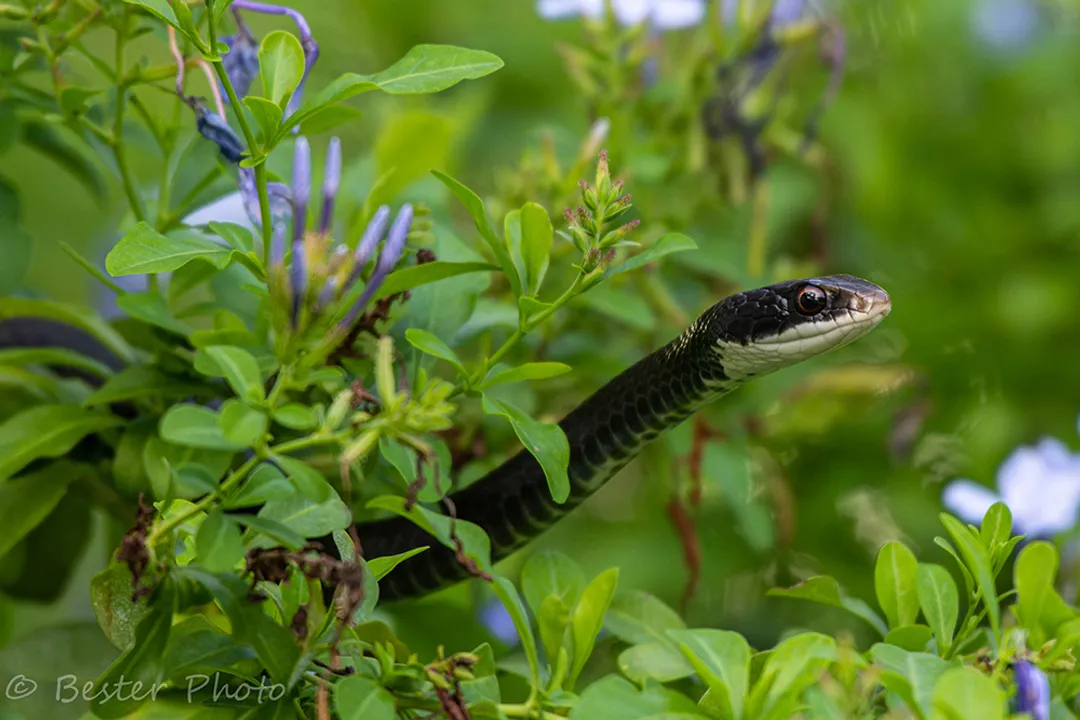
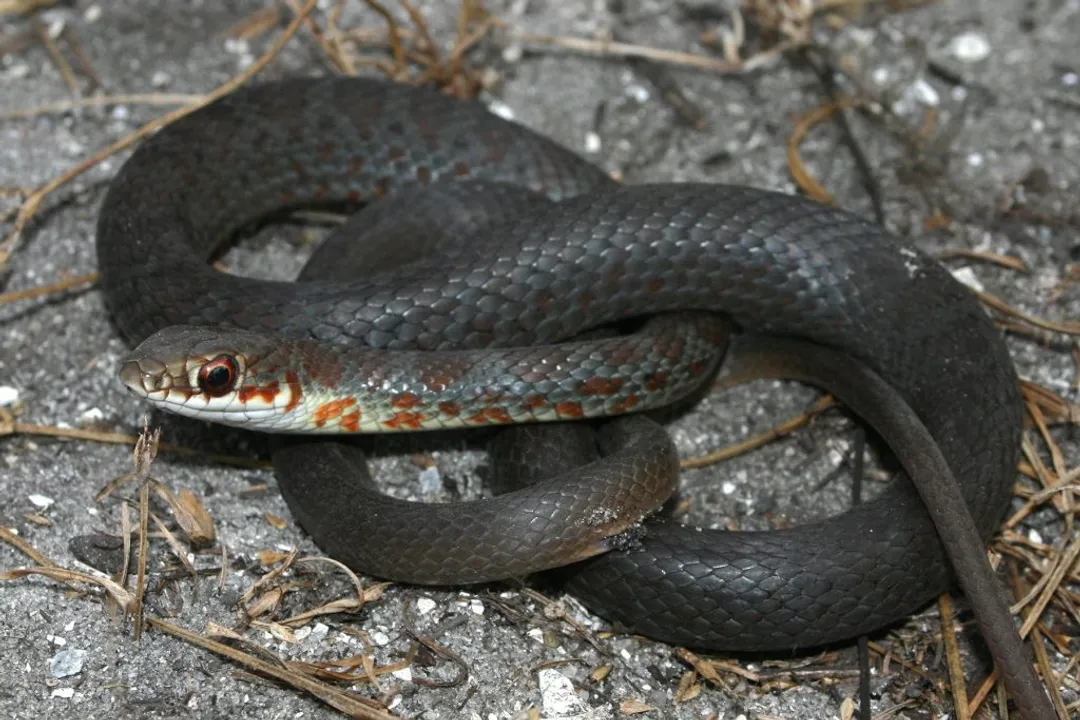
The snake commonly referred to as the Black Racer is technically part of the Coluber constrictor species complex. [7] In regions like Florida, the specific subspecies encountered might be the Southern Black Racer. [7] Adults in many of these populations are striking; they are long, slender, and typically appear completely black, though some individuals might retain a faint pattern or have white coloration on their bellies. [1]
It is important to note that not all Black Racers are uniformly black throughout their lives. Juvenile snakes often exhibit complex patterning, featuring dark blotches on a lighter gray or brown background. [1] This camouflage helps them hide when they are small and most vulnerable. As they mature, this pattern fades, giving way to the uniform dark color that earns them their name. [7] Their speed is legendary; they are named "racers" for a reason, capable of retreating incredibly quickly when startled, which is often their primary defense mechanism. [8]
# Venom Status
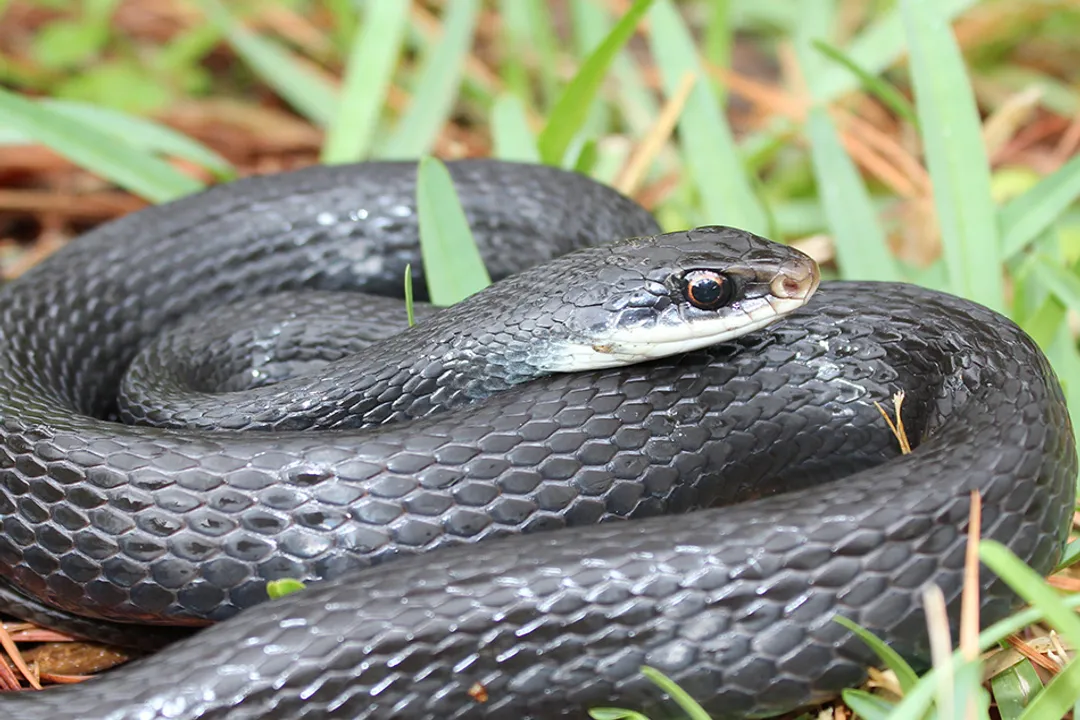
The most direct answer to the question of harm centers on venom, and on this point, Black Racers are definitively harmless in a medically significant way. They are non-venomous constrictors. [1][5][6] Unlike pit vipers or coral snakes found in the same general habitats, the Black Racer lacks the fangs and the toxic saliva necessary to pose a threat to human health through a bite. [5] They subdue their prey—which includes small rodents, amphibians, birds, and eggs—through sheer strength, wrapping around the victim and suffocating it or causing death through blunt force trauma during the constriction process. [1][3]
When you compare the potential outcomes of an encounter, the Black Racer’s lack of venom places it in a far lower risk category than its venomous neighbors. While any wild animal can cause superficial injury if aggressively provoked, the potential consequence of a Black Racer bite—a small puncture wound requiring cleaning—is vastly different from the systemic effects of a venomous snake bite, which demands immediate medical intervention. [5]
# Defensive Actions
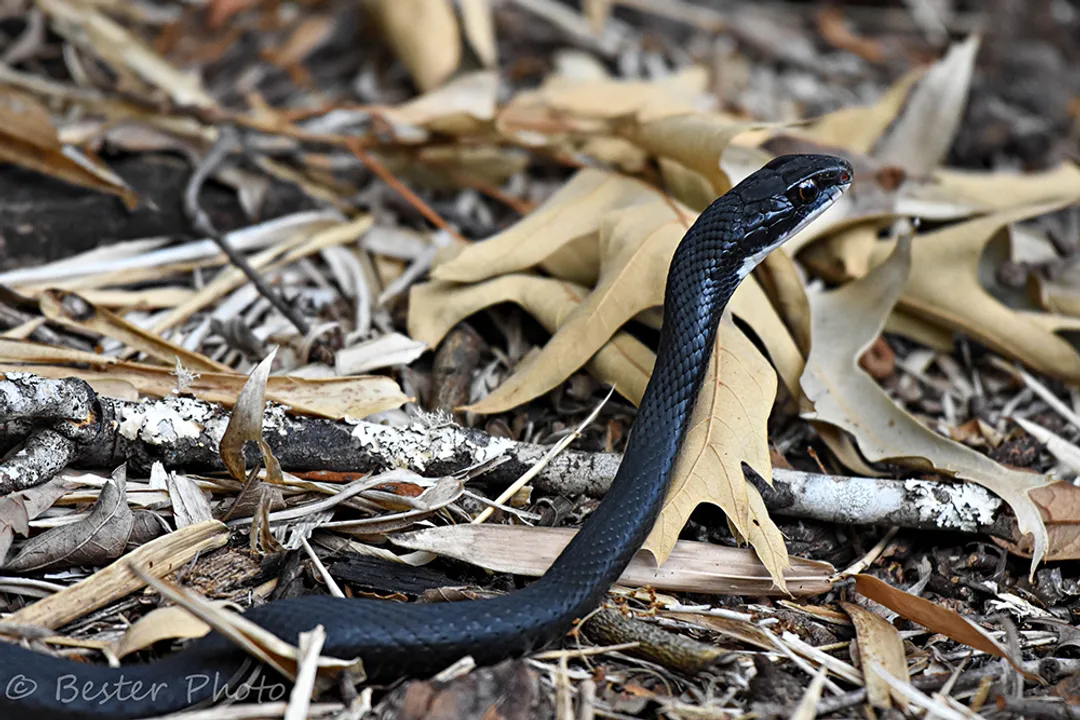
Although harmless in terms of venom, Black Racers are not passive creatures when cornered or captured. They are known to be nervous and will defend themselves if they feel trapped or handled roughly. [6] If you attempt to pick one up or block its path repeatedly, it may resort to biting. [6] These bites are defensive, meant to encourage release, and usually result only in minor skin abrasions. [6]
Beyond the bite, their defensive repertoire includes some theatrics. A stressed Black Racer might flatten its head, making it look slightly triangular—a feature often associated with venomous snakes, which can lead to mistaken identity. [6] Some observers have noted that agitated racers may vibrate their tails rapidly against leaf litter or dry debris. [4] This action can sometimes create a buzzing sound that mimics the warning sign of a rattlesnake, serving as an effective bluff against potential predators. [4] Furthermore, when very stressed, they might release a foul-smelling musk as another deterrent. [3] Recognizing these behaviors—the head flattening, the tail vibration, the musky odor—tells you the snake is extremely uncomfortable and reacting defensively, not acting aggressively on the offensive.
A key point often missed when discussing snake defense is that these creatures prioritize escape over confrontation. The sheer speed of the racer means that if it perceives an opportunity to flee, it will take it. [6] The defensive display—the puffing, the tail shake, the threat strike—is typically a final measure deployed only when escape routes are blocked.
# Beneficial Diet
From an ecological standpoint, the Black Racer is a positive presence in most ecosystems, including suburban and agricultural areas. [1] Their appetite is broad, but they specialize in consuming pests that humans often seek to control. [1][3] Their diet regularly includes insects, which is useful for garden health, but they also target mice, rats, small birds, lizards, and eggs. [3]
This generalized predatory behavior means that a Black Racer patrolling your property is essentially providing free, ongoing pest management. Consider a scenario in a rural shed or a large garden: a healthy population of racers can significantly reduce the numbers of small rodents that might otherwise chew wires or destroy stored crops. [1] Unlike some pest control methods, the racer’s efforts are sustainable and integrated into the local food web. A single snake consuming several mice a week provides a constant, non-chemical pressure on local rodent populations.
# Safe Distance
The best way to ensure an encounter with a Black Racer remains harmless is to maintain a respectful distance. If you spot one moving through your yard, the absolute best action is usually to stop, observe quietly, and allow it to continue on its way. [6] Because they prefer to flee, giving them space almost guarantees they will vacate the area without ever feeling the need to engage in defensive behavior. [6]
If you are concerned about a racer lingering near a door or high-traffic area, instead of attempting to move or scare it, try gently encouraging it away using a long object, like a broom handle, without touching the snake. [6] The goal should be to gently suggest an alternate direction of travel, not to restrain or harm it. Remember that the snake perceives you as a massive predator; its goal is survival, which overwhelmingly involves escape.
For those who live in areas where both racers and venomous snakes coexist, remembering the key identification differences becomes practical safety knowledge. A quick, observable characteristic, though not foolproof across all subspecies, is that the adult Eastern or Southern Black Racer lacks the distinct, spade-shaped head or vertical pupils often associated with venomous pit vipers, although relying solely on head shape can be risky. [1][7] The safest approach remains: if you are unsure, assume caution, keep your distance, and let the snake pass unharmed. Recognizing the racer for what it is—a swift, non-venomous predator that generally wants nothing to do with people—removes the fear factor and allows appreciation for its role in the natural surroundings.
Related Questions
#Citations
North American Racer – Florida Snake ID Guide
Saw what I assume to be a black racer, but it was weirdly ...
Black Racer - Fort Matanzas National Monument (U.S. ...
Does the black racer species usually have a bad ...
Are black snakes considered harmless even though they ...
Do Black Racer Snakes Bite? Understanding Their ...
Southern black racer
The Black Racer: All About Florida's Fastest Snake