How would you describe a lobster?
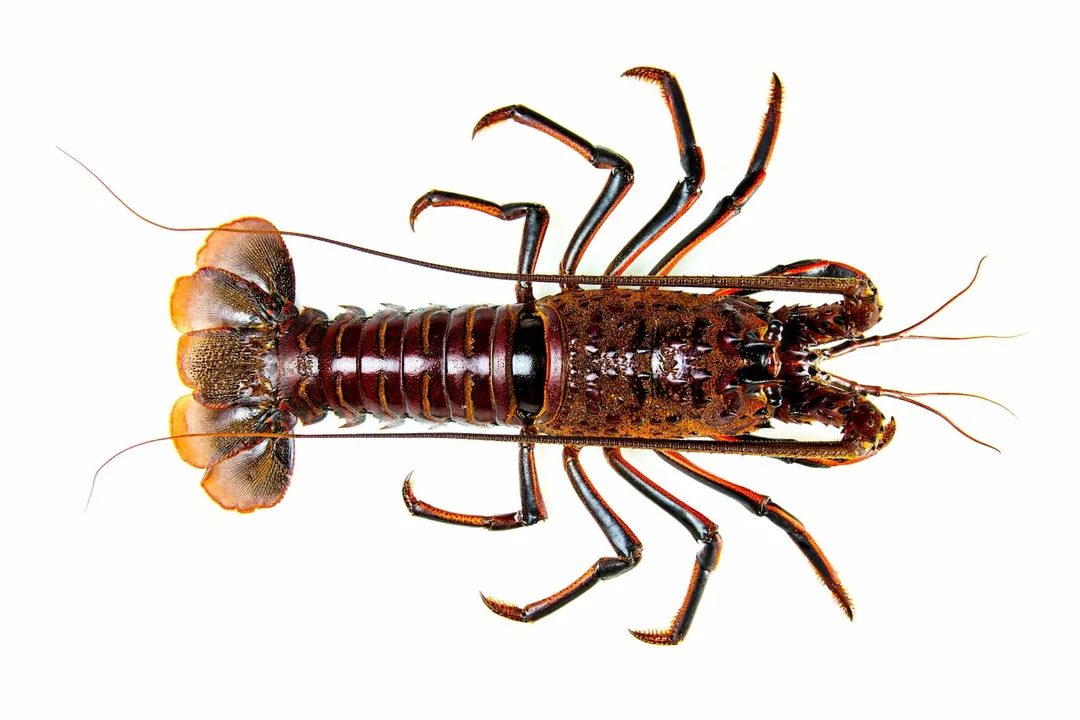
Lobsters are immediately recognizable as formidable figures of the marine world, creatures whose appearance is as fascinating as their eventual culinary reputation. They are large marine crustaceans belonging to the order Decapoda, which signifies they possess ten legs. When you first encounter one alive, its most striking feature is the heavy, segmented exoskeleton, often appearing in dark, mottled shades like brown, deep green, or bluish-gray. This hard shell serves as essential armor in the deep, giving the animal a rugged, prehistoric look.
# External Features
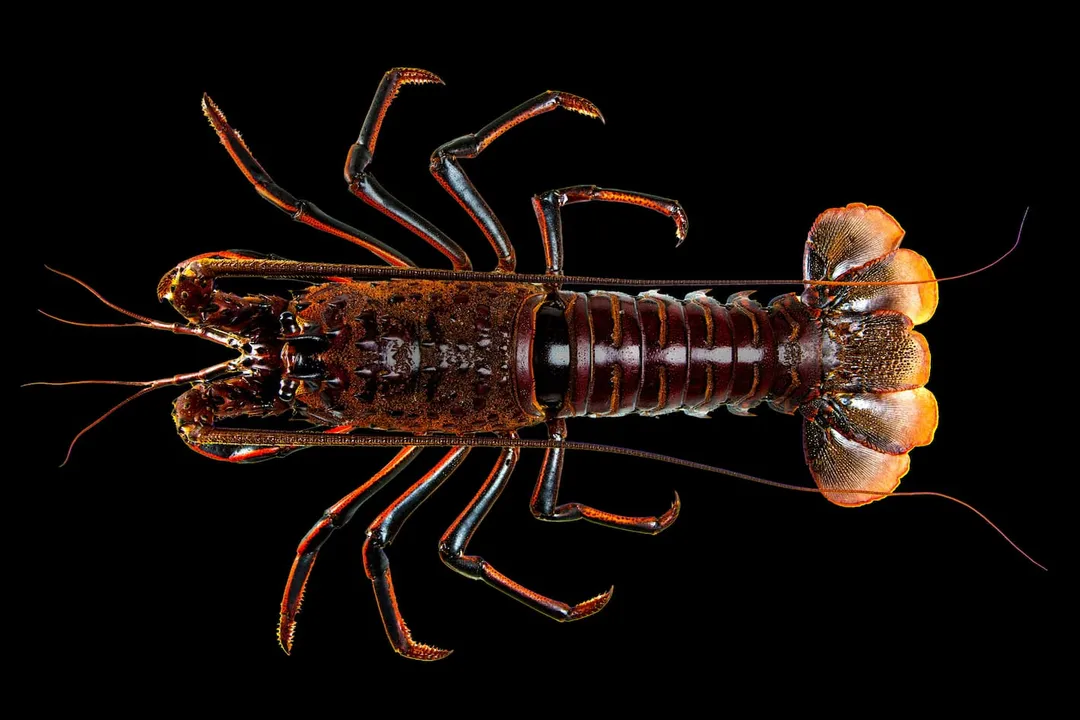
The body plan of a lobster is divided into two main sections: the cephalothorax, which is the fused head and thorax, and the abdomen, commonly referred to as the tail. Extending from the head are two pairs of antennae, which act as sensory organs, helping them navigate and feel their surroundings. Beneath the head region are the walking legs, but most prominent are the large claws, or chelipeds, which are crucial for defense and catching prey.
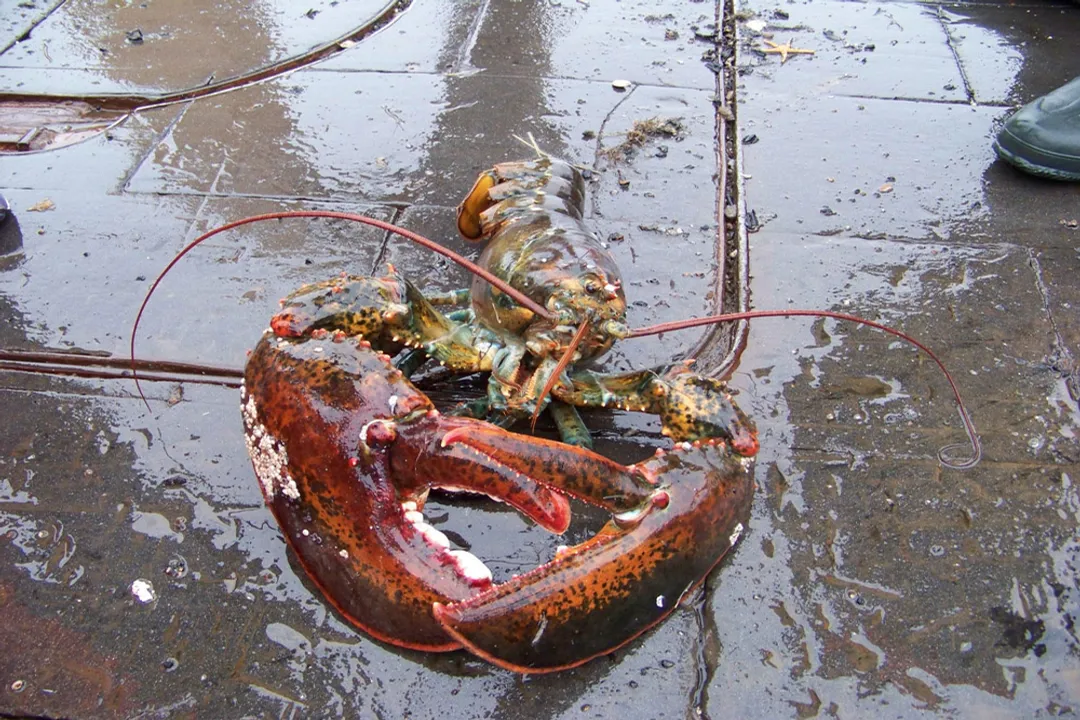
These appendages are not always symmetrical in function. In the American lobster, for instance, one claw is typically the crusher, which has a blunt, powerful shape suited for breaking shells, while the other is the pincer or cutter, used for tearing food apart. The crushing claw can possess incredible strength, capable of exerting pressures high enough to smash oyster shells. Below the abdomen are the swimmerets, smaller appendages used for propulsion through the water. When truly trying to escape, however, the lobster flexes its powerful tail muscles rapidly, allowing it to shoot backward through the water column—a stark contrast to its slow, deliberate walk along the seafloor.
# Kinds of Lobsters
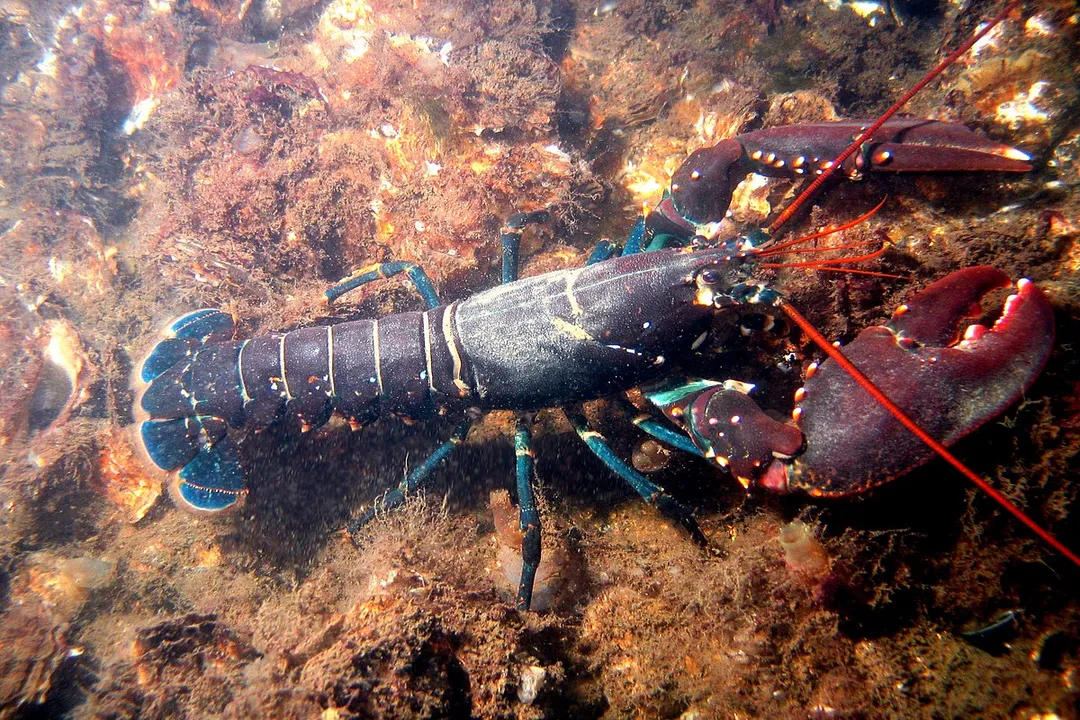
It is important to understand that the term "lobster" encompasses several different types of animals, often leading to confusion in both biology and the market. The classic image of the large-clawed lobster, such as the American or European species, belongs to the family Nephropidae. These are the ones most frequently associated with the powerful crusher and cutter claws.
However, there are other significant groups often called lobsters, such as the spiny or rock lobsters, found in the family Scyllaridae. A key physical difference is that these spiny varieties lack the large crushing claws. Instead, their antennae are modified into flattened, spiny structures that serve defensive purposes. This biological distinction has real consequences for the diner. The meat from spiny lobsters, sometimes known as langosta in Spanish-speaking culinary circles, is often described as being firmer and generally having a slightly different flavor profile than the meat from the clawed species. While both offer excellent seafood, the experience is distinct, much like comparing different cuts of meat from the same animal.

# Life Undersea

Lobsters spend much of their lives on the ocean floor, inhabiting rocky crevices, muddy bottoms, or sandy areas, depending on the species. They are generally nocturnal, spending daylight hours hidden away. Their lifespan can be impressively long; some individuals are estimated to live for over 100 years, though determining exact ages is difficult because they continue to grow and shed their shells throughout their lives.
The process of molting, shedding the old exoskeleton to allow for growth, is a period of extreme vulnerability. A lobster can grow significantly in size after a molt, but during the time it takes for the new shell to harden—which can take days or weeks—the animal is extremely soft-bodied and defenseless against predators. Furthermore, they use their long antennae not just for touch but also as a way to communicate basic information about their immediate surroundings, functioning as critical feelers in the dark environment they prefer.
# Flavor Texture
Describing the taste of lobster to someone who has never tried it requires comparing it to familiar flavors, but it ultimately possesses a unique profile of its own. The most frequently cited flavor note is a distinct, natural sweetness. This sweetness is often perceived as mild and clean, setting it apart from the stronger, sometimes muddy flavors associated with other bottom-dwelling seafood.
This inherent sweetness is complemented by a subtle brininess or oceanic quality, the taste of salt water itself, which grounds the flavor without overwhelming the delicacy of the flesh. Texturally, high-quality, properly cooked lobster meat is prized for being firm yet tender. It should offer a satisfying, slightly dense chew, resisting mushiness. When compared to its crustacean relatives, some note that lobster is generally sweeter than shrimp and firmer than crab meat.
When describing the texture, it is helpful to differentiate between the tail and claw meat. The tail meat, derived from the powerful abductor muscles, tends to be smoother and more uniform in consistency. The claw meat, on the other hand, often feels slightly denser and more muscular due to its role in crushing and tearing. A well-prepared lobster provides a combination of these textures, making the eating experience multifaceted.
An often-overlooked element in the description of the whole animal is the tomalley, the greenish substance found inside the body cavity. This is the digestive gland, equivalent to the liver and pancreas in other animals, and it carries a much stronger, richer, and more pungent flavor than the muscle meat. For some connoisseurs, the richness of the tomalley is an essential part of the full lobster experience, providing a deep, savory contrast to the sweetness of the tail.

# Preparation Insights
How a lobster is prepared significantly alters the sensory description. Boiling or steaming are the most common methods, as they preserve the delicate moisture and allow the natural flavor to dominate. Overcooking is the primary culinary mistake; if steamed or boiled for too long, the protein fibers contract too tightly, resulting in meat that becomes tough, rubbery, and significantly drier than the tender texture desired. The ideal texture is one where the meat flakes slightly under pressure but still offers that signature resistance.
When preparing lobster at home, managing the cooking time relative to the size of the animal is critical. For example, a 1.5-pound lobster might require about 10 to 12 minutes of boiling, but a slight deviation—say, three minutes too long—can completely change the texture from succulent to unpleasantly chewy. This sensitivity to heat explains why many prefer to enjoy them cooked simply, letting the quality of the meat speak for itself rather than masking it with heavy sauces. A squeeze of lemon or melted butter is often the only accompaniment needed to enhance, rather than mask, the inherent sweet and oceanic notes.
#Videos
Facts: The Lobster - YouTube
Related Questions
#Citations
Lobster - Wikipedia
Lobster | Definition, Habitat, Diet, Species, & Facts | Britannica
What does lobster taste like that doesn't include seafood description?
How would you describe the taste of lobster to someone who has ...
Fun Facts About Luscious Lobsters | NOAA Fisheries
Adjectives for LOBSTER - Merriam-Webster
Lobsters: the Culinary Delicacy among Seafood - Longino & Cardenal
Lobster - What it is, Characteristics, and Properties | Dolphin Wiki
Facts: The Lobster - YouTube