How big are spiny hill turtles?
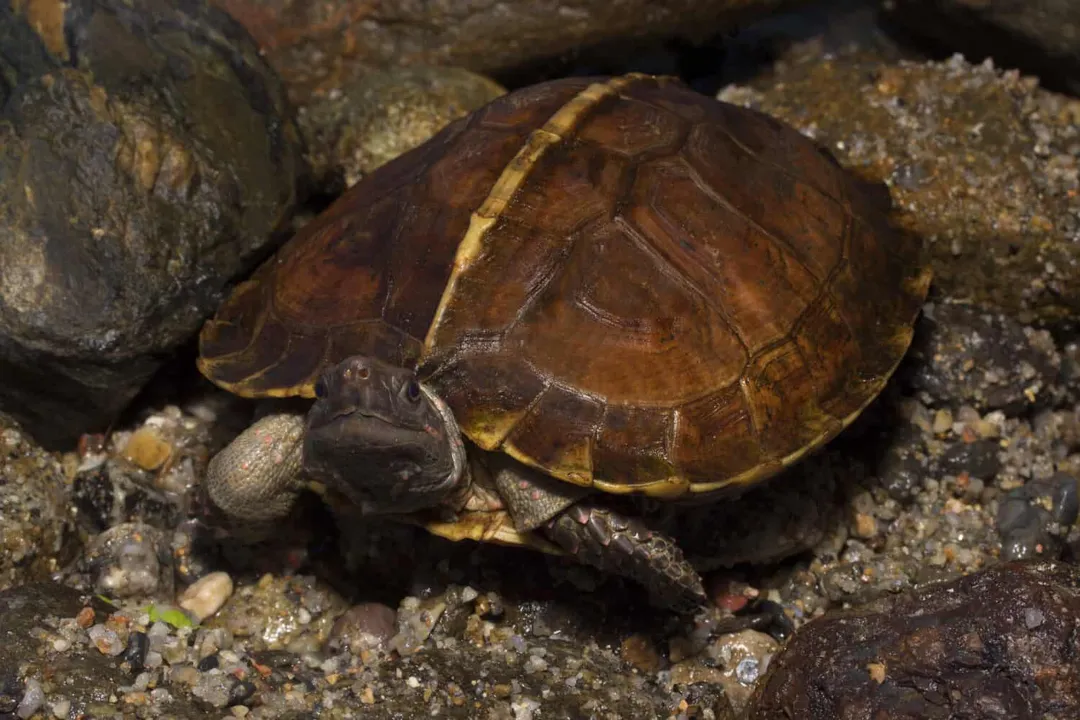
The Spiny Hill Turtle (Heosemys spinosa) is a fascinating reptile known for the distinct, serrated edges on its carapace, which gives the species its common name. While its appearance is striking, many interested in this forest-dwelling creature naturally turn to questions about its physical dimensions. These turtles are categorized as a smaller species within the broader turtle family, making their exact measurements an important detail for identification and conservation monitoring. Understanding their size involves looking at the general range, the differences between the sexes, and how those measurements fit into their specific jungle environment.
# Carapace Dimensions
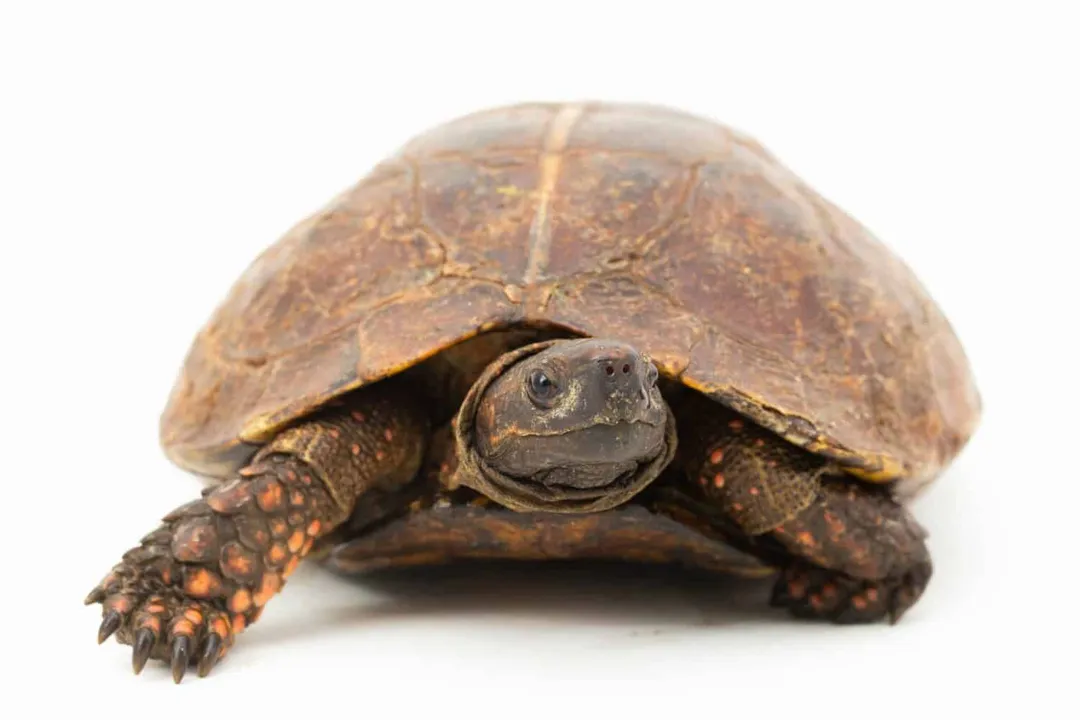
When discussing the size of the Spiny Hill Turtle, the measurement generally refers to the length of the upper shell, or carapace. This species generally matures to a size where the shell length falls between 6 and 8 inches in many documented cases. Specific scientific measurements, often noted in centimeters, provide a slightly tighter perspective on adult dimensions. Maximum carapace lengths are typically reported around 24 centimeters (cm) in the largest individuals. For those more familiar with metric measurements, 24 cm is just under 9.5 inches, confirming their status as a relatively small turtle.
To better illustrate the typical adult spread gathered from various field observations and captive records, one can organize the general size parameters:
| Measurement Type | Approximate Range (Imperial) | Approximate Range (Metric) | Source Notes |
|---|---|---|---|
| General Adult Length | 6 to 8 inches | 15.2 to 20.3 cm | Common range reported by zoos. |
| Maximum Length | Up to 7 or 8 inches | Up to 24 cm | Highest recorded or observed maximums. |
If you were to compare the maximum size of 24 cm to a standard piece of letter paper (which is about 28 cm long), you would see that the turtle's shell is noticeably shorter than that common item, suggesting a compact build for a forest-dwelling reptile. Even at their largest, they remain a modest size compared to many freshwater or sea turtles.
# Male Versus Female

A notable characteristic among Spiny Hill Turtles is the presence of sexual dimorphism concerning size. Simply put, the females generally grow larger and heavier than their male counterparts. This difference is consistently observed across various studies and tracking efforts.
For the males, the carapace length tends to cap out around 18 to 21 cm. Some sources specify a slightly lower maximum for males, around 18.5 cm, while others give a range extending to 21 cm. Females, on the other hand, consistently achieve a greater size, frequently reaching or slightly exceeding 23.5 to 24 cm in shell length. This size disparity is not uncommon in the reptile world, often relating to reproductive strategy, where larger females can potentially carry more or larger eggs.
# Spines and Scale
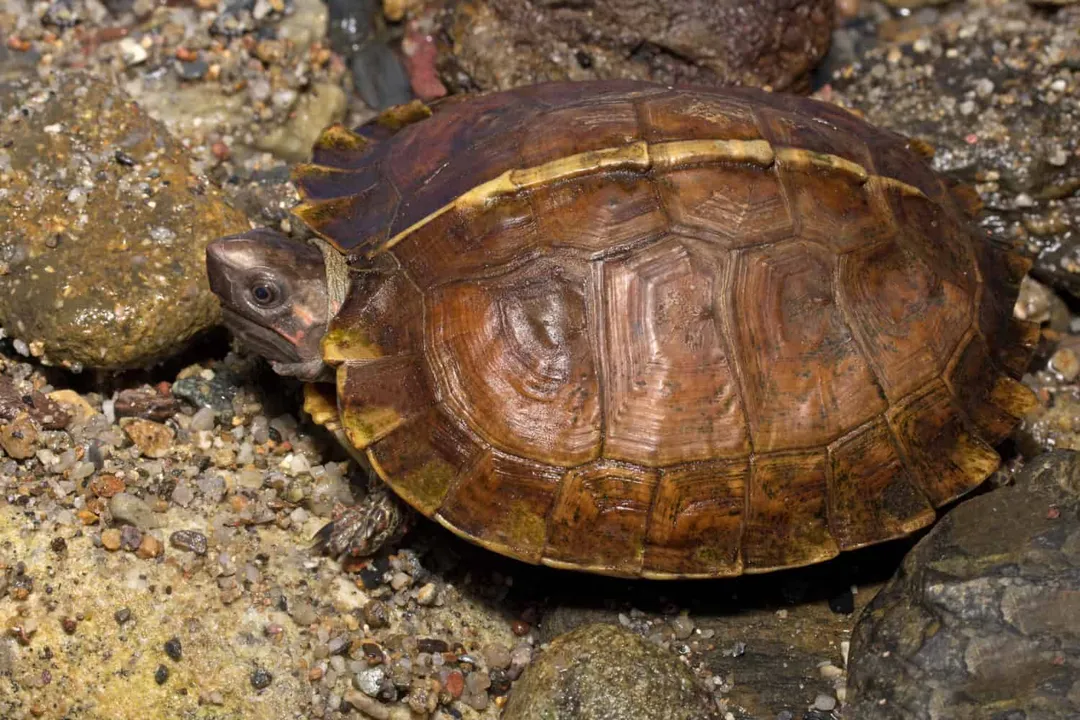
While the overall shell length defines the turtle's physical footprint, the defining characteristic that warrants their name—the spines—also plays a role in how their size is perceived. The posterior marginal scutes (the rear rim of the shell) often project backward, forming noticeable, sometimes sharp, spines, particularly in younger individuals. While these projections contribute to the intimidating appearance, they do not significantly add to the overall mass or bulk in the way that a thick, domed shell might. They are an extension of the shell's edge rather than a major component of its volume.
These turtles are primarily terrestrial, inhabiting dense forest floors, often near streams or swampy areas. Being a forest species, their relatively small size likely assists in navigating the dense undergrowth and leaf litter where they spend much of their time. Their coloring, a dark brown to black shell often contrasted by a creamy or yellowish plastron (undershell), further aids in camouflage within the shaded forest environment. A small stature combined with this coloration makes spotting them in their natural habitat a challenge, even when one knows the expected dimensions.
# Vulnerability Factors
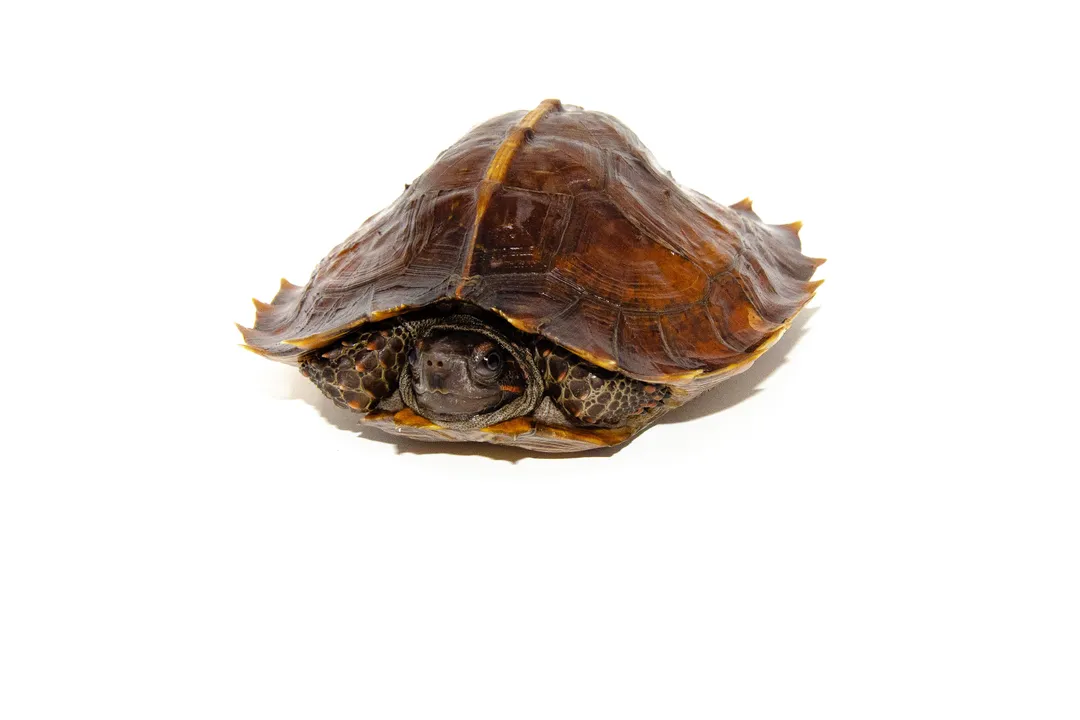
The size of the Spiny Hill Turtle is intrinsically linked to its conservation status. These animals are unfortunately listed as Endangered on the IUCN Red List. Species that mature slowly and remain relatively small often face greater risks when populations decline due to external pressures. While their exact life span in the wild is not perfectly documented, their small size means they are potentially easier targets for collection or predation compared to larger, more robust species that might evade threats more easily.
The commercial pet trade has historically placed significant demand on this species. Small, attractive turtles are easily transported, and when large numbers are removed from a small, localized habitat, the species' ability to rebound is severely hampered. Given that the maximum size is only around 24 cm, their reproductive output is naturally limited by their body size. If a significant portion of the mature female population (those reaching the 23-24 cm mark) is lost, the impact on recruitment into the next generation can be swift and devastating for local populations. This relationship between a small maximum size and population resilience highlights why strict protection measures are so necessary for Heosemys spinosa.
#Videos
The Largest Spiny Turtle on Record - YouTube
Related Questions
#Citations
Spiny Hill Turtle (Heosemys spinosa) - American Reptile Distributors
Spiny Terrapin - Heosemys spinosa - Ecology Asia
Spiny turtle (Heosemys spinosa) - The SatuCita Foundation
The spiny hill turtle is a forest dwelling species that is listed as ...
Spiny Hill Turtle - Heosemys spinosa - A-Z Animals
Heosemys spinosa - Singapore - National Parks Board (NParks)
The Largest Spiny Turtle on Record - YouTube
Spiny turtle - Heosemys spinosa - Toronto Zoo | Animals