What are Mayan cichlids?
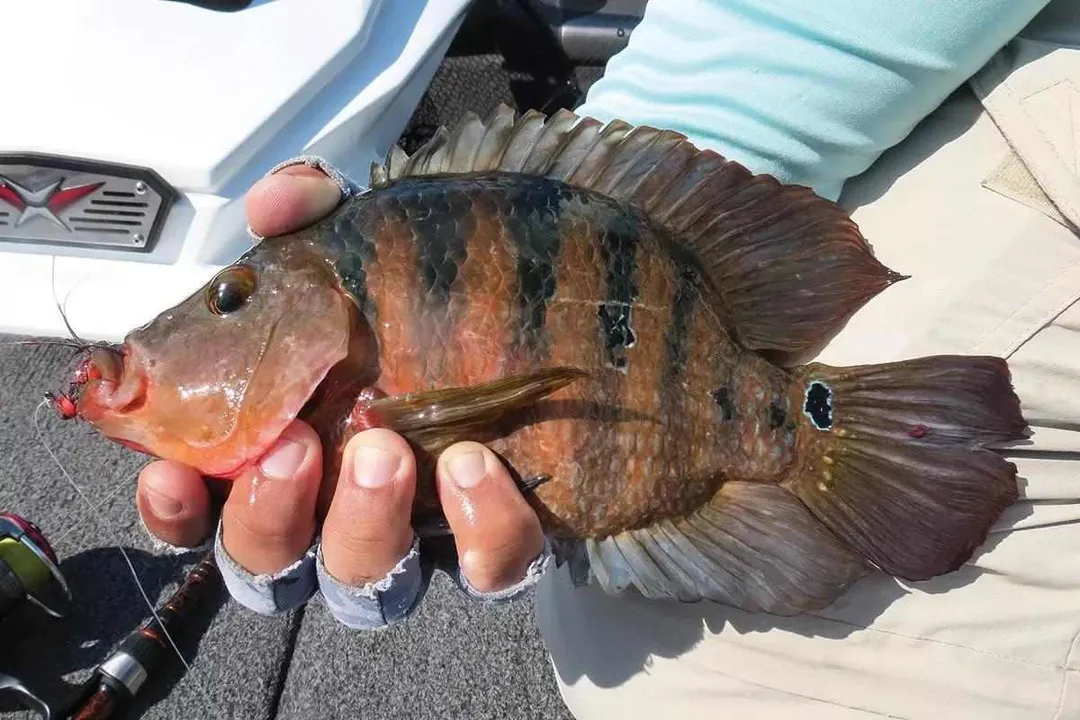
The fish known commonly as the Mayan Cichlid is a creature of striking contradictions, representing both a visually appealing addition to some aquariums and a significant ecological challenge in other parts of the world. Scientifically classified as Mayaheros urophthalmus, [1][2] this species hails from the freshwater and brackish environments spanning Central America, from the Yucatán Peninsula down through Panama. [1][2] Its arrival in places like South Florida, however, has firmly cemented its status as a noteworthy, and often troublesome, non-native resident. [2][3][5]
# Species Identity
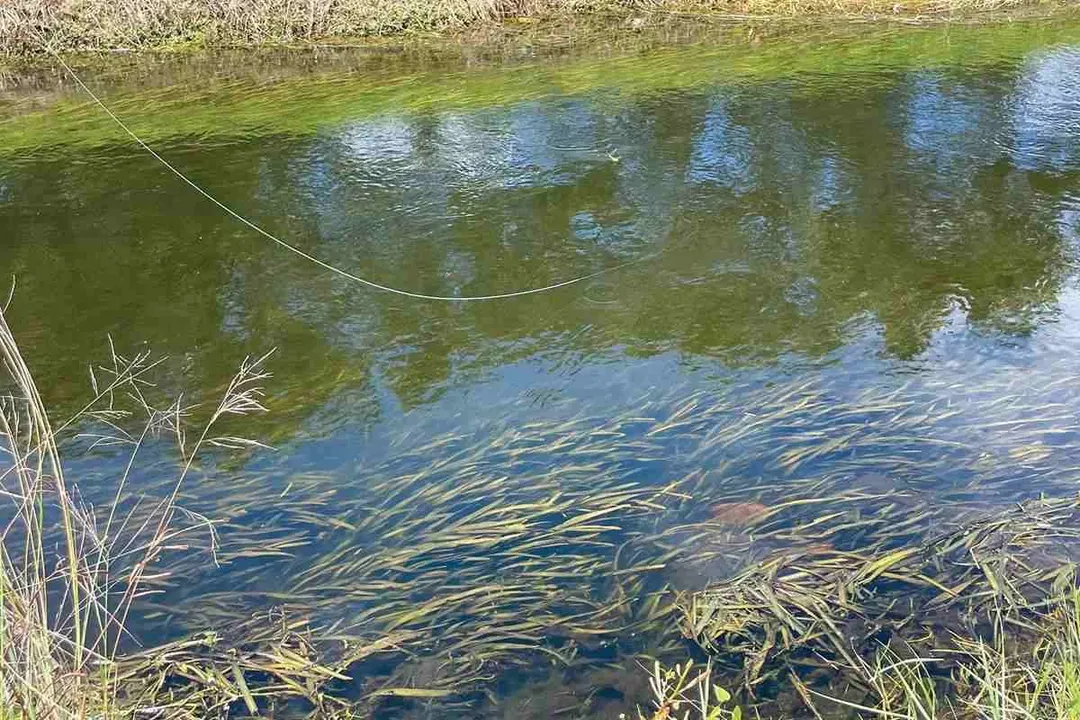
The Mayan Cichlid belongs to the Cichlidae family, a group renowned for its diversity and complex social behaviors. [1] While its native range suggests an affinity for warmer waters, its biological characteristics have allowed it to establish itself in the subtropical climate of Southern Florida, where it was first documented in the wild in Miami-Dade County in 1983. [2][3][5] This successful establishment marks it as an invasive species in that region. [3] Understanding what it is requires looking at both its natural heritage and its adopted environment.
# Appearance Detail
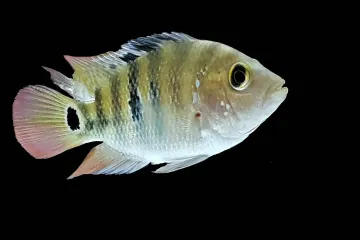
For those encountering the Mayan Cichlid for the first time, particularly in its adult form, the fish can appear quite dark, sometimes almost black, with vertical barring that may be faint or obscured. [1] However, their juvenile phase often showcases the features that initially attract aquarists. A key identifier across various life stages is the distinctive ocellus, or eye-spot, located on the caudal peduncle, right before the tail fin. [2] This spot is often ringed with vibrant color, frequently appearing reddish or orange against a darker backdrop. [1][2]
Size is another variable; Mayan Cichlids are capable of reaching lengths of about 12 inches (roughly 30 cm). [1] Coloration is not static; while juveniles might display flashes of iridescent blue-green, adults can present with patches of yellow or red, making them a dynamic presence in any water system they inhabit. [1] This variability in appearance across age and sex means that a single tank holding several individuals might exhibit a wide spectrum of color patterns. [1]
# The Aquarium Trade
A primary driver behind the global distribution of Mayaheros urophthalmus is its popularity within the ornamental fish trade. [2][4] These cichlids are often prized for their hardiness and visual appeal when kept in captivity. [2][4] In certain circles, they have even earned nicknames like the "Miracle Mayan Cichlids," a moniker that likely speaks to their ability to survive challenging captive conditions that might prove too much for less resilient tropical fish. [4]
It is precisely this popularity that leads directly to the next chapter in their story. When hobbyists can no longer care for their fish, or when they decide to relocate them, the practice of releasing them into local waterways—often canals or retention ponds—introduces the species to a new ecosystem. [2][4] This direct human action, though perhaps well-intentioned at the moment of release, serves as the main vector for their establishment outside their native range. [2]
# Invasive Establishment
The fact that Mayan Cichlids survive and thrive in South Florida speaks volumes about their inherent adaptability. They are not restricted solely to pure freshwater; they possess the ability to tolerate brackish conditions, which significantly broadens the range of suitable habitats they can colonize. [1][2] When they first appeared in the wild in Florida in the early 1980s, it signaled the start of a sustained, established presence. [2][3][5]
Their survival strategy seems centered on generalist behavior coupled with resilience. They persist in environments like canals and various freshwater lakes. [2][3] Considering that many popular aquarium species require highly stable, pristine conditions, the Mayan Cichlid’s ability to handle fluctuating water quality and salinity levels sets it apart as a potentially successful invader. For instance, while many delicate tropical species might succumb to minor shifts in dissolved oxygen or pH common in urbanized canal systems, the Mayan Cichlid appears equipped to weather these storms, allowing them to build sustainable populations. [2][3]
# Ecological Impact
Once established, any non-native species begins to interact with the existing biological community, and Mayan Cichlids are no exception. They are omnivores, maintaining a varied diet that includes smaller fish, various crustaceans, insects, and plant matter. [1][2] This broad feeding habit places them in direct competition with native species for available food resources across multiple trophic levels. [2]
Their temperament also plays a role. Like many cichlids, they exhibit aggressive and territorial behaviors, particularly when they are spawning. [1][2] In high-density populations, this aggression can stress or displace more vulnerable native fish species that may not have evolved defenses against such intense territorial defense from a competing cichlid. [2]
We can observe a fascinating contrast here: the very traits that make them interesting pets—their hardiness and strong behavior—are the exact traits that translate into ecological dominance when they become invasive. An aquarium owner might appreciate a fish that readily defends its space and eats varied foods, but when that same fish has no natural predators and an endless supply of similar competitors in a new environment, that assertiveness becomes a competitive advantage over the native fauna. [1][2]
| Trait | Native Range Niche | Invasive Success Factor |
|---|---|---|
| Diet | Varied Omnivore | Broad resource utilization [1][2] |
| Water Type | Freshwater/Brackish | Tolerance for salinity fluctuation [1][2] |
| Behavior | Territorial when breeding | Dominance over less assertive natives [1][2] |
| Origin | Central America | Introduced via the global pet trade [2][4] |
# Angling Target
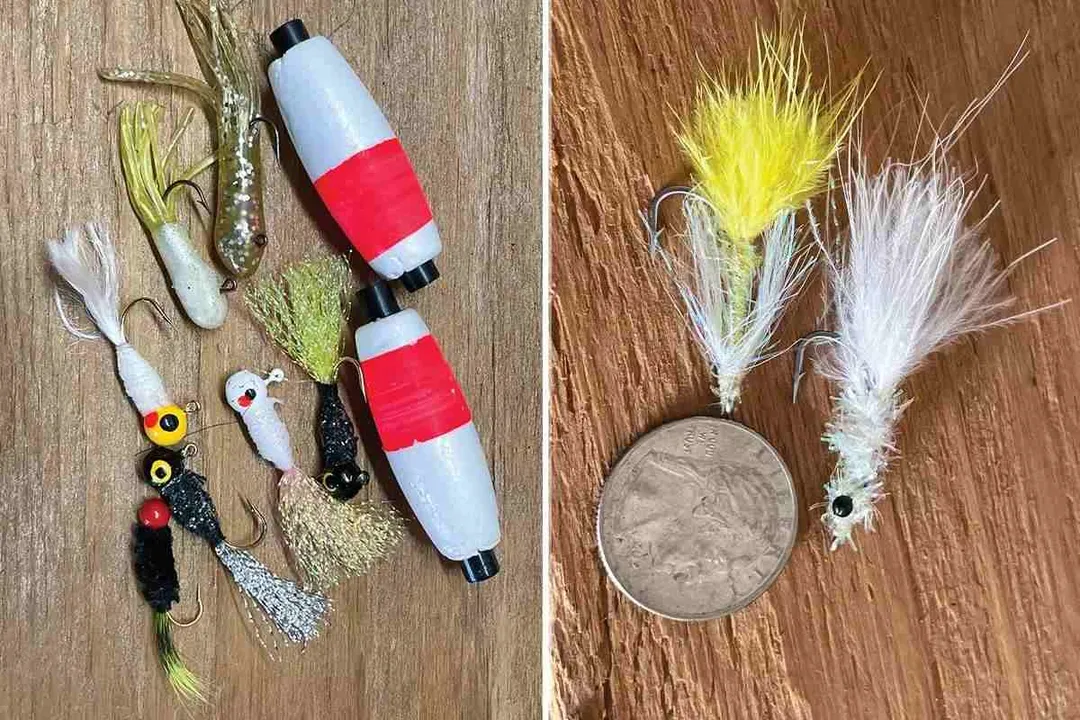
Despite—or perhaps because of—their established presence, Mayan Cichlids have found a niche in recreational fishing, particularly in the areas where they are invasive, such as Florida. [5][6] Anglers targeting these fish have found them to offer a surprisingly spirited fight on the line. [6]
The pursuit of the Mayan Cichlid is noted among fly-fishing enthusiasts in the region. [6] While some fishermen specifically seek them out as a challenge, others view them as a nuisance that competes with more traditionally valued sport fish. [5] This duality is common with invasive species: they represent an unexpected challenge for one group while being detrimental to the management goals of another. [5][6] The ability to be caught on a fly rod suggests they are active feeders near the surface or in shallow cover, making them accessible targets for sight-fishing tactics. [6]
# Survival Traits
The longevity of the Mayan Cichlid population in Florida hinges on a combination of tolerance and successful reproduction. Their ability to navigate both freshwater and brackish zones is a key survival asset, allowing them to exploit a wider array of aquatic habitats than species restricted to just one salinity level. [1][2] Furthermore, their generalized diet means they are not overly specialized and can adapt their menu based on what is seasonally or locally available. [1][2]
The life cycle of cichlids generally involves strong parental care, which often contributes to high juvenile survival rates. While the sources do not detail the exact reproductive strategy of M. urophthalmus in Florida, the fact that the population has been sustained since 1983 strongly implies successful breeding in the wild. [2][3][5] Their adaptability, stemming from their native resilience in the diverse Central American waterways, essentially equipped them with the perfect skillset to become established in a new, warm, and varied environment like the canal systems of the American subtropics. [1][2]
Related Questions
#Citations
Mayaheros urophthalmus
Mayan Cichlid – Discover Fishes
Mayan Cichlid
The Miracle Mayan (Cichlids)
Mayan cichlid: Florida's vibrant freshwater fish
Mayan Cichlids On Fly By: Josh Broer
Atomic Sunfish: How to Catch Florida's Exotic Mayan Cichlid
Mayaheros urophthalmus