Which group of introduced mammalian predators specifically exacerbates the conservation crisis for the flightless kākāpō?
Answer
Stoats, cats, and rats.
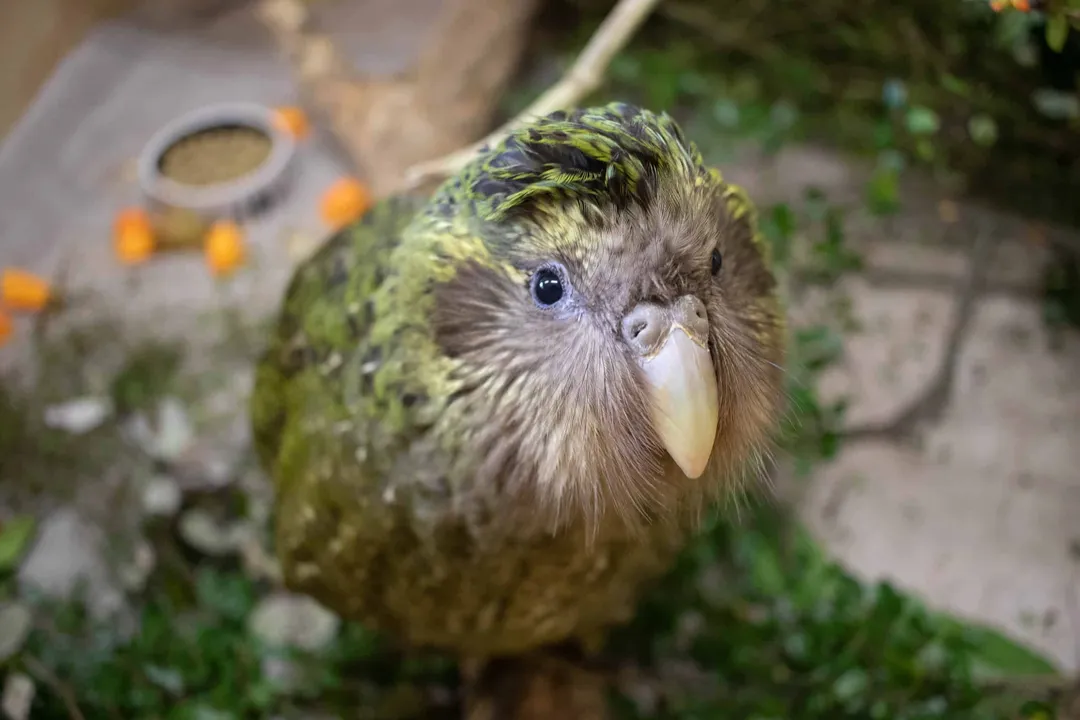
The traits that previously ensured the kākāpō's success in a predator-free environment—flightlessness, large size, and a slow reproductive rate—have become severe liabilities in the modern era. Since the arrival of Polynesian and European settlers, the introduction of terrestrial mammalian predators has devastated the population. Specifically mentioned as threats that exploit the bird's inability to escape by air are stoats, cats, and rats. This situation represents a major evolutionary mismatch, as the ancient bird has no innate defensive mechanisms against these fast, ground-based hunters.
Related Questions
What is the most defining characteristic separating the kākāpō from Mammalia, concerning body covering?What unique distinction does the kākāpō hold among parrot species globally regarding locomotion?How do kākāpō chicks receive nourishment until they are mature enough to forage for themselves?Approximately how long ago did the kākāpō lineage diverge from other parrot groups based on genetic studies?What sensory reliance is unexpectedly acute in the nocturnal kākāpō for navigating its environment?Which skeletal feature of the kākāpō is specifically noted as being greatly reduced due to its inability to fly?The irregular breeding cycle of the kākāpō is notably dependent on the fruiting of which specific native New Zealand tree?Which group of introduced mammalian predators specifically exacerbates the conservation crisis for the flightless kākāpō?What is the coloration described for the kākāpō's plumage that provides excellent camouflage?Where do male kākāpō gather to perform displays intended to attract females during the breeding season?What distinctive behavioral trait, noted for foraging, suggests an ecological convergence with browsing mammals?