What sensory reliance is unexpectedly acute in the nocturnal kākāpō for navigating its environment?
Answer
A surprisingly acute sense of smell.
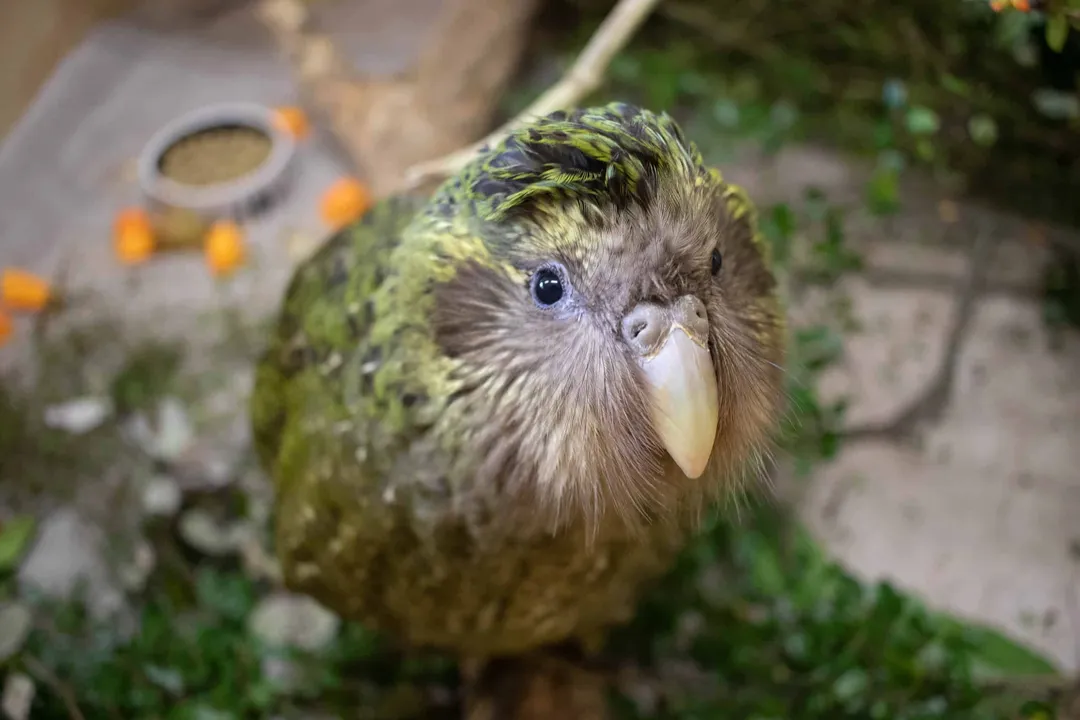
Although birds generally prioritize vision and hearing, the kākāpō has developed a heightened sense of smell necessary for its life as a nocturnal creature navigating dense forest undergrowth after sunset. This sense of smell is described as surprisingly acute for an avian species, enabling it to function effectively in the dark. This powerful olfactory presence is marked by a distinct, musky odor, sometimes characterized as sweet or musty, which is utilized for communication and potentially locating mates or food sources in its dark, specialized niche.
Related Questions
What is the most defining characteristic separating the kākāpō from Mammalia, concerning body covering?What unique distinction does the kākāpō hold among parrot species globally regarding locomotion?How do kākāpō chicks receive nourishment until they are mature enough to forage for themselves?Approximately how long ago did the kākāpō lineage diverge from other parrot groups based on genetic studies?What sensory reliance is unexpectedly acute in the nocturnal kākāpō for navigating its environment?Which skeletal feature of the kākāpō is specifically noted as being greatly reduced due to its inability to fly?The irregular breeding cycle of the kākāpō is notably dependent on the fruiting of which specific native New Zealand tree?Which group of introduced mammalian predators specifically exacerbates the conservation crisis for the flightless kākāpō?What is the coloration described for the kākāpō's plumage that provides excellent camouflage?Where do male kākāpō gather to perform displays intended to attract females during the breeding season?What distinctive behavioral trait, noted for foraging, suggests an ecological convergence with browsing mammals?