What textural characteristic results if lobster meat is steamed or boiled for too long?
Answer
Tough, rubbery, and significantly drier
Overcooking is considered the foremost culinary error when preparing lobster via boiling or steaming, directly impacting the desirable texture. Excessive heat causes the protein fibers within the meat to contract too tightly. This over-contraction leads to a final product that is texturally compromised, manifesting as meat that is tough and rubbery to the bite, and excessively dry. The ideal texture involves a balance where the meat yields slightly when pressed but still retains that signature level of firmness and resistance.
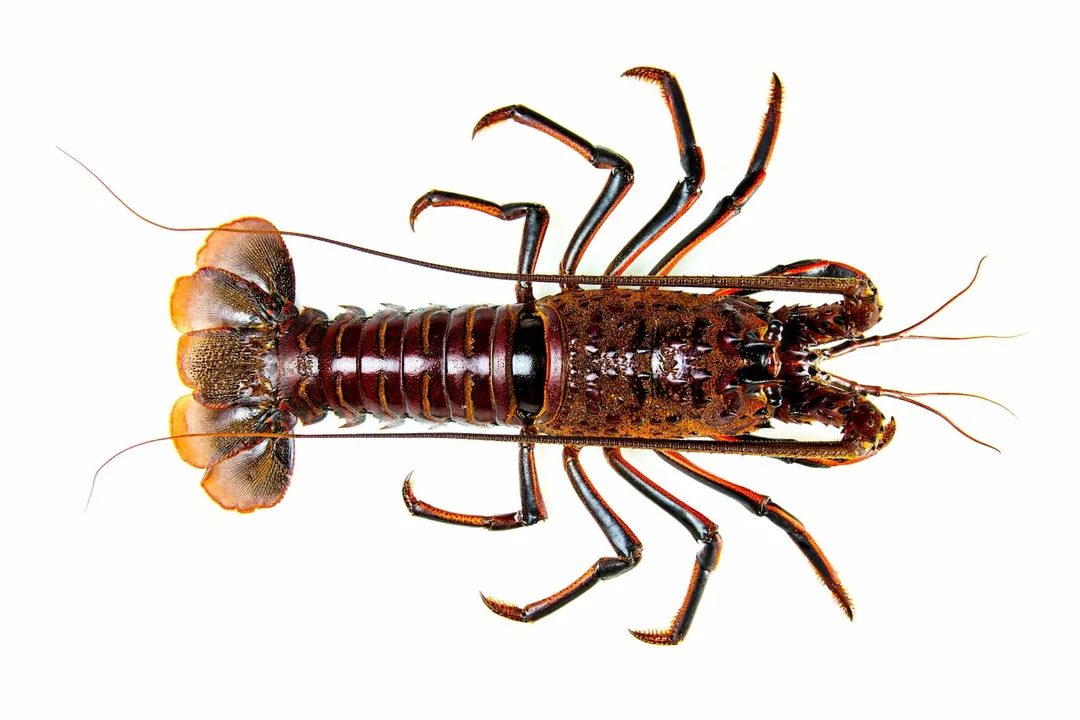
#Videos
Facts: The Lobster - YouTube
Related Questions
What biological order signifies that lobsters possess ten legs?What are the two main body sections of a lobster?In the American lobster, what is the primary function of the pincer or cutter claw?What physical feature do spiny or rock lobsters (Scyllaridae) lack compared to Nephropidae?How are the antennae modified in spiny or rock lobsters for defense?What is the Spanish culinary term sometimes used for meat from spiny lobsters?What is the typical activity pattern of lobsters during daylight hours?During which phase is a lobster extremely soft-bodied and defenseless against predators?What is the most frequently cited distinct flavor note in high-quality lobster meat?What bodily substance inside the lobster cavity is described as having a much stronger and richer flavor?What textural characteristic results if lobster meat is steamed or boiled for too long?