Do peekapoos suffer from separation anxiety?
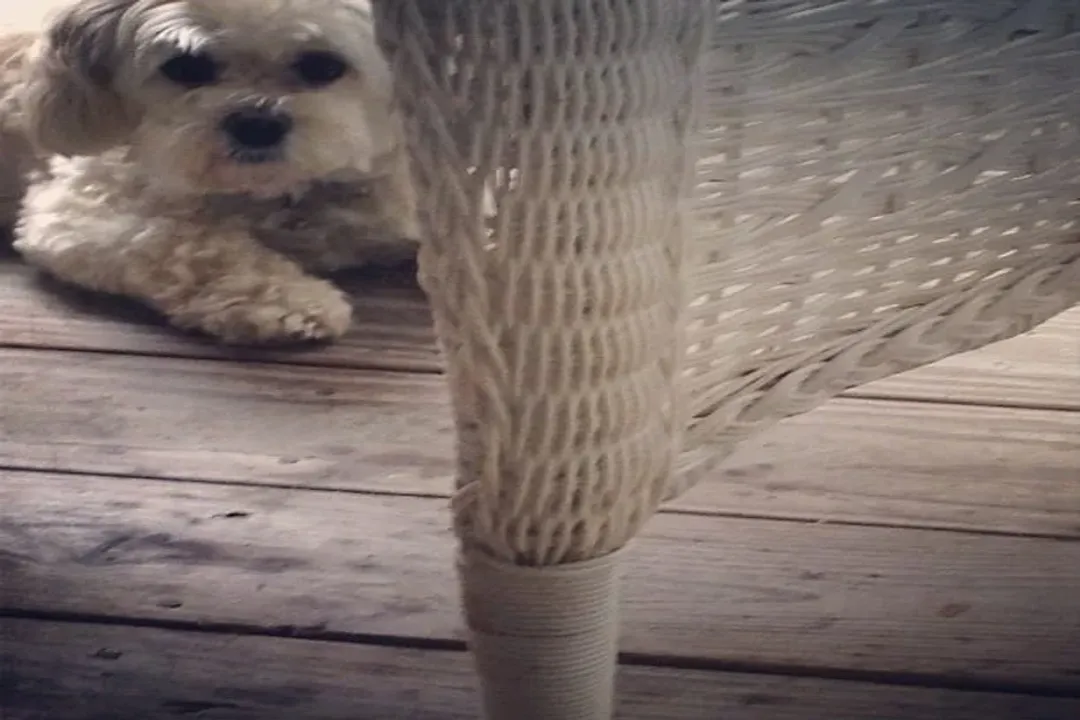
The question of whether a specific hybrid breed is prone to emotional distress like separation anxiety often comes down to genetics, training, and individual personality. Peekapoos, the cross between a Pekingese and a Poodle, are widely recognized for being friendly, loving, and highly adaptable dogs that often thrive in various living situations, including apartments. [2][5] This very desirability, stemming from their affectionate nature, is what brings the issue of anxiety into focus for many owners. [2]
# Breed Temperament
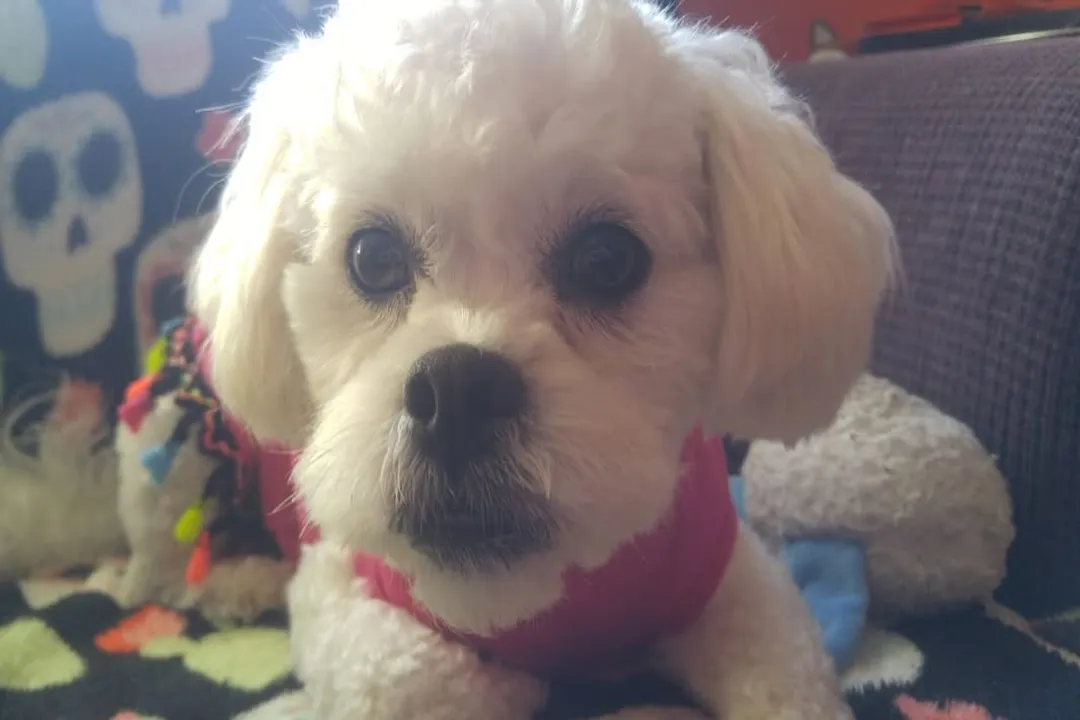
Peekapoos inherit traits from both parent breeds, resulting in a generally cheerful disposition. [2] They are often intelligent and eager to please, traits largely derived from their Poodle lineage. [2] However, their closeness to humans means they thrive on interaction and companionship. [2][5] Dogs bred primarily as companions—which both parent breeds have historically been used for—can sometimes develop a strong reliance on their primary human caregivers. When that primary connection is suddenly removed, distress can follow. [2] They are not typically known as fiercely independent dogs, which suggests they require significant social interaction to remain content.
# Potential Causes
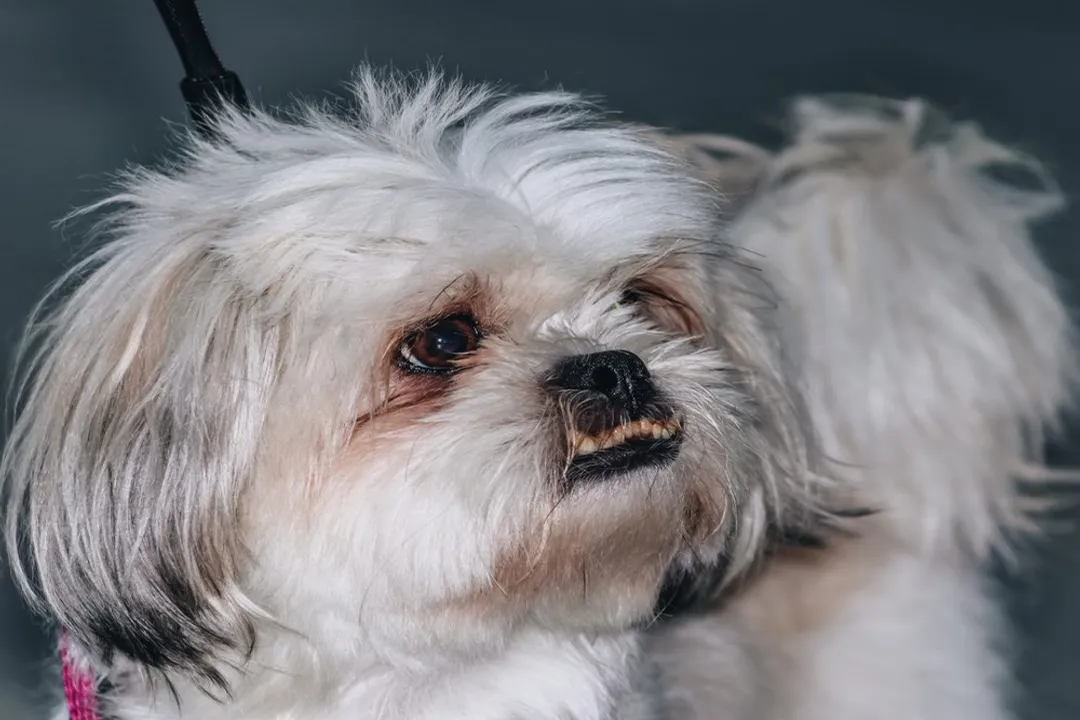
While there isn't a definitive, scientific declaration stating that all Peekapoos suffer from separation anxiety (SA), the risk factors are certainly present within their genetic background and typical care scenarios. [2]
# Parent Influence
Understanding the parents helps set expectations. The Poodle is an intelligent breed that needs mental engagement, while the Pekingese traditionally served as an indoor companion dog, valuing proximity to its family. [2] When you combine a dog that needs to be mentally occupied with a dog that prefers to be close by, you create a profile that does not naturally cope well with extended solitude.
We can observe a blending of needs:
| Trait Source | Primary Need | Implication for Solitude |
|---|---|---|
| Poodle | Mental Stimulation / Engagement | Boredom leads to destructive behaviors or anxiety. |
| Pekingese | Close Companionship | High dependency on owner presence for security. |
This inherited desire for both engagement and proximity means that an abrupt change in routine or extended time alone can trigger stress responses more readily than in breeds historically bred for independent guarding or working tasks. [2] Evidence from the wider "doodle" community, which includes breeds like the Cockapoo, shows that owners of these mixes frequently report and seek advice for managing separation anxiety symptoms. [1][7]
# Anxiety Manifestation
Separation anxiety in any dog, including a Peekapoo, is an excessive reaction to being left alone or separated from attachment figures. [8] It is not simply "being naughty" but a genuine state of panic. Recognizing the signs early is key to managing the condition before it becomes deeply ingrained.
Common indicators that your Peekapoo might be struggling when you are gone include:
- Destructive Behavior: Chewing on door frames, window sills, or furniture, often focused on exit points. [8]
- Excessive Vocalization: Persistent barking, howling, or whining that starts shortly after you leave. [8]
- House Soiling: Urinating or defecating indoors, even if fully house-trained, specifically when left alone. [8]
- Pacing and Restlessness: A dog that cannot settle down, often seen fixated near the door or window. [8]
- Pre-Departure Distress: Showing signs of stress, such as trembling or clinging, as soon as you begin your departure routine (e.g., picking up keys or putting on a coat). [8]
If you come home to destruction or excessive barking, but your dog is perfectly calm when you are home, these are strong indicators that the issue is related to separation, not general naughtiness. [8]
# Proactive Conditioning
The best approach is prevention, especially during the puppy phase or when adopting a new Peekapoo. This involves teaching the dog that being alone is safe and even positive.
Instead of simply leaving the dog alone for long periods early on, focus on making short absences feel unremarkable. A critical step is decoupling your departure cues from your actual exit. If you always grab your keys, put on your shoes, and then leave, the dog learns to panic as soon as you touch your keys. To counter this, practice picking up your keys, sitting down to read a book, and then putting them down—repeat this many times throughout the day until the dog barely reacts. [8]
Here is a practical technique for building positive associations with being alone: create a "Calm Departure Kit." This kit should contain high-value chews or puzzle toys—like a frozen KONG stuffed with peanut butter or a special snuffle mat—that your Peekapoo only receives when you are preparing to leave. The key is to give this item five minutes before you walk out the door and leave calmly. This redirects their nervous energy into a focused, rewarding activity that lasts longer than your initial absence, teaching them that your departure signals the arrival of a special treat, not abandonment. [1][7]
# Managing Established Distress
If your Peekapoo is already exhibiting signs of severe separation anxiety, the approach needs to be more systematic and likely involves desensitization and counter-conditioning. [8] This is where patience is essential, as rushing the process can set back training progress.
For an owner dealing with established SA, the goal is to slowly increase the duration of alone time, starting from just a few seconds. If your dog is having accidents or barking after ten minutes, your practice sessions must start at intervals shorter than ten minutes—perhaps two minutes, or even thirty seconds where you only step out of sight briefly.
When you return, your entry must be low-key. Avoid making a huge fuss, as this reinforces the idea that your return is the most exciting event imaginable, thus making your absence more significant. A quiet greeting is far more beneficial than effusive praise. [8] For moderate to severe cases where the dog panics immediately upon exit, seeking guidance from a certified veterinary behaviorist or a professional trainer experienced in anxiety modification is highly recommended, as they can offer tailored protocols and evaluate whether pharmaceutical support might temporarily assist the behavioral work. [7]
Ultimately, a Peekapoo, like many devoted companion breeds, requires structure and confidence instilled by its owner. By providing consistent mental exercise—perhaps by working on Poodle-like puzzle games—and managing their social needs appropriately, you can significantly mitigate the potential for them to develop distress when left by themselves. [2][5]
Related Questions
#Citations
Help with peekapoo separation anxiety? - Facebook
Peekapoo: Your Complete Guide - Dog Academy
Your Ultimate Guide to Peekapoo Puppies, Haircuts, and History
Peekapoo Dog Breed Facts, Characteristics & Care - Wag!
Separation anxiety : r/CavaPoo - Reddit
Peekapoo Puppies - Breed Info - Petland Racine, Wisconsin
Preventing Separation Anxiety | I Love My Cockapoo Forums
My 2 year old cockapoo suffers from separation anxiety and
Separation Anxiety | ASPCA