Do Vizslas have sensitive stomachs?

Many devoted Hungarian Vizsla owners quickly learn that their sleek, energetic companion often comes with a nuanced digestive system. It's a recurring topic of conversation in breed-specific groups, suggesting that issues like loose stools, gas, or general tummy upset are not uncommon experiences for those caring for this breed. [1][2][3][5] Understanding why this happens often requires looking closely at what goes into their bowls and how their specific needs align with commercial food formulations.
# Digestive Complaints

When troubleshooting health concerns for a Vizsla, gastrointestinal distress frequently surfaces as a primary complaint among owners. [1][3] These signs can range from intermittent diarrhea to more frequent, problematic loose stools, and even occasional vomiting. [2][3] While some dogs might have the occasional reaction to a new treat or environmental change, for many Vizslas, these episodes seem tied to their regular diet. [1][5] Owners often seek advice on forums when standard over-the-counter solutions don't yield lasting results, pointing toward a need for breed-specific dietary consideration rather than a generic fix. [2][3]
# Food Components

The composition of a dog's food is central to managing a sensitive stomach, and in the context of the Vizsla, this often centers on protein levels and carbohydrate sources. [4][6] Vizslas are high-energy athletes, and many recommendations suggest they thrive on diets with high protein content to support their lean muscle mass and activity levels. [6][9] This desire for substantial protein, however, sometimes runs parallel to debates about grains.
Some owners have reported that switching away from grain-free formulas actually resolved their dog's digestive issues, indicating that while highly processed grains can be inflammatory for some, certain grain-free alternatives may introduce other ingredients that upset the system. [1] Conversely, other dietary advice for the breed points toward grain-free options as being beneficial, often suggesting a high-quality, limited-ingredient approach to reduce potential allergens. [6] The key seems to be identifying the specific trigger, which might be a specific protein source, a particular filler, or even the high inclusion of certain legumes common in grain-free kibbles. [5] Their high metabolism means they require easily digestible nutrients; food loaded with less-digestible fillers might simply pass through too quickly, leading to inconsistency in output. [5][7] This suggests that the issue may not be the presence or absence of grain, but rather the quality and type of the carbohydrate or protein used within the formulation itself. [4]
# Dietary Shifts
When a sensitive stomach is identified, the immediate response for many owners is to initiate a change in the dog’s food source. [1][3] This process must be managed carefully to avoid causing further irritation. A complete and abrupt swap from one food to another is often discouraged, as it can shock an already fragile digestive tract, sometimes leading to the very symptoms the owner is trying to cure. [1]
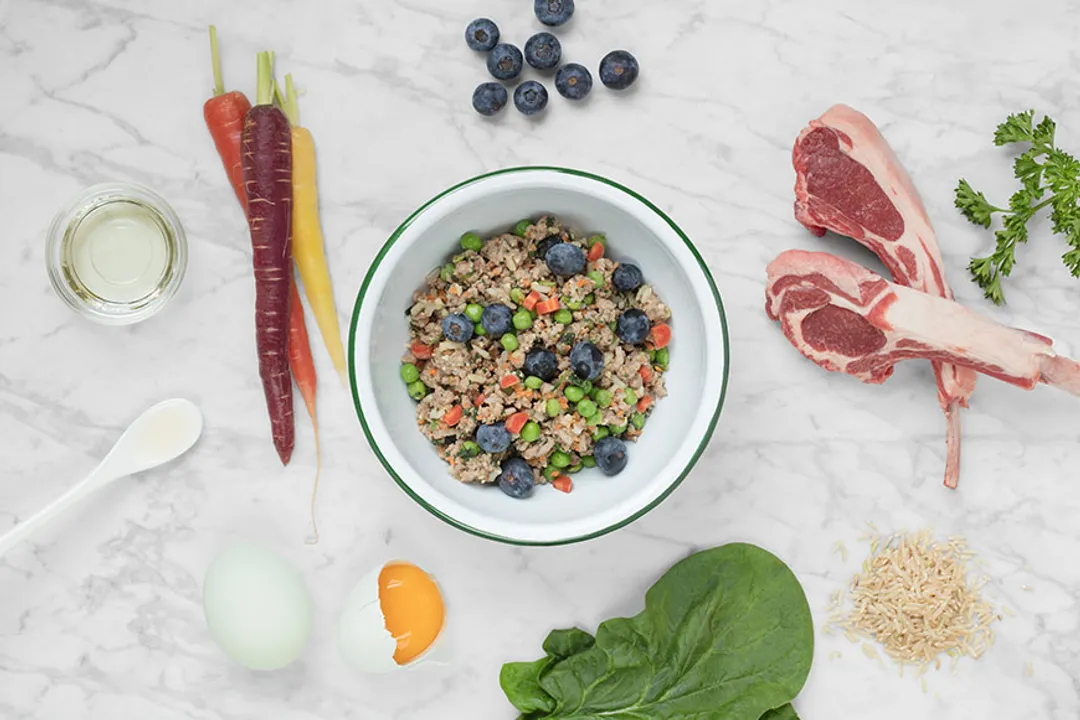
For some owners, the investigation leads down paths less conventional than standard dry kibble. Raw feeding, for instance, is sometimes explored as a method for managing sensitivities, as proponents argue that a diet closer to what a dog evolved to eat can reduce inflammation and improve nutrient absorption. [7] Whether choosing a specific prescription diet, a novel protein source, or exploring raw or fresh food options, the underlying goal remains the same: providing highly bioavailable nutrition that minimizes gut distress. [5][4] This search for the "right fit" can sometimes feel like a trial-and-error process unique to each individual dog. [3]
# Feeding Practices
Beyond what you feed, how you feed a Vizsla can impact their digestive regularity, especially if they are prone to upset. [1] Slow, methodical transitions are critical when introducing a new food source. A standard recommendation involves phasing in the new food over seven to ten days, gradually increasing the proportion of the new kibble while decreasing the old. [1]
When monitoring a sensitive stomach, keep track not only of stool quality but also of your dog’s energy levels and coat condition. If you notice a pattern of poor stool quality, it is worth reviewing your feeding schedule. For a breed known for its drive and energy, fluctuations in apparent energy or a dulling coat might be secondary indicators of poor nutrient utilization stemming from an underlying gut issue, even if the primary symptoms of vomiting or diarrhea are absent. Paying attention to these subtle physical markers can help pinpoint the correct dietary adjustment sooner. [7] If, after several well-managed food changes, issues persist, consulting a veterinarian to rule out parasites or other medical conditions remains the necessary next step before continuing complex dietary trials. [2]
Related Questions
#Citations
Does anyone,s Vizslas have a sensitive stomach we are struggling ...
tummy issues : r/vizsla - Reddit
Sensitive stomach? | Hungarian Vizsla Forums
What are the Best Dog Foods for Vizslas? - Petabolix
Best Dog Food for an Vizsla with a Sensitive Stomach
Best Dog Food for Hungarian Vizslas: High-Protein & Grain-Free ...
What's the Best Dog Food for a Vizsla? - ProDog Raw
Dogs with sensitive stomachs - Gun Dog Forum
What do Hungarian Vizslas eat? Breed-specific nutrition tips - Lyka