Can you have a boxfish as a pet?
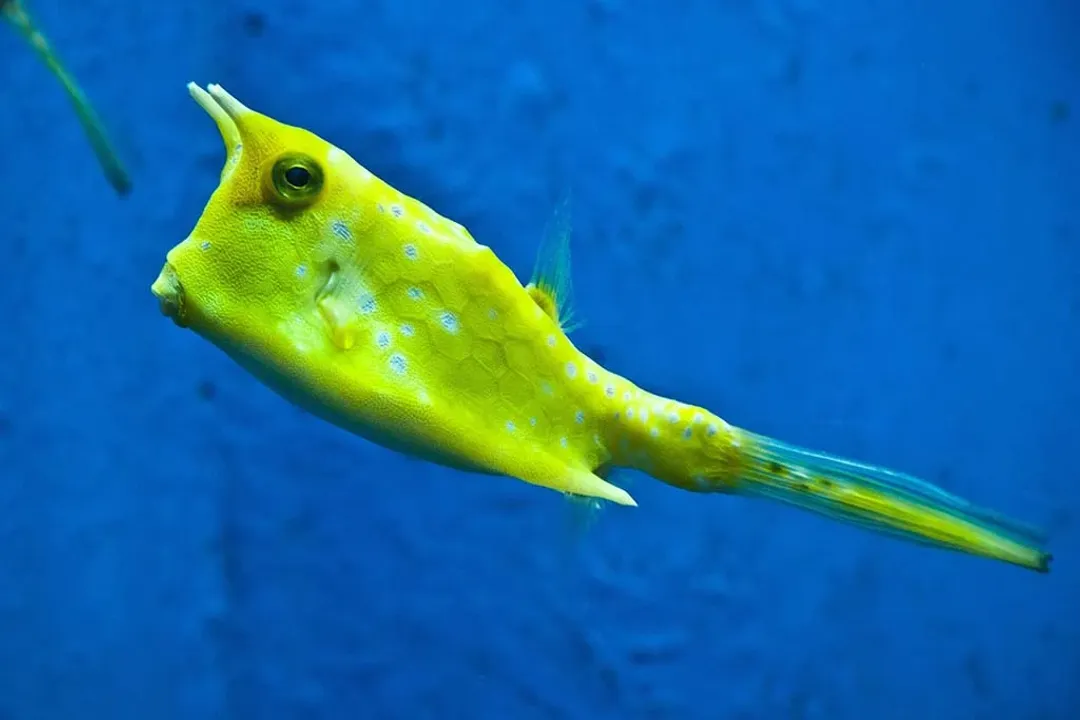
Keeping a boxfish—those charming, cube-shaped inhabitants of tropical reefs—as a companion is a significant undertaking, often requiring more dedication and specialized knowledge than many beginner or even intermediate aquarists possess. These fish, known scientifically often as trunkfish or cowfish (which share similar care needs but have distinguishing features like horns) are undeniably beautiful, especially the vibrant Yellow Boxfish (Ostracion cubicus), which transitions from a bright yellow juvenile to a spotted blue adult. [1][3] However, their allure is tempered by a substantial set of care requirements and a potentially lethal defense mechanism that demands careful consideration before bringing one home. [4][6]
# Lethal Secret
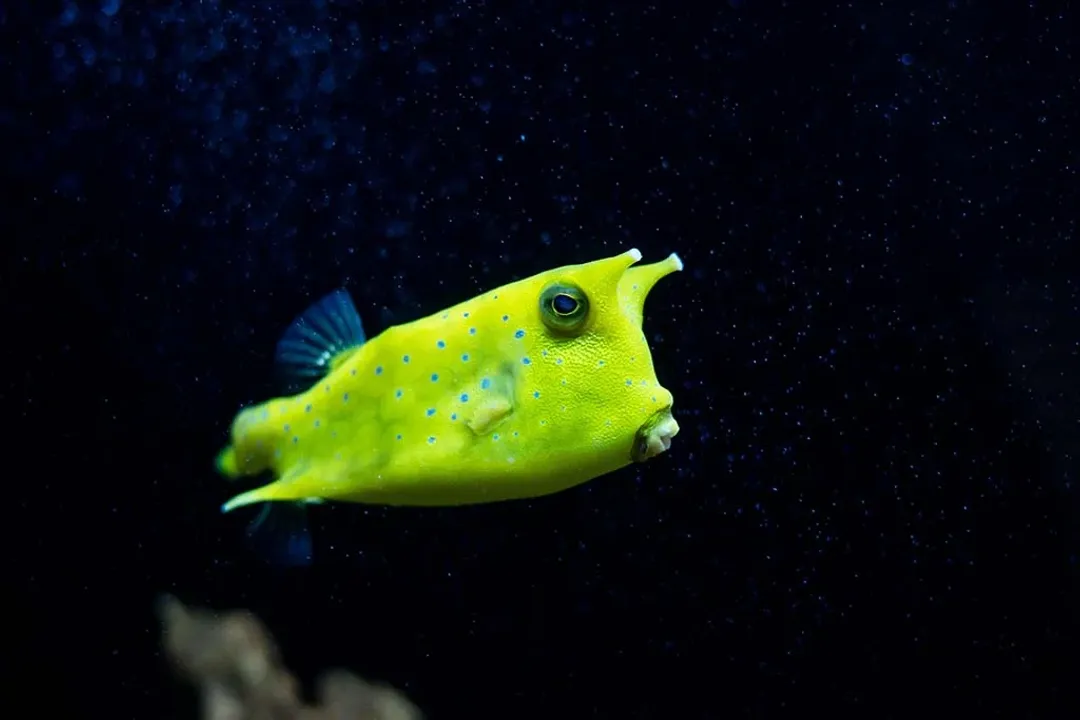
The most critical piece of information any prospective boxfish owner must internalize relates to their potent defense mechanism. When stressed, frightened, or injured, boxfish can release a toxin from their skin into the surrounding water. [4] This substance, sometimes referred to as ostracitoxin, is extremely dangerous to other marine life. [6] In a closed system like a home aquarium, this release can rapidly poison and kill every other fish, invertebrate, and sometimes even the boxfish itself. [4][6] This risk is not theoretical; it is a documented reality for reef tank keepers who have inadvertently stressed their fish. [3][8]
This inherent danger means that standard aquarium practice must be adjusted. If you are keeping a boxfish, you need a plan for potential emergencies, which involves immediate removal of the fish and massive water changes to dilute the toxin, though success is not guaranteed. [4][6] Furthermore, handling must be minimized; using a soft, non-abrasive net or container is essential to prevent scraping the delicate skin, which could trigger a toxin release. [4] Some keepers suggest that larger, more established individuals might be slightly less prone to this stress response than juveniles, but the risk never completely vanishes. [2]
# Water Space
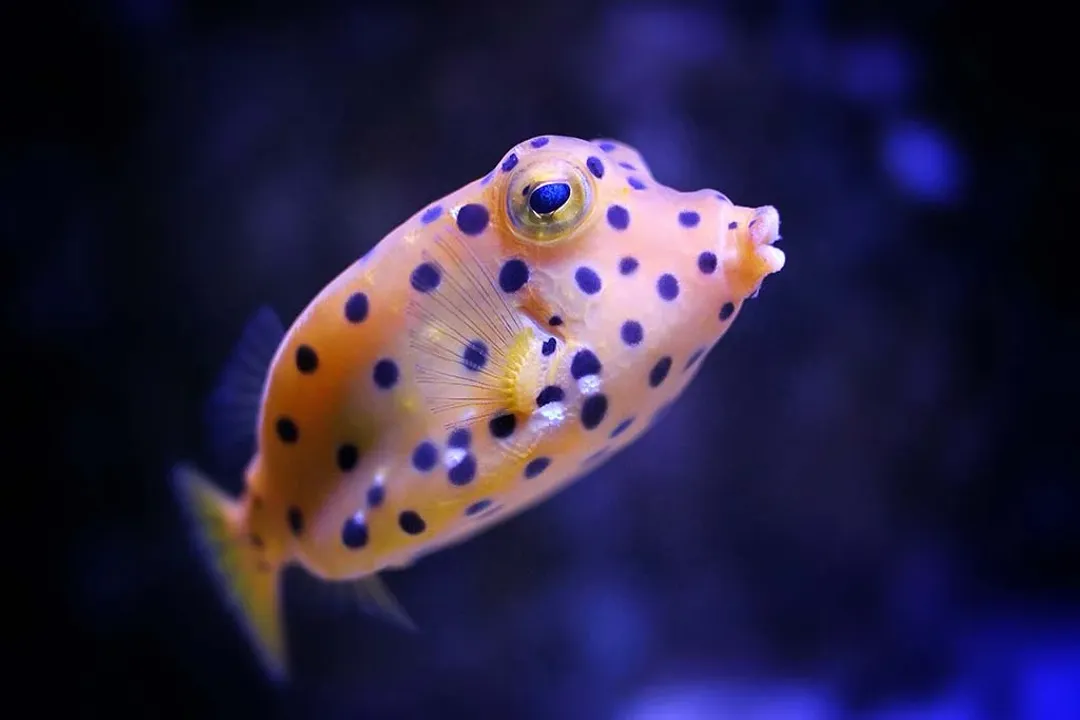
The habitat requirement for boxfish is extensive, stemming from their slow swimming nature and the sheer volume needed to dilute potential toxins safely. While some sources might suggest a smaller tank for a very small juvenile, the consensus among experienced keepers points toward a significant minimum size for long-term health. [2][4] A tank of 70 gallons or more is frequently recommended for a single specimen, especially for species like the Yellow Boxfish. [4] Cowfish, which are related, might sometimes be considered slightly less sensitive to water fluctuations, but they too demand substantial space. [1]
The volume of water serves two primary functions: providing adequate swimming room for a fish that relies on maneuvering rather than speed, and crucially, offering a massive buffer against sudden water quality swings or the aforementioned toxin release. [4] A larger volume of water dilutes pollutants more effectively, creating a more stable environment that boxfish—being sensitive to water chemistry—require. [4]
Beyond size, the environment must mimic a healthy coral reef setting. This means excellent water quality is non-negotiable. Parameters such as salinity, temperature, pH, and alkalinity must be kept stable within the accepted marine ranges. [1][4] Boxfish are not known for tolerating rapid changes in salinity or temperature well. [4] Strong, yet indirect, water flow is important for maintaining clean water and mimicking currents, but direct, powerful currents should be avoided as they struggle to swim against them due to their shape. [4]
| Species Trait | Observation | Implication for Care |
|---|---|---|
| Body Shape | Cubical, low maneuverability | Requires low-flow areas; prone to collision injuries [4] |
| Toxin Release | Stress-induced skin secretion | Immediate system-wide threat to tank mates [4][6] |
| Swimming Speed | Slow movers | Must be housed with equally docile tank mates [1] |
| Diet Preference | Often omnivorous/spongivore | Requires varied, high-quality captive diet [1] |
If you are setting up a new tank specifically for a boxfish, consider waiting until the aquarium is fully mature, meaning the biological filtration is well-established, before introducing the fish. For a new boxfish owner, purchasing a slightly larger, established specimen might be preferable to a tiny juvenile, as the larger fish may have already navigated the most perilous developmental stage, though this is not guaranteed. [2]

# Feeding Habits
Providing a proper diet is another area where boxfish keepers must demonstrate expertise and patience. These fish are often described as spongivores in the wild, meaning their natural diet relies heavily on eating sponges, which are difficult or impossible to replicate accurately in a home tank. [1] Because of this specialized requirement, captive boxfish can be notoriously difficult eaters, and many succumb to starvation or nutritional deficiencies if not transitioned to captive foods successfully. [1][6]
Success in feeding often involves offering a wide variety of high-quality foods. This typically includes frozen preparations rich in meaty ingredients, such as mysis shrimp, brine shrimp, and enriched frozen clam or scallop. [1] Herbivorous components, like marine algae sheets or specialized pellets formulated for herbivores or omnivores, should also be offered. [1] Target feeding—using a feeding stick or tongs to present food directly to the fish—is often necessary, especially when they are new to the tank or competing with faster tank mates. [4]
An original consideration for new owners is the necessity of pre-quarantining food sources. Since boxfish can be sensitive to parasites present in wild-caught frozen foods, and because they may refuse standard flakes or pellets, establishing a rotational diet that is rigorously frozen (thawed and refrozen multiple times to kill potential pathogens) or enriched with supplements like vitamin C paste is a proactive step that can support long-term immunity, especially given their sensitive nature. [4] Observe closely; if a boxfish consistently ignores one food type, it must be rotated out quickly in favor of something more palatable to ensure caloric intake is sufficient. [6]
# Inhabitants
The question of what lives alongside your boxfish is directly tied to their placid, slow-moving nature. Boxfish are peaceful fish, but they are also slow swimmers, making them easy targets for faster or more aggressive tank mates. [1] Housing them with nippy damselfish, large tangs known for aggression, or even very energetic clownfish can lead to constant harassment, which causes stress and increases the likelihood of that fatal toxin release. [1][3]
It is highly advisable to pair boxfish only with other docile species that share similar water parameter requirements and temperaments. Certain small wrasses, peaceful gobies, or slow-moving, non-aggressive blennies might be appropriate companions, provided the tank is large enough to mitigate territorial disputes. [1]
For a Yellow Boxfish specifically, keepers often note a need for extreme caution. If introducing a boxfish to an established tank, they must be quarantined, and the existing inhabitants should be assessed for potential bullying behavior before the boxfish goes into the main display. If the boxfish is the first addition to a new, large system, you have the advantage of dictating the pace and temperament of subsequent additions. A common pitfall, which might be worth noting here, is introducing a large, established tank mate to a boxfish that has been enjoying a large, peaceful tank for months—the sudden introduction of a high-energy fish can rapidly alter the established, low-stress dynamic and trigger a negative reaction from the boxfish. [2][8]

# Species Variation
While the Yellow Boxfish often dominates the conversation, it is important to recognize that "boxfish" is a general term, and different species carry different levels of difficulty and adult sizes. [7] Cowfish, for instance, are often grouped with boxfish care but possess distinctive "horns" on their head. [1]
The Yellow Boxfish is frequently cited as the most difficult of the commonly available species to keep long-term in the home aquarium. [3] Juvenile specimens are small and brilliant yellow, but they grow significantly and transition colors, requiring keepers to plan for a much larger adult fish that demands a substantial aquarium. [1] Understanding the mature size and temperament of the specific species you acquire is crucial, as a small juvenile might seem manageable in a starter tank, but its adult form may quickly outgrow that setup. [7] Always confirm the expected maximum size before purchase. [1]
# Quarantine Protocol
Given the dual threats of common aquarium diseases and the catastrophic danger of toxin release, a rigorous quarantine process is not optional for boxfish; it is mandatory for responsible ownership. [4][6] If a boxfish contracts a common marine ailment like Ich or marine velvet, treatment becomes incredibly complicated. Most effective treatments for these parasites, such as copper-based medications or high-dose hypo-salinity treatments, are often lethal to boxfish due to their sensitivity. [4]
Because of this high treatment difficulty, a dedicated quarantine tank—completely separate from the main display—is essential. This allows you to treat the fish for common diseases using appropriate medication without endangering your primary display tank or the boxfish itself, which may suffer ill effects from aggressive parasite treatment even if it survives. [4][6] Any new fish should spend at least four weeks in quarantine observing for disease and slowly introducing appropriate foods. If a disease outbreak occurs in quarantine, the treatment can be aggressive. If the fish is healthy, it can then be slowly acclimated to the main system, having already proven its hardiness against tank-specific parameters. This approach significantly increases the overall chance of long-term success. [4] A crucial, often overlooked step: ensure that the quarantine tank is not aggressively filtered with biological media that you plan to use in the main tank, in case the quarantine tank needs a medicated water change that would poison your main biofilter. [9]
# Maintenance Routine
Consistent, meticulous maintenance forms the backbone of successful boxfish keeping. Due to their sensitivity, fluctuations in water quality are a major stressor that can precipitate a toxic event. [4]
- Water Changes: Regular partial water changes are vital. While the exact frequency depends on the bioload, a schedule of changing 10% to 20% of the tank volume weekly or bi-weekly is a good starting point for a properly sized, mature tank. [4] Use high-quality synthetic sea salt and RO/DI water for mixing to ensure no unwanted contaminants are introduced. [1]
- Testing: Test water parameters (Ammonia, Nitrite, Nitrate, pH, Temperature, Salinity) at least weekly. For sensitive species like boxfish, keeping nitrates as low as possible—ideally below 10 ppm—is the safest practice. [4]
- Equipment: Ensure all plumbing, overflows, and filtration intakes are functioning perfectly. A blocked pipe or a failing pump that causes physical abrasion or stress can be the trigger for a toxin dump. [4]
In summary, while the desire to keep these geometric wonders is understandable, potential owners must approach the decision with a clear understanding of the stakes. Boxfish are a commitment to a low-stress, high-stability environment, demanding pristine water, specialized feeding, and careful stocking decisions. They are best suited for the seasoned reef aquarist who already maintains systems for other sensitive or valuable livestock. [6]
#Videos
Do you really want a Boxfish? (Ostracion cubicus) - YouTube
Related Questions
#Citations
Advanced Boxfish & Cowfish Care: Tank Setup, Food, Safety | Petco
Boxfish/cowfish best to start small or go for a bigger one? - Reef2Reef
Thought on Yellow Boxfish?(Info in comments) : r/ReefTank - Reddit
Keeping a Boxfish Thrive in a Tank - hygger
Do you really want a Boxfish? (Ostracion cubicus) - YouTube
Yellow Boxfish | MonsterFishKeepers.com
Boxfish, Cowfish & Trunkfish - That Pet Place
Blue Boxfish care? - Reef Central Online Community
Unique Boxfish Care for Exotic Pet Enthusiasts - TikTok