Can you touch boxfish?
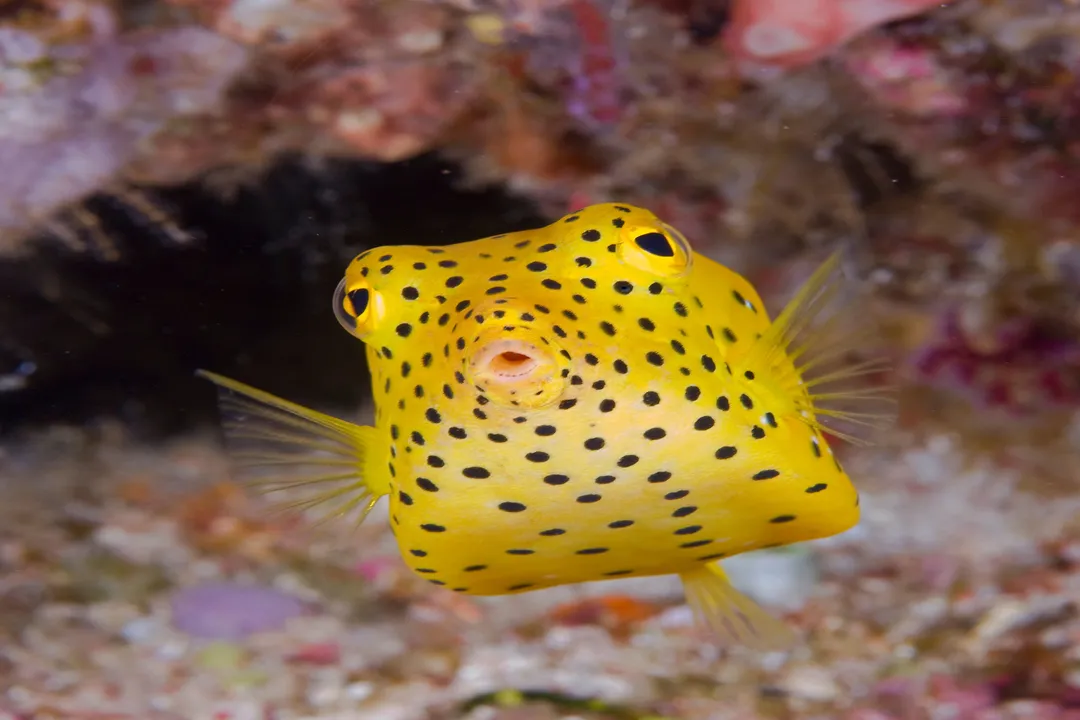
The vibrant yellow, cube-like shape of a boxfish makes it an undeniable star of any coral reef, often prompting awe from divers and snorkelers alike. [5][9] These creatures are undeniably charming, yet beneath that appealing, rigid exterior lies a serious reason why human hands should remain strictly separated from their skin: boxfish are capable of releasing potent toxins when stressed or in peril. [1][2] The simple query of whether one can make physical contact is met with a firm consensus among those familiar with marine life: physical interaction is strongly discouraged due to severe potential consequences, particularly in confined environments. [2]
# Chemical Defense
The primary reason to resist the urge to touch a boxfish relates directly to its chemical arsenal. Boxfish, particularly when they feel threatened, scared, or are dying, possess specialized skin cells that release a potent defensive substance. [1][2] This substance has a specific name: ostracitoxin. [2]
Ostracitoxin is a neurotoxin, and its release is a last-ditch survival mechanism intended to deter predators. [2] While a single fish releasing a small amount in the vast ocean might dissipate quickly, the danger skyrockets in closed systems, such as home aquariums. [7] In an aquarium setting, if a boxfish becomes sufficiently stressed—perhaps from aggressive tank mates, improper water quality, or being handled—it can secrete enough toxin to prove fatal to itself and every other fish sharing the water volume. [1][7] This potential for mass casualty within a tank environment makes responsible keeping of these species complicated, underlining why any handling, even if brief, is risky. [2][8]
Comparing this defense to others in the ocean provides context. While some fish rely on speed or camouflage, the boxfish seems to pair its physically awkward, box-like body with a chemical deterrent. This suggests a creature that, having sacrificed mobility for armor, must fall back on poison when that armor is breached or attempts are made to move it, such as by a human hand. [6]
# Wild Behavior
In their natural habitat, the boxfish’s instinct is generally to avoid interaction, which speaks volumes about its vulnerability when cornered. [5] Boxfish, such as the popular juvenile Yellow Boxfish (Ostracion cubicus), are typically shy and prefer to keep a safe distance from divers and snorkelers. [5] This natural avoidance is a key indicator that being touched is far outside their normal behavioral repertoire and would immediately constitute a threat requiring a toxic response. [1][2]
Observing their movement further illustrates why contact should be avoided. Unlike swift, torpedo-shaped fish, boxfish have a rigid, bony carapace that dictates their swimming style. [6] Their maneuverability and speed rely heavily on their tail fin, which acts as their main engine for propulsion. [6] If a person were to grab or even attempt to corner one, the fish’s primary means of escape—its swimming ability—would be severely hampered by the physical restraint. This forced immobilization would almost certainly trigger a maximum release of ostracitoxin as the fish fights for its life. [1][8]
It is interesting to consider the scale of threat. While we might observe a juvenile boxfish being predated upon by larger fish, like a scorpionfish, in a natural setting, the predator is operating under different biological imperatives than a human observer. [3] A scorpionfish attacking confirms the boxfish is vulnerable to predation, but a human attempting to touch it is introducing a completely unnatural level of stress via manipulation rather than predation, making the toxic outcome highly probable. [2]

# Physical Structure and Family Ties
The rigidity that defines the boxfish is inherent to its entire family, the Ostraciidae. [4] This family includes trunkfish and cowfish, all sharing a similar body structure that is essentially encased in bony plates. [4] This physical armor provides excellent protection against physical damage from casual contact or minor bumps against reef structures.
However, this physical defense mechanism appears to exist in parallel with the chemical one. It seems evolution provided two distinct layers of protection: the external shell and the internal poison. [2][4] If a predator or observer manages to circumvent the initial barrier—for instance, by getting a good enough grip to lift the fish—the second, more severe chemical defense system activates. [1] This dual-layered survival strategy means that even if the fish appears unhurt by an attempted touch, the stress hormones released might have already triggered the release of ostracitoxin into the surrounding water. [8]
For those interested in the mechanics of their movement, understanding this rigidity is helpful. Because they cannot bend their bodies fluidly like many other reef fish, they compensate with small, precise fin movements. This makes them excellent at hovering or making tight turns at low speeds but poor at rapid, sustained bursts of escape. If one is observed swimming slowly near the substrate, its relatively slow evasion speed further increases the likelihood of a successful, albeit stressful, attempt by a human to make contact, triggering the toxin release. [6]
# Handling Guidelines
Given the documented dangers, the consensus among marine hobbyists and professional observers is clear: do not touch boxfish. [1][2] This guideline extends beyond simply avoiding harm to the fish; it is fundamentally about self-preservation regarding the health of the local ecosystem or the aquarium. [7]
If you are snorkeling or diving, the best practice is always respectful observation from a distance. [5] Admire their patterns and their unique way of navigating the water, but allow them the space they naturally seek. [5]
For aquarium keepers, the implication is even stricter. The maintenance of ostracitoxin levels in a closed system is impossible once a significant release occurs. [7] While some experienced aquarists do keep boxfish, it requires specialized setups, often involving species-only tanks or very specific, compatible communities, and they must always be prepared for the worst-case scenario caused by stress. [1][8] The knowledge that a fish you just moved could foul the entire tank minutes later due to handling anxiety is a heavy responsibility that generally tips the scales toward non-contact for the average enthusiast. [2] The rigidity of their structure and the potency of their chemical defense simply do not allow for casual physical interaction without significant risk to the entire marine environment you are trying to observe or maintain. [4][6]
Related Questions
#Citations
How dangerous are boxfish?
Boxfish - Cute But Deadly
A scorpionfish attempts to eat a juvenile yellow boxfish but ...
Sorting the Boxfishes
Yellow Boxfish Koh Tao
Boxfish and the importance of its tail fin. -
Boxfish Poison
Boxfish having trouble - Humble.Fish
Spotted boxfish always check you out