Are needlefish attacks common?
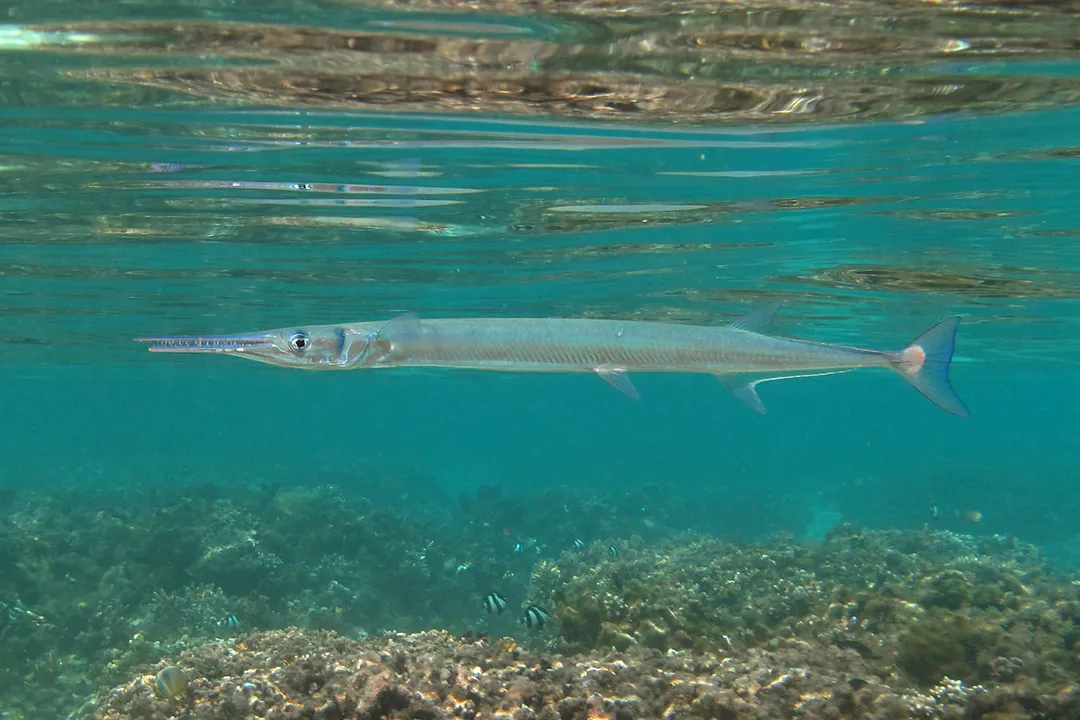
The presence of long, slender fish with needle-like jaws in tropical swimming areas often sparks concern, leading many to wonder just how frequently these encounters escalate into genuine attacks. While needlefish are indeed widely distributed and possess the physical attributes that make them seem formidable—including sharp teeth—the consensus among those who study or encounter them suggests that actual attacks on humans remain an infrequent occurrence. Their notoriety often outpaces the documented reality of their behavior toward people.
# Fish Range
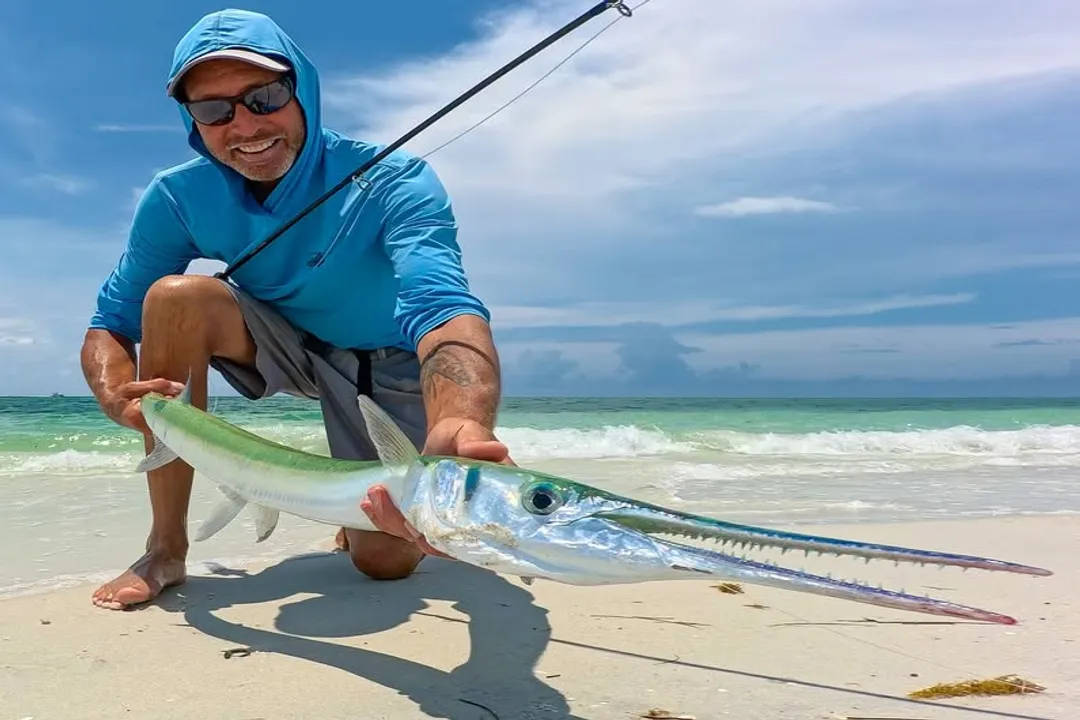
Needlefish are a group of fish widely distributed across the globe, thriving primarily in tropical waters. Their habitat preference leans toward the shallow, near-shore environments, often found in coastal areas, estuaries, and even venturing into brackish or freshwater systems. For example, in areas like the Florida Panhandle, they are known residents of these near-shore environments. This broad distribution means that if you are swimming or wading in the warm seas of the tropics, there is a good probability that needlefish are sharing the water with you. Their commonality as a species, however, does not equate to commonality in aggressive human interactions.
# Attack Frequency
Addressing the core question directly, documented needlefish attacks are generally considered rare events. This observation stands in contrast to the fish’s widespread abundance. One way to contextualize this is by comparing them to other ocean inhabitants; for instance, many people view them as significantly less dangerous than sharks. They are not entirely harmless, as they are known to cause injuries, some of which can be serious. Nevertheless, the vast majority of interactions between swimmers and needlefish pass without incident, even in areas where the fish are abundant. The sheer number of people who swim in tropical waters daily versus the handful of reported injuries throughout the year supports the conclusion that these are isolated incidents rather than a regular threat.

# Physical Traits
What often draws immediate attention, and perhaps fuels the fear of attack, is the needlefish's distinctive anatomy. They are characterized by a very long, sword-like bill or jaw structure. This jaw is lined with numerous sharp teeth. Visually, this makes them stand out, giving them an appearance that suggests capability for harm. They are often observed near the water's surface, which is a crucial element when considering potential encounters with humans engaging in surface water activities.
# Behavioral Triggers
While the fish possess sharp weaponry, the motivation behind any strike is usually not predatory intent aimed at humans. Needlefish are primarily piscivorous, meaning they feed on smaller fish. When they are observed near swimmers, it is often due to their natural behavior of lurking or feeding close to the surface. An original insight here is recognizing that many documented strikes occur when the needlefish are likely misidentifying a moving object or reacting to sudden, frantic surface activity. They are ambush predators focused on prey that typically moves rapidly near the water line; a flailing hand or foot breaking the surface may trigger a reflexive strike based on size and movement cues, rather than a deliberate attack on a perceived threat or food source. They can be aggressive, but that aggression is generally directed toward prey or rivals, not large mammals wading or swimming nearby.

# Injury Context
Despite the rarity, when an injury from a needlefish does occur, it demands attention because the nature of the wound can be significant. A documented case from the Jersey Shore illustrates that these incidents do happen even outside of traditional tropical zones, involving a swimmer being left injured by a sword-like fish. The long, slender nature of the bite means that while the wound might be deep due to the penetration of the sharp bill, it might not always involve significant tissue removal, which contrasts with some other large marine predators. However, lacerations from such sharp, fast-moving objects require proper medical attention to ensure thorough cleaning and treatment, as any puncture wound carries an inherent risk of infection.
To give a clearer picture of the potential severity versus frequency, consider this observation: if we categorize encounters into simple sightings (very common), minor surface disturbance (uncommon), and actual puncture injuries (rare), the vast majority of beachgoers will only ever experience the first category.
# Safety Measures
Given that needlefish are an established part of many coastal ecosystems, understanding how to minimize the small risk they present is practical rather than alarmist. Simple adjustments to water behavior can greatly reduce the chance of a negative encounter.
A useful guideline centers on minimizing activity that mimics their prey. Since they hunt near the surface, vigorous splashing, kicking, or erratic movements right at the water line should be minimized, especially in areas where needlefish are known to congregate. If you are wading, try to move smoothly rather than stamping or thrashing feet near the surface, as sudden, jerky motions can attract a reactive investigation from the fish.
Another actionable tip relates to time of day. While not explicitly detailed as a rule in every source, the general predatory habits of small surface fish suggest light conditions matter. If you find yourself swimming near dawn or dusk in known needlefish territory, or if the water clarity is poor, be extra mindful of surface movements. Swimming during brighter mid-day hours, when visibility is better for both you and the fish, might offer a slight advantage in avoiding accidental contact. Always try to observe local advisories if they exist, particularly after a spate of unusual sightings or minor incidents in a specific bay or inlet. Recognizing that they are there, but acting calmly, is the best path forward.
Related Questions
#Citations
Needlefish are widely found fish known to cause serious injury and ...
Penetrating spinal cord injury caused by a Needlefish: A case report ...
Needlefish are common in tropical waters around the world. They ...
Those needlefish are not totally harmless after all - Susan Scott
Sword-like fish leaves swimmer injured at Jersey Shore beach - nj.com
Are needlefish more dangerous than sharks? - Quora
Management of penetrating cervical injury from needlefish impalement
Needlefish - Wikipedia
Needlefish of the Florida Panhandle - UF/IFAS Blogs