Are Goliath beetles aggressive to humans?
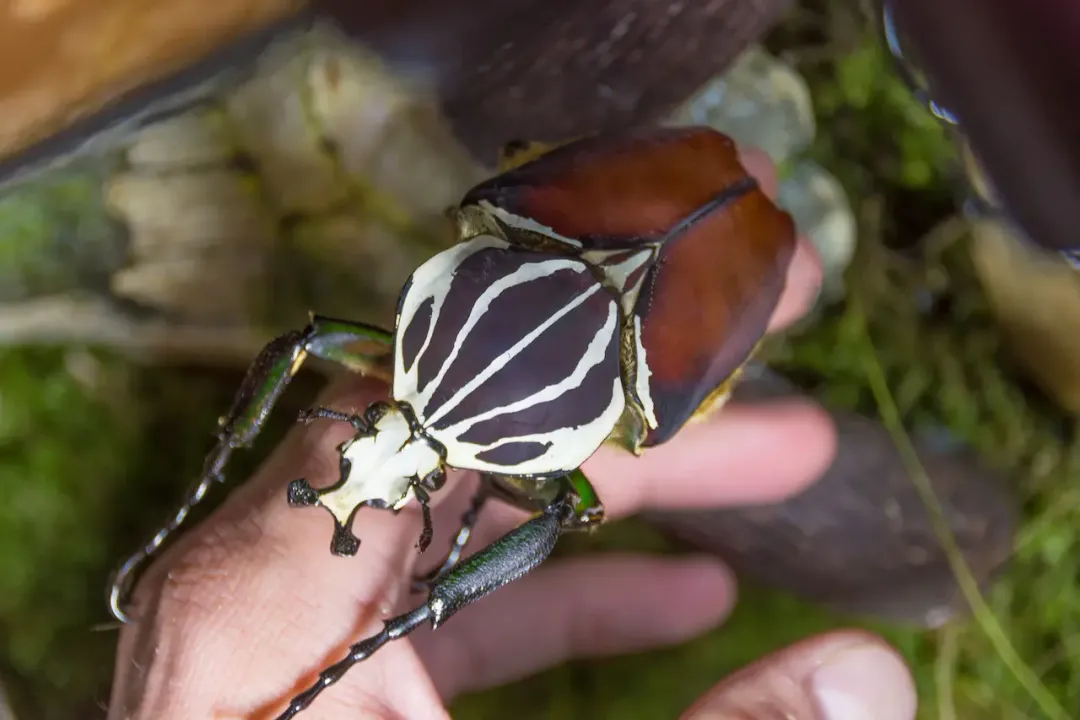
The sheer scale of the Goliath beetle often sparks immediate questions regarding its interaction with people, especially given its imposing presence. These African giants are celebrated as some of the largest insects on Earth, prompting curiosity about their temperament, whether they possess venom, or if they pose any real threat to a person unlucky enough to cross their path in the wild or in captivity. While their size naturally inspires a degree of apprehension—conjuring up images of much larger, aggressive creatures dominating their environment—the reality of the Goliath beetle’s disposition toward humans is far less dramatic. Understanding their behavior requires separating the awe inspired by their bulk from the documented facts regarding their daily lives and defense mechanisms.
# Immense Scale
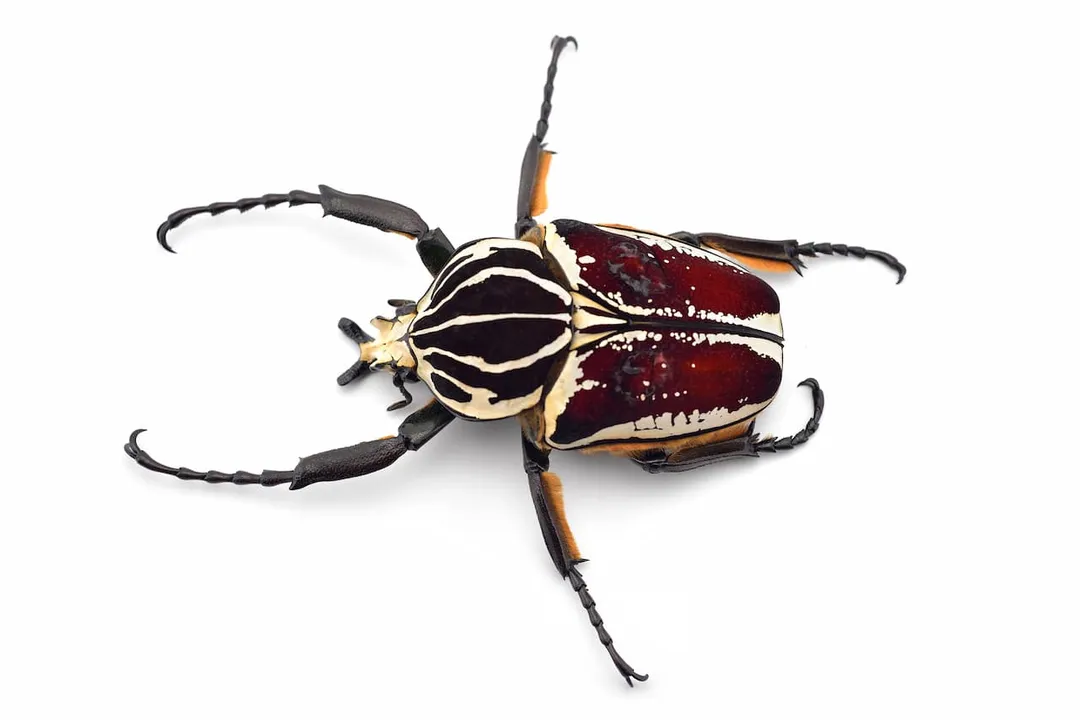
Goliath beetles belong to the genus Goliathus and represent an astonishing feat of insect evolution. Depending on the specific species within the group, they can reach lengths up to about $4.3$ inches. This measurement, combined with their significant mass—some specimens weighing up to $100$ grams—solidifies their status as true titans of the insect world. They are distributed across the African rainforests, where they feed primarily on tree sap and fruit. Their sheer size means that encountering one, even if it is not aggressive, is an experience defined by its magnitude.
To put their dimensions into perspective, here is a comparison with some other well-known insects.
| Insect Category | Typical Max Length (Approx.) | Notes |
|---|---|---|
| Goliath Beetle (Goliathus sp.) | $4.3$ inches ($10.9$ cm) | One of the heaviest and longest beetles. |
| Rhinoceros Beetle | $2.4$ inches ($6$ cm) | Large, but typically shorter and less massive than Goliath beetles. |
| European Stag Beetle | $3$ inches ($7.6$ cm) | Males are known for large mandibles, but still significantly smaller. |
The perception of threat often scales directly with size, which is why hypothetical discussions frequently arise concerning what would happen if an insect of this magnitude were suddenly much larger than a person. However, in reality, the beetle’s actual threat level is determined by its innate behavior, not just its potential mass if magnified.
# Male Weapons

One crucial area to examine when assessing potential aggression is the equipment the beetle carries. Male Goliath beetles possess distinctive physical attributes often used in intraspecific conflict, meaning fights against their own kind. Specifically, males are equipped with small, paired horns or spurs located on their pronotums (the shield-like plate behind the head). These structures are specialized tools, primarily serving in combat against rival males, often during mating competition or territorial disputes within the species.
This focus on internal competition suggests a behavioral tendency geared toward rivals rather than external threats like humans. If a creature’s primary physical defense mechanisms are reserved for competition within its social structure, it implies a lower inherent motivation to use them aggressively against unrelated species, such as people.

# Docility Observed
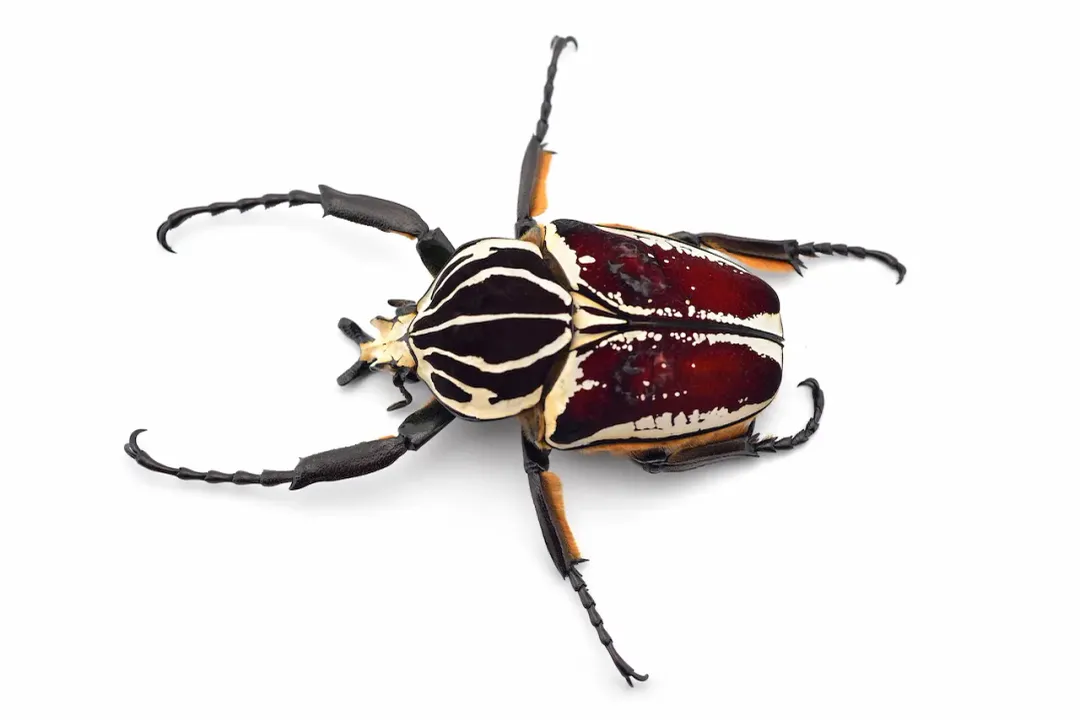
For those who keep Goliath beetles as pets, whether in specialized invertebrate enclosures or as part of an educational display, their temperament is frequently noted. The general consensus among keepers is that these beetles are surprisingly docile when handled properly. This suggests a baseline disposition of non-aggression toward humans who approach them calmly and with care.
The fact that they are sometimes kept as pets, sometimes documented in informal settings online, further supports the idea that they are manageable creatures, provided the keeper understands their specific needs and limits. An animal that is inherently aggressive or highly unpredictable would be far less commonly kept or displayed publicly.
# Startle Response
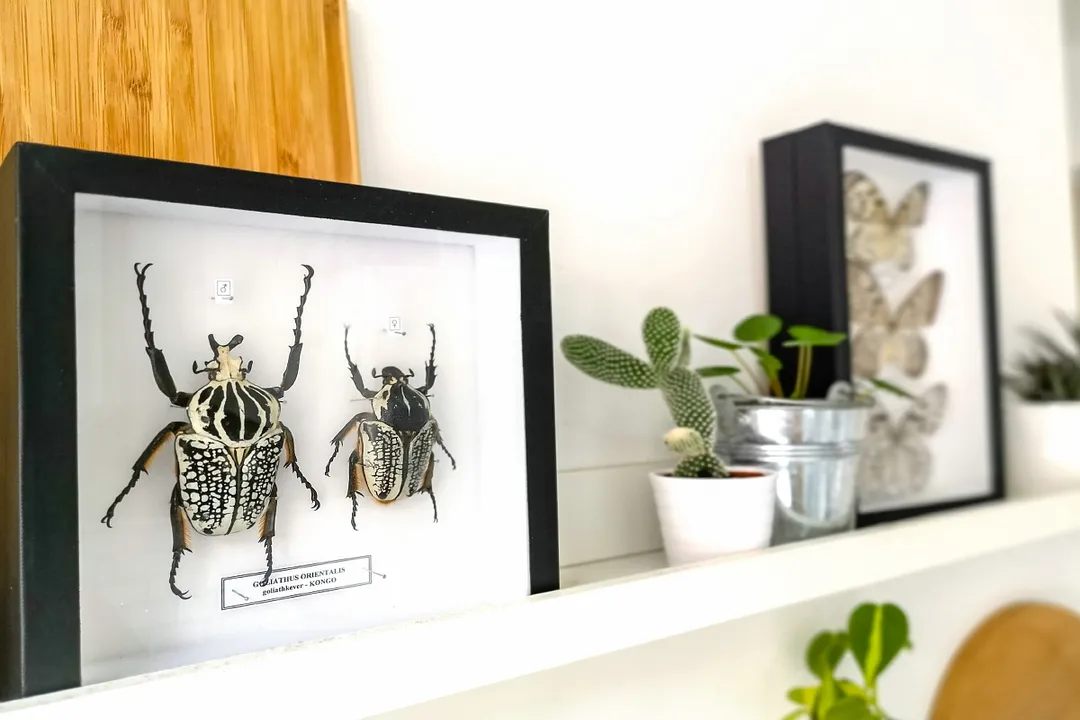
While docile by nature, it is essential to recognize the circumstances under which a Goliath beetle might exhibit a defensive action. The key trigger appears to be stress or being frightened. When a beetle feels cornered, threatened, or overly handled without acclimatization, its instinct is to defend itself defensively.
This defensive action is generally a physical consequence of its anatomy rather than a calculated attack. If frightened, the beetle may attempt to pinch or scratch with the small horns mentioned earlier. It is important to understand that this is a startle response—a reflex action to perceived danger—rather than a predatory or territorial aggression aimed at harming a human handler. The pinch might be significant due to the beetle’s size and strength, but it is fundamentally a reaction to feeling severely stressed.
When approaching any large insect, especially one kept in captivity, recognizing the difference between a territorial charge and a startle reflex can significantly alter the interaction. A slow, gentle approach minimizes the chance of inducing the stress required to elicit that defensive pinch or scratch. Furthermore, handling an insect that is clearly agitated or attempting to flee will almost certainly result in a defensive reaction, whereas a calm beetle rarely presents any issue beyond its sheer weight. The experience of invertebrate keepers suggests that respect for the insect’s space and a careful introduction are the best practices for ensuring peaceful coexistence, whether in the jungle or on a display platform.
Related Questions
#Citations
The 6 Goliath Beetle Species and their facts
Goliath Beetle - A-Z Animals
Are Goliath Beetles Dangerous? Giant Hercules Beetle Flying - TikTok
Which insect do you think would be the most dangerous if it ... - Reddit
David v Goliath... interesting find today, beetle larva attacking a ...
Climbing Critters - Powell-Cotton Museum
The World's Largest Insect is the Goliath Beetle - Dan's Pet Care
Would insects prey on humans if they suddenly grew bigger than us?
The African Goliath Beetle (Goliathus Giganteus) - Earth Life