Are Dutch Shepherds cuddly?
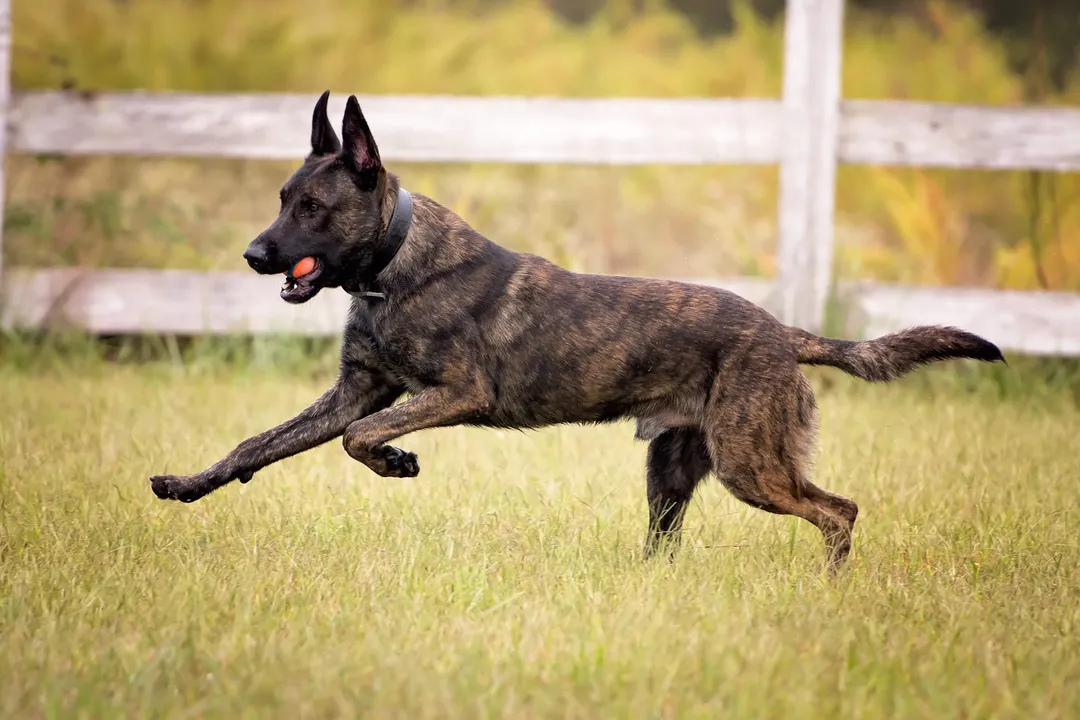
The relationship an owner has with a Dutch Shepherd often hinges on understanding their deep-seated working heritage rather than expecting the typical lap dog demeanor. These dogs are highly intelligent, intensely loyal, and form powerful attachments to their immediate families, which naturally leads many prospective owners to wonder about physical affection. [3][7][8][9] To ask if they are "cuddly" is to ask if a highly motivated professional athlete wants to nap on the sofa after winning the marathon—the answer depends entirely on whether their primary needs have been satisfied first.
# Breed Temperament
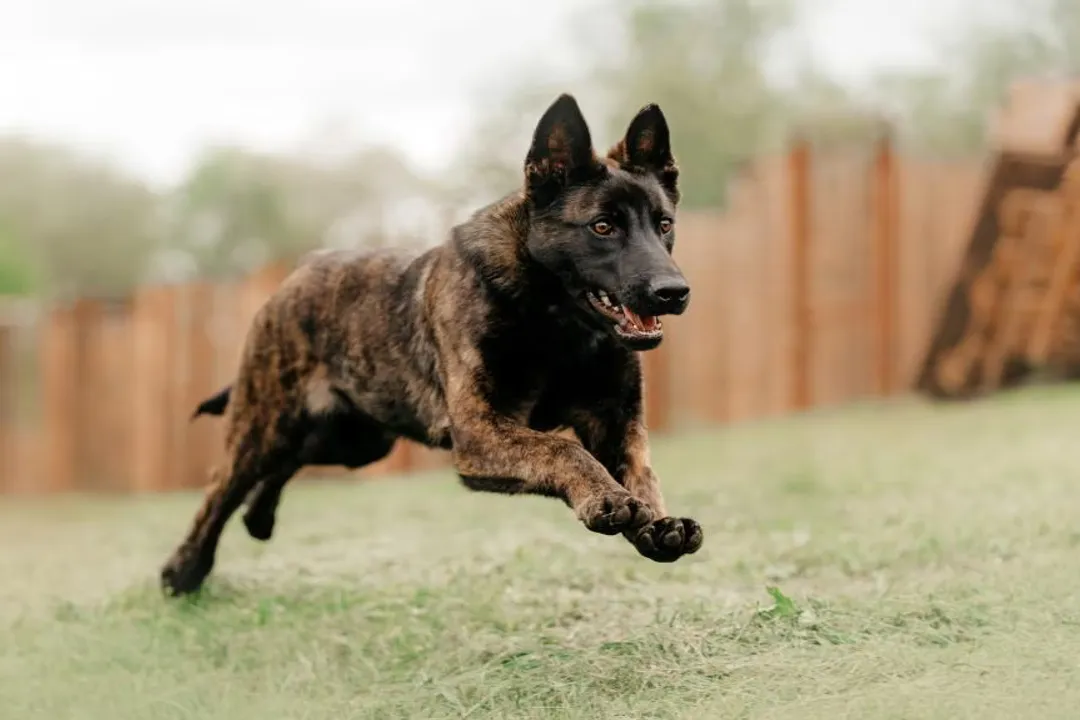
The Dutch Shepherd is characterized by a combination of sharp intelligence, high energy, and exceptional trainability. [3][9] They were originally bred as versatile farm dogs, meaning they needed to be alert, watchful, and capable of handling varied tasks, from herding livestock to guarding the property. [3][7] This background means their default state is active and engaged, not passive relaxation. [6] Their devotion is deep; they are known to be affectionate companions to their owners. [8] However, this affection is often expressed through close proximity and participation rather than prolonged, stationary cuddling sessions. [7]
# Family Bonds
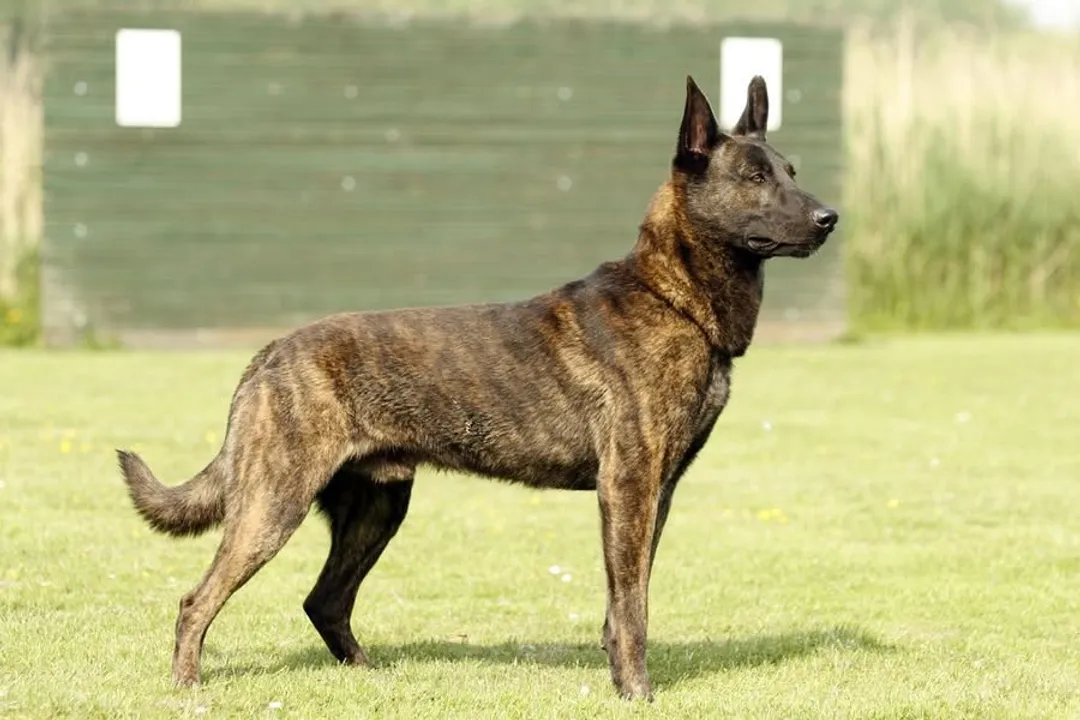
For the people they trust, Dutch Shepherds offer unwavering loyalty. [4][7][9] They truly bond with their human unit and can be quite sensitive to the moods and presence of their family members. [8] Owners often report that while they might not be the type to drape themselves across your lap for hours, they absolutely crave being near their people. [5] If a Dutch Shepherd is consistently shadowing you from room to room, watching your every move, that is often their primary form of showing closeness and security. They are protective of their family circle, a trait that can make them wary of strangers. [4] This protectiveness often comes hand-in-hand with intense attachment.

# Physical Closeness
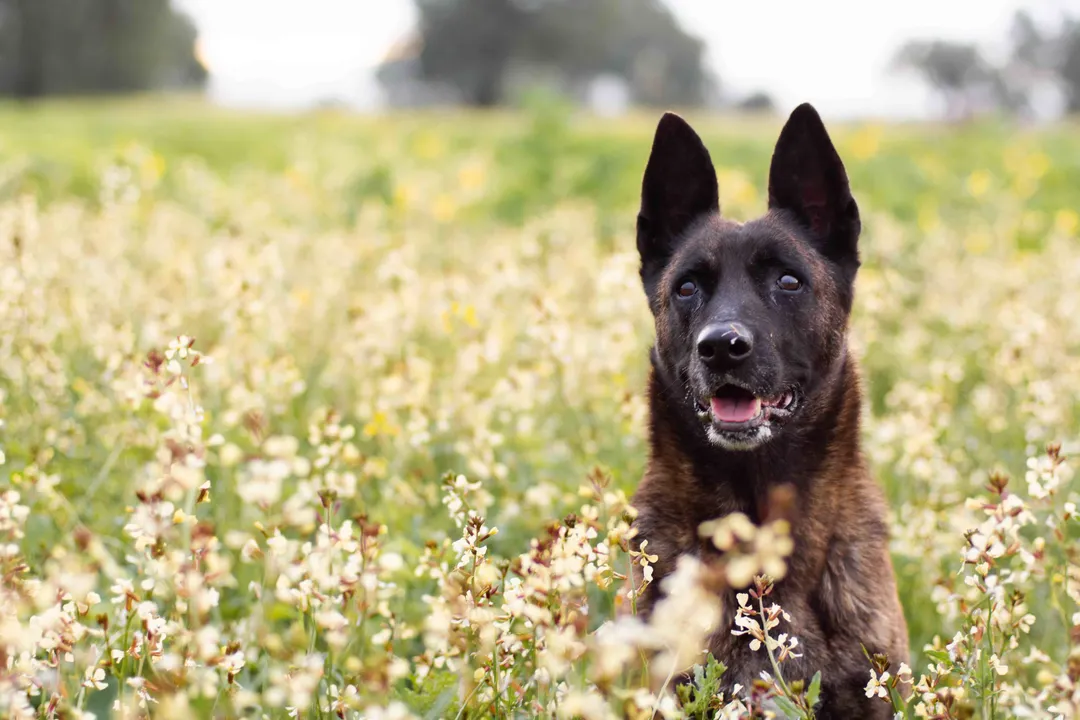
When discussing cuddliness, it’s important to distinguish between being physically close and being passively affectionate. A Dutch Shepherd is much more likely to lean heavily against your leg while you are standing, or sit right next to you on the couch with their head resting on your knee, rather than sprawling out entirely dependent on your physical attention for an extended period. [5] Their need to stay ready—to spring into action if a perceived threat or a training opportunity arises—is ingrained. [6] If you are considering one, you must view their physical presence as an invitation to connect, which often means a brief, intense moment of contact followed by a desire to return to activity. [3] Some people perceive this close, intense presence as a form of deep connection, even if it doesn't look like a typical Golden Retriever sprawl on your feet. The energy level dictates the duration of the snuggle.
If you observe your Dutch Shepherd constantly nudging your hand or placing a paw on you while you are engaged in a quiet task, it is worth analyzing the intent behind that contact. Is it a pure demand for petting, or is it a subtle request to switch gears—a misplaced herding instinct prompting you to move or do something? Often, this seemingly affectionate gesture is the dog communicating, "I am present, now let us engage in a recognized activity." A dog whose mental cup is full from appropriate work will be far more likely to settle into a contented, sleepy physical contact when the day is done. [3][9]
# Activity Needs
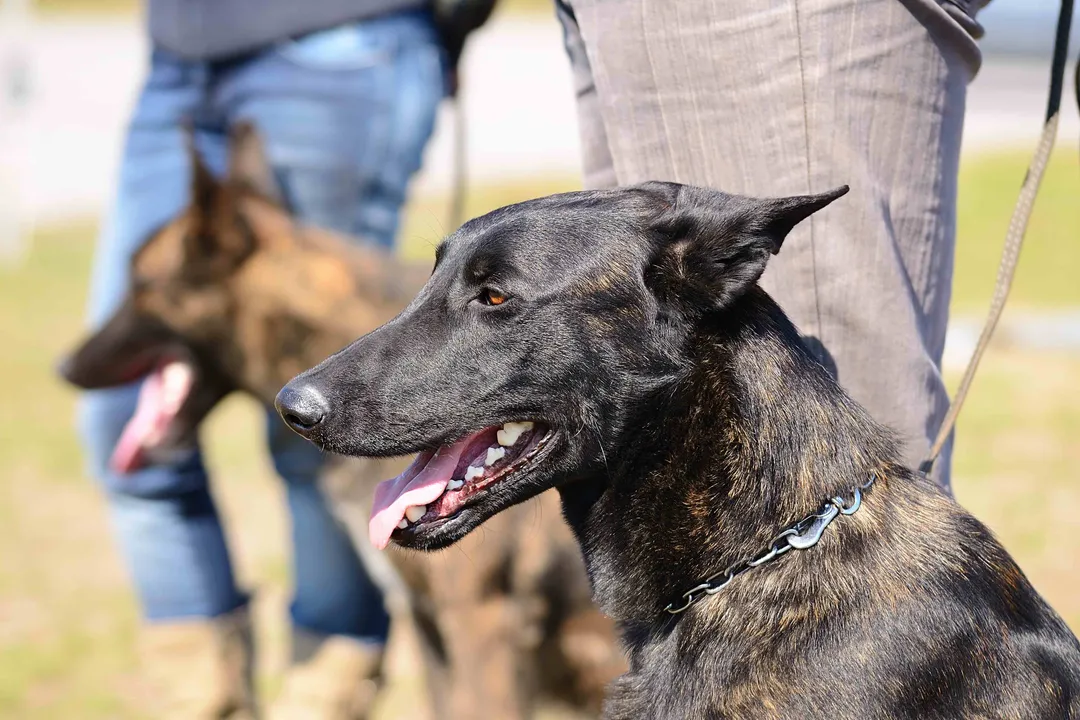
The primary barrier to consistent lap-time with a Dutch Shepherd is their staggering need for mental and physical stimulation. [3][6] These dogs thrive when given a "job," whether that is advanced obedience, dog sports like agility, or structured daily exercise. [3][9] When these needs are neglected, the energy doesn't disappear; it manifests as restlessness, destructive behavior, or incessant seeking of attention—which might look like neediness, but is actually boredom speaking loudly. [9] A dog that is under-exercised or mentally unstimulated will rarely choose to settle down for a long, quiet cuddle session because their brain is still running a high-speed simulation of their duties. [3] Therefore, the pathway to more cuddles involves diligently meeting their working requirements first.
I’ve noticed that owners who successfully integrate a Dutch Shepherd into a less demanding household often create a highly structured schedule that mimics their historical tasks. For example, instead of just a walk, they might incorporate a ten-minute session of scent work hidden around the house before settling down for the evening. If you chart the hours dedicated to focused activity versus the hours spent resting or engaging in low-level companionship, you might find that a healthy, well-adjusted Dutch Shepherd should have a ratio that favors activity—perhaps a 1.5:1 or 2:1 ratio of engaged time to downtime. If your dog is consistently restless when you attempt quiet time, it’s a strong signal that the work quota has not been met that day, and the resulting physical contact will be brief and tentative, rather than deep and relaxed. [3]

# Training Affection
For owners hoping for a more conventionally affectionate companion, early socialization and consistent reinforcement are key. [8] While you cannot train away their natural working drive, you can certainly shape how they express their loyalty and affection. [3] Rewarding calm, quiet proximity—where the dog chooses to lie next to you without demanding active engagement—helps teach them that relaxation near you is also a positive state. They are highly responsive to positive reinforcement. [3] If they settle beside you after a good training session, a quiet word of praise and a slow, deliberate ear scratch (if they enjoy that) reinforces the behavior you want to see more of.
# Final Verdict
Are Dutch Shepherds cuddly? They are deeply devoted and form incredibly strong attachments with their families. [4][8] This devotion translates into a profound desire to be close to their people, which manifests as leaning, shadowing, and resting nearby. [5][7] However, they are not built for passive, endless lap-sitting in the way some other breeds are; their instinct is to be alert and ready. [6][9] A Dutch Shepherd’s capacity for quiet, physical closeness is earned through fulfilling their tremendous requirements for mental exercise and physical engagement. When their working needs are respected, the resulting calm companionship can be one of the most rewarding connections a dog owner can experience, even if that connection is expressed as a heavy, watchful presence rather than a mushy cuddle pile. [3][7]
Related Questions
#Citations
[Breeds] What do you think of Dutch Shepherds? : r/dogs - Reddit
do dutch shepherds like to cuddle?? include pics if you want
Dutch Shepherd: Dog Breed Characteristics & Care - The Spruce Pets
Dutch Shepherd Dog Breed Health and Care | PetMD
Cuddling - Dutch Shepherd Forum
32 things to know about Dutch shepherd dogs - Yahoo
Understanding Dutch Shepherd Temperament: What Makes This ...
Dutch Shepherd Dog Breed Guide: Rare, Talented, and Loyal
Dutch Shepherd - Dog Breed Information - American Kennel Club