Wolffish Diet
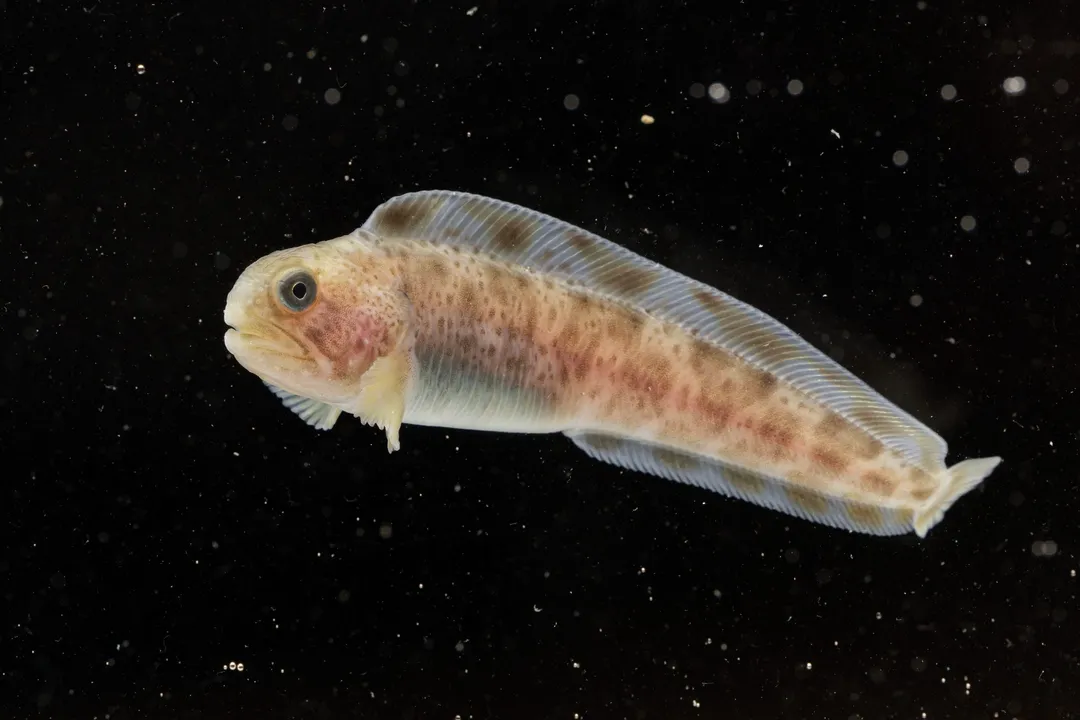
The feeding habits of wolffish present a fascinating study in marine adaptation, bridging the gap between specialized oceanic predators and the requirements of captive care. Whether we observe the Atlantic Wolffish (Anarhichas lupus) navigating the cold, rocky bottoms of the North Atlantic or keepers managing their Spotted Wolffish counterparts in aquariums, the central theme remains the same: a diet built around formidable crushing power. Understanding what these powerful fish consume naturally illuminates the best practices for keeping them healthy outside their native environment.
# Ocean Ecology
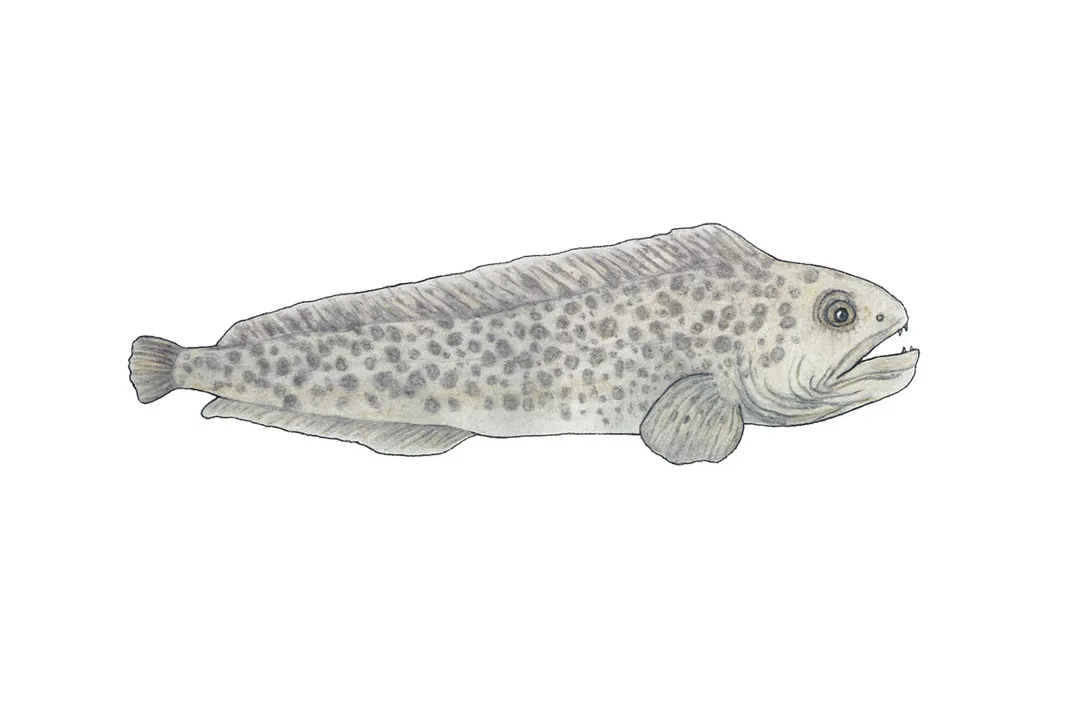
In their natural benthic environments, wolffish are fundamentally carnivorous, specializing in prey that other fish might struggle to handle. The primary components of the wild diet across various species are slow-moving, hard-shelled invertebrates found on or near the seabed. For the Atlantic Wolffish, scientific examination of stomach contents confirms that mollusks, such as clams and mussels, and various species of sea urchins and crabs form the bulk of their sustenance. They are not overly selective when a high-calorie, hard-shelled meal presents itself, making them effective benthic scavengers and predators.
This dependence on shelled organisms places the wolffish squarely within the group of specialized durophages—animals adapted to eating hard-bodied prey. This ecological niche means that local ocean health is intrinsically tied to the presence of these calcified invertebrates. For instance, the Atlantic Wolffish has been recognized on the Slow Food Ark of Taste, which often highlights species whose traditional harvest or ecological role is under threat, suggesting that their food web stability is a matter of regional concern. While crustaceans like crabs are frequently on the menu, the presence of echinoderms (sea urchins) is particularly telling, as these animals require significant force to breach their defenses.
# Crushing Teeth
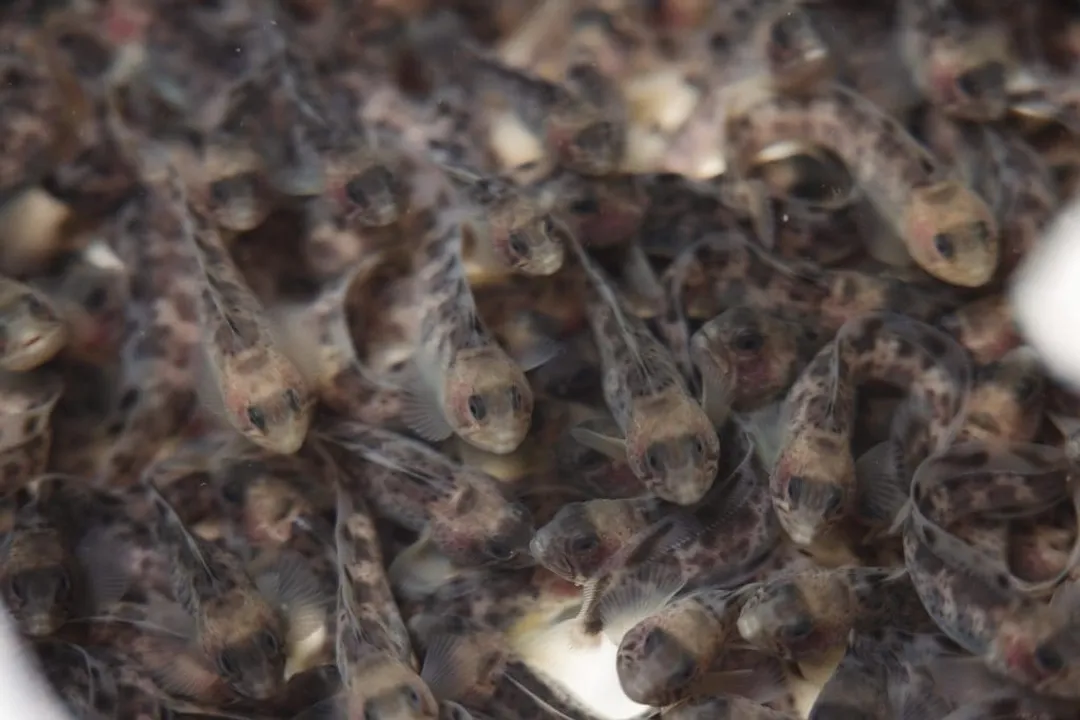
The physical architecture of the wolffish mouth is the most direct evidence of its diet. These fish are equipped with an imposing dental arrangement unlike many other teleosts. They possess large, canine-like teeth at the front of their jaws, ideal for gripping and tearing, but the real tools are the massive, molar-like teeth situated toward the back. These blunt, powerful teeth function essentially as built-in nutcrackers or stone mills, allowing the fish to exert substantial pressure to shatter the exoskeletons of crabs or the shells of bivalves.
It is worth noting that the structure of the jaws and the resulting crushing ability dictate the availability of food in the wild. If a local population of sea urchins is depleted, the fish must rely more heavily on whatever other hard-shelled items are available, or move to new ground. The Spotted Wolffish, for example, shares this adaptation, preying on crustaceans and other bottom-dwelling creatures. This intense specialization suggests that any captive diet lacking textural complexity or firmness risks failing to fully engage the fish’s natural feeding instincts and physical capabilities.
# Keeper Provisioning
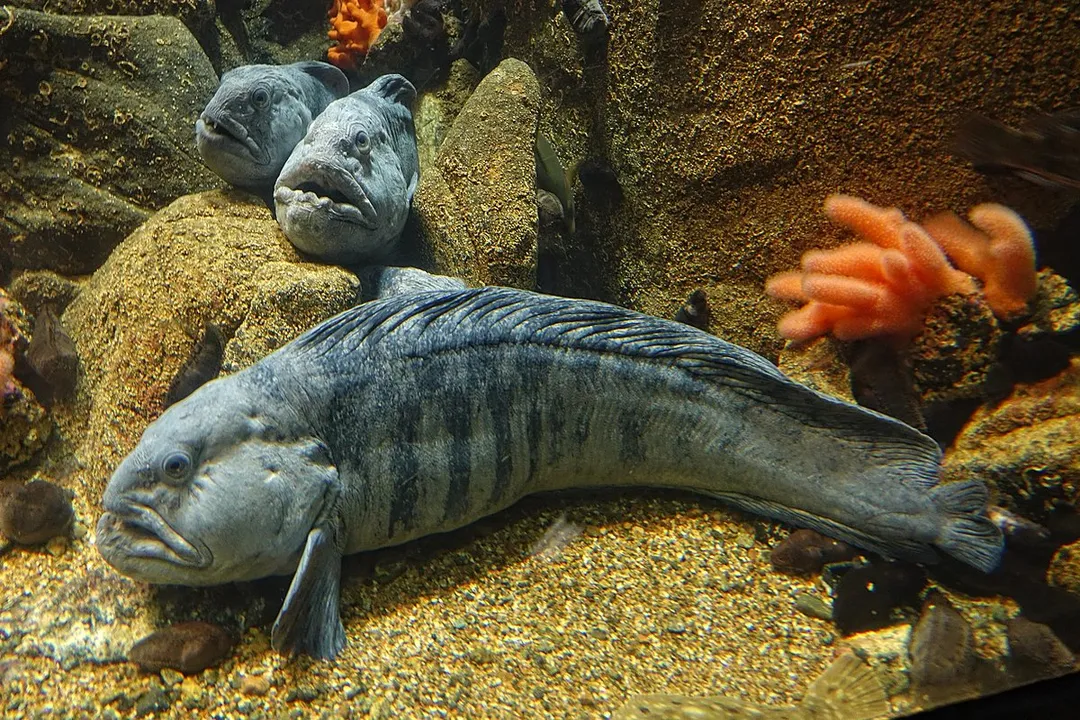
Moving from the deep sea to the aquarium environment, the diet needs to mimic the nutritional profile and, ideally, the physical challenge of the wild diet. When keeping marine wolf fish, aquarists generally rely on a combination of frozen and thawed foods to provide the necessary variety and nutrients. A well-rounded captive diet should incorporate a mix of:
- Crustaceans: Whole shrimp (thawed) or crab parts.
- Mollusks: Mussels (in the shell), clams, or scallops. Providing items in the shell is key to satisfying their natural foraging and crushing drives.
- Fish: Smaller, oily fish like smelt or small herring, often fed thawed in pieces.
One fascinating element in the aquarium context is the comparison between providing whole, shelled food versus readily consumable, soft tissue. While feeding only thawed, de-shelled clam meat is convenient, it bypasses the dental workout that defines the species. A thoughtful keeper might alternate between easily digestible portions and whole, hard-shelled items, perhaps using a specialized feeding tool or placing the shelled item on a rock for the fish to work on, ensuring their powerful jaws remain engaged without overwhelming the tank filtration system with uneaten shell fragments. This careful integration of whole prey items is a practical bridge between the natural ecology and the confined space of a tank.
# Meal Frequency
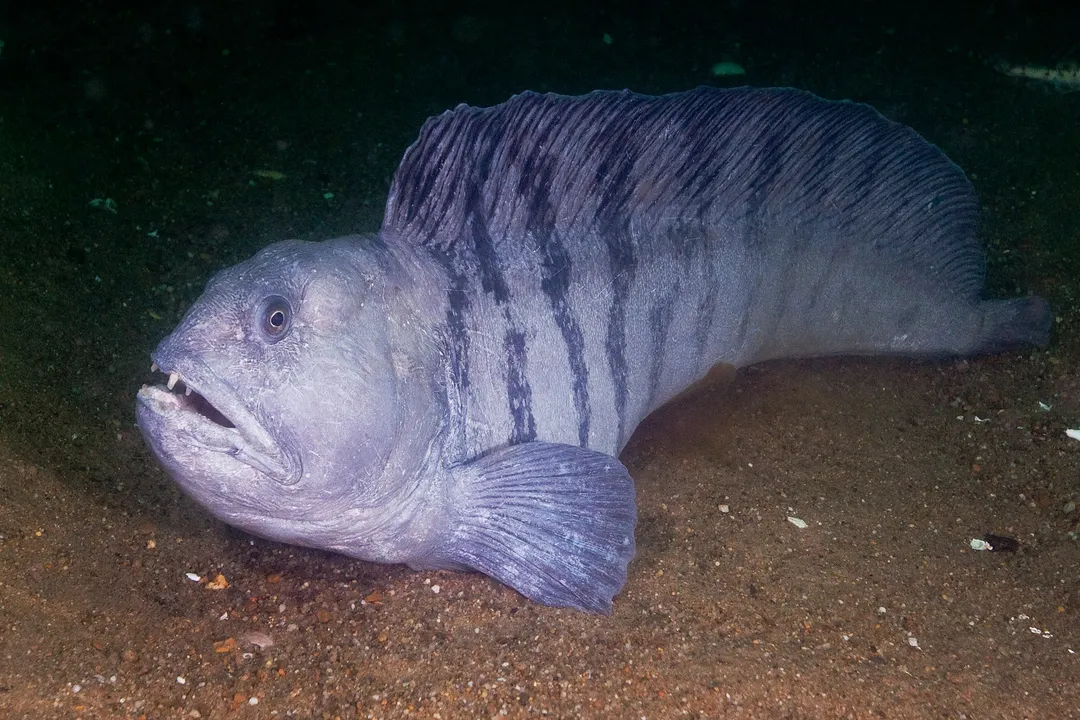
The question of how often to feed a large, predatory fish like a wolffish often generates differing opinions among experienced keepers, likely because growth stage and individual metabolism play a significant role. Some general advice suggests that adult, larger specimens do not require daily feedings; instead, feeding every other day, or perhaps even only two to three times per week depending on the size and richness of the meal, can be appropriate. For juveniles or faster-growing specimens, a more frequent schedule, perhaps daily or every other day with smaller portions, might be necessary to support rapid development.
If a keeper offers a very large, dense meal—for instance, a whole large crab or a substantial piece of fish—it might take the fish several days to fully process and derive maximum nutritional benefit. This differs significantly from smaller, tropical community fish that consume small amounts several times a day. Monitoring the fish’s body condition and ensuring that uneaten, hard-shelled material is removed before it fouls the water is the practical indicator of whether the frequency or portion size is correct. A general guideline for many large, predatory marine fish leans towards less frequent but more substantial feedings, allowing for proper digestion and mimicking the cycles of large-prey consumption in the wild.
# Species Notes
While the general dietary profile—hard-shelled benthic invertebrates—applies broadly to the Anarhichas genus, slight differences exist between the species encountered by the public and researchers. The Atlantic Wolffish (A. lupus), often the subject of conservation focus due to its status in some regions, relies on its typical diet across its cold-water range. Meanwhile, the Spotted Wolffish (A. oculatus), which is sometimes featured in public aquariums like the Biodome, shares this foundation of consuming crustaceans and echinoderms.
In controlled aquarium environments, keepers often work with whatever species is available, and the dietary principles remain consistent: provide high-quality protein that reflects the need for tough materials. Whether it is the Atlantic or the Spotted variety, the message from both wild ecology and captive experience is that a diet composed entirely of soft, easily digestible food will not provide the necessary structural input for a fish engineered by evolution to crush stone-like prey. The difference between a thriving wolffish and one merely surviving often comes down to respecting its powerful, shell-breaking heritage in every meal offered.
Related Questions
#Citations
What to feed a marine wolf? - Framforum
Atlantic wolffish - Wikipedia
[PDF] Feeding Habits of Wolffishes (Anarhichas denticulatus, A. lupus, A ...
wolf fish diet and growth? | MonsterFishKeepers.com
Wolffish, Spotted - Santa Monica Seafood
Spotted wolffish | Space for life
Anyone how often to feed a wolf fish been feeding either 2 ... - Reddit
Sea Wonder: Atlantic Wolffish | National Marine Sanctuary Foundation
Atlantic Wolffish - Arca del Gusto - Slow Food Foundation