Why don't Chow Chows like to cuddle?
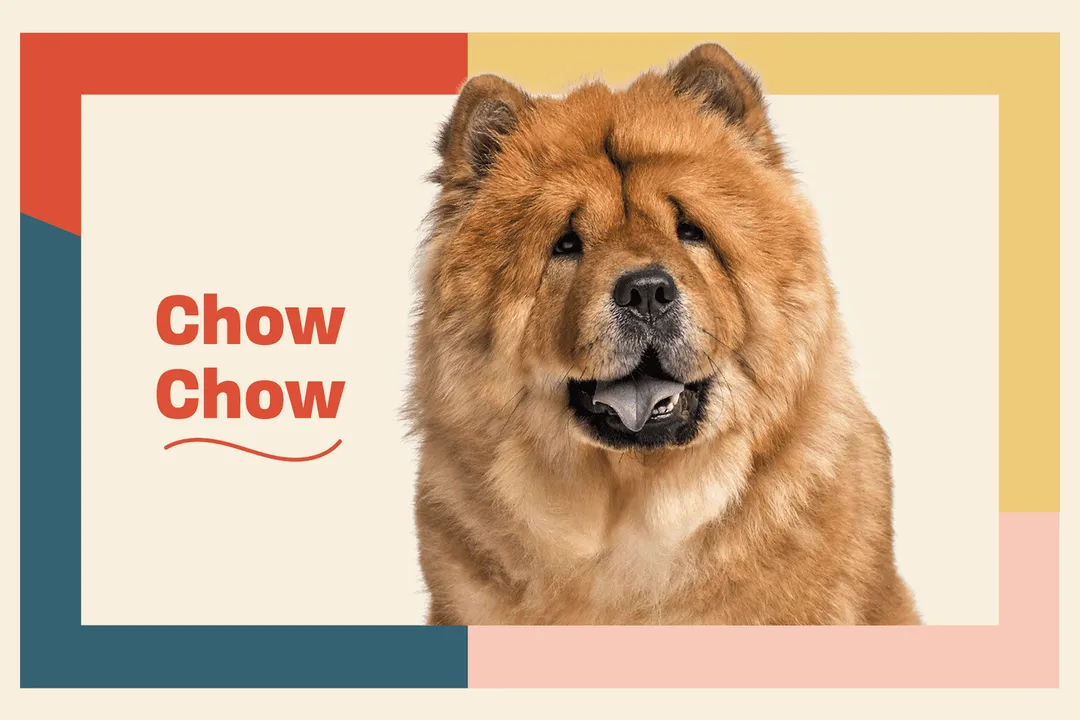
The idea that a fluffy, bear-like dog like the Chow Chow should naturally default to being a cuddly companion often leads to confusion for new owners. It is a frequent topic of discussion among those drawn to the breed’s majestic, lion-like appearance, only to find their new friend prefers a respectful distance over constant physical contact. [1][5] Understanding the Chow Chow’s inclination—or lack thereof—toward traditional cuddling requires looking past typical canine expectations and delving into the breed’s deep-seated history and temperament.
# Independent Spirit
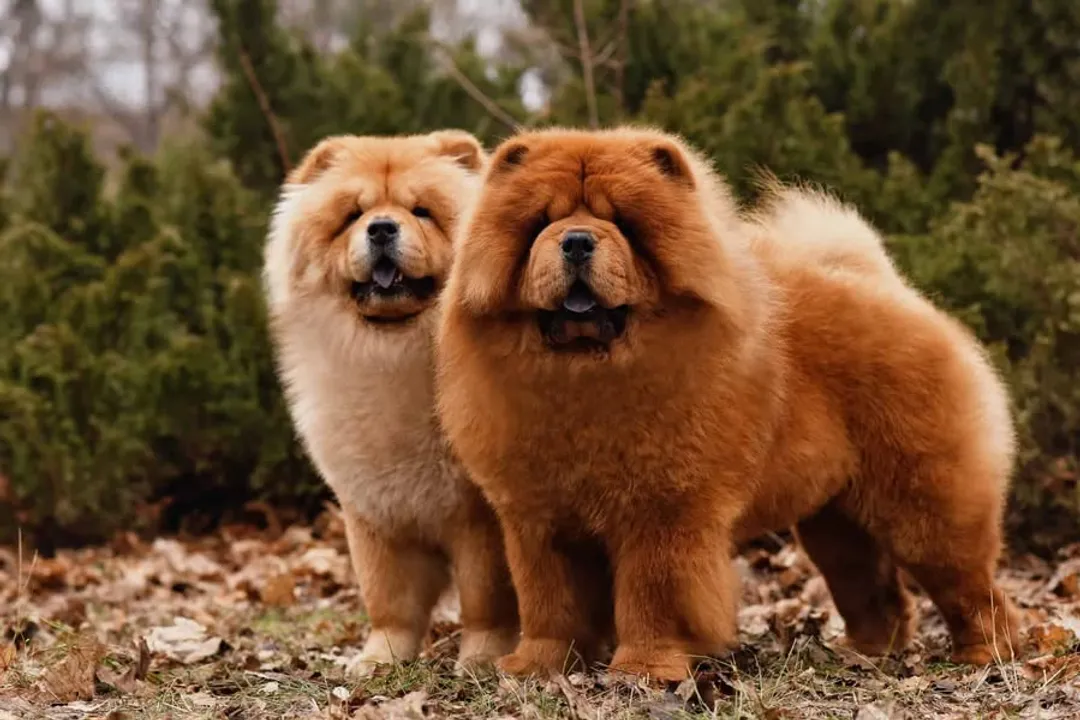
The most significant factor influencing a Chow Chow’s cuddle habits is its inherent independence. [3][5] This is not a breed selectively developed for enthusiastic human companionship in the way some modern breeds have been. Historically, Chows were versatile dogs used for guarding, hunting, and transportation in ancient China. [9] This background instilled a strong sense of self-reliance and a reserved nature. [3]
They often view themselves as equals rather than subordinates, which translates into a relationship built on mutual respect rather than dependency. [5] They possess a strong, almost cat-like dignity that discourages forced interaction. While they bond deeply, their affection is rarely expressed through demanding physical contact. [3]
# Defining Love
For many dog owners, affection is measured by proximity—a head in the lap, a full-body lean, or persistent pawing for attention. The Chow Chow often redefines this metric. [8]
Instead of direct, smothering contact, a Chow Chow often expresses deep devotion through ambient presence. [1] Think of it this way: a Chow might choose to nap quietly in the same room as you, rather than directly on top of you. They are often perfectly content sitting just out of arm’s reach, their presence a silent assurance of their loyalty. [4] This subtle closeness can be misinterpreted as aloofness, especially by those accustomed to more overtly affectionate breeds like Retrievers. [5]
Their preference is often centered around one primary person. Many owners note that while the dog may be polite or tolerable toward the wider family or guests, the real affection—the soft gaze or tolerance for a brief, restrained pet—is reserved almost exclusively for their chosen individual. [4][5]
Here is a simple comparison of common affection styles:
| Trait | Typical "Cuddly" Breed (e.g., Labrador) | Chow Chow Temperament |
|---|---|---|
| Proximity | Needs direct physical contact (touching, leaning) | Prefers to be near, acknowledging your presence |
| Initiation | Often initiates contact and physical play | Affection is usually initiated by the owner, or on their terms |
| Response to Strangers | Generally enthusiastic or friendly | Reserved, watchful, or indifferent |
| Ideal Resting Spot | On the couch/bed touching the owner | On the floor nearby, often watching the door |
# Physical Comfort
Another practical consideration that dictates cuddle tolerance is the Chow Chow’s distinctive physical makeup. They possess a dense double coat. [9] While magnificent, this thick insulation means they can overheat quite easily, even indoors. [5] A dog naturally sensitive to temperature regulation will instinctively resist being trapped under a warm human body for extended periods. If your Chow backs away from a long hug, it might not be a rejection of you, but a necessary attempt to regulate its body temperature. [5]
When interacting physically, observe their signals closely. If you notice them shifting frequently, panting slightly more than usual when being held, or if they seem restless when confined to your lap, it’s best to respect that boundary. They may appreciate a quick scratch behind the ears or a chest rub, but an extended session might simply be uncomfortable for them. [8]
# Guarding Instincts
The serious, often scowling expression that defines the breed is tied to its protective nature. [8] Chows were historically used as guardians, requiring them to be discerning about who they allowed into their personal space. [9]
This historical programming means they are naturally wary of strangers. While a friendly dog might enjoy a stranger petting them on the head, a Chow Chow often sees unsolicited touching by unfamiliar people as an intrusion or a potential threat assessment situation. This protective reserve often means they are less likely to accept random physical affection from anyone outside their immediate circle, which can give the impression of being generally unfriendly or standoffish. [8]

# Shaping Behavior
While the blueprint of the Chow Chow is independent, the final product—how much they do or do not tolerate physical affection—is heavily shaped by early experience. [3]
A puppy that is gently and positively introduced to handling, petting, and brief confinement from a young age is generally more accepting of these interactions later in life, even if they never become true lap dogs. [3] If early socialization is missed, they may become even more resistant to unwanted physical interaction as adults. [5] Training focused on positive reinforcement, rather than dominance or physical correction, helps build the necessary trust for moments of closeness when they do occur. [3]
It is important to never force a cuddle session. Forcing physical contact on a reserved breed can erode the trust that is the foundation of your bond. [5] If your Chow leans against your leg while you are standing, that is an achievement; if they sit beside you while you watch television, that is a gift of their time and presence. [1] Accepting their preferred method of showing love—whether it’s a slow blink, a quiet presence, or an occasional head nudge—is key to appreciating this unique and loyal companion.
Related Questions
#Citations
Do Chowchows hate cuddles? - Reddit
Do Chow Chows like to cuddle and sleep with their owners?
Why Does My Chow Chow Act Like She Hates Me? Unraveling the ...
Un-Affectionate - ChowChow.org
How did you raise your chowchow? Are they clingy/affectionate with ...
Why don't Chow Chows like to cuddle? - PetsCare.com
Chow Chow Dog Breed Information & Characteristics - Daily Paws
Chow Chows Demystified: Unravelling the Serious Fluffy Breed - Vetic