Why do Bullmastiffs not bark?

The question of why Bullmastiffs seem to avoid barking is common among new owners, especially those accustomed to breeds that vocalize readily. These magnificent dogs, known for their imposing size and steadfast loyalty, often live up to their "silent guardian" reputation, using presence over noise as their primary deterrent. However, understanding this silence requires looking deep into their history and the specific nature of their protective role, which fundamentally differs from that of a typical watchdog that barks at every passing shadow.
# Guardian Silence
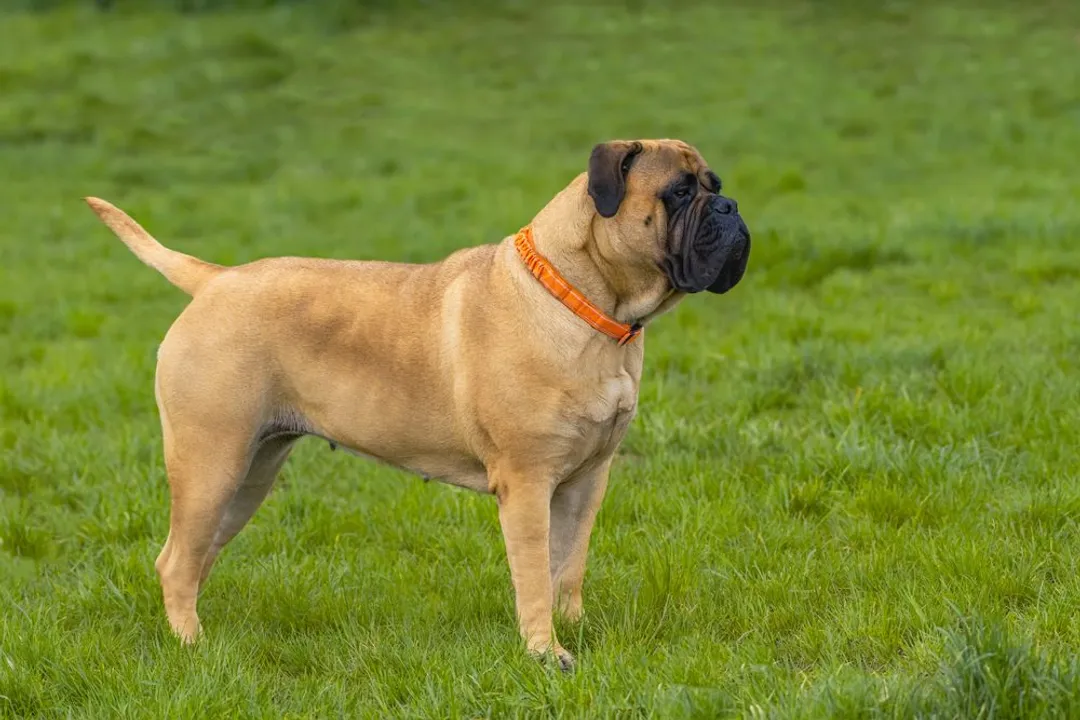
The perception that Bullmastiffs do not bark is rooted in their specific historical mandate. They were not bred to be noisy alarms; rather, they were created in 19th-century England by gamekeepers who needed a capable, imposing dog to protect large estates from poachers. The cross between the Bulldog and the Mastiff resulted in a dog that was both powerful enough to stop a man and fast enough to pursue one. Crucially, barking alerts a poacher to their presence, which defeats the purpose of a surprise apprehension.
The original work demanded a dog that could track, corner, and hold down an intruder without giving away the element of surprise until the guardian was in position. This operational requirement favored dogs who were silent until the confrontation was unavoidable. In modern terms, this translates into a dog that often relies on sheer size and a focused, unwavering stare to manage unwanted attention, making their relative quietness a functional trait, not a deficiency. They possess the strength to quietly apprehend trespassers, often only barking once they have secured the subject to alert the owner that action has been taken.
# Temperament Contrast

The Bullmastiff’s communication style is a fascinating dichotomy between intense devotion to their family and cautious reserve toward outsiders. They are widely characterized as brave, loyal, affectionate, and generally relaxed companions within their known circle. These dogs form deep bonds and can be incredibly loving, often content to simply be near their owners, even demanding cuddles. This affectionate side is powerful; they are often better suited as "lap dogs" than as incessant alarm systems when the situation is benign.
However, this calm demeanor is layered over a bedrock of protective instinct. If a Bullmastiff perceives a genuine threat to its people, that relaxed posture vanishes. Owners have observed that the dog becomes instantly alert and may switch into "full watch dog mode" when the vibe of a situation feels wrong or if their family is threatened. This ability to seamlessly transition from a resting giant to an active protector is what makes them effective, but it means owners will not get the continuous, high-decibel feedback loop provided by more vocal breeds. Their loyalty is centered on people, not property; they might ignore a burglar entering an empty house but will react instantly if a loved one is confronted.

# Vocal Nuance
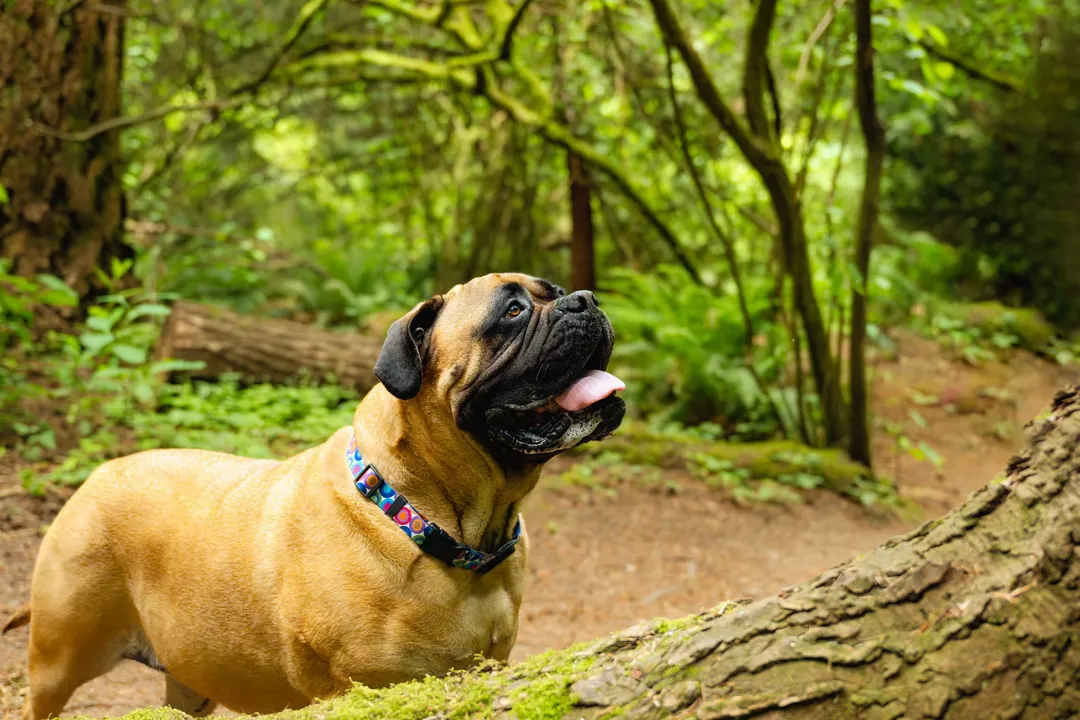
While they are quiet compared to many counterparts, stating they never bark is an oversimplification. Owners frequently note that their Bullmastiffs do, in fact, make noise, just selectively. One experienced owner characterized this selective vocalization as a distinct "BOOF" rather than a frantic yapping or continuous alarm. This deep, booming sound, which one owner noted echoes through the trees, serves as a powerful warning system without the incessant noise that can plague other guard breeds.
The breed is also intelligent enough to read situations, which affects their vocal output. They are smart when it comes to assessing emotional states and potential threats. This discernment means a regular delivery person or a known visitor often elicits nothing more than a brief investigation—a sniff around—before they return to their resting state. If a dog is barking constantly, it might be displaying nervousness or a lack of confidence rather than true protective instinct.
# Maturity and Confidence
A significant factor influencing the perceived quietness of a Bullmastiff is its developmental timeline. Unlike some breeds that establish their adult role early, the inherent protective instinct in a Bullmastiff can be a slow burn. Some owners report that their dog only began acting as a true watchdog around two years of age, moving past initial skittishness or aloofness that manifests as fear or distance-keeping when young. A puppy at seven months might weigh 80 pounds but still be timid around new guests.
This slow maturation means that confidence is key to their performance. A dog must first feel supremely confident in its environment and its bond with its owner before it can effectively project the necessary authority to deter a threat. Providing a stable, consistent environment—one where training is established early—is essential for building this necessary self-assurance. If the dog is constantly unsure, its reaction to strangers might present as fear rather than decisive action. If you are seeking the traditional guardian, you must be prepared to wait, sometimes patiently, for that confidence to fully click into place, which is when the selective alert system truly sharpens.

# Owner Expectations Reality
The reality of Bullmastiff ownership involves accepting that you have acquired a partner who thinks independently and acts when they deem it necessary, not when a schedule dictates. Many new owners seeking protection are surprised when their massive dog is overly friendly to everyone. While early and consistent socialization is paramount to ensure they are not aggressive or fearful, owners seeking an immediate, vocal "alarm system" might be disappointed. If the dog is too friendly, it might be happy to let a visitor in just for attention, a trait some owners consider a blessing rather than a failure of their protective role.
For owners wanting to nurture that inherent protective drive without encouraging neurotic or anxious barking, a particular approach to training is beneficial. Instead of trying to make the dog territorial—a trait that can lead to undesirable aggression if mismanaged—focus on reinforcing strong obedience paired with controlled exposure. For example, practice high-value commands like "Stay" or "Watch" when someone known approaches your property line, rewarding the dog for remaining calm but focused while you give the final release command. This method channels their natural alertness into a behavior that serves the owner, reinforcing that you assess the threat level, not that the dog must sound off arbitrarily. This method respects their historical role—to guard the watchman—by keeping the dog's actions aligned with the owner's direction.
Furthermore, considering the sheer size and potential for accidental knocking over of children or guests, a dog that chooses silence until a real crisis is often preferable to one that is overly reactive to normal stimuli. The low level of constant noise, combined with the dog's sheer intimidating appearance, often provides excellent deterrence without the drawbacks of chronic noise complaints. The Bullmastiff’s bark, when it comes, is reserved for moments that truly matter, making that deep sound an indicator of genuine concern rather than mere excitability.
#Videos
How Much Do BULLMASTIFF BARK? - YouTube
Related Questions
#Citations
Question : r/Bullmastiff - Reddit
How Much Do BULLMASTIFF BARK? - YouTube
Bullmastiff temperament: a dog personality guide - PetScreening
Bullmastiff habits? - Champdogs Forum
Bullmastiff Dog Breed Health and Care - PetMD
Bullmastiff: Your Complete Guide - Dog Academy