Why was the Fila Brasileiro banned?
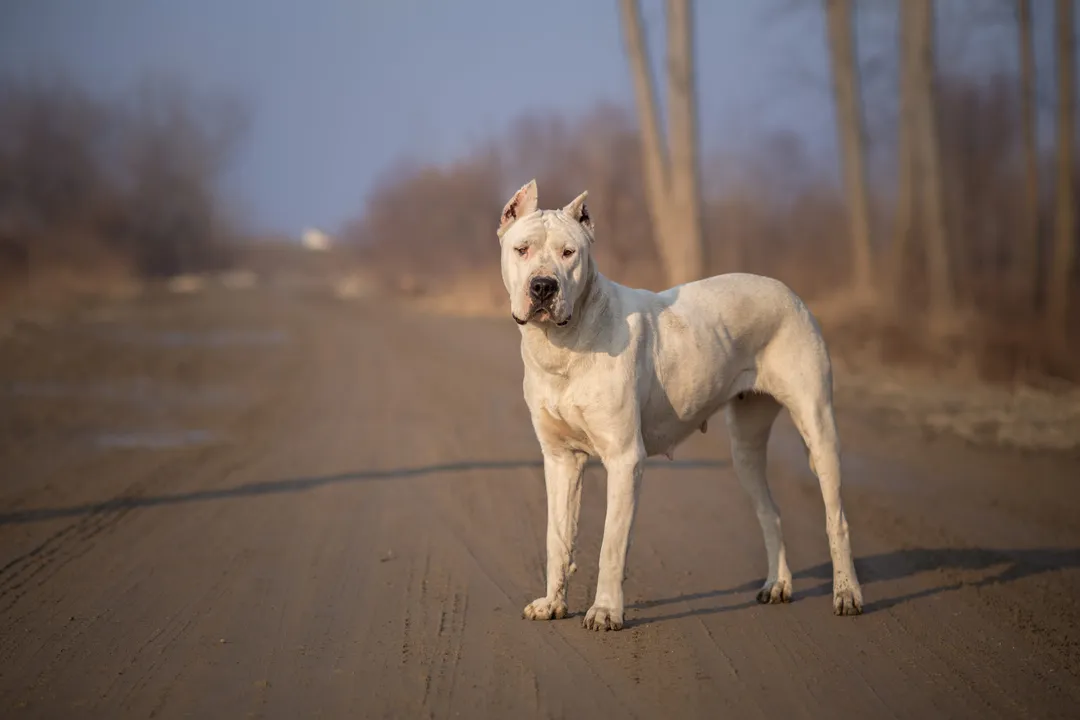
The restriction or outright ban of the Fila Brasileiro in certain countries stems from a complex combination of its historical function, inherent temperament traits, and the legislative response to perceived public risk. [1][10] This powerful Brazilian breed was developed for specific, demanding tasks, which in turn shaped the characteristics that led regulatory bodies to classify it as a high-liability animal in domestic settings. [2]
# Origin History

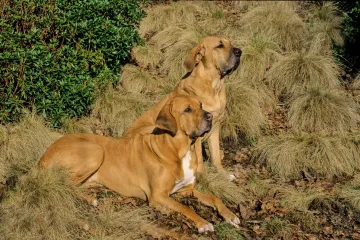
The Fila Brasileiro, often simply called the Fila, was originally bred in Brazil for tracking and confronting large game, such as jaguars and wild boar. [2] This working history is fundamental to understanding the breed today. They were required to possess exceptional courage, strength, and tenacity to hold dangerous prey until the hunter arrived. [2] This necessary trait is often described by the Portuguese term ojeriza, which implies an intense, inherent aversion or distrust toward strangers. [2]
Unlike some breeds whose aggression is primarily defensive or easily managed, the Fila’s drive was purposefully cultivated for confronting formidable opponents. [2] This historical specialization means that, even in well-bred and socialized lines, there remains a deep-seated instinct to guard and to be highly suspicious of unfamiliar people or animals entering their territory. [2] It is this intense protective nature, more so than a predisposition for unprovoked attacks, that has drawn the attention of lawmakers globally. [10]
# Global Status
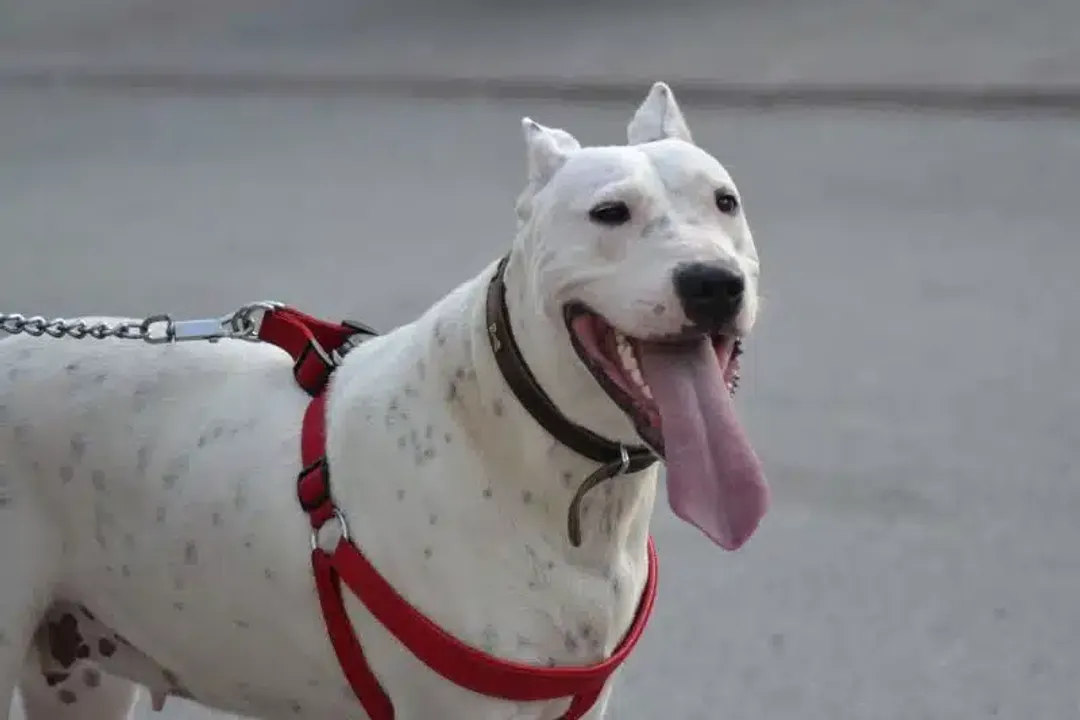
The Fila Brasileiro appears on lists of prohibited dog breeds in several nations, often alongside breeds like the Japanese Tosa Inu and the Dogo Argentino. [4][5] In the United Kingdom, for instance, the Fila falls under the Dangerous Dogs Act 1991, which bans four specific types of dogs. [4][9] While the UK ban targets Pit Bull Terriers, Japanese Tosa, Dogo Argentino, and Fila Brasileiro, the common thread among these breeds is their historical use in fighting or their powerful guarding/hunting capabilities. [1][9] The legislation in the UK generally prohibits the breeding, selling, exchanging, or abandoning of these specific breeds. [1][10]
Australia also maintains strict regulations regarding the Fila. In many Australian states, the breed is explicitly listed as a prohibited dog, meaning importation is generally forbidden, and existing owners often face stringent containment requirements or require specific permits to keep them. [5] These bans are a direct response to concerns about the breed’s guarding instincts and potential for serious harm if not meticulously managed. [5]
It is worth noting that in some jurisdictions, the legislative focus appears to be on the type of dog rather than solely on the specific breed name. For example, the UK legislation pertaining to these banned breeds often centres on a physical description that must be met for a dog to fall under the law, which introduces complexity for mixed breeds or dogs that visually resemble the banned types. [10] In an interesting parallel, one source notes that the English Mastiff is sometimes considered a legal counterpart in the UK, suggesting that even within the mastiff category, specific lines or inherent temperaments separate the banned Fila from its permitted relatives. [3]
# Law Rationale

The core reasoning behind banning the Fila Brasileiro boils down to public safety and the ojeriza trait mentioned earlier. [2][10] Legislators in countries like the UK and Australia have concluded that the breed's inherent guarding instinct and physical power create an unacceptable level of risk when the dog is integrated into general society. [1][5]
The decision to ban an entire breed, rather than regulating ownership through licensing or muzzling requirements (though some jurisdictions use those methods too), suggests a governmental belief that the potential for severe, unpredictable incidents outweighs the benefits of allowing responsible private ownership. [10] When a dog is bred to hold down large game, its bite inhibition towards a perceived threat—even if that threat is a stranger approaching a property line—may be fundamentally different from breeds developed primarily for companionship or herding. [2] This intensity of guarding drive is a distinguishing factor that moves the breed into the category of dangerous dog legislation. [10]
# Breed Grouping

When examining breed-specific legislation, seeing the Fila grouped with the Dogo Argentino and the Tosa Inu is very common. [4][5] This grouping is not accidental; it reflects a legislative classification based on shared historical working roles that involve aggression toward large animals or fighting. [4] The Tosa was developed in Japan for dog fighting, and the Dogo Argentino was bred to hunt dangerous game like wild boar. [4][5] By linking these powerful breeds, regulators create a clear category of dogs that possess extreme physical capabilities coupled with specialized predatory or guarding instincts. [9]
This comparative approach is an attempt by lawmakers to address specific behavioral syndromes related to power and intent, rather than just generalized aggression, which can be found in any breed. [10] For instance, while a standard Labrador might bite defensively, the Fila’s ojeriza suggests a proactive, powerful response to perceived intrusion that requires far stricter control mechanisms than most breeds. [2]
A useful comparison for general readers is to look at the required management level. While a herding breed might require intense mental stimulation to prevent boredom-driven nuisance behaviors, a guardian breed like the Fila requires intense management of its social interactions to prevent high-stakes physical altercations when encountering strangers. [1] This shift in focus from managing mental energy to managing inherent suspicion is why breed-specific bans often target the Fila.

# Legal Impact
For individuals living in areas where the Fila Brasileiro is not banned, the international regulatory landscape serves as a significant cautionary tale regarding ownership responsibility. Owning a breed that has faced global prohibition demands a commitment that goes far beyond standard training protocols. [10]
When a breed possesses known, strong guarding instincts, owners must accept that generalized obedience training, while necessary, is insufficient for public safety. [2] A truly responsible owner in a non-banned area must proactively seek out socialization and environmental exposure that specifically counters the breed’s natural suspicion of strangers—a process that must often start very early and continue throughout the dog's life. This involves controlled, positive introductions to a massive variety of people, sounds, and situations to temper the inherent ojeriza without dulling the dog's necessary confidence. [2] Failure to do so substantially increases the risk that the dog will react aggressively to a perceived threat, thereby risking future legislative action against the breed in that locality.
The legal status also creates practical hurdles for owners of these dogs, even where they are permitted. Traveling internationally with a Fila is extremely difficult, if not impossible, due to the restrictions in numerous countries, which limits mobility for owners who may otherwise be compliant with local laws. [9] This international aversion creates a de facto barrier to ownership for those who travel or move frequently. The sheer paperwork and liability insurance often required in areas where they are permitted further illustrate the elevated status of responsibility placed upon the owner by default. [1]
Related Questions
#Citations
Banned Dog Breeds and Why They Are Banned
Fila Brasileiro
The Banned Fila Brasileiro and Its Legal UK Counterpart
In 1991, the UK banned these four breeds of dogs due to ...
Why are the Japanese Tosa, Dogo Argentino and Fila ...
Banned Dogs in Australia | From Pit Bulls to Japanese Tosa
Banned breed post - I am curious Hello my fellow mad ...
Why the Japanese Tosa, dogo Argentino and fila Brasileiro ...
Banned Dog Breeds Around the World | Blog
Why Are Some Dogs Banned in the UK?