What is the temperament of the Bismarck ringed python?
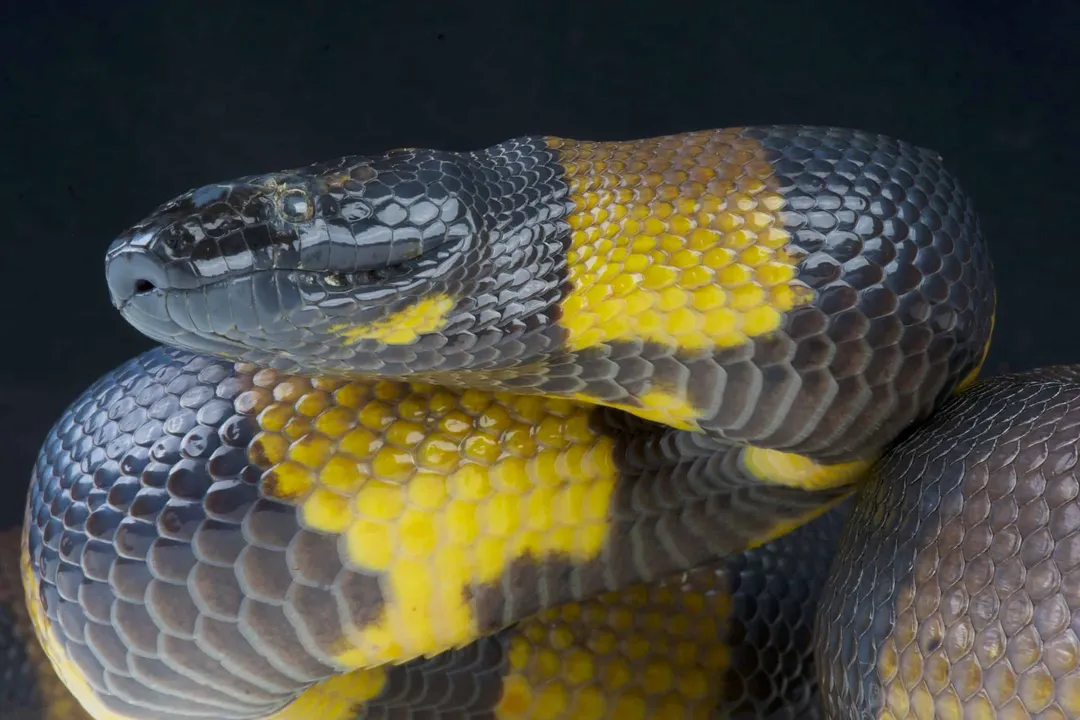
The Bismarck Ringed Python, with its striking visual transformation from a bright orange and black juvenile to a subdued, iridescent adult, naturally draws attention from reptile enthusiasts. Yet, what truly defines this species for a keeper is not just its appearance, but its unique temperament, a complex mix of shyness, activity, and a very pronounced feeding drive that places it outside the realm of beginner snake ownership. Successfully keeping Bothrochilus boa means understanding that their disposition is fundamentally different from the typically placid, sluggish pythons many keepers are accustomed to.
# Inherent Activity

A key characteristic setting the Bismarck Ringed Python apart is its high level of activity. Unlike some python species that can be relatively sedentary, keepers often describe the Bismarck Ringed Python’s behavior as more closely resembling that of a colubrid snake. This species is not known for being lethargic or slow-moving; rather, they are active foragers. Native to the dense, humid environments of the Bismarck Archipelago, they are primarily nocturnal, meaning their most active periods for foraging occur around dawn, dusk, or deep into the night. They are adapted to seeking out prey rather than waiting for it to pass by. This active nature is paired with a lifestyle that incorporates terrestrial movement and semi-fossorial tendencies, as they frequently burrow into leaf litter or coconut husks. This constant motion and inherent inquisitiveness suggest a snake that is perpetually engaged with its environment, which is a vital consideration when anticipating its behavior during interaction.
# Shyness Defensiveness
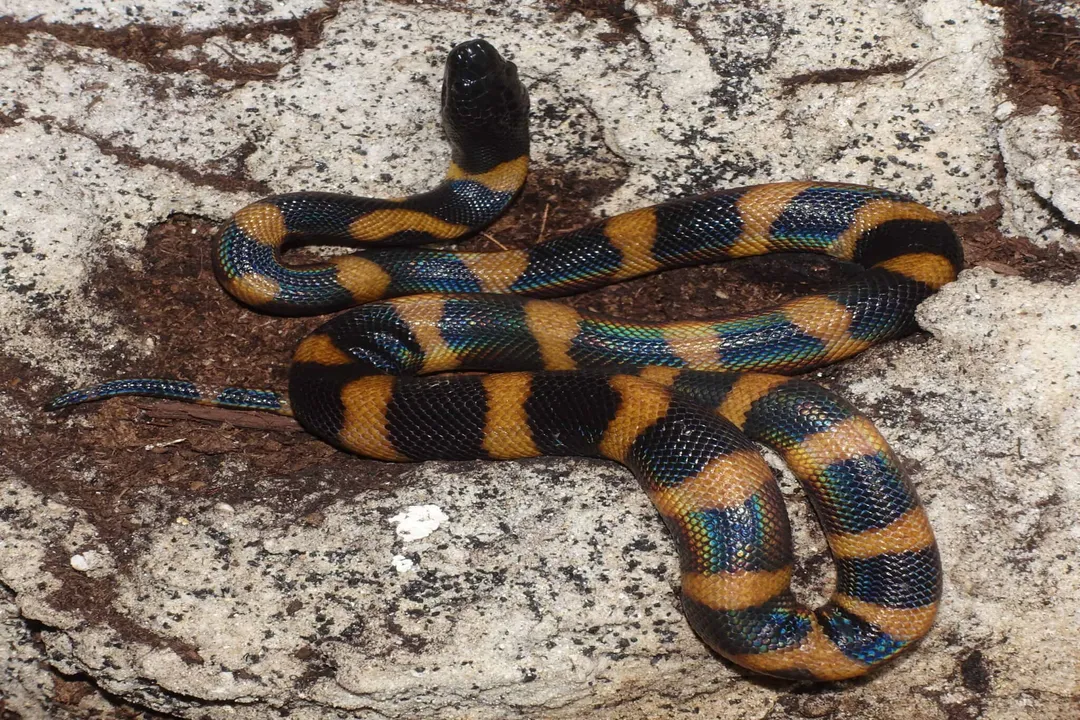
Despite their active nature when alert, Bismarck Ringed Pythons are generally recognized as a shy species. This trait is often most apparent in the hatchling and juvenile stages. When young, they can be easily startled and may exhibit strong defensive reactions if they feel threatened or cornered. These reactions might manifest as hissing, striking defensively, or even musking. This cage defensiveness is a crucial factor for intermediate keepers to manage; because they can be easily startled, sudden movements within or toward their enclosure can trigger a negative response. It is important to distinguish this defensive behavior from outright aggression; the defensiveness stems from timidity and a need for security, rather than innate malice. The consensus among experienced keepers is that while they might react poorly when initially disturbed, they possess the capacity to settle considerably with time and consistent, gentle interaction.

# Feeding Frenzy
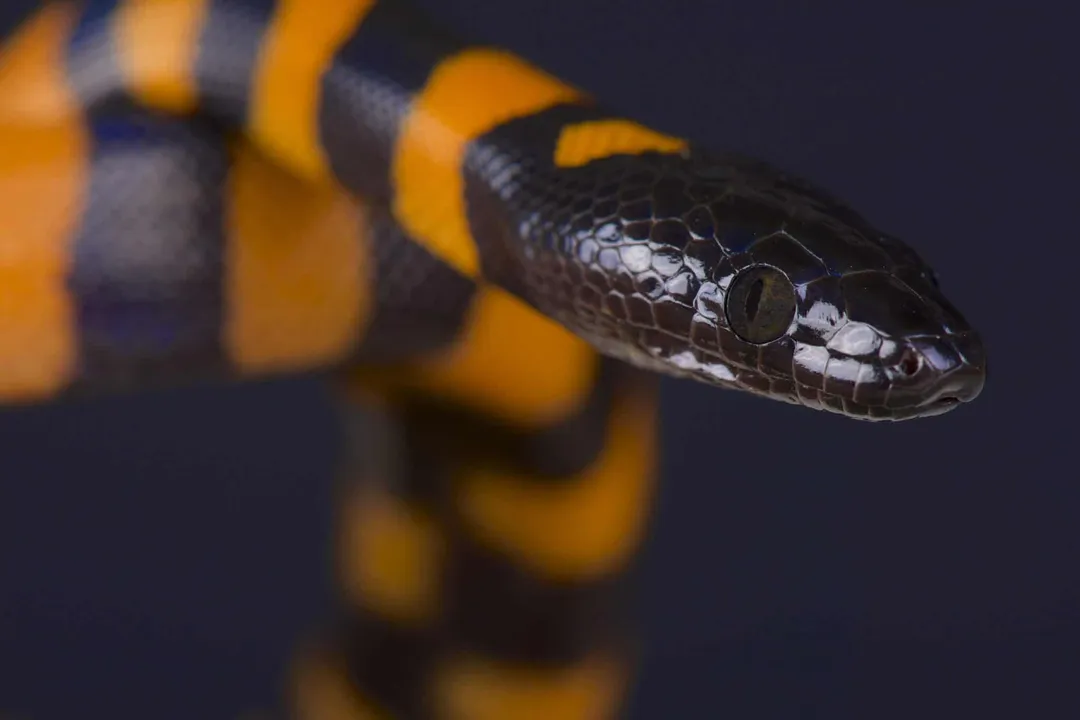
Perhaps the most frequently cited behavioral trait influencing keeper safety is the Bismarck Ringed Python’s extremely potent feeding response. They are known to have a voracious appetite and often will rarely refuse a meal once feeding has started. This intense focus on food, combined with their nocturnal hunting instincts, creates a significant management hurdle during enclosure cleaning or routine handling procedures. They are so focused that keepers must take extra precautions to signal that it is not feeding time to prevent an accidental bite triggered by instinctual misidentification of a hand for prey. The danger here is not necessarily an aggressive bite, but a feeding-related incident where the snake lashes out toward movement or stimulus associated with food presentation. It is better to offer multiple smaller prey items than one large one, due to the snake’s relatively small head size, which further emphasizes the speed and power of their feeding strike.
To navigate the challenges presented by their strong feeding response and inherent defensiveness, it is helpful to view the snake’s temperament as having two distinct phases based on context. The initial removal phase is when the snake is most defensive and mistake-prone. The handling phase begins once the snake is out and secure in the keeper’s grasp. In that second phase, they typically calm down quickly and tolerate handling sessions well, provided the keeper supports the majority of their body weight, allowing them to cruise freely through the hands rather than being restrained. Sudden grabs or quick movements post-removal can still elicit a defensive reaction, but the transition from shy to tolerant is often rapid for an established animal. Recognizing this split—defensive when feeling trapped or startled inside the enclosure, but generally calm once secure outside—allows keepers to approach interactions with appropriate caution and respect for their space.
# Keeper Expectations Activity Ratio
The experience level often cited for this species ranges from intermediate to advanced, primarily due to the high humidity requirements and that very strong feeding response. While some sources suggest an intermediate/moderate level, the underlying caveat remains: these snakes require a keeper who is attentive to detail and prepared for a more reactive species. A beginner may find the initial defensiveness and the necessity of using tools for removal overwhelming, especially when compared to breeds known for instant docility.
To better calibrate expectations for prospective keepers, it is useful to compare the Bismarck Ringed Python's proactive engagement index against more common, sedentary pythons. Sedentary pythons might be characterized by a low reactivity score, meaning they conserve energy, move little, and only react strongly when hungry or directly threatened. The Bismarck Ringed Python, by contrast, exhibits a higher proactive engagement index characterized by:
| Behavioral Trait | Sedentary Python Example (Low Index) | Bismarck Ringed Python (High Index) | Keeper Implication |
|---|---|---|---|
| Activity Level | Slow-moving, remains hidden | Active, foraging movements | Requires more environmental stimulation |
| Defensive Trigger | Usually only when cornered/handled roughly | Easily startled, cage-defensive | Tool-assisted removal is often necessary |
| Feeding Response | Predictable, slow investigation | Voracious, instinctual strike potential | Strict procedural safety required |
| Handling Demeanor | Prone to freezing/slowing down | Prone to moving/cruising freely | Requires full body support during handling |
This comparison highlights that the management effort is less about overcoming aggression and more about managing activity and instinct. The snake is simply more "on" than its more sluggish relatives. Success in keeping this species hinges on maintaining the precise environment—especially the high humidity—because husbandry issues can exacerbate any natural shyness or reluctance to feed. A stressed snake is always more likely to revert to defensive behaviors, making environmental stability the bedrock of a good temperament.
# Establishing Confidence
For keepers dedicated to working through the initial shyness, the payoff comes through patient, deliberate interaction. The recommendation to use a snake hook or similar object to gently nudge the snake before removal is a vital technique for safe, low-stress extraction from the enclosure. This preemptive action signals the snake that the interaction is initiated by the keeper, not a predator, which can significantly reduce the chances of a defensive reaction upon lifting. Once safely removed, the keeper must employ gentle motions, always supporting the bulk of the snake’s body to provide a feeling of security. Restraining the snake tightly is counterproductive and can trigger the defense mechanism to re-engage. By consistently providing secure support while allowing the snake to move across the hands, the keeper reinforces the idea that handling is a safe cruise, not a restraint or a prelude to danger, allowing the snake to settle into its more docile, active demeanor. Ultimately, the temperament of the Bismarck Ringed Python is not fixed; it is a dynamic state heavily influenced by the keeper's experience, the consistency of handling, and the meticulous adherence to its specific environmental needs.
Related Questions
#Citations
Bismarck Ringed Python - Bothrochilus boa - A-Z Animals
Ringed Python Care Guide
[PDF] Bismarck Ringed Python(Bothrochilus boa)