What is the Catalan Sheepdogs temperament?
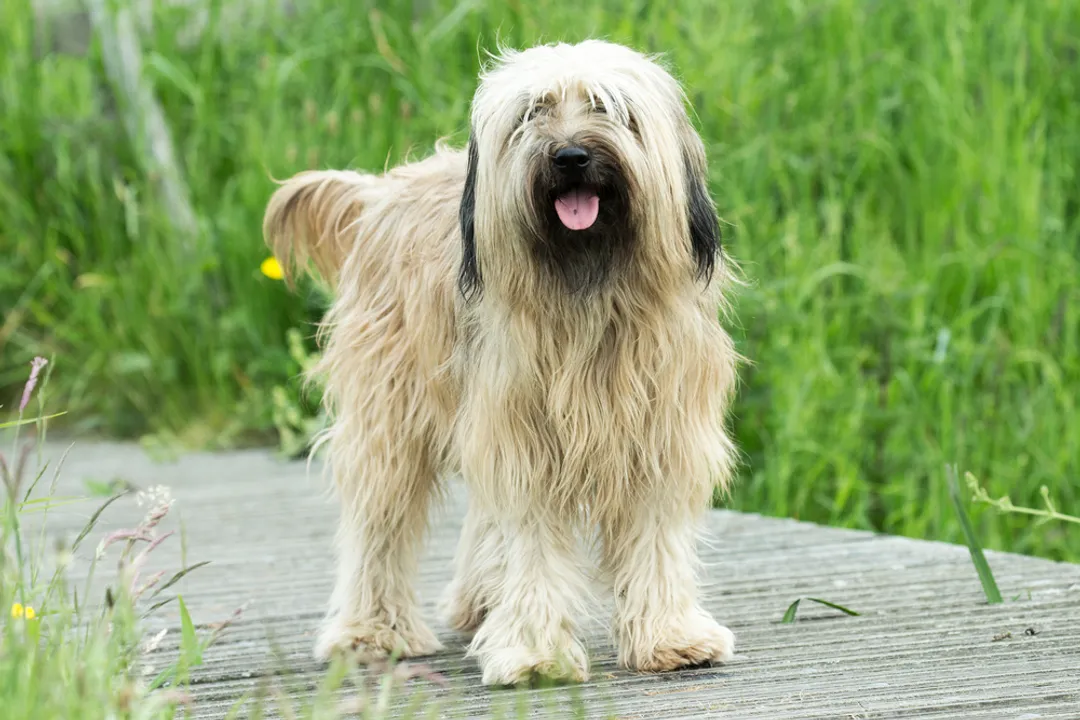
The Catalan Sheepdog, known by its native names Gos d’Atura Català or Pastor Catalán, presents a compelling mix of devoted companionship and innate working intensity. Far from being merely a shaggy-coated lapdog, this breed carries the lineage of a versatile herder and guardian hailing from the Pyrenees foothills of Spain. [1][2][3] Understanding their temperament requires looking past the adorable beard and recognizing the intelligent, active core that thrives on engagement and purpose. [4][5] They are described as cheerful, courageous, lively, and fundamentally good-natured, yet this gentle disposition is always underpinned by a strong work ethic. [3][5][6]
# Core Personality
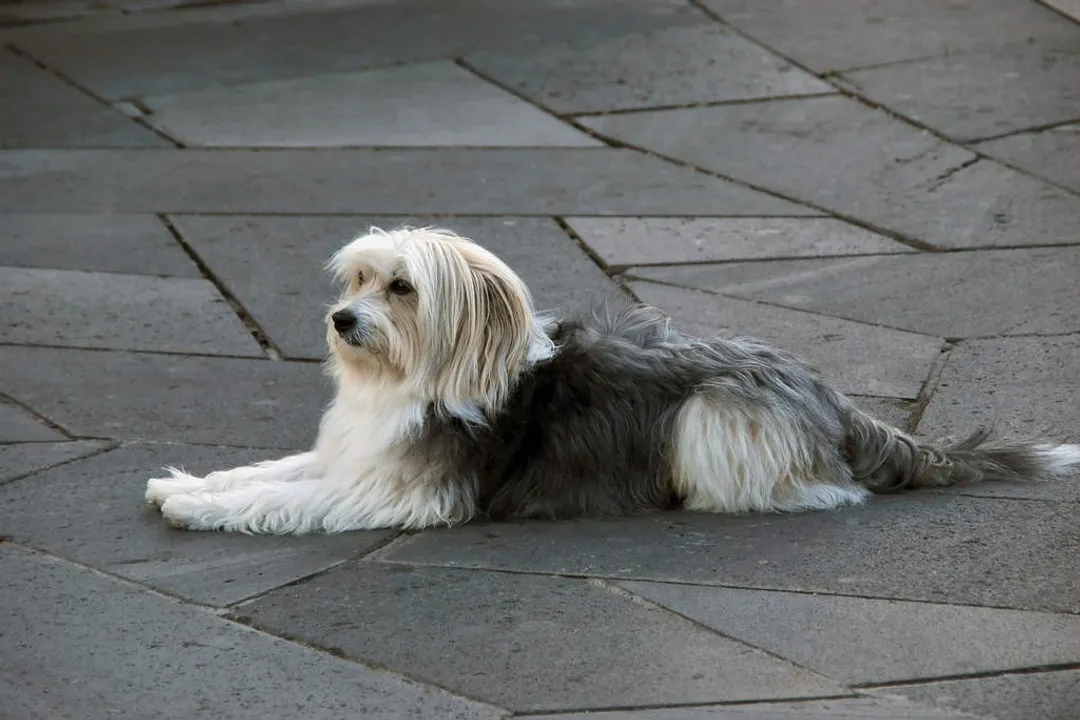
At home, the Catalan is intensely loyal and affectionate toward its immediate human family, forging deep connections with those who care for them. [4][5][9] They are known for their hard-working nature and dependable demeanor, making them balanced companions when their needs are met. [3][7][9] This breed utilizes its intelligence in a highly engaged way; rather than defaulting to stubbornness, they employ their smarts to learn and problem-solve, which makes them engaging partners for dedicated owners. [6][8] They exhibit extraordinary tenderness toward their household charges, which, historically, included livestock, but in the modern setting, translates to their people. [1]
# Intelligence Work
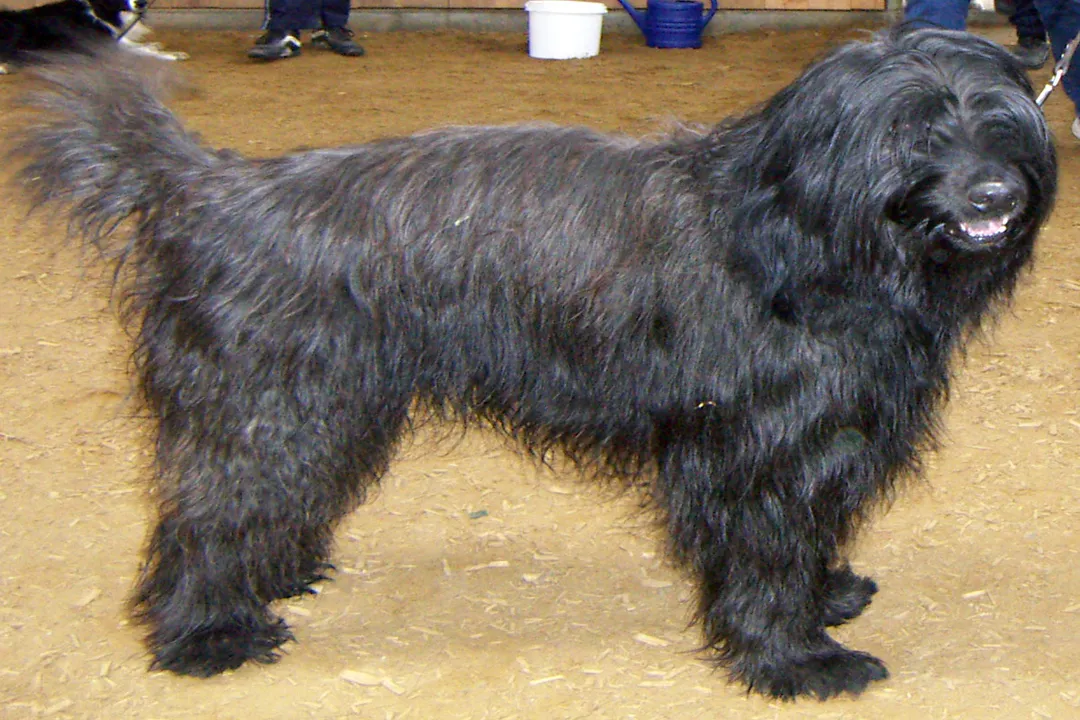
If you appreciate a dog that learns quickly and relishes having a job, the Catalan Sheepdog is a rewarding study in canine capability. They are characterized as clever and whip-smart, which makes the training process relatively straightforward for those who understand how to engage them. [1][5][9] Training is best approached with positive reinforcement methods, focusing on consistency and clear boundaries, as they respond well to an owner they trust and respect. [5][7] Their aptitude is not limited to basic obedience; this breed truly shines when channeled into dog sports. [3][4] Activities such as agility, obedience trials, Fly Ball, or even organized urban herding games like treibbell are ideal outlets that utilize their mental quickness and desire to perform. [3][5][6] Their ability to learn comes from an inherent desire to please their people, especially when a task is clearly defined. [1]

# Activity Needs
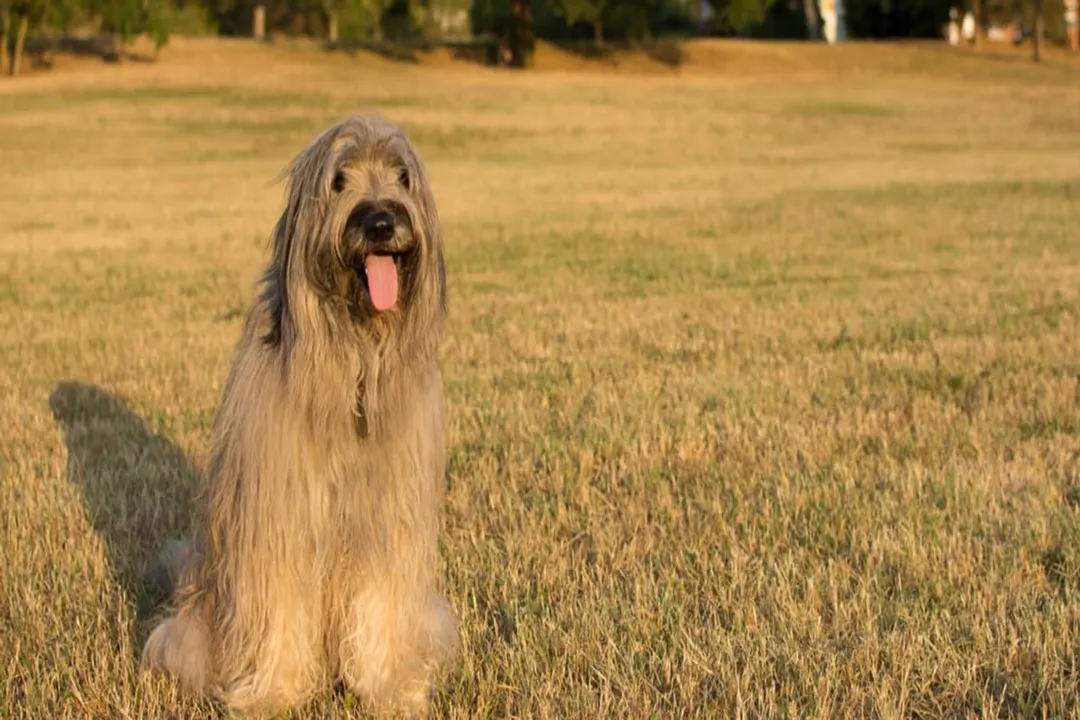
The primary consideration for owning a Catalan is recognizing that they are, first and foremost, working dogs. This heritage dictates a high energy level that cannot be satisfied with a casual leash walk around the block. [3][5][7] They require significant daily physical and mental input to remain well-balanced and prevent their energy from turning into unwanted behaviors like destruction or excessive vocalization. [4][6] Experts suggest that at least an hour of vigorous activity, spread throughout the day, is the minimum baseline for keeping a Catalan content. [5][7] This energy stems from their muscular, athletic build, developed over centuries to withstand harsh weather while moving flocks. [4][7] They are truly all-weather dogs, coping equally well in rain, snow, or heat while on the job. [3]
Because this breed was developed for endurance and independent problem-solving on the range, their need for movement extends beyond simple cardio. A common thread in owner feedback is that these dogs are fast and seem to thrive on activities that mimic their herding purpose, such as games involving chasing hard-thrown objects or activities that require quick reaction times. [6][8] While some owners note that an older, less active dog may not care for simple ball chasing, the requirement for mental engagement remains constant. If you live in an area where free running is impossible, you must commit to structured activities; otherwise, that intelligence will find a job for itself, usually involving counter surfing or rearranging the living room furniture. [4][9] The dedication needed for their exercise requirements often means this breed is better suited to active families or owners who enjoy rigorous outdoor pursuits. [5][8]
# Family Life
When integrated into the family unit, the Catalan Sheepdog is generally excellent, known for being gentle and loving companions to children. [4][5][7] They possess a patient nature and are rarely aggressive. [9] However, this gentle nature comes with a significant caveat tied directly to their instincts: they tend to herd everything they consider part of their 'flock'. [1][6] This herding behavior can manifest as circling or, crucially, nipping at moving heels, especially those of young children who run and move unpredictably. [1][6] Therefore, while they are good with children, adult supervision is non-negotiable to ensure interactions are safe and that the herding instinct is immediately discouraged with clear boundaries. [3][4][7]
This focus on their 'family unit' also dictates their relationship with outsiders. They integrate well with known dogs and other pets if properly socialized from a young age. [3][5] For those who live outside of a rural farm setting, understanding the limits of their protective drive is key to peaceful coexistence with neighbors. A Catalan’s protective nature means they are naturally watchful of strangers, but they typically adopt a stance of intelligent observation rather than immediate aggression. [3][7][8]

# Guarding Nature
The role of watchdog is strongly embedded in the Catalan Sheepdog’s temperament. They were historically guardians of flocks and farms, a trait that remains active even in a companion-only home. [7][8] Their alertness means they are quite vocal; they will bark and alert their owners to anything they perceive as unusual or suspicious. [5] This tendency, combined with their high energy needs, makes the breed somewhat less suited for close urban living where excessive alert barking can strain neighborly relations. [5] They are protective of their immediate family and territory, often placing themselves between the unknown person and their home, preferring to watch cautiously until trust is established. [4][7][9] They will happily patrol a large, fenced yard, keeping a steady watch, but this need to monitor their environment is a constant requirement. [8]
An interesting note for the prospective owner, especially those considering a suburban move, is to recognize that their herding instinct and guarding instinct can overlap in their assessment of novel situations. If a strange vehicle pulls up, the dog’s immediate assessment might be, "Is this a threat to the flock (family/home)?" followed by "How do I manage the movement of this unknown element?". [1][3] This ability to make independent decisions—a trait shepherds valued because it meant the dog could manage the flock without constant direction—means the owner must be consistent, as the dog is perfectly capable of deciding the rules don't apply if the human seems uncertain. [3][5]
# Herding Drive
The herding instinct is perhaps the most defining trait that influences daily life, even more so than simple energy levels. While some literature notes they have less of this urge than some other sheepdogs, many sources agree it is still a powerful, natural impulse that requires management. [9] Owners must proactively address the tendency to herd children or other pets. [1][6] This isn't a behavioral flaw to be corrected with basic obedience alone; it's a deeply ingrained function that needs redirection. [5] If the dog is not physically working livestock, its herding desire must be intentionally redirected into structured outlets.
This is where the distinction between a working-line temperament and a companion dog becomes crucial. For a Catalan kept strictly as a pet, channeling that drive into specific, complex training tasks is more effective than just providing long walks. Think about the mental architecture of the breed: they need to survey, direct, and control movement. Therefore, activities that require precise control and decision-making are superior to simple fetch. For instance, mastering advanced concepts in rally obedience or engaging in scent work—where they use their intelligence to locate objects rather than manage sheep—can satisfy that deep-seated need to solve a directive problem independently. [3][6] This targeted mental exertion often manages the nipping impulse better than mere exhaustion alone.

# Owner Fit
Given this temperament profile—intelligent, high-energy, protective, and instinctively driven—the Catalan Sheepdog is clearly not a breed for a casual or inexperienced owner. [1][5] They require an owner who is energetic themselves or committed to providing substantial daily activity and mental stimulation. [5] A large, securely fenced yard is highly recommended, as it provides a safe perimeter for them to perform their natural observation duties without becoming overly focused on street traffic or passersby. [3][5] In terms of household dynamics, they generally do better with older children who understand how to interact respectfully with a working dog, or in homes where the owner understands the commitment required to keep a sensitive, quick-witted dog occupied. [5][7]
Their intelligence and sensitivity mean that while they thrive on positive engagement, harsh training methods will likely cause them to shut down or become anxious. [5] They thrive when they can collaborate with their owners, turning training and activity into a joint venture. If you seek a lower-maintenance couch companion, this is likely not the right match; however, for an active individual or family looking for a profoundly loyal, highly capable partner ready for adventure and mental challenges, the Catalan Sheepdog offers an exceptionally rewarding experience rooted in centuries of devoted service. [2][9]
Related Questions
#Citations
Catalan Sheepdog Facts - Wisdom Panel™ Dog Breeds
Catalan Sheepdog Dog Breed Information | Purina UK
About Catalan Sheepdogs
Catalan Sheepdog | Dog Breed Facts and Information - Wag!
Catalan Sheepdog Dog Breed: Info, Pictures, Facts & Traits - Dogster
Catalan Sheepdog – A Pet Guide | Vetsure
Catalan Sheepdog - Wikipedia
Catalan Sheepdog Dog Breed Complete Guide - A-Z Animals
Catalan Sheepdog | Dog Breeds - Omlet