What is the temperament of a peagle?
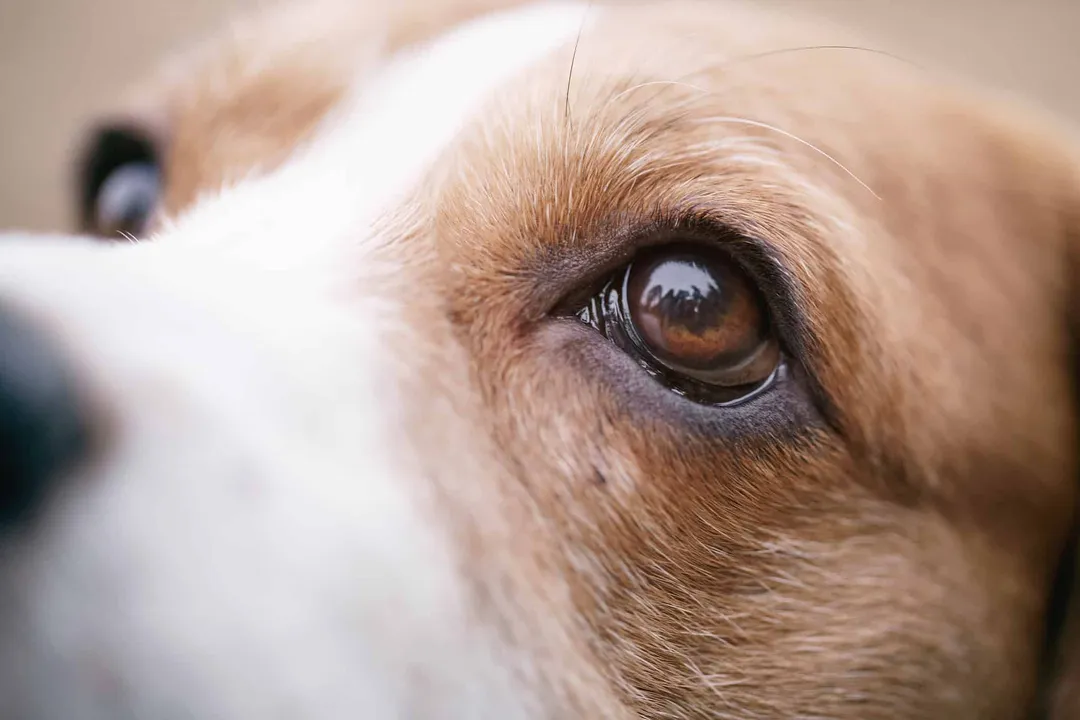
The temperament of a Peagle, the charming cross between a Beagle and a Pug, is a delightful blend of curiosity, affection, and occasional stubbornness, making them engaging companions for many types of households. [1][2][5] Understanding this hybrid’s personality requires a close look at the defining characteristics inherited from its purebred parents. The Beagle brings a history rooted in scent trailing—a trait that fuels their inquisitive nature and can lead to distraction—while the Pug contributes an ancient legacy as a devoted companion dog, known for its even-keeled and comical demeanor. [7][8] This combination results in a dog that is often sturdy, moderately energetic, and deeply attached to its family. [3][5]
# Parental Traits

To truly gauge what a Peagle might be like, one must first appreciate the strong influences coming from the Beagle and the Pug. Beagles are renowned scent hounds, bred to follow a trail for hours, which translates into a dog that is highly motivated by smells and can be single-minded when something captures their attention. [8] They are generally good-natured and merry, but their independent hunting spirit means they aren't always the easiest to recall once they’ve caught an interesting scent. [7][8] Furthermore, Beagles are known for their distinctive baying voice, a trait that can certainly be passed down. [8]
Pugs, on the other hand, were selectively bred for centuries purely for companionship, particularly by Chinese royalty. [3] Their temperament is classically outgoing, charming, and eager to please their humans, often exhibiting a clownish side that keeps owners entertained. [3] Pugs thrive on human attention and are not typically suited to being left alone for long periods, which can lead to separation anxiety if their needs aren't met. [3] They tend to be less demanding in terms of intense exercise compared to a Beagle, preferring a good cuddle session on the sofa. [3]
When these two profiles merge into the Peagle, the resulting temperament is often a middle ground, though environmental factors and individual genetics play a significant role in which parent breed's traits are most dominant. [1][6] You might find a Peagle that loves to follow a scent path across the yard but, unlike a pure Beagle, will return quickly because they don't want to miss the next interaction with their favorite person, inheriting that Pug loyalty. [5]
# Social Behavior
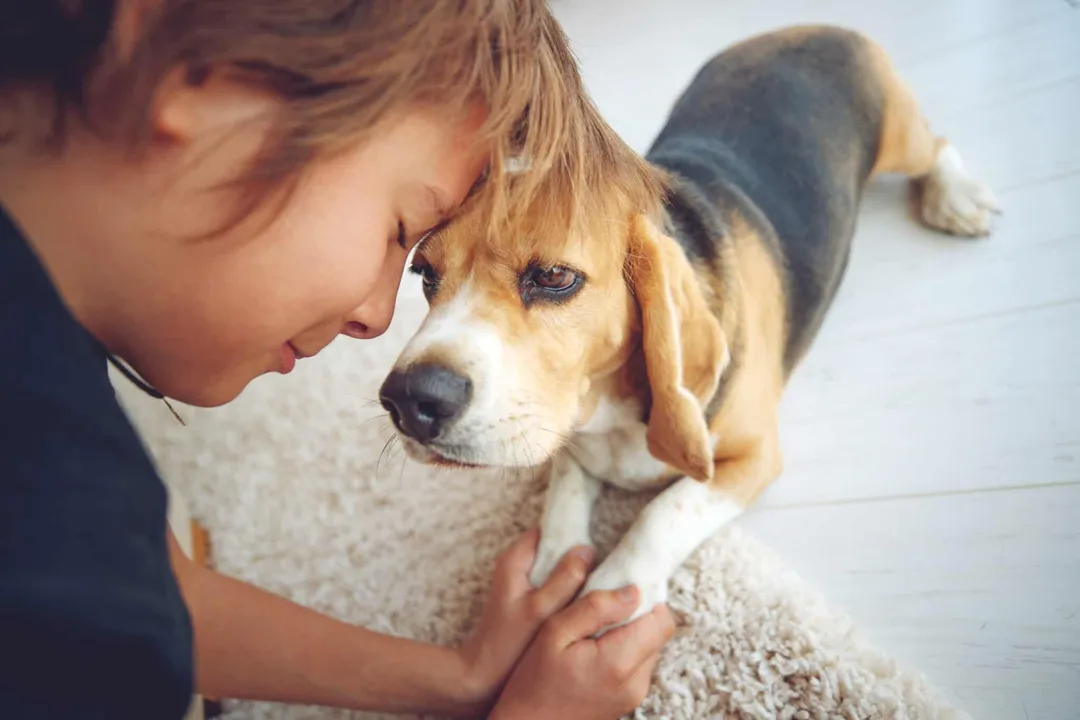
Peagles generally excel as family pets due to their affectionate nature derived largely from the Pug side of their lineage. [2][5] They often form incredibly strong bonds with their primary caregivers and are known to be quite outgoing. [1] When introduced properly and early in life, they tend to integrate well with children, though supervision is always required, as with any dog breed. [2][5] Their size and sturdy build often make them tolerant playmates for older, respectful children. [1]
Stranger interaction is usually positive or indifferent, rather than aggressively territorial. A Peagle might greet a newcomer with enthusiastic curiosity, possibly stemming from the Beagle’s amiable nature. [5] However, they are not typically bred as guard dogs; while they might alert you to someone approaching with a bark or howl, they are far more likely to welcome an intruder with a wagging tail than to deter them. [2][5]
For multi-pet households, socialization is key. While the Beagle is generally known to do well with other dogs, especially if raised together, the individual Peagle’s tolerance for cats or smaller pets will depend heavily on early exposure and whether the Pug or Beagle instinct regarding small, scurrying things dominates. [7][8] If the Beagle's prey drive is strong, supervision around smaller animals is non-negotiable. [7]
A helpful tip for managing this social dynamic is to create a structured introduction protocol for new people and pets, ensuring that the Peagle’s attention is redirected from potential over-excitement toward a known command, like "sit" or "place," as soon as the trigger (the new arrival) is present. This reinforces that you control the greeting sequence, satisfying the dog’s need for direction without relying solely on instinctual reactions. [1]
# Activity Needs

The energy level of the Peagle is often described as moderate, sitting comfortably between the low-key couch potato tendencies of some Pugs and the high-stamina hunting drive of the Beagle. [1][2][5] A Peagle will likely require daily exercise to remain content and well-behaved. Insufficient mental or physical stimulation is a fast track to behavioral issues, such as destructive chewing or excessive vocalization. [5]
For physical activity, two decent walks daily, perhaps totaling 45 minutes to an hour of brisk walking or light jogging, are usually sufficient for an adult Peagle. [1] However, the type of activity matters significantly. Because of the Beagle heritage, activities that engage their nose are highly rewarding. Hide-and-seek with treats around the house or yard, or short sessions of scent work training, can often tire a Peagle out mentally faster and more effectively than a long, aimless walk. [7]
When considering activity, it is useful to look at the physical realities of the Pug parent. Pugs, due to their brachycephalic (shortened) muzzle, are prone to breathing difficulties and heat intolerance. [3] This physical limitation often caps the Peagle’s maximum exercise capacity, especially in warm or humid weather. [1] Therefore, while the Beagle parent might suggest intense, all-day tracking, the Pug influence necessitates careful monitoring of breathing and heat exposure. An effective exercise routine must balance the need to satisfy the Beagle's drive with the physical safety constraints imposed by the Pug structure. This means prioritizing high-intensity short bursts of activity followed by rest, rather than prolonged endurance events.
# Trainability and Intelligence
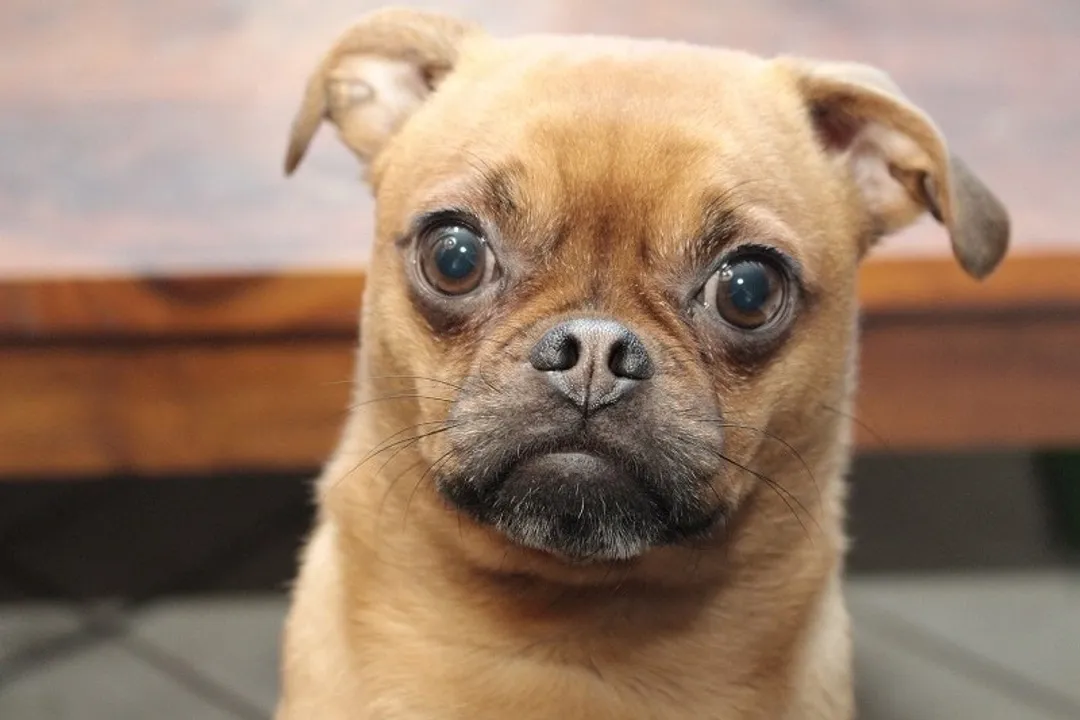
Training a Peagle can sometimes be an exercise in patience, as they inherit a significant dose of stubbornness from both sides of the pedigree. [1][3] Beagles are intelligent but notoriously independent when their noses lead them astray, and Pugs, while affectionate, can be equally headstrong and easily bored by repetition. [8][3] The resulting Peagle requires a consistent, firm, yet positive training approach. [1]
Consistency is the absolute bedrock of training success with this mix. If you allow a behavior one day—like jumping up for attention—and discourage it the next, the Peagle will quickly learn that rules are optional, leaning into the more independent streak. [6] Positive reinforcement, using high-value treats and enthusiastic praise, works best to motivate them, as harsh corrections can shut down their eagerness to interact. [5]
Obedience training, starting early, is crucial not just for manners but for safety. Because of the Beagle’s instinct to roam based on scent, reliable recall—coming when called—is perhaps the most important command to master. [7] If the Peagle inherits a strong Beagle nose, the world becomes a collection of fascinating scents that override human commands. Owners must commit to practicing recall in increasingly distracting environments, always ensuring the dog is rewarded heavily when they choose to return. [7]
# Vocalization Tendencies
Vocalization is a key temperament trait that prospective owners must be prepared for, as both parent breeds have distinct ways of making noise. [8] The Beagle is famous for its baying, a long, drawn-out howl used to alert hunters to a find, which can be quite loud and penetrating. [8] Pugs are generally less vocal but can resort to snorting, wheezing, and occasional yapping if anxious or seeking attention. [3]
The Peagle’s vocal output can vary widely. Some may inherit the Beagle's full-throated bay, while others might be quieter, perhaps exhibiting more of the Pug’s snorting or minimal barking. [1] If your Peagle is on the more vocal side, training needs to address this early. Teaching an "inside voice" command or rewarding silence when visitors arrive can help manage excessive noise directed at squirrels or passersby. [2] Prospective owners living in apartments or close-quarter housing should carefully weigh the potential for noise complaints against their ability to manage vocal behavior through training and environmental control. [5]
# Grooming and Coat Care Relation to Temperament
While not strictly a temperament trait, the grooming needs associated with the Peagle's coat can indirectly influence owner interaction and thus the dog’s overall mood. Peagles usually sport a short, dense coat inherited from both parents, meaning they are moderate seasonal shedders. [2][6] They are relatively low maintenance in terms of coat upkeep, needing only weekly brushing to remove dead hair. [6]
However, the Pug influence means they can be prone to skin fold infections if the facial wrinkles are not cleaned regularly. [3] Attending to these folds requires patience and gentle handling. If a dog is uncomfortable or sensitive about being handled, especially around the face, this can create tension during grooming sessions. By making grooming a calm, positive experience using gentle strokes and high-value treats during wrinkle cleaning, owners reinforce the bond and teach the dog to tolerate necessary maintenance without stress, contributing to a generally more relaxed demeanor outside of exercise times. [3]
# Household Fit and Longevity
The ideal home for a Peagle is one that offers consistent companionship and structure. They do not do well when ignored or left alone for extended periods; the affectionate nature inherited from the Pug means they are truly people dogs. [3][5] They often thrive best in homes where someone is around for a good portion of the day, or where they have another friendly dog companion to keep them company. [5]
In terms of environment, a fenced yard is highly recommended, not necessarily for expansive running space, but for scent exploration safety. [1][5] If that Beagle nose locks onto a compelling scent outside the yard, a Peagle may be surprisingly adept at finding weak spots in fencing or figuring out gates, given their intelligence. [7] Securing the perimeter is a practical necessity for this mix.
The average lifespan for a Peagle is typically around 10 to 15 years, a range that reflects the generally hardy nature of both parent breeds, though owners must remain vigilant for health issues common to each, such as Pug eye problems or Beagle back issues. [6] A dog that is physically comfortable and pain-free is much more likely to exhibit their best, most stable temperament traits. [6] Regular veterinary check-ups are essential to ensuring that any potential physical discomfort does not manifest as irritability or withdrawal in their behavior.
#Videos
Peagles enjoy being the center of attention. This can make them a ...
Related Questions
#Citations
Peagle: Complete Guide to the Beagle–Pekingese Mix - A-Z Animals
Peagle Dog Breed Health, Temperament, Feeding ... - PetGuide
Peagle Breed Information & Characteristics
Peagles enjoy being the center of attention. This can make them a ...
Peagle Dog Breed (Pekingese & Beagle Mix): Info, Pictures, Care ...
Peagle Dog Breed Information and Pictures
7 Insights into Beagle Temperament for Pet Owners
Beagle Dog Breed Information - American Kennel Club
Peagle - Sidewalk Dog