What class of dog is a Labradoodle?
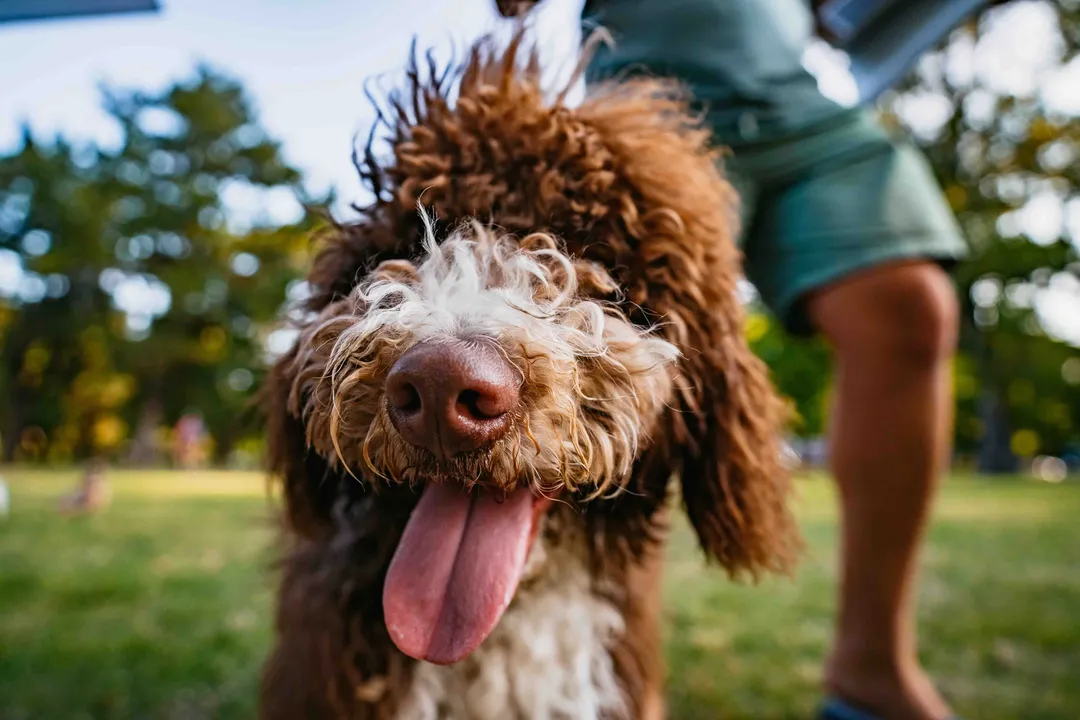
The Labradoodle occupies a fascinating, and often debated, space in the canine world, generally categorized as a hybrid or designer dog. [1][2][3] This designation stems from its parentage: a cross between the Labrador Retriever and the Poodle. [1][2][5] They are not recognized as a purebred dog by major kennel clubs, such as the American Kennel Club (AKC). [1][2] The initial concept originated in Australia in the late 1980s, primarily with the goal of creating a suitable guide or assistance dog that possessed the Labrador's agreeable temperament coupled with the Poodle’s low-shedding coat. [1][3][5] While they inherit desirable traits from both lineages, the resulting characteristics can vary significantly, especially in early generations. [3]
# Hybrid Status
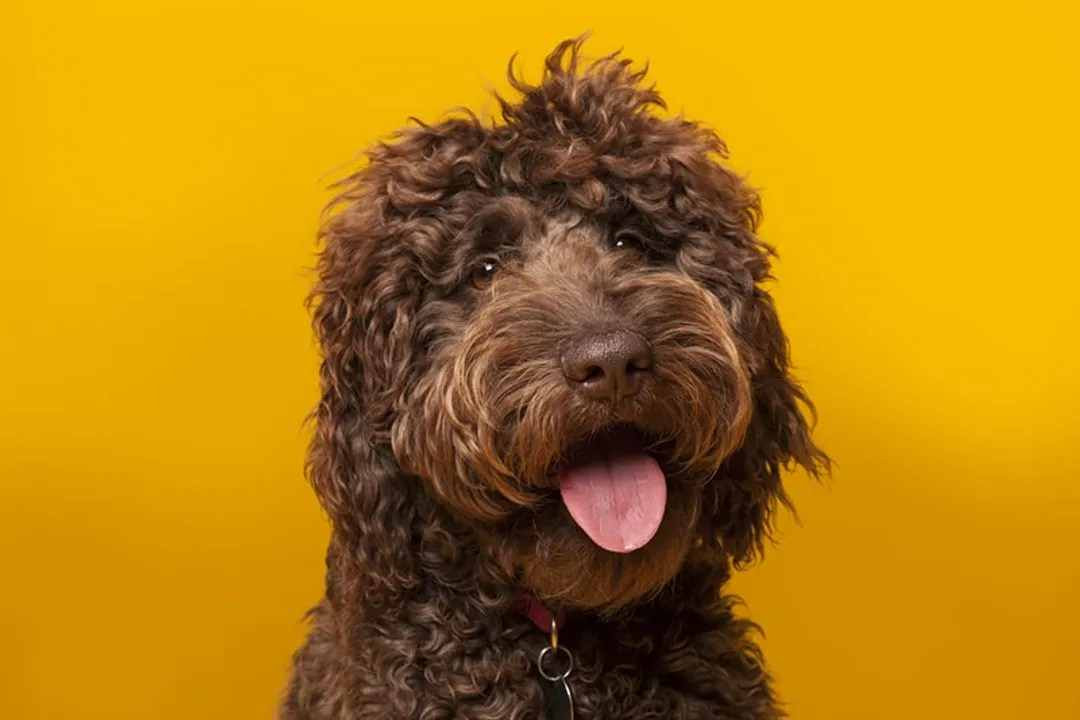
Because the Labradoodle is a crossbreed, its classification isn't as straightforward as that of a recognized purebred dog. [2] The term "Labradoodle" covers a wide spectrum of dogs, from a first-generation cross (F1) to multi-generational dogs that breeders are actively trying to establish as a consistent breed type. [1][7] An F1 Labradoodle is the direct result of pairing a purebred Labrador Retriever with a purebred Poodle. [1] Subsequent generations, like F1b (backcrossed to a Poodle) or F2 (two F1 Labradoodles bred together), introduce more variability or attempt to lock in desired traits, such as coat type. [1]
The confusion about their "class" often comes from the distinction between a general crossbreed and the established Australian Labradoodle. [7][10] The Australian Labradoodle is the result of a much more formalized, multi-generational breeding program that introduced other breeds—such as the Cocker Spaniel, Irish Water Spaniel, or Soft Coated Wheaten Terrier—to refine the temperament, coat, and overall structure. [7] Therefore, while all Labradoodles start as a Labrador-Poodle mix, not all Labradoodles are the standardized Australian Labradoodle. [7][10] The British Labradoodle also has specific standards, often emphasizing the maintenance of the basic Poodle/Labrador cross without the introduction of other breeds seen in the Australian lineage. [10]
If you are looking at a dog described simply as a "Labradoodle," you are likely looking at a mixed breed whose traits are less predictable than one bred under the guidelines of an established Australian Labradoodle association. [7]
# Breed Variations
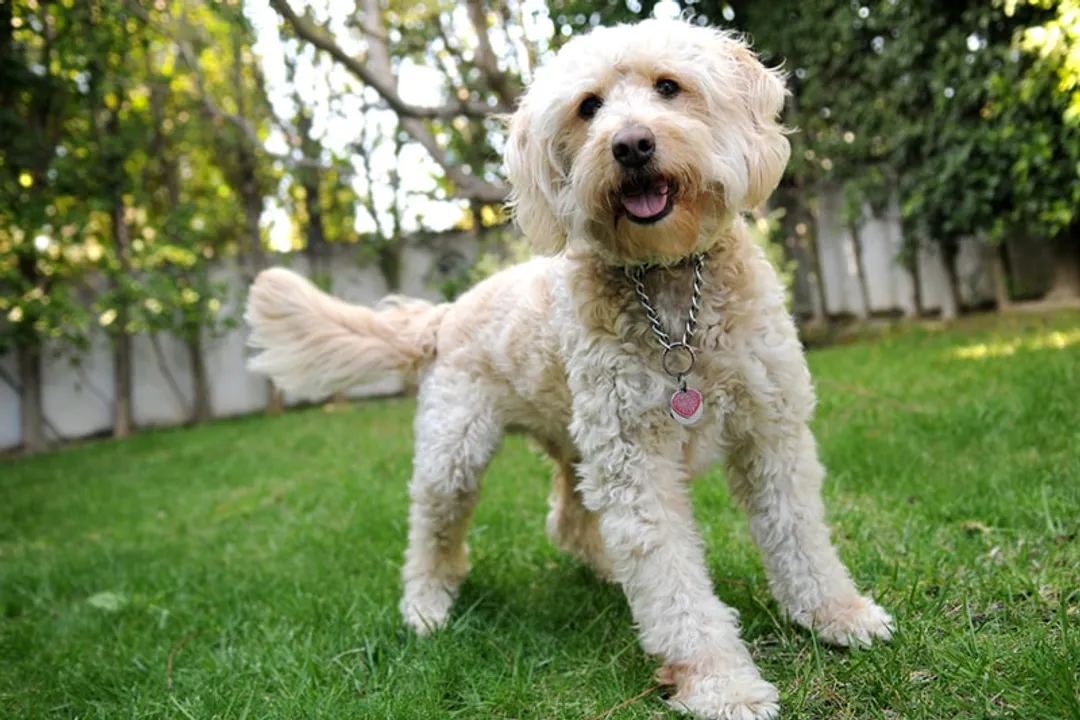
The physical presentation of a Labradoodle varies widely, largely depending on the size of the Poodle parent involved—Standard, Miniature, or Toy—leading to three main size categories: Standard, Medium, and Miniature. [1][3]
| Size Category | Poodle Parent Size | Approximate Height (Shoulder) |
|---|---|---|
| Standard | Standard Poodle | Over 21 inches |
| Medium | Miniature Poodle | 17 to 20 inches |
| Miniature | Toy Poodle | 14 to 16 inches |
It is important for prospective owners to understand that the resulting litter size from an F1 pairing can have dogs displaying anywhere from 50% Poodle traits to 50% Labrador traits, creating a genetic lottery for coat texture and shedding potential. [3][4] When a breeder focuses on a multi-generational line, like the Australian Labradoodle, the goal is to achieve a more consistent appearance and temperament across generations, moving closer to the definition of a true breed, even if kennel clubs do not yet recognize them as such. [7]
One useful way to approach this variability, especially for shedding, is to look at the "generation" in conjunction with coat genes. A first-generation cross (F1) has a 50/50 chance of inheriting the low-shedding gene, meaning many will still shed significantly like a Labrador. [4] For the truly low-shedding dog sought by allergy sufferers, breeders often target F1b or later generations, where the probability of obtaining the desired coat type increases significantly because they have more Poodle heritage influencing the genetics. [1]
# Temperament Profile
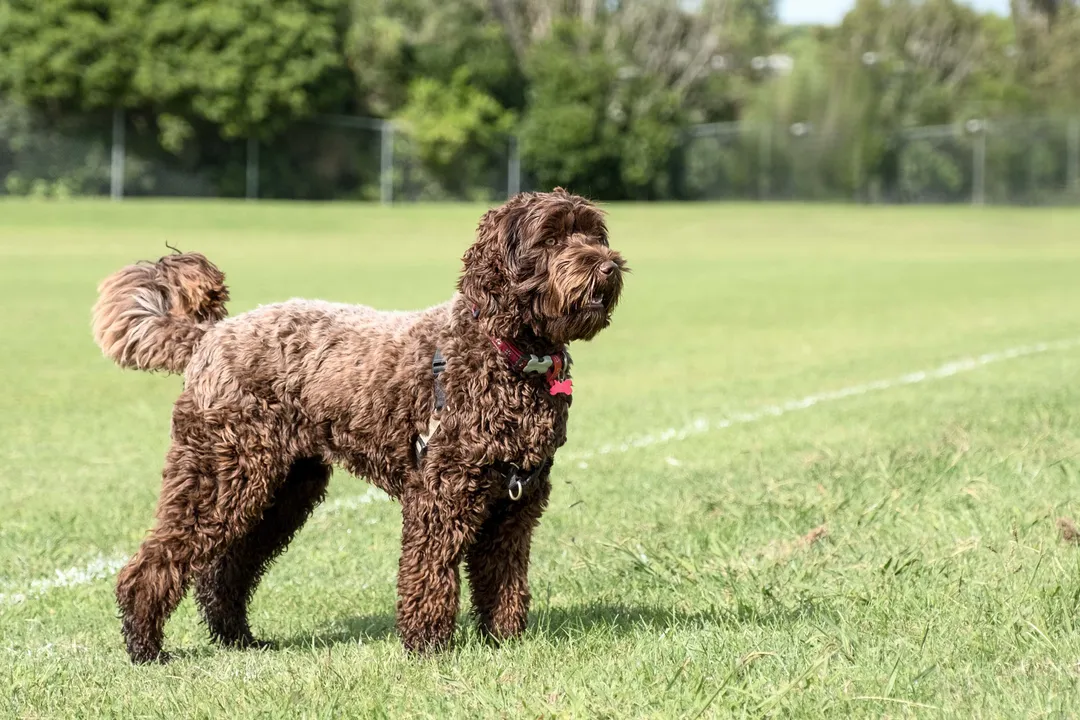
Generally, Labradoodles are celebrated for inheriting the intelligence and trainability of the Poodle combined with the famously good-natured, eager-to-please attitude of the Labrador Retriever. [3][4][5] This combination often results in a highly social, affectionate, and relatively easy-to-train companion. [3][9] They thrive on human companionship and do not generally do well when left isolated for long periods. [3]
Their intelligence means they pick up commands quickly, but this same intelligence requires mental stimulation to prevent boredom. [4] A bored Labradoodle can become mischievous or develop unwanted habits. They are often described as playful, energetic, and good with children, making them popular family pets. [3][5] However, their energy level necessitates regular, substantial exercise. [5] A good daily walk is usually the minimum requirement, often supplemented with playtime or structured activities. [3]
When comparing the different types, the Australian Labradoodle lineage aims to produce a dog with a slightly calmer temperament than some earlier, more excitable F1 crosses, focusing on suitability for therapy and service work. [7] However, regardless of the precise lineage, responsible ownership always requires early socialization to ensure they develop into well-adjusted adults. [9]
# Coat Care Demands
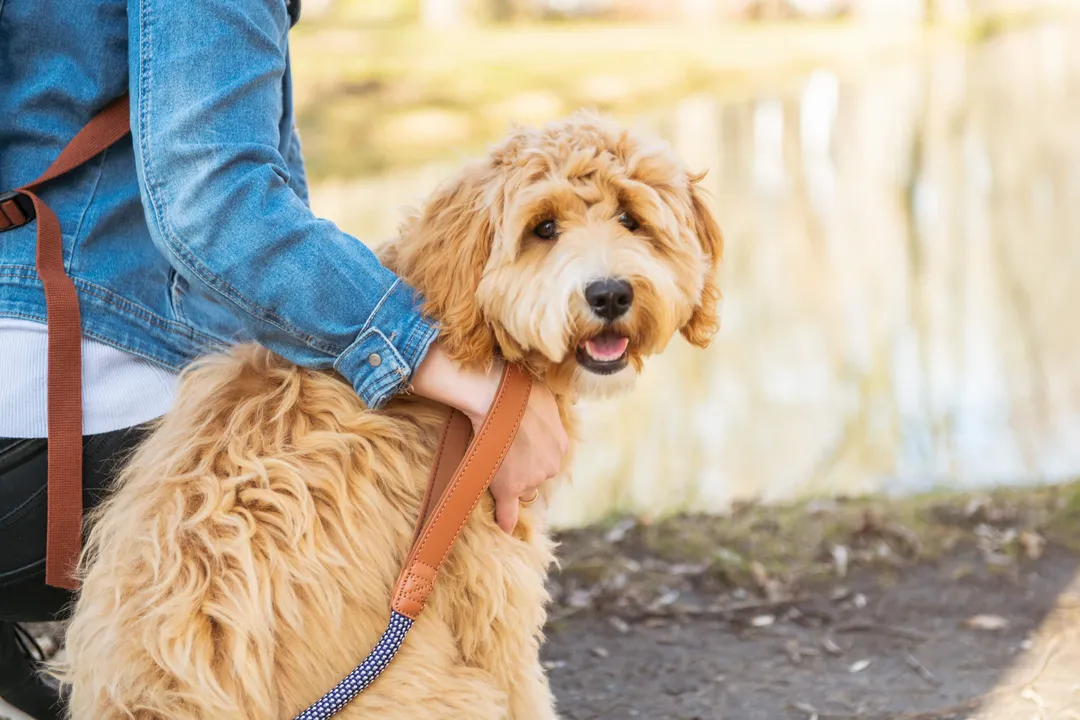
Perhaps the most complex aspect of owning a Labradoodle relates to its coat, which is highly variable and demands consistent maintenance. [1][4] There are three primary coat types frequently mentioned:
- Hair Coat: This is the most Labrador-like, straight, shorter, and sheds moderately to heavily. [4]
- Fleece Coat: This is the most sought-after type, described as soft, wavy, or slightly curly, and is generally low-shedding. [1][4]
- Wool Coat: This is the most Poodle-like, dense, and curly, often requiring the most intensive grooming to prevent matting. [4]
The coat type heavily dictates the grooming commitment. A dog with a thick fleece or wool coat requires daily brushing to prevent painful mats from forming, which can tighten against the skin. [4] If you find yourself tempted to skip brushing for a few days on a curly-coated individual, expect to face a difficult session or a costly trip to the professional groomer shortly thereafter. For owners new to high-maintenance coats, choosing a dog from a breeder who specializes in producing the fleece coat might reduce weekly maintenance from a potential daily chore to perhaps three times a week, but never to the level of a short-haired breed. [1] Regular professional grooming appointments, typically every six to eight weeks, are essential for all but the straightest-coated individuals. [4]
# Health Concerns
As a mixed breed, the Labradoodle was initially hoped to benefit from "hybrid vigor," meaning they might be healthier than their purebred parents. [5] While they can be robust dogs, they remain susceptible to the genetic conditions prevalent in both the Labrador Retriever and the Poodle populations. [5][6]
Common health issues noted in the breed include:
- Hip and Elbow Dysplasia: A condition affecting the joints, common in many larger breeds. [5][9]
- Eye Conditions: Progressive Retinal Atrophy (PRA) and other eye problems can occur. [5]
- Addison's Disease and Thyroid Issues: These can sometimes appear, particularly in lines with more Poodle influence. [5]
Responsible breeders screen their parent dogs rigorously for these inherited conditions, making the choice of breeder a critical factor in the long-term health of the puppy. [5] Generally, the lifespan for a Labradoodle is estimated to be between 10 and 14 years, depending on size, with smaller individuals sometimes leaning toward the longer end of that spectrum. [5][9]
# Training and Activity
Training a Labradoodle is often rewarding due to their high desire to please and sharp intellect. [4] Positive reinforcement methods work best, aligning with their affectionate nature. [9] Because they are intelligent and energetic, they require consistent engagement in both physical activity and mental challenges. [4] If their exercise needs are not met, that bright mind might focus on challenging your household items rather than obeying commands.
For families with young children, while the temperament is generally favorable, a dog's size and enthusiasm in youth can accidentally knock over a small toddler. [9] Early introduction to gentle handling and supervision during play sessions are non-negotiable aspects of ownership. [9] It is often wise for first-time dog owners to look specifically for breeders who prioritize stable temperaments in their lines, as excessive exuberance can sometimes be mistaken for poor behavior when it's simply youthful energy needing direction. [4] A well-socialized Labradoodle, whether of the standard cross or the more formalized Australian type, tends to fit well into active family life, provided the family is prepared for the commitment to exercise and grooming that these wonderful companions require.
Related Questions
#Citations
Labradoodle - Wikipedia
Labradoodle Dog Breed Health and Care - PetMD
Labradoodle Dog Breed Facts & Information - Rover.com
Understanding the Labradoodle Breed: Characteristics and Traits
Labradoodle Dog Breed: Size, Personality and More
Labradoodle Breed Guide: History, Health & Care Tips - Trupanion
About Australian Labradoodles - DOODLES OF OZ
Everything you need to know about Labradoodles
Labradoodle FAQs: Health, Grooming, and More
British or Australian Labradoodle?